Indoor vs. Outdoor Water Parks: Which Is Better for Your Family?
Comparing indoor vs outdoor water parks? Compare cost, weather risk, safety rules, and top US picks like Kalahari, Great Wolf Lodge, and Schlitterbahn.
On this page
Indoor vs. Outdoor Water Parks: The Complete Comparison Guide
Last updated July 2026, this guide breaks down indoor vs outdoor water parks so you can match the right pick to your family's season, budget, and kids' ages. Outdoor parks bring taller slides, big wave pools, and open-air summer energy, but a single storm can end the day early. Indoor resort parks trade some of that scale for climate control and stay-and-play scheduling that holds up no matter what the sky is doing.
Free guide: Stress-Free Flying with Kids
The pre-flight checklist, carry-on packing list, and in-flight survival plan we use on every family trip — from toddlers to teens.
Quick Verdict: Indoor vs. Outdoor Water Parks
The short answer depends on the calendar and the crowd. Families traveling in fall, winter, or early spring, or traveling with toddlers, generally do better at an indoor resort water park. Families traveling in peak summer with teens or a large group usually get more value from a traditional outdoor water park. The snapshot below lines up the two models side by side. For a longer list of standout properties in both categories, see the guide to 9 Best Water Parks for Families: Top Picks for 2026.
| Factor | Indoor Water Parks | Outdoor Water Parks |
|---|---|---|
| Seasonality | Open year-round | Seasonal, typically May through September |
| Typical day pass price | Commonly $50-$100 per person, or bundled into a room rate | Commonly $45-$85 per person at the gate |
| Slide variety | Family- and toddler-focused, zero-depth entry pools, moderate-height slides | Taller, faster slides and larger-scale wave pools |
| Weather risk | None; climate-controlled at roughly 80-84°F | High; storms can pause rides or close the park for the day |

The Indoor Experience: Year-Round Reliability
Indoor water parks run on climate control, usually holding air and water temperatures around 80 to 84 degrees regardless of the forecast. That consistency is the core pitch: a rainy Tuesday in November plays out the same as a sunny Saturday in July. Resorts such as Kalahari Resorts and Great Wolf Lodge build the waterpark into the stay itself, so the ticket functions as a room-plus-park bundle rather than a standalone admission. Kalahari's Round Rock, Texas property, for example, lists its indoor waterpark hours as 10 a.m. to 9 p.m. daily, with access included for overnight guests. Zero-depth entry pools let toddlers wade in gradually instead of stepping down into deep water, which matters more for young kids than slide count does. The trade-off is sensory. Enclosed halls trap humidity, chlorine smell, and echoing crowd noise in a way open-air parks don't, which can be a real factor for sensory-sensitive kids.
The Outdoor Experience: Thrills and Sun
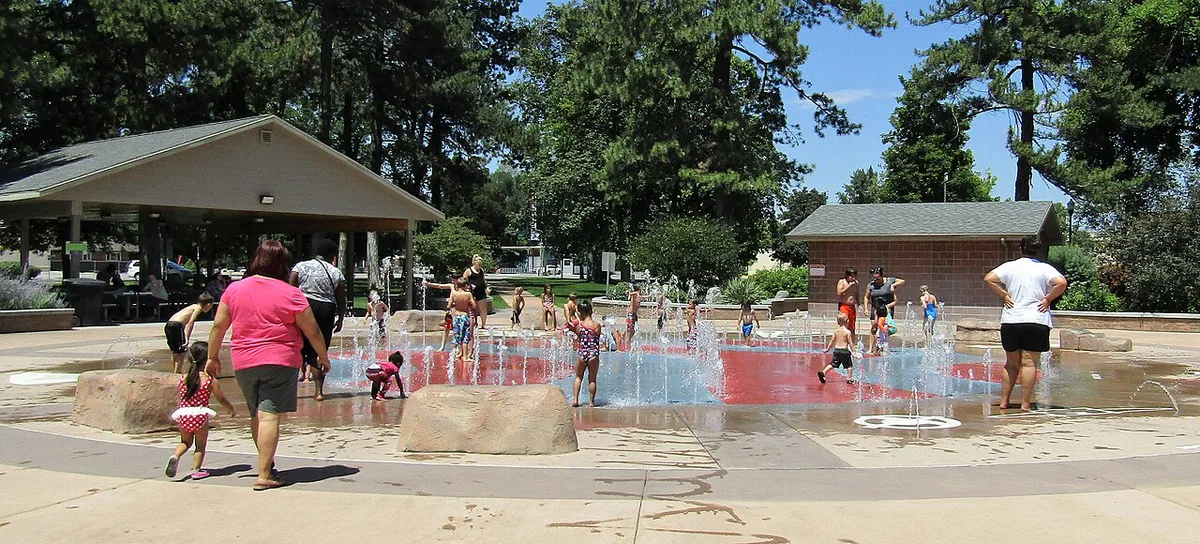
Outdoor water parks aren't boxed in by a roofline, so they can build taller towers and longer, faster slides than most indoor properties attempt. That extra scale is part of why parks like Schlitterbahn keep a reputation for large wave pools and long lazy rivers. The trade-off is the sun. Kids and parents both need sunscreen reapplied every couple of hours, shade breaks, and enough water to avoid heat exhaustion on a 90-degree afternoon. The bigger risk is the rain-out. A storm can pause slide operations for safety, and on some days it doesn't clear before closing time. Outdoor trips need a backup plan in a way indoor resort trips generally don't.
Cost and Time Trade-Offs
Money moves differently at each type of park. Outdoor parks usually sell a standalone gate ticket for one day of access. Indoor resorts more often sell the waterpark as part of an overnight stay, alongside separate day-pass options for guests who aren't staying overnight. Kalahari's site also lists package deals, such as its 'Slide, Splash & Save' bundle, plus occasional limited-time seasonal discount codes on select summer dates; confirm current offers directly with the property since these rotate. Comparing sticker prices alone can be misleading once you count the extras below.
Unreturned towels at Kalahari cost $30 per item, and charges multiply across a family group. This easily-overlooked fee can influence whether an indoor resort's total cost actually undercuts an outdoor park.
| Fee or Policy | Indoor Resort Example | Outdoor Park |
|---|---|---|
| Towel rental | $30 per towel if not returned by checkout (Kalahari policy) | Rental fee or bring your own; policy varies by park |
| Locker rental | Small, medium, and large lockers available for a daily fee | Comparable per-day locker fee at most gates |
| Parking | Often included with an overnight resort stay | Usually charged separately at the gate |
| Overnight park access | Noon on arrival day through close on departure day (Kalahari) | Standard single-day gate hours only |
- The access-timing detail is worth building a trip around: booked correctly, one paid night at a resort like Kalahari can cover two partial park days instead of one, changing the real per-day cost of the trip.
Safety and Logistics: What Parents Need to Know
Both formats post height and weight requirements per ride, and both expect life jackets on young or non-swimming kids. At Kalahari, for example, children under 48 inches are required to wear a U.S. Coast Guard-approved life jacket, with complimentary jackets available first-come, first-served. Treat the specific numbers below as an illustration of how major parks structure their rules, since exact cutoffs vary by ride and by property.
- Height tiers commonly run in three bands: under roughly 42 inches (family or toddler attractions only), 42 to 48 inches (allowed with a responsible adult on some slides), and 48 inches and up (independent riding on most major slides).
- Weight limits on individual slides commonly cap around 250–300 lb per rider; some parks use a front-entrance weigh station to enforce it.
- Look for posted safety icons or an information point at each ride. Major resorts use them to flag ride-specific rules and any temporary closures.
- Check for scheduled maintenance before a visit. Kalahari's site, for instance, listed a two-day closure for one slide from September 14 to September 15, 2026, for routine upkeep.
Who Each Option Fits Best
The right pick usually comes down to who is in the group and what season you're traveling in.
Indoor parks maintain 80–84°F year-round; outdoor parks expose children to 90-degree heat requiring sunscreen reapplied every two hours. Families with toddlers face this comfort and sun-protection trade-off when choosing between park types.
- Indoor water parks fit families with toddlers who need zero-depth entry pools, trips built around a winter or shoulder-season birthday, and parents who would rather skip sunscreen duty altogether.
- Outdoor water parks fit teens and thrill-seekers chasing taller slides, larger groups splitting an all-day gate ticket, and summer travelers who want a traditional open-air park atmosphere.
Common Mistakes to Avoid
A few planning slips show up again and again when families choose between indoor vs outdoor water parks.
- Skipping flip-flops or water shoes: outdoor pavement gets hot enough to burn bare feet, and indoor pool decks stay slick.
- Missing seasonal promotions: some chains mark July 28 as National Waterpark Day with discounts on stays, day passes, or season passes. Confirm current offers before booking, since promotions rotate by year and by property.
- Buying a separate day pass when a room rate already includes park access: check what's bundled into an overnight stay before purchasing standalone tickets.
- Forgetting to return rented towels: an unreturned towel can trigger a flat fee, such as Kalahari's $30-per-towel charge.
When a Season Pass Beats a Day Pass
Season passes make the most sense for families who live near an outdoor park and expect at least two or three visits in one season. Cedar Fair and Six Flags-style outdoor parks often pair water park access with dry rides, parking add-ons, and bring-a-friend dates. That can beat buying separate gate tickets for every summer visit.
Indoor resort passes are less common because the main value is usually tied to an overnight room. Great Wolf Lodge and Kalahari work better as stay-and-play trips, especially when one night gives access on arrival day and departure day. For a local family, a standalone indoor day pass can still work for a winter birthday or school-break outing.
- Choose season passes for repeat summer visits near home.
- Choose overnight resort access for a destination-style indoor trip.
- Choose day passes for one-off visits when lodging is unnecessary.
For trip-planning details, see World Waterpark Association.
Further reading: Travelling with children on Wikivoyage · Family travel on Wikipedia
Frequently Asked Questions
Are indoor water parks worth it in summer?
Yes, for two reasons. You skip the sunburn risk entirely, and some indoor resorts see lighter midweek demand once school lets out and families head to outdoor parks instead. Climate control also means a surprise thunderstorm never cancels the day.
What is the cost difference between indoor and outdoor water parks?
Indoor resort day passes commonly run in the $50-$100 per person range, though many guests never buy one separately since an overnight stay includes park access. Outdoor gate tickets typically fall in the $45-$85 range. Add towel, locker, and parking fees on top, since those aren't always included at either type of park.
What are the life jacket rules for toddlers and non-swimmers at water parks?
Major parks commonly require kids under 48 inches to wear a U.S. Coast Guard-approved life jacket, with jackets available on a first-come, first-served basis at the park. Confirm the exact height cutoff and life jacket policy for the specific park before the trip, since it varies by property.
What should you pack for an indoor water park?
Bring your own towels to avoid a lost-towel fee, water shoes for slick pool decks, a swim diaper for non-potty-trained toddlers, and a light cover-up for the walk between the waterpark and the room.
Should you plan a trip around National Waterpark Day?
July 28 is marked by some resort chains with discounts on stays, day passes, and season passes. Check the specific property's current offer before that date, since participation and deals vary by year and by park.
Free guide: Stress-Free Flying with Kids
The pre-flight checklist, carry-on packing list, and in-flight survival plan we use on every family trip — from toddlers to teens.
You might also like


Continue reading
More guides you'll find useful