Exploratorium San Francisco With Kids: 2026 Guide & Insider Tips
Planning the Exploratorium San Francisco with kids? Find the best galleries by age, how to book the Tactile Dome, and how to avoid Pier 15 crowds.
On this page
Exploratorium San Francisco With Kids: The Ultimate Planning Guide
Last updated July 2026. The Exploratorium in San Francisco packs six science, art, and perception galleries into Pier 15, and visiting the Exploratorium with kids works best when you match zones to ages. This guide breaks down each gallery by age fit, explains the separate Tactile Dome reservation, and shows how to dodge field-trip crowds.
Free guide: Stress-Free Flying with Kids
The pre-flight checklist, carry-on packing list, and in-flight survival plan we use on every family trip — from toddlers to teens.
Is the Exploratorium Worth It for Kids in San Francisco?
The Exploratorium anchors Pier 15 on the Embarcadero with six indoor and outdoor galleries built around science, art, and human perception. The museum's own site lists it as San Francisco's top-rated museum, and the hands-on format is a big part of why. Exhibits invite kids to touch, spin, and test ideas instead of reading wall text. That format works best for ages 6 to 12, when kids can follow basic instructions and run their own experiments. Toddlers and preschoolers have a lower-key option in the Curiosity Corner area, built around simple sensory play rather than physics demonstrations. Teens tend to gravitate toward the perception exhibits and the Tactile Dome, both covered below. Sensory intensity varies a lot by gallery. The Tinkering Studio and Bechtel Central Gallery can get loud and crowded by midday, while the Outdoor Gallery and Living Systems tend to run quieter. Families with a child who needs a lower-sensory option can start outdoors and move inside once early crowds thin out. Local parents also use the museum as a weekend or rainy-day standby, since most exhibits stay indoors and dry even when fog rolls in off the Bay.
Planning Your Exploratorium Visit: Tickets, Hours, and the Tactile Dome
Check the official Exploratorium site for current single-visit admission pricing before you go, since rates can shift through 2026. If your trip includes multiple San Francisco attractions, CityPASS bundles list savings of up to 45% versus paying full price at each stop, including the Exploratorium. Families visiting more than once a year should also compare membership pricing against single tickets, since membership includes unlimited admission plus special access and discounts, according to the official site. Standard daytime hours cover general admission; check the museum's hours page for the current daily schedule before you set a start time. Thursday evenings switch to an 18+ only After Dark format, so this is not a night to bring kids along. Recent After Dark themes for July 2026 include Out of This World on July 23 and Splashdown on July 30, both running 6 to 10 p.m. Plan a daytime visit instead if children are coming.
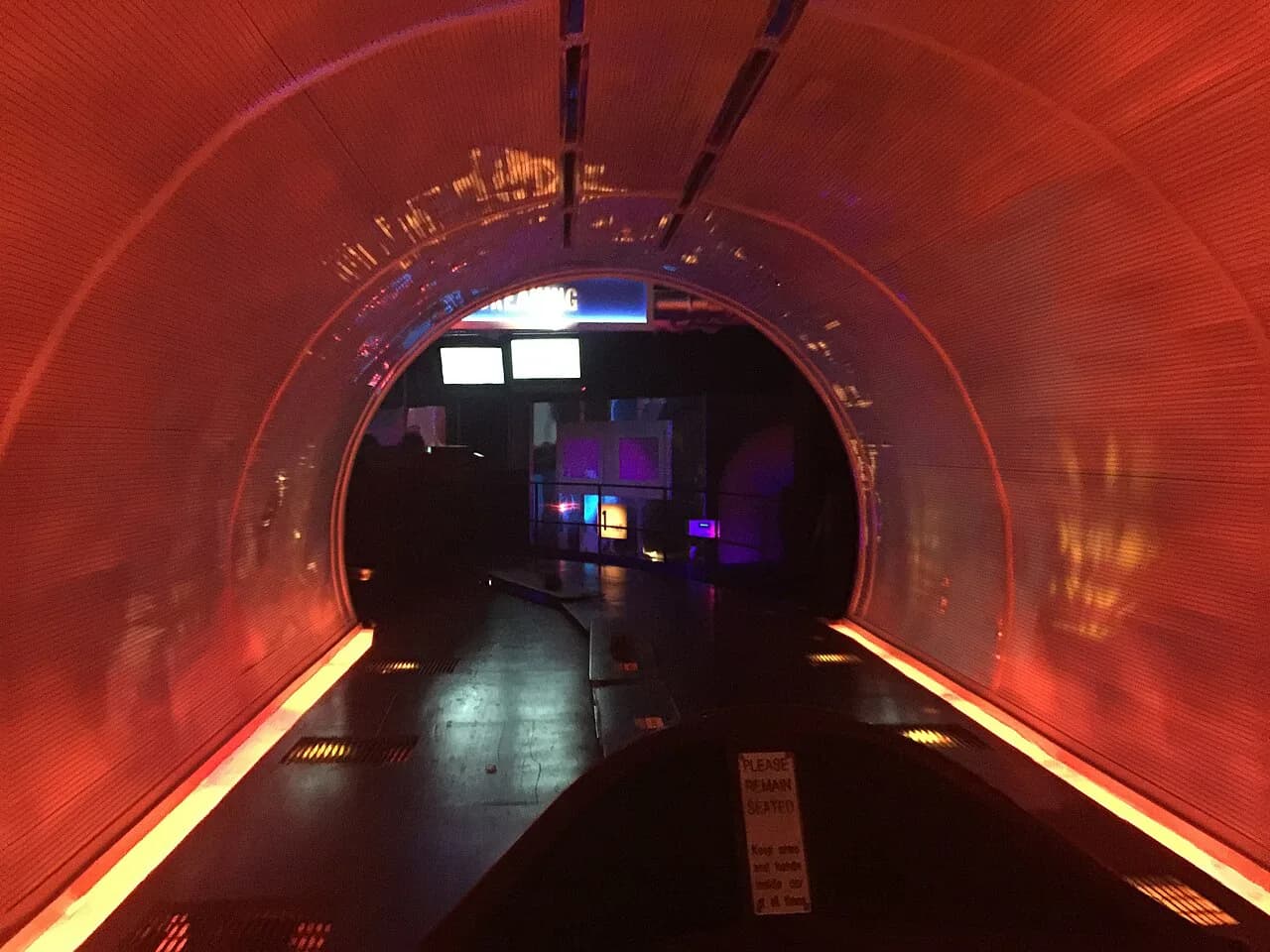
The Tactile Dome is for ages 7 and up, with crawl spaces in complete darkness. Since it's booked separately and sells out before general gallery slots, reserve it immediately upon arrival or ahead of your visit.
- Age limit: 7 and up, since the crawl spaces are tight, pitch-dark, and require real physical comfort with confined spaces.
- Reservation: booked separately from general admission, not automatically included with a regular ticket.
- Timing: dome slots tend to sell out first, so reserve early in the day or ahead of your visit if that option is offered.
- Cost: charged on top of general admission; check the Tactile Dome page on the official site for the current rate and available time slots.

Exploratorium Galleries for Kids: The Six Zones by Age
The Exploratorium spreads its six galleries across indoor floors and an outdoor pier deck. Each one skews toward a different age group and energy level, so scan the breakdown below before you set a route through Pier 15.
| Gallery | Best For | What to Expect |
|---|---|---|
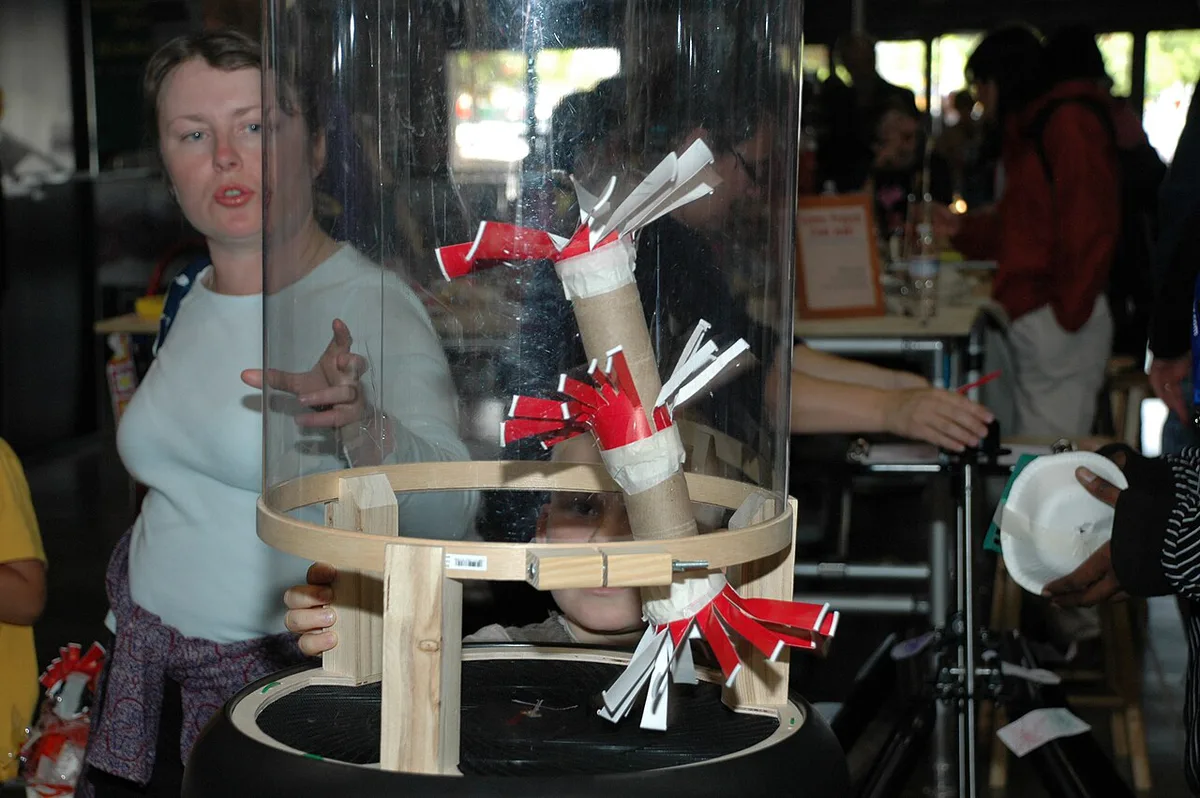
| Bechtel Central Gallery | All ages, especially preschool through early elementary | Light and color exhibits, plus an exhibit nicknamed the Toilet Water Fountain that demonstrates fluid dynamics. |
| Tinkering Studio | Kids who like building and hands-on tools | Open-ended construction stations; gets crowded by midday, so mornings work best. |
| Living Systems | Elementary age and up | Bay ecology displays plus the 2026 Life in Space exhibition, running June 11 through September 13. |
| Outdoor Gallery | Tweens, teens, and anyone who likes wind and water | Wind, tide, and Bay Bridge view exhibits; pack a jacket even in summer. |
- The remaining two galleries add perception and human-body exhibits; ask staff at the entrance for same-day highlights if time is short.
- Living Systems exhibits connect to STEM programming run through the Exploratorium's Teacher Institute, useful context for families visiting with school-age kids.
Exploratorium vs. California Academy of Sciences: Which One First?
Families choosing between San Francisco's two major science museums are really comparing two different subjects. The Exploratorium focuses on physics, perception, and hands-on tinkering, with exhibits about light, sound, and how the senses work. The California Academy of Sciences leans toward natural history and biology, with an aquarium, planetarium, and rainforest habitat. Kids who like building and testing ideas tend to prefer the Exploratorium's open-ended stations. Kids drawn to animals and ecosystems often prefer the Academy instead. Both museums draw crowds on weekends, so check each site's current hours before committing a single day to both. Combined discount passes do not always cover both museums, so confirm ticket costs at each venue separately. Families with time for both sometimes pair an Exploratorium morning with outdoor time that afternoon at Golden Gate Park.
Sample Itineraries: Express Visit vs. Full-Day Deep Dive
How much time you need depends on how many galleries you want to cover and whether the Tactile Dome makes the list.
- 2-Hour Express Route: Start at Bechtel Central Gallery, hit two or three Tinkering Studio stations, then finish outdoors for Bay Bridge views.
- Full-Day Deep Dive: Add Living Systems and the Life in Space exhibition, break for lunch at SeaGlass Restaurant, then close with the Outdoor Gallery before the museum closes.
- Field-trip-adjacent visits: Reserve Tactile Dome slots first, since they tend to sell out before the general galleries fill up.
- Multi-day trips: Fold this stop into a broader San Francisco family itinerary that spans several days.
Where to Eat: SeaGlass Restaurant, Seismic Joint Cafe, or Bring Your Own
Two on-site dining options cover different budgets and paces. SeaGlass Restaurant is the sit-down option with Bay views, suited to a full-day visit built around a proper lunch break. Seismic Joint Cafe is the faster, casual option for a quick refuel between galleries. Outside food and water bottle policies can change, so confirm the current rule with staff at the entrance before you pack a lunch. Budget-conscious families should treat that check as a first stop, since it decides whether you need a SeaGlass or Seismic Joint budget at all, or whether a packed lunch works instead. Bringing your own snacks also helps with dietary restrictions, particularly for younger kids who might not eat museum cafe options.
Getting to Pier 15: Transit, Parking, and Nearby Wharf
Pier 15 sits on the Embarcadero, and the F-Market and Wharves heritage streetcar line runs along the waterfront toward the museum. Parking near Pier 15 is limited and priced at a premium, and street parking along the Embarcadero fills fast. Compare a paid garage rate against the streetcar fare before you decide. For most families, the streetcar works out cheaper and skips the parking search entirely. Some families combine the visit with a ride on San Francisco's cable car lines earlier in the day. After the museum, many families walk over to Fisherman's Wharf and Pier 39 for lunch or sea lion viewing, since the route follows the Embarcadero waterfront the whole way. Families adding Alcatraz to the day can check Alcatraz Island ferry details for planning notes, since those tours run on a fixed ferry schedule and are best booked separately.
Mistakes to Avoid and Tips for a Smooth Visit
A few small planning choices make the difference between a smooth Exploratorium visit and a crowded, frustrating one.
Storytime Science sessions pair picture-book read-alouds with activities for ages 6 to 10, running Saturday afternoons at noon–1 p.m. and 2–3 p.m. These sessions suit younger kids within the museum's best-fit age range.
- Skip weekday mornings during the school year if you can; field-trip groups fill the galleries fast, and school reservations open well ahead of the visit.
- Book Tactile Dome slots as soon as you arrive, or in advance if that option is offered, since they go first.
- Pack a jacket even in summer; the Outdoor Gallery sits open to Bay wind and can run cold.
- Do not plan a Thursday evening visit expecting a family-friendly crowd; After Dark nights are 18+ only.
- Use Storytime Science sessions if you have a child ages 6 to 10; recent Saturday sessions ran from noon to 1 p.m. and 2 to 3 p.m., pairing a picture-book read-aloud with a related activity.
- Arrive close to opening time on weekends and holidays, when lines tend to build fastest at the entrance.
Two Easy-to-Miss Galleries: Human Phenomena and Bay Observatory
Do not leave after the four headline zones. Two quieter galleries complete the Exploratorium’s six-gallery layout and offer a useful change of pace.
Human Phenomena explores memory, cooperation, emotion, and social behavior through experiments involving other visitors. It suits school-age children who enjoy puzzles about how people think and interact. Some activities work better with siblings or adults, making this gallery useful when independent tinkering loses its appeal.
The Fisher Bay Observatory houses the Observing Landscapes gallery. Its windows overlook San Francisco Bay, Treasure Island, and the Bay Bridge. Exhibits connect weather, tides, geography, and human development to the landscape outside.
- Visit Human Phenomena when children still have energy for interactive challenges.
- Save the Bay Observatory for a calmer break after the busy Tinkering Studio.
- Allow extra time for the waterfront views, especially when fog or changing light alters the scene.
For trip-planning details, see Exploratorium official site.
Further reading: San Francisco on Wikivoyage · San Francisco on Wikipedia
Frequently Asked Questions
What age is the Exploratorium best for?
The hands-on format works best for kids roughly 6 to 12 years old, since they can read exhibit instructions and run experiments on their own. Toddlers and preschoolers have the lower-key Curiosity Corner area, while teens tend to gravitate toward perception exhibits and the Tactile Dome.
Do you need a reservation for the Tactile Dome?
Yes. The Tactile Dome is booked separately from general admission and is limited to ages 7 and up because of the tight, pitch-dark crawl spaces. Check the Tactile Dome page on the official site for current time slots and pricing before your visit.
Is Exploratorium After Dark okay for kids?
No. After Dark runs Thursday evenings and is restricted to guests 18 and older, so plan a daytime visit instead if children are coming along.
How much time should you plan for a visit with kids?
Budget about two hours for an express route through the most iconic exhibits near the entrance, or a full day if you want to add Living Systems, the Life in Space exhibition, and a sit-down lunch at SeaGlass Restaurant.
Is the Exploratorium or California Academy of Sciences better for kids?
It depends on what your kids like. The Exploratorium focuses on physics, perception, and tinkering, while the California Academy of Sciences leans toward natural history, an aquarium, and a planetarium.
Is parking available near the Exploratorium?
Parking near Pier 15 is limited and priced at a premium, and street parking along the Embarcadero fills quickly too. Most families take the F-Market and Wharves streetcar instead, since it generally works out cheaper than a nearby garage.
Free guide: Stress-Free Flying with Kids
The pre-flight checklist, carry-on packing list, and in-flight survival plan we use on every family trip — from toddlers to teens.
You might also like


Continue reading
More guides you'll find useful