First Family Trip With Baby: Planning Guide & Best Destinations
Planning your first family trip with a baby? Learn how to pick a destination, pack the right gear, and handle the first flight or road trip.
On this page
The Ultimate Guide to Your First Family Trip With a Baby
Last updated July 2026, this guide breaks down how to plan a first family trip with a baby without turning it into a vacation from the vacation. You'll get an age-based framework for choosing when to go, a practical checklist for judging whether a destination is actually baby-friendly, and a packing list built around what a baby's first trip really needs. The core rule from experienced traveling parents: minimize variables — a flight under three hours or a one-tank drive, familiar food, mild weather, and lodging with a separate sleeping space for the baby.
Free guide: Stress-Free Flying with Kids
The pre-flight checklist, carry-on packing list, and in-flight survival plan we use on every family trip — from toddlers to teens.
When to Take Your First Family Trip With a Baby
The easiest window for a first family trip with a baby is often the newborn "potato phase," before the baby is mobile. A baby who isn't crawling yet mostly eats, sleeps, and rides in a carrier, so there's less to chase across a hotel room or a gate area. Once your baby starts crawling or pulling up to stand, travel gets more physical. You'll child-proof floor space, watch stairs and pools more closely, and switch to a stroller that can handle uneven ground. Toddlers add a third variable: nap resistance and a strong opinion about sitting in a car seat for hours.
For the actual first trip, keep the ambition low. A flight under three hours or a one-tank drive gives you a real test run. You won't be betting a longer vacation on how your baby handles a new time zone and unfamiliar food. Some parents skip the local test run entirely and go straight for a long-haul flight. The reasoning is simple: a baby too young to remember the trip is also too young to fight the itinerary. That approach can work, especially with a newborn who sleeps through most of a flight. It also raises the stakes if something goes wrong. A missed connection or a mid-flight meltdown is harder to manage without a familiar bed nearby. If a night closer to home would settle your nerves first, try a practice run instead. Backyard camping with kids tests your gear and routine with your own bed a few steps away. If you're timing the trip around a school break, timing around school holidays helps you dodge the busiest travel dates.
The Baby-Friendly Destination Framework: What Actually Matters
Most first-trip advice defaults to "Disney or beach," but that skips the details that actually make or break a week with an infant. Before you book, run any destination through four practical filters instead of guessing.
All-inclusive resorts and cruises solve the four-filter framework: built-in infrastructure (cribs, strollers), supply access (meals, baby items), and cultural support (staff help during meals). They eliminate first-trip destination guesswork by pre-bundling each filter.
Infrastructure matters more than it sounds. A destination with flat, paved sidewalks and elevators at transit stations lets you cover ground with a stroller instead of carrying it. A destination built around cobblestone lanes, walk-up apartments, or stairs-only subway stations turns every outing into a workout. None of this shows up in a typical destination listicle. That's exactly why it's worth checking before you book, not after you land. For a broader framework on matching a destination to your kids' ages, see the family travel guide hub.
| Factor | What to Check |
|---|---|
| Infrastructure | Paved, stroller-friendly sidewalks vs. cobblestone streets and stairs-only metro stations |
| Health & Safety | A hospital or pediatric clinic within a short ride of where you're staying |
| Supply Access | Local supermarkets or pharmacies that stock diapers and formula, so you skip overpacking |
| Cultural Context | Whether babies are welcomed at restaurants and cafes, not just tolerated |
Passports and Paperwork for a Baby's First Trip
International travel requires a passport for every traveler, including a newborn. Apply as soon as you set a travel date, since a baby's passport application needs the same documentation and processing time as an adult's. If you're flying domestically in the U.S., a birth certificate is typically enough to confirm a baby's identity. Check the current TSA and airline policy before you fly, since requirements can change. Bring the baby's vaccination record on any international trip, especially if your pediatrician has flagged an additional vaccine or preventive medication for the destination.
Flying With a Baby: Lap Infant vs. Booking a Seat
On most airlines, a baby under two can fly as a lap infant at a reduced fare. Or you can book a separate seat and bring an FAA-approved car seat on board. A booked seat costs more but gives both of you more room on a multi-hour flight. On long-haul international routes, ask about bassinet-equipped bulkhead seating when you book. Bassinets attach to the bulkhead wall and hold a baby up to a set weight limit. Confirm the cutoff with the airline before counting on one for the full flight. Airlines tend to assign these seats on a first-come basis, so call the airline directly rather than relying on the app. Confirm baggage allowances and any infant fees through the airline's official infant travel policy, since these vary by carrier and route.
For a full boarding-to-landing walkthrough, read flying with a baby and before you board that flight.
The First Road Trip: Timing Around Naps and Stops
A car gives you more control over a first trip than a flight does. Time long stretches of driving around your baby's longest nap window. Build in a stop roughly every two hours for a diaper change and a stretch. Chain restaurants with big parking lots and simple menus work well for these stops. A Cracker Barrel stop is one example of turning a break into something the family looks forward to. For the full planning framework, see the Road Trip with Kids: A Survival Strategy and Top Family Routes.
Surprisingly Baby-Friendly Destinations Around the World
Some of the most baby-friendly destinations aren't the obvious ones. Based on user-reported experiences from traveling families, a few patterns show up again and again in destinations outside the usual resort circuit.
- Tbilisi, Georgia — restaurant staff reportedly hold babies or walk toddlers around the room so parents can eat, according to traveling families
- Fiji — guides and restaurant staff have carried babies on hikes and held them during meals, per parent-reported experiences
- Cuba — diapers and wipes are hard to find locally, so parents who've traveled there recommend packing enough supplies for the full trip
- Cyprus — some resorts run indoor soft-play centers with staffed child minding, letting parents take a food tour or a full dinner without the baby along
Easy-Mode Picks for a First-Time Family Trip
If a test run is the goal, an all-inclusive resort or a cruise removes most of the guesswork. One family's reported experience with Club Med's Punta Cana property in the Dominican Republic shows what an easy first trip can look like. A cruise offers a similar low-stress structure, with on-ship medical staff and a single unpacking for the week. Learn more in a cruise with kids. If a theme park fits your family better, planning a theme park trip walks through timing a first Orlando trip around nap schedules. For a wider set of vetted options across budgets, browse family-friendly destination picks.
- Cribs, baby food, and strollers included at the resort
- Age-grouped kids' clubs, so older siblings have their own activities
- Staff reported to help hold or watch the baby during meals
Essential Gear: What to Pack (and What to Leave Home)
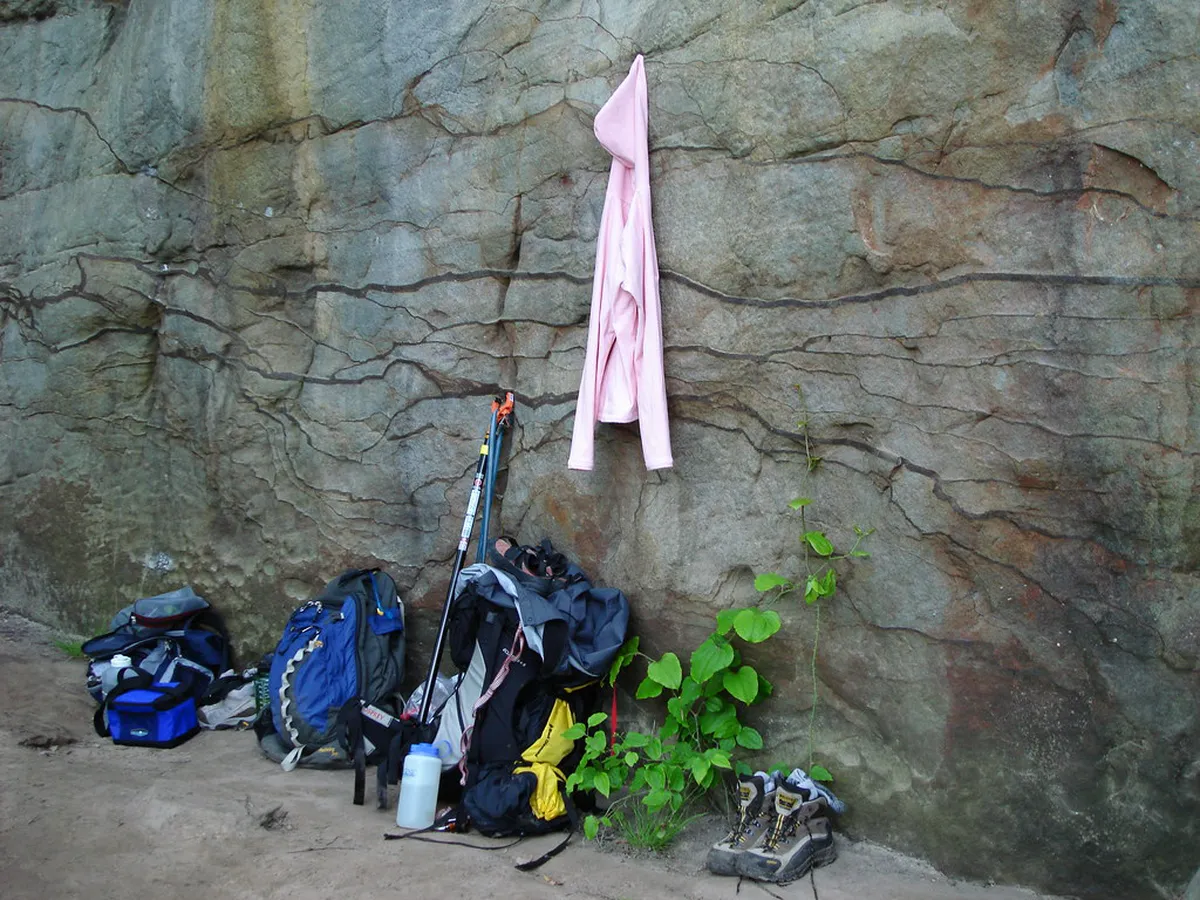
Less is more on a first trip. Extra bags slow you down through airports and rental car lots. Most of what you might need is available to buy at your destination. Focus on gear that solves one specific problem, and skip anything you can rent or buy on arrival. For the full checklist by trip length and travel mode, see the family packing checklist.
- Pack: a lightweight, gate-checkable travel stroller, such as the Babyzen YOYO, that folds with one hand
- Pack: a structured baby carrier for airport lines, cobblestone streets, or trails where a stroller can't go
- Pack: a portable, battery-powered sound machine to recreate a familiar naptime environment
- Pack: a few sealable bags for soiled outfits, kept in the carry-on, not the checked bag
- Skip: a full-size crib — most hotels and rentals provide one on request
- Skip: a diaper bag stocked for a month — stores at your destination sell the same brands
- Skip: an oversized stroller too wide for a standard airplane aisle
Common First-Trip Mistakes to Avoid
A first trip with a baby usually fails for predictable reasons, not bad luck. Watch for these mistakes.
- Over-scheduling: build the day around one activity, not three. A baby's nap schedule will not bend to your itinerary
- Assuming the room is baby-ready: confirm crib availability and tub access — a shower-only bathroom makes bath time harder
- Skipping the outfit backup: pack at least one full spare outfit for the baby in the carry-on for blowouts, spills, and diaper leaks mid-flight
- Ignoring time zone shifts: give your baby several days to adjust sleep and feeding schedules before expecting them to follow your itinerary's clock
Budgeting for Your First Trip With a Baby
A baby adds line items to a travel budget that are easy to miss when you're pricing flights and hotels. International lap-infant fares often carry separate taxes and fees, even when the seat itself is free. Confirm this through the airline's official infant travel policy at booking, not after. Weigh the rental cost against the hassle of checking oversized gear. A crib rented at the destination is one less item to wrestle through security. Rentals aren't guaranteed during peak travel weeks. Confirm availability before your trip, not after you land without one. For a category-by-category breakdown, see budgeting for family travel.
Packing day-one supplies and backup outfits in carry-on avoids costly same-day supply runs or gear rentals. While destination stores stock necessities, first-arrival rushing conflicts with baby's adjustment schedule.
- International lap-infant taxes and fees, charged even when the baby doesn't get a seat
- Gear rental — crib, stroller, or car seat — at the destination vs. checking your own
- An extra checked bag if you bring a full-size car seat instead of a gate-check model
- A same-day supply run for diapers, wipes, or formula, instead of packing for the whole trip
Destinations to Skip With a Baby (For Now)
Some destinations are workable with a baby, but not for a first trip. None of these are impossible — they're just harder than they need to be while you're learning what your baby needs on the road. Skip these until your kids are a little older. If a winter trip is the plan instead of a beach or city break, snow travel works differently. See planning a ski trip on a budget for the gear and lodging trade-offs specific to snow.
- Nightlife-centric cities where the main activities are late dinners and bars, with few quiet, stroller-friendly daytime options
- Metro systems with stairs-only stations and no elevators, where you'd carry a stroller up multiple flights on every ride
- Multi-country itineraries that pack in a new hotel every one or two nights
Taking a Baby on a Work Trip
Not every first trip is a vacation. If a baby's first trip is tied to a work commitment, treat childcare as a separate line item from the moment you book. Confirm in advance whether the hotel offers babysitting referrals or a quiet space to nurse or pump between meetings. Line up a partner, relative, or hired caregiver to cover the hours you're in sessions. Build buffer time around meetings instead of scheduling them back-to-back, since a diaper blowout or a feeding delay doesn't pause for a calendar invite. If a caregiver is traveling with you, confirm they're comfortable navigating the destination alone, in case a session runs long. Managing a business trip with kids covers how to structure the logistics so work commitments and a baby's schedule don't collide. For more planning frameworks across ages and trip types, browse more family travel tips.
Plan Your First 24 Hours Around Supplies and Care
Before you leave, mark three practical stops near your lodging: a supermarket, a pharmacy, and a pediatric clinic or hospital. In London that might mean a Boots or Tesco Express; in Paris, a green-cross pharmacie and a Monoprix; in Tokyo, a Matsumoto Kiyoshi drugstore or larger supermarket near a train station. The point is not to shop for the whole trip on arrival, but to know where normal baby supplies live before you need them.

Pack enough diapers, wipes, formula, and medication for the travel day plus the first full day, then buy bulky refills locally once you have settled in. If your baby uses a specific formula, bring extra or photograph the label and ingredients so a pharmacist can help you compare options. For international trips, save the address and phone number of the nearest children's hospital or urgent-care clinic offline, and ask your pediatrician what symptoms should trigger a same-day visit while away.
For trip-planning details, see CDC Travelers' Health: traveling with children and FAA on child restraint systems.
Frequently Asked Questions
What's the best age for a first family trip with a baby?
There's no single best age. Many parents find the newborn "potato phase," before the baby is mobile, works well. So does the window after six months, once feeding and sleep settle into a pattern. The harder stretch tends to be early crawling and early walking, when babies want to move constantly and resist being contained.
Should your first trip with a baby be a flight or a road trip?
A one-tank drive or a flight under three hours both work as a low-risk test run. Choose based on what's available near you and how your baby handles a car seat versus a new environment.
How many extra outfits should you pack for a baby's first trip?
Pack at least one full spare outfit for the baby in your carry-on, not the checked bag, to cover blowouts, spills, or diaper leaks mid-flight or mid-drive.
Do babies need their own airplane seat?
Not necessarily. Most airlines let a baby under two fly as a lap infant at a reduced fare. Or book a separate seat and bring an FAA-approved car seat on board. Check the airline's official infant travel policy, since fees and baggage rules vary by carrier.
Is a practice trip worth doing before a baby's first real vacation?
A short practice run tests your gear and routine while you're still close to home. Try a night of backyard camping or a one-tank drive to a nearby hotel. It's a low-stakes way to find gaps in your packing list before a longer trip.
Does a baby need a passport for international travel?
Yes. Every traveler, including a newborn, needs their own passport for international trips. Apply as soon as you set a travel date, since a baby's application requires the same documentation and processing time as an adult's.
Free guide: Stress-Free Flying with Kids
The pre-flight checklist, carry-on packing list, and in-flight survival plan we use on every family trip — from toddlers to teens.
You might also like


Continue reading
More guides you'll find useful