Backyard Camping with Kids: Packing List, Gear, and a Bail-Out Plan
Backyard camping with kids, planned right: a packing list, gear-vs-household swaps, campfire food, activities, and a bail-out plan for a stress-free trial run.
On this page
Backyard Camping with Kids: Ideas, Gear, and Pro Tips
Last updated July 2026. Backyard camping with kids turns a Saturday into a low-risk trial run for a first road trip or a night at a real campground. This guide covers the gear, a full packing list, campfire food, and a bail-out plan for when someone wants to go back inside.
Free guide: Stress-Free Flying with Kids
The pre-flight checklist, carry-on packing list, and in-flight survival plan we use on every family trip — from toddlers to teens.
Why Backyard Camping With Kids Works as a Travel Trial Run
Backyard camping with kids removes the two biggest risks of a first real camping trip: a long drive and no easy way out. Kids sleep in a tent, layer up in a sleeping bag, and test whether outdoor noises bother them, all while the back door stays unlocked. That setup turns a single night into a low-stakes rehearsal for the parts of travel that usually go wrong first. A family road trip means hours in a car seat and a different bed every night. A family ski trip on a budget means cold-weather sleep gear has to actually work, not just look warm in the store. A first national park trip adds campground check-in windows, shared bathhouses, and quiet hours a kid has never had to follow before. A backyard trial run surfaces problems early, like a sleeping bag that isn't warm enough or a kid who can't sleep without a nightlight. The fix is still ten feet away. Try the same bedtime routine used at home, but in the tent, and note what breaks down: the extra sound, the different pillow, or the missing hallway light. For a broader look at getting kids ready for travel beyond one backyard night, see this family travel tips hub.
The Backyard Campsite Setup: Gear vs. Household Substitutes
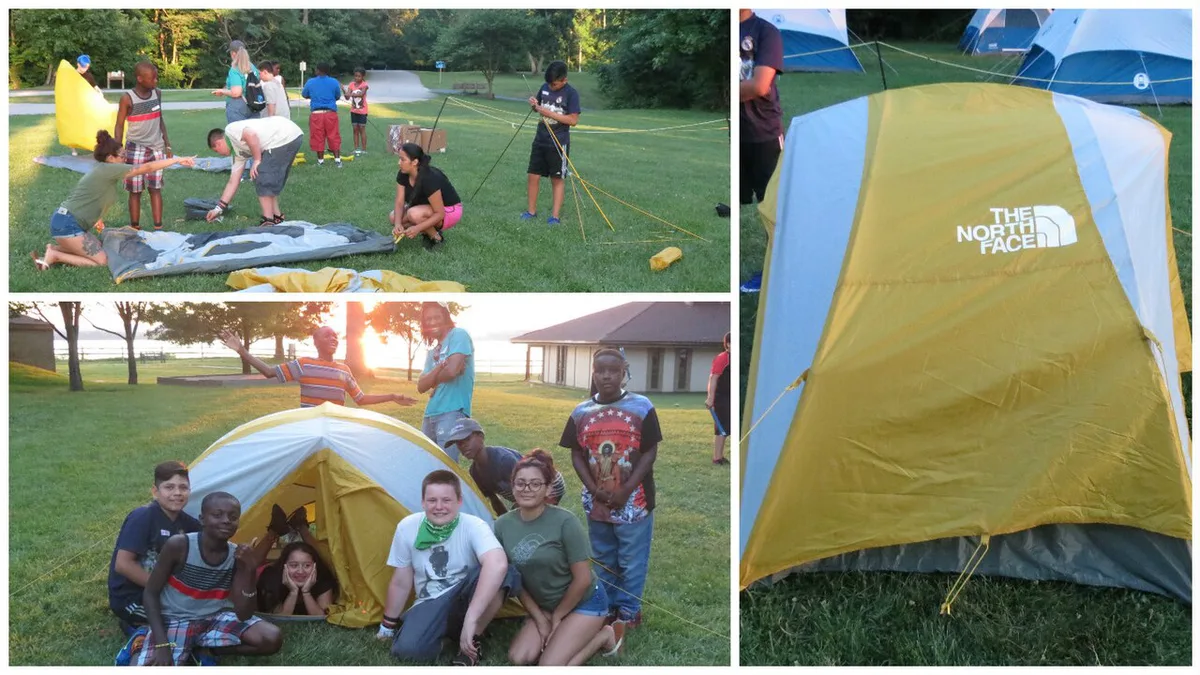
Every backyard campsite needs the same basics as a real site: shelter, a sleeping surface, warmth, and light. A backyard trip lets a family test store-bought gear against items already in the house before spending money on a full kit. One detail experienced campers flag often: choose a tent tall enough to stand in and wide enough to store gear inside, since kids need room to play if rain keeps everyone zipped in instead of by the fire. Use the table below to decide what to buy now and what to borrow from the linen closet. Backyard camping is also the cheapest way to test gear before a bigger purchase. Pitch a borrowed or rented tent for one night to check headroom and setup time before buying one outright. A tent that takes ten minutes to pitch in the yard in daylight will take longer in a campground lot after dark.
Use household items to test camping gear before buying a full kit. If a tent passes the backyard trial, pack it unchanged for the real trip. If a sleeping bag fails, upgrade before departure—not during travel when better options aren't available.
| Setup Item | Camping Gear Version | Household Substitute |
|---|---|---|
| Shelter | 2-3 person tent with standing room | Blanket fort or a pop-up canopy near the back door |
| Sleeping surface | Sleeping pad or air mattress | Yoga mats stacked under a folded duvet |
| Warmth | Rated sleeping bag | Layered sheets, blankets, and a duvet |
| Light | Battery lantern and a headlamp per kid | String lights run on an outdoor extension cord |
| Bug control | Citronella candles and repellent spray | Mosquito-repellent pouches clipped near the tent door |
Essential Backyard Camping Packing List
This packing list covers the same categories as a real campsite: sleep, light, food, and comfort. Group everything into one bin so it is easy to find and easy to reuse on a real trip later. Check it against the The Ultimate Family Packing List for 2026: Checklist by Trip Type for what a longer trip adds on top, like a camp stove, water filtration, or food storage a backyard trip does not need. Pack the go-bag last and leave it by the back door. If the bail-out plan kicks in at 2 a.m., no one has to hunt for shoes or a phone charger in the dark.
- Tent with standing room for at least two adults
- Sleeping bags or layered blankets rated for the forecast
- Yoga mats or an air mattress for cushioning
- Pillows from inside the house
- String lights or a battery lantern, plus a headlamp for each kid
- Glow sticks for after-dark games
- Citronella candles and insect repellent spray
- Foldable camp chairs, including kid-sized ones
- A cooler stocked with drinks and snacks
- Flashlights for flashlight tag
- A few favorite books for bedtime reading
- A go-bag with a change of clothes staged by the back door
Backyard Camping Activities: From Day to Night
Backyard camping activities split naturally into daylight and after-dark categories. Daytime activities burn energy before the sun goes down. Nighttime activities lean into the novelty of being outside past normal bedtime, which is often the actual highlight for a kid. The National Wildlife Federation's Great American Backyard Campout program is a useful source for more nature-based activity ideas, including scavenger hunt templates scaled for a yard instead of a park. For stargazing, a phone-based star app removes the guesswork; point the phone at the sky and it labels constellations and planets in real time, which works from a driveway as well as it does from a trailhead.
- Nature scavenger hunt: list leaves, rocks, and pinecones to find in the yard
- Fireside games played in camp chairs before dinner
- Stargazing with a star-identification app pointed at the sky
- Flashlight tag or hide-and-seek once it is fully dark
- Story time in the tent by lantern light
- Campfire storytelling with simple prompts, like a favorite childhood memory
The Campfire Menu: Easy Food and Snacks
Backyard camping food works best when it is assembled ahead of time so no one is prepping in the dark by lantern light. Build the menu around one hot dinner, one breakfast, and a dessert board that doubles as an activity. Prep the s'mores board and the hot dog toppings before the sun sets. Assembly stations keep kids occupied and cut down on trips back inside for forgotten ingredients, which also limits how often the back door has to open and close.
- Campfire kabob bar with meat and vegetable skewers assembled to order
- Hot dog board with buns, brats, and toppings roasted over the fire
- Campfire breakfast the next morning
- S'mores board with roasting sticks and a few flavor combinations beyond the classic
- Cooler packed with ice and kid-friendly drinks
Safety, Logistics, and the Bail-Out Plan
Kids sometimes want to go inside at 2 a.m., and that is part of the trial run, not a failure of it. Push through minor complaints, like being a little cold, if a sleeping bag and an extra blanket can fix it. Call it a night if a kid is genuinely scared, if the temperature drops below what the gear can handle, or if weather moves in. Set the criteria before bedtime, not in the middle of an argument at 2 a.m., so the decision does not turn into a negotiation once everyone is tired. Getting used to sleeping somewhere new is also useful practice for other trips; the same adjustment shows up on a plane, so Flying With Kids: A Practical Guide to Seats, Security, and In-Flight Survival gets easier once a kid has already handled one strange-bed night in the yard. Backdoor traffic needs a plan too. Designate one entry point, keep a towel or shoe tray there, and set a rule that the door stays shut between trips inside. This step matters more than it sounds: bugs, dirt, and cold air all use the same door as bathroom trips, and an open door for even a minute undoes the mosquito-free zone set up earlier. Check local ordinances before lighting any fire pit. Many residential areas restrict or ban open burning, and rules vary by city and season, so confirm with the local fire department before the trip. A five-minute check beats finding out the hard way mid-campout. Follow standard residential fire pit safety guidelines: keep the pit clear of structures, never leave it unattended, and keep a way to extinguish it close by.
Controlling back-door traffic protects both bug control and the novelty experience that makes bedtime outside appealing to kids. Pre-staged meals and a designated entry point let kids stay engaged without constant indoor trips that would undermine the setup.
- Go: clear skies, low wind, and overnight lows the sleeping bags are rated for
- Go: light rain if the tent has a rainfly and a dry backup spot indoors
- No-go: thunderstorms, high wind warnings, or lows well below what the gear can handle
- No-go: no clear plan for where everyone sleeps if the tent has to come down
Cost Comparison: Backyard Camping vs. a Traditional Campground
Backyard camping is close to free if the gear already exists in the house. Building a starter kit changes that math. Compare the two before deciding how much to spend, and see Family Travel on a Budget: 15+ Practical Ways to Save for how a low-cost weekend like this fits into a bigger travel budget. A typical backyard campout runs from Saturday afternoon setup to Sunday morning breakfast, roughly an 18-hour window that includes dinner, activities, sleep, and a slow morning with nothing to pack into a car. The time savings matter as much as the dollar savings. There is no drive to a site, no check-in window to hit, and no gear to reload in the morning.
| Factor | Backyard Camping | Traditional Campground |
|---|---|---|
| Gear cost | $0 using items already at home | $200+ for a starter tent and sleep gear |
| Travel time | None; the site is the yard | Drive time plus setup and breakdown at the site |
| Typical length | One overnight, Saturday afternoon to Sunday morning | Often two or more nights to justify the drive |
| Bail-out option | The back door | Packing up the car and driving home |
Transitioning From the Backyard to the Great Outdoors
Once a backyard trial run goes well, the next step is picking a real destination and booking the trip. Bring the lessons from the backyard into the next trip directly. If the tent passed the test, pack the same one. If the sleeping bag was not warm enough, that is the item to upgrade before the next trip, not during it. Each of these next steps builds on what backyard camping already proved: kids can handle a night away from their usual bed, with the right gear and a plan for when it does not go perfectly.
- Pick a destination: browse 10 Best Places to Travel with Kids: Top Family Destinations by Age and Season (2026) for options sorted by age and interest
- Build the itinerary: start with the Family Travel Guide 2026: Plan Smarter Trips With Kids for planning basics
- Plan the drive: check a family-friendly road trip stop to break up long stretches in the car
- Prep for flying: read before you board that flight if the next trip means air travel instead of a drive
A Saturday-to-Sunday Backyard Camping Itinerary
Keep the first backyard campout short and predictable: a Saturday afternoon setup, one overnight, and Sunday breakfast. Start around 3 p.m. by pitching the tent on the flattest part of the lawn, away from sprinklers, low branches, and the fire pit. Check the National Weather Service hourly forecast before kids carry bedding outside, then set up the shoe tray and bathroom route at the back door.
- 3-5 p.m.: tent setup, gear test, and a quick nature scavenger hunt.
- 5-7 p.m.: dinner prep, hot dogs or kabobs, and s'mores ingredients staged outside.
- 7-9 p.m.: glow sticks, flashlight tag, stargazing, and campfire stories.
- 9-10 p.m.: pajamas, bathroom trip, books, and lights-out routine in the tent.
- 7-9 a.m.: simple breakfast, dry the tent if needed, and pack the bin for the next trip.
This schedule gives kids enough novelty without turning the night into a full weekend production.
For trip-planning details, see National Park Service: camping.
Further reading: Travelling with children on Wikivoyage · Family travel on Wikipedia
Frequently Asked Questions
What age is right for backyard camping with kids?
There is no set minimum age. Base the timing on readiness signals instead, like whether a kid can fall asleep away from their usual bed and handle a night without indoor plumbing close by. Younger toddlers might only last part of the night in the tent before moving inside, and that still counts as a successful trial run.
How cold is too cold for backyard camping with kids?
Match the sleeping bag or blanket layers to the forecast, and lean warmer than seems necessary, since kids run cold faster than adults once they stop moving. If overnight lows are close to or below what the gear is rated for, treat that as a no-go and move the sleepover indoors, tent and all.
Do you need a real campfire for backyard camping?
A fire adds ambiance for s'mores and stories, but check local ordinances before lighting one. Many residential areas restrict or ban open burning, so confirm the rules with the local fire department first. Battery lanterns and string lights cover the light and mood if a fire is not allowed.
What if the kids want to come inside in the middle of the night?
Treat it as normal, not a failed trip. Push through minor discomfort, like being a little cold, with an extra blanket. Head inside if a kid is genuinely scared, sick, or if the weather turns, and count the backyard campout a success anyway, since the point was to learn what to fix before a real trip.
How much does backyard camping with kids cost?
It can cost close to $0 if the household already has a tent, blankets, and yoga mats to use as sleeping pads. Building a starter kit with a new tent and rated sleeping bags runs $200 or more, and that gear carries over directly to a real camping trip later.
Free guide: Stress-Free Flying with Kids
The pre-flight checklist, carry-on packing list, and in-flight survival plan we use on every family trip — from toddlers to teens.
You might also like


Continue reading
More guides you'll find useful