The Ultimate Family Camping Gear List: Essentials, Tips, and Checklist
A complete family camping gear list for 2026: shelter, sleep systems, kitchen gear, clothing layers, safety kit, and packing tips for camping with kids.
On this page
Family Camping Gear List: Everything You Need for a Stress-Free Trip
Last updated July 2026, this family camping gear list breaks essentials into systems so nothing gets left behind at the trailhead. Use it to decide what to buy first, what to borrow, and what to skip for a first family trip. Start with the quick checklist below, then work through each system for the reasoning behind every gear pick.
Free guide: Stress-Free Flying with Kids
The pre-flight checklist, carry-on packing list, and in-flight survival plan we use on every family trip — from toddlers to teens.
The Quick-Start Family Camping Gear List
This condensed family camping gear list covers the non-negotiables. Pack these items first, then build out clothing, entertainment, and comfort extras afterward.
- Tent sized one capacity rating above your family size
- Insulated sleeping pad and a warm sleeping bag per person
- Two-burner camp stove and fuel
- Rotomolded or hard-sided cooler plus a collapsible water jug
- Headlamp for each family member and a lantern for the site
- First aid kit stocked for kids
- Sun protection and insect repellent
- Trash bags and a mallet for tent stakes
Shelter and Sleep Systems: Sizing Up for the Whole Family
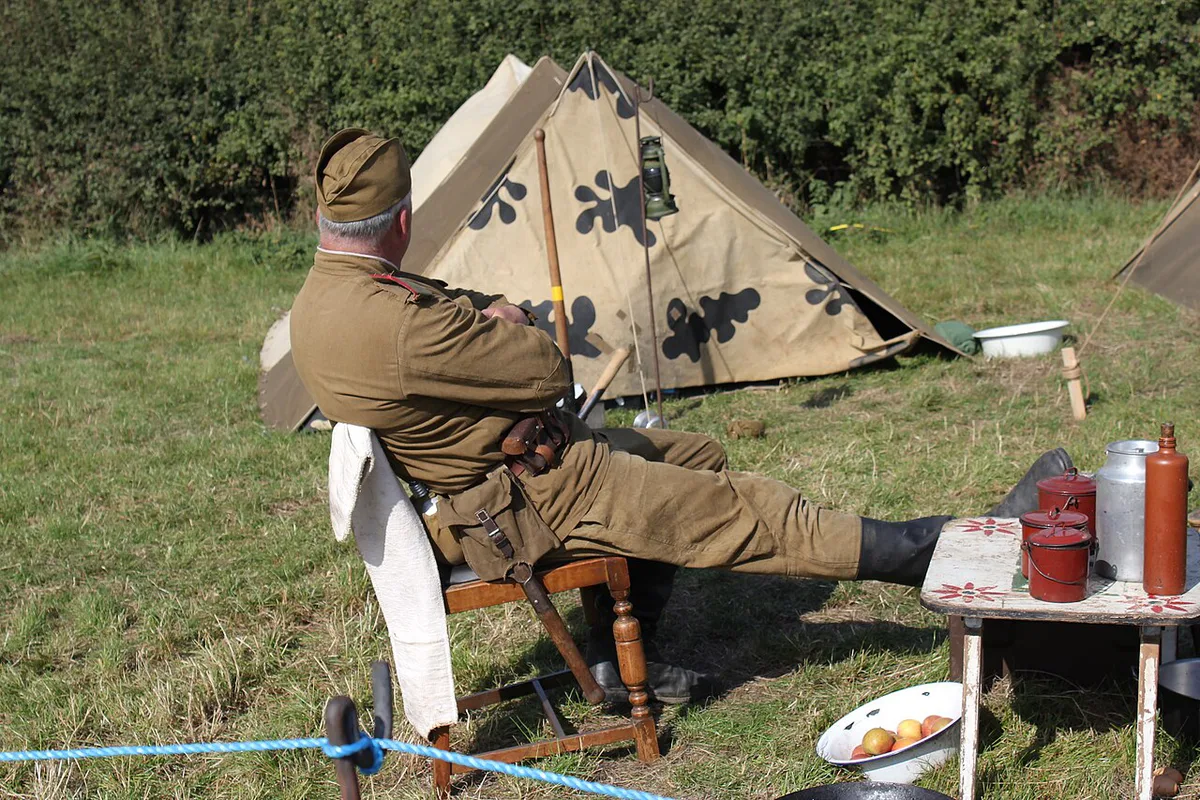
Shelter is where most first-time families overspend or underbuy. A four-person tent rated for four sleeping bodies leaves zero room for gear. Outdoor retailers commonly recommend sizing up one capacity rating, so a family of four does better in a six-person tent. That extra floor space holds bags, shoes, and a portable crib without crowding sleeping room. For an overview of how to structure the whole trip around kids, start with the family camping strategy guide. If pitching and striking a tent with young kids feels impractical, compare the trade-offs in camping versus cabin stays before buying shelter gear. Sleep quality matters more for kids than for adults, and the sleeping pad does more work than the sleeping bag. Insulated pads trap body heat against cold ground. Uninsulated air mattresses do not, even on mild nights. An air mattress is cheaper and packs flat, which makes it tempting for a first trip. A self-inflating, insulated pad costs more but holds up longer and sleeps warmer once the ground gets cold.
Camp Kitchen: Cooking, Food Storage, and Water for the Family
Camp kitchen gear determines whether the family eats well or struggles by day two. A two-burner stove lets one adult cook a hot side while another handles coffee or oatmeal. That speeds up mornings when kids are hungry and impatient. Pack food in stackable, labeled bins grouped by day, so meals are easy to find even in the dark. For food that keeps cold over a multi-day trip, a rotomolded cooler holds ice longer than a standard hinge-lid cooler. The upgrade is worth it for any trip past a single overnight.
- Pre-chill the cooler at home before loading it
- Pack it tightly with block ice at the bottom
- Keep a separate small cooler just for drinks
- Keep the food cooler closed as much as possible
Clothing and Layering: Managing Temperature for Kids
Kids regulate temperature less efficiently than adults, so layering matters more for them than for anyone else at camp. Skip cotton entirely. It stays wet once damp and pulls heat away from the body. Build each child's clothing around three layers instead.
- Moisture-wicking base layer against the skin
- An insulating mid-layer such as fleece
- A waterproof, not just water-resistant, outer shell
Health, Safety, and Hygiene Essentials
Health and safety gear needs updating for camping with young children, not just scaled down from an adult kit. Stock the first aid kit with children's-dose medication, tick removal tools, and blister care sized for small feet. Follow American Academy of Pediatrics guidance on sun protection and insect repellent for kids, since dosing and product choice differ from adult recommendations. Reapply sunscreen more often than the bottle suggests once kids are swimming or sweating through the day. If the trip is inside a national park or other regulated land, food storage rules often go beyond a standard cooler. Many parks require bear-resistant containers or designated storage lockers, and the requirement changes by location. Check the specific gear needs for regulated and remote sites in the national park camping guide for families before the trip.
The Happy Camper Kit: Entertainment and Comfort by Age
Gear needs shift by age, and packing for the youngest kid on the trip is not the same as packing for the oldest. Infants and toddlers need gear built around naps and containment, not entertainment.
- A portable crib or pack-n-play
- A compact high chair or clip-on seat
- A shaded play space away from the fire ring
Packing Logistics: Fitting a Family Gear List in the Car
Fitting a family's gear into one vehicle is its own project. Nest smaller items inside larger ones.
- Stuff sacks packed inside the cooler
- Cooking gear packed inside the kitchen bin
- Folded chairs stacked behind the back seat
Gear Trade-offs: Budget vs Performance
Not every item needs the premium version, and knowing where performance actually matters saves money on a first family camping gear list. Use price tiers instead of chasing a specific brand, since prices shift through 2026 and vary by retailer. Check current listings at outdoor retailers such as REI or manufacturer sites like Coleman and Big Agnes for exact tent floor dimensions and sleeping bag temperature ratings before buying.
Uninsulated air mattresses don't trap body heat even on mild nights; the upfront savings become a false economy except for single-night trips on warm ground.
| Gear | Budget pick ($) | Higher-performance pick ($$-$$$) | Worth upgrading when |
|---|---|---|---|
| Tent | Basic 3-season dome tent | 4-season or vestibule-equipped tent | Trips in shoulder-season cold or heavy rain |
| Sleeping surface | Air mattress | Insulated self-inflating pad | Camping on cold ground or more than a few nights a year |
| Stove | Single-burner stove | Two-burner stove with wind guard | Cooking for four or more people at once |
| Cooler | Traditional hinge cooler | Rotomolded cooler | Trips longer than a single overnight |
| Lighting | One shared flashlight | Headlamp per person plus a lantern | Any trip with more than one kid |
Common Mistakes to Avoid When Buying Family Camping Gear
A few mistakes show up again and again when families buy gear for the first time.
A kids' first aid kit must be separate and substantively different—it needs children's-dose medications, tick removal tools, and blister supplies sized for small feet.
- Buying a tent sized exactly to the family instead of one size up
- Skipping insulated sleeping pads because air mattresses look cheaper upfront
- Packing all-cotton clothing that stays wet once it rains or kids splash in it
- Forgetting a dedicated kids' first aid kit separate from the adult one
- Not testing new gear at home before the trip, including pitching the tent once
Camp Hygiene and Cleanup Gear
Families often remember the stove and forget the cleanup system. Pack hygiene gear as its own small bin, especially at busy campgrounds such as Yosemite Valley, Cades Cove, and Jenny Lake, where sinks or restrooms may be a walk from the site.
- Handwashing setup: water jug with spigot, biodegradable soap, paper towels, and hand sanitizer.
- Dish system: two small tubs, sponge, scraper, quick-dry towel, and a mesh bag for drying utensils.
- Waste control: heavy trash bags, zip bags for food scraps, and a lidded bin for odor control.
Do not wash dishes directly at the campsite spigot unless the campground allows it. Strain food scraps before disposing of gray water, and follow posted rules for dishwater disposal. In bear country, treat toothpaste, wipes, and scented trash like food. Store them in a locker, vehicle, or approved container.
For trip-planning details, see National Park Service.
Further reading: Travelling with children on Wikivoyage · Family travel on Wikipedia
Frequently Asked Questions
What is the most important gear for camping with a toddler?
Prioritize sleep and safety gear first. A portable crib or pack-n-play, a shaded play space away from the fire ring, and a stocked kids' first aid kit matter more for toddlers than any entertainment extras.
Should you buy a 4-person or 6-person tent for a family of four?
Size up. A six-person tent gives a family of four room for gear, shoes, and a portable crib without crowding the sleeping area, following the capacity-plus rule outdoor retailers commonly recommend.
How do you keep food cold for a 3-day family camping trip?
Use a rotomolded cooler, pre-chilled before the trip and packed tightly with block ice at the bottom. Keep a separate small cooler for drinks so the food cooler stays closed and cold air does not escape.
What are the must-haves versus nice-to-haves for first-time family campers?
Must-haves are shelter, sleep systems, a stove, a cooler, and safety gear. Camp chairs, lanterns, games, and specialty cookware are nice-to-haves that can wait until after a first trip confirms the family wants to camp again.
Where can you rent camping gear instead of buying it all?
Outdoor retailers such as REI and local outfitters rent tents, sleeping bags, and stoves by the weekend. Renting is a practical way to test gear before committing to a full family camping gear list purchase.
Free guide: Stress-Free Flying with Kids
The pre-flight checklist, carry-on packing list, and in-flight survival plan we use on every family trip — from toddlers to teens.
You might also like


Continue reading
More guides you'll find useful