Camping With Kids: 8 Practical Tips for a Stress-Free First Trip (2026 Guide)
A 2026 guide to camping with kids: a two-bin gear system, 5-day meal prep, age-specific tips, and where to stay for a stress-free first family trip.
On this page
8 Camping With Kids Tips for a Stress-Free First Family Trip
Last updated July 2026: camping with kids works best as a ladder, not a leap into a national park on day one. Start with a backyard trial run, then a state park within an hour of home, and save the marquee national park trip for round three. This guide breaks camping with kids into a practical tip list, a two-bin gear system, and a stay-by-stay comparison, so the first trip feels manageable instead of overwhelming.
Free guide: Stress-Free Flying with Kids
The pre-flight checklist, carry-on packing list, and in-flight survival plan we use on every family trip — from toddlers to teens.
Start With a Confidence Ladder: Backyard, State Park, Then National Park
Camping with kids succeeds or fails based on the size of the first leap. Jumping straight to a national park trip stacks unfamiliar gear, a long drive, and a new environment into one weekend. Any one of those can derail a first attempt on its own. A backyard trial run removes two of those variables at once. Pitch the tent, unroll the sleeping bags, and let kids sleep one night in the yard before anyone drives anywhere. That single night surfaces gear problems, such as a sleeping bag that runs too cold, while a walk back inside is still an option. Once that night goes well, book a state park within an hour of home for the real debut trip. Only after that trip succeeds should a marquee national park make the calendar. The camp style chosen for that debut trip matters as much as the destination. Deciding between a campground or a cabin depends on how much comfort the family needs before everyone is ready for a full tent setup. Families new to overnight trips sometimes start in a cabin or a rented RV site with a bed and a bathroom already built in, then graduate to tent camping once the routine feels familiar. Either path counts as progress up the ladder, as long as the difficulty increases one step at a time.
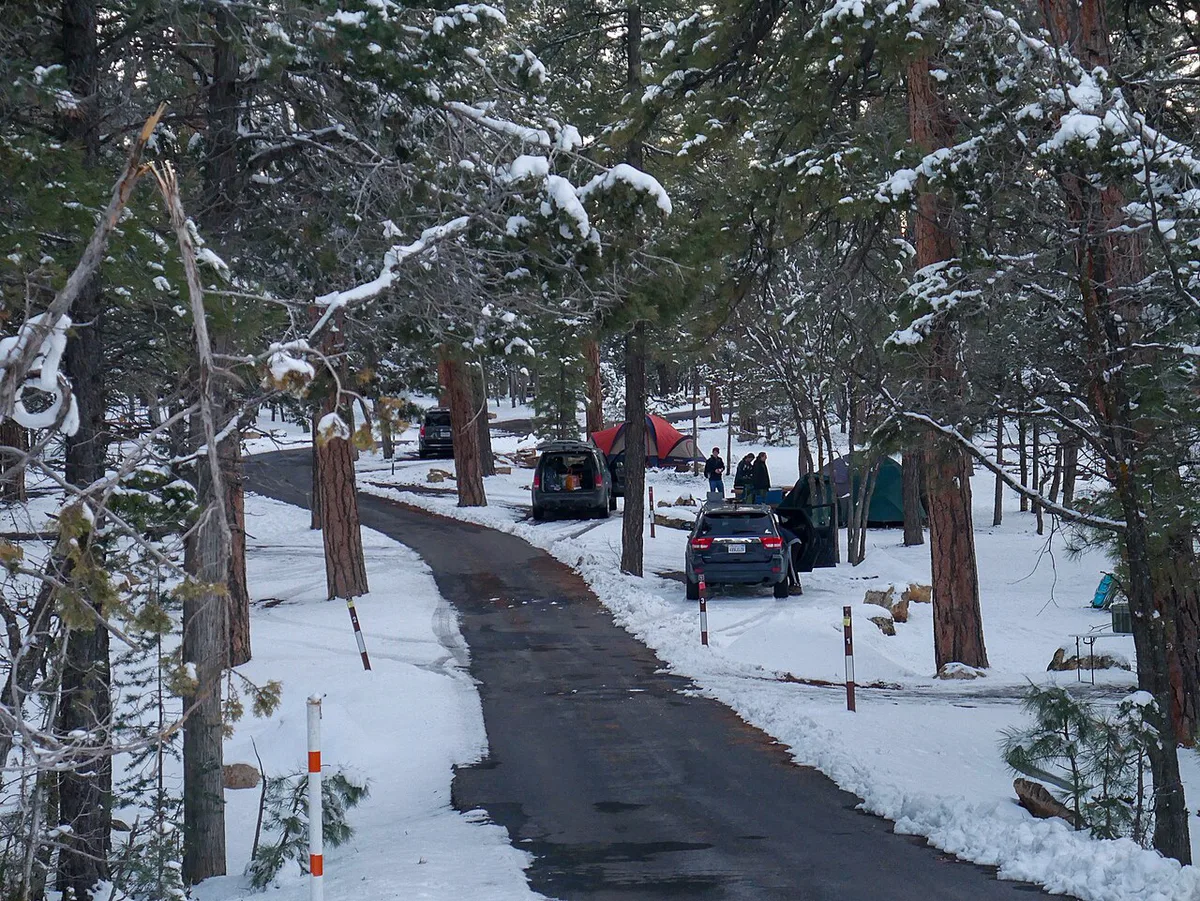
8 Camping With Kids Tips for Your First Family Trip
These eight tips cover the areas that make or break a first family camping trip: gear organization, meal planning, keeping kids occupied during setup, and safety basics that only matter once everyone is actually at the site. Work through them roughly in order, since the early steps make the later ones easier.
- Run a backyard trial night before you book anything
- Pitch the tent in the backyard or living room for one night before the first real trip.
- Test sleeping bags, headlamps, and how the kids handle sleeping away from their own bed.
- Fix problems here, where a bad night just means walking back inside.
- Pick a state park within an hour of home for trip one
- A short drive means an easy exit if a child melts down or the weather turns.
- State parks sit in the mid-cost, moderate-amenity range, with closer access to trails and water than most private campgrounds.
- Book the site a few weeks ahead rather than the day before, since weekend slots fill fast in summer.
- Save the national park trip for round three
- Move to a national park only after the backyard night and the state park weekend both go smoothly.
- As of 2026, many national parks require reservations made roughly six months out, so confirm the current booking window on the specific park's site before planning around it.
- National park camping fees tend to run lower than private campgrounds, but showers and hookups are often not included.
- Build a two-bin gear system
- Keep one plain bin for general gear and a separate airtight bin for food.
- An airtight pantry bin keeps moisture out and keeps raccoons and other wildlife from smelling food through the lid.
- Store the tent, sleeping bags, and cooler outside the bins so the whole system stays grab-and-go.
- Pack the camp kitchen as its own kit
- Group a cast iron pan, a small pot for boiling water, and a wash basin into one kitchen kit.
- Add dish rags, biodegradable soap, and a sponge, so cleanup does not require a special trip to a sink.
- Bring tongs and a heat-safe spatula, plus a grill grate for the fire pit if the site allows fires.
- Plan meals around one-pot dinners and no-cook backups
- Lean on one-pot dinners, like chili or foil-packet meals, that need one pan and one heat source.
- Freeze water bottles before the trip; they double as ice packs in the cooler and become drinking water once thawed.
- Keep a no-cook breakfast on hand, such as cereal or oatmeal, for mornings when kids do not want to wait.
- Give every kid a job during setup
- Assign roles like Stick Collector or Water Runner to fill the roughly 30-minute tent-pitching window.
- Start a campsite scavenger hunt as soon as the car is unpacked.
- A busy kid during setup is a kid who is not underfoot near stakes, mallets, or the fire ring.
- Lock down food storage and fire rules before dark
- Store all food, including snacks, in the airtight pantry bin and never in the tent overnight.
- Walk kids through the fire pit's edge as a no-go zone before the first fire is lit.
- Follow the National Park Service's Leave No Trace principles for food storage and waste, even at a private or state-run site.
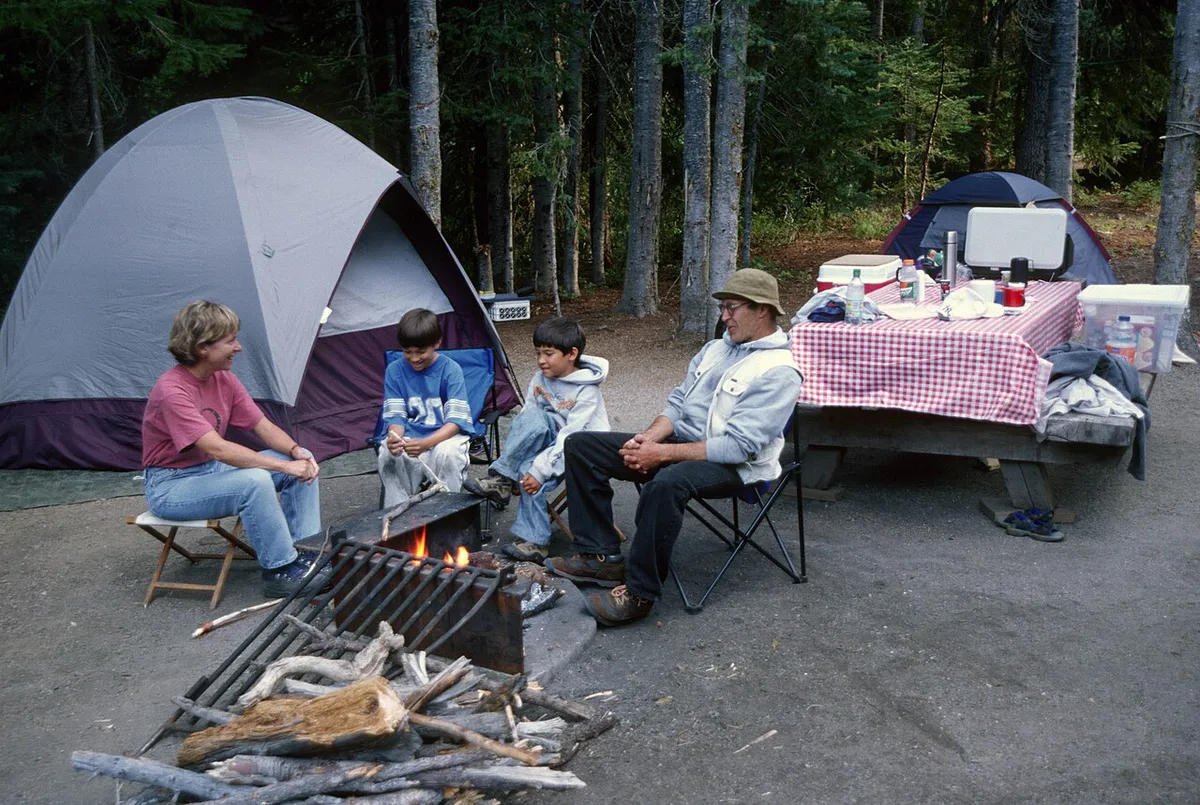
Where to Stay: State Park vs Private Campground vs National Park
Where a family camps changes the experience as much as how the gear is packed. Private campgrounds, state parks, and national parks trade cost against amenities and bucket-list value in different ways, and the right pick often shifts as a family moves up the confidence ladder. First-time families tend to start with a private campground or a state park, since both usually offer a real bathroom and a shorter drive if the trip needs to end early. Once the backyard night and the state park weekend both work, use a dedicated national park camping guide to plan the logistics unique to bigger parks, including that longer reservation runway. Many national parks now open camping reservations months ahead, so confirm the specific park's current booking window before locking in dates, especially for a peak summer weekend.
National parks require reservations made months to six months ahead, so families must book during their first or second trip even though the confidence ladder recommends visiting on the third trip.
| Option | Typical Cost | Amenities | Best For |
|---|---|---|---|
| Private campgrounds | High | Showers, wifi, playgrounds | First-time families who want a safety net |
| State parks | Mid | Some showers, marked trails, moderate amenities | Families wanting closer nature access |
| National parks | Low nightly fee | Minimal, often no showers or hookups | Families ready for a bigger trip after two successful outings |
The Two-Bin Gear System: Gear Bin vs Airtight Pantry Bin
The two-bin system keeps a car trunk from turning into a pile of loose gear searched item by item after dark. One bin holds general living and sleeping items. The second bin is airtight and holds only food and pantry items, which matters for two reasons: it keeps moisture out during a rainy trip, and it keeps raccoons and other wildlife from smelling dinner through the lid overnight. A dedicated The Ultimate Family Camping Gear List: Essentials, Tips, and Checklist breaks the full packing list down by category: sleeping, kitchen, and hygiene. When the trip ends, only the items that need washing come out of the bins. The rest goes straight back into the closet, still packed for the next trip.
- Gear bin
- Flashlights, a lantern, headlamps, spare batteries, bug spray, sunscreen, toilet paper, and biodegradable soap.
- Pantry bin (airtight)
- Salt and core spices, cooking oil, instant coffee, shelf-stable milk, and no-cook backup meals.
- Stored separately, not in either bin
- Tents, tarps, sleeping bags, the cooler, camp chairs, and the camp stove.
Campsite Meal Planning: The Pantry-Bin Method
Meal planning for camping with kids works best when prep starts about five days before departure, not the morning of. Shelf-stable pantry items go into the airtight bin days ahead and stay there until the trip. Perishables wait until the night before, then ride in the cooler on ice. One-pot dinners cut cleanup to a single pan, such as chili in a dutch oven or foil packets cooked right in the coals. For dinners built specifically around what kids will actually eat, a dedicated Campfire Food for Kids: Easy Recipes and Prep-Ahead Tips guide lists one-pot meals and s'mores variations that hold up at a campsite. Breakfast should not require patience from a hungry child, so keep cereal, oatmeal, or yogurt and granola on hand with zero cook time needed.
- Five days out
- Shop for shelf-stable pantry items and any spices or condiments the meals need.
- Two to three days out
- Pre-cook and freeze anything that reheats well, such as taco meat or chili.
- The night before
- Pack the cooler with perishables, ice packs, and water bottles frozen solid.
- Why frozen water bottles help
- They chill the cooler on the drive, then thaw into drinking water by day two.
Age-Specific Tactics: Toddlers vs School-Age Kids
Toddlers and school-age kids need different camping plans, even on the same trip. For toddlers, prioritize a sleeping setup that matches how they already sleep at home, whether that is a portable crib, a toddler sleeping bag, or a full-size bag folded to fit. Pick a site with a clear boundary away from a road, a steep drop, or open water, since a toddler will wander the moment attention shifts to setting up the tent. Potty training or diaper changes are easier with a wash-basin station set up right next to the tent, rather than a walk to a shared bathroom every time. School-age kids can take on real jobs during setup and cleanup, such as Stick Collector or Water Runner, and can usually handle a longer hike and a later bedtime built around stargazing. They also do better with some say in the plan; letting a school-age kid choose the campfire game or the next day's trail builds buy-in for the whole trip. In our editorial assessment, the right age to start camping with kids has less to do with a specific birthday and more to do with whether a child can settle for a night away from their usual room. A successful backyard trial run is the clearest signal of that readiness.
Tent setup takes 30 minutes, during which toddlers naturally wander; campsites with clear boundaries away from roads and water are critical because they match this specific safety window.
Safety, Food Storage, and Bathroom Realities
Food storage is the most common safety gap on a first trip. Keep all food, including snacks, in the airtight pantry bin, and never leave any of it inside the tent overnight. A food smell inside a tent is exactly what draws the wildlife encounter the bin system is meant to prevent. Pack out every wrapper and wipe down cooking surfaces after each meal, following the National Park Service's Leave No Trace principles for food and waste. Insects are a bigger everyday risk than wildlife on most trips. Apply repellent before hikes, check kids for ticks at bath time, and follow the CDC's guidance on tick prevention for time spent in wooded areas. Bathroom realities differ by where a family stays. Private campgrounds and most state parks have flush toilets and showers, while many national park campgrounds only offer vault toilets with no showers at all. A wet-wipe bath at the picnic table covers hygiene on nights without a shower, and a headlamp kept by the tent door makes a middle-of-the-night bathroom run manageable for a half-asleep kid. Pack a basic first aid kit with a few kid-specific additions, and know before departure how far the nearest ranger station or urgent care sits from the site.
- Adhesive bandages
- Sized for small scrapes, in a couple of sizes.
- Children's pain reliever
- Dosed for their current weight, checked before the trip.
- Tweezers
- For splinters or ticks found during an evening check.
- Emergency info card
- Known allergies and an emergency contact, kept with the first aid kit.
Common Mistakes to Skip on Your First Camping Trip
A handful of avoidable mistakes account for most bad first trips, and none of them require better gear to fix. Most come back to sequencing. Camping with kids gets easier when distance, unfamiliar gear, and a packed itinerary get removed one at a time, rather than stacked into a single ambitious weekend.
- Skipping the backyard trial run
- Finding out mid-trip that a sleeping bag runs too cold is a rough way to learn that lesson.
- Packing a rigid schedule
- No downtime leaves no room for kids to just explore, which is often the best part of the trip.
- Ignoring the setup window
- Not giving kids a job during the roughly 30-minute tent-pitching window leaves them underfoot near stakes and mallets.
- Choosing a national park for trip one
- The longer reservation runway and lack of showers add stress a first-timer does not need yet.
- Overpacking food that needs refrigeration
- A trip longer than the ice will realistically last turns a cooler into a science experiment.
Build a Campsite Cleanliness Station
Set up cleanliness before the first meal, not after dinner when everyone is tired. Put a small handwashing jug near the picnic table with soap, paper towels, and a trash bag clipped to a chair. This matters at busy family campgrounds such as Elkmont in Great Smoky Mountains National Park or Mather Campground at the Grand Canyon, where bathrooms may be a walk from the site.
Use one plastic wash basin for dishes and one clean bin or pot for rinsing. Scrape food into the trash first, then wash with biodegradable soap away from streams, lakes, and campground spigots. Strain gray water if the campground asks for it, and dispose of it only where posted rules allow.
- Keep wet wipes by the tent door for feet, hands, and faces.
- Store a separate towel for dishes, not kids.
- Pack dirty clothes in a mesh laundry bag so damp socks do not spread through the tent.
For trip-planning details, see National Park Service and Recreation.gov.
More Family Destinations
Planning the next trip? Explore more of our family guides across family trip ideas.
Frequently Asked Questions
How do you entertain kids at a campsite without screens?
Give each kid a job during setup, such as Stick Collector or Water Runner, and start a campsite scavenger hunt as soon as the car is unpacked. Once camp is set up, hikes, stargazing, and swimming at odd hours fill the rest of the day without a screen in sight.
What is the best age to start camping with children?
There is no fixed age that works for every family. In our editorial assessment, a child is ready once they can settle for a night away from their usual bed, and a backyard trial run will show that clearly before any real trip gets booked.
How do you manage diaper changes or potty training while camping?
Set up a wash-basin station right next to the tent, so diaper changes and potty stops do not require a walk to a shared bathroom every time. A wet-wipe bath at the end of the day covers hygiene on nights without a shower nearby.
What are the safest ways to store food to avoid bears and raccoons?
Keep all food, including snacks, in an airtight bin such as an Iris Weathertight-style container, and never leave food inside the tent overnight. Pack out every wrapper and follow the National Park Service's Leave No Trace principles for food storage and waste.
Is it cheaper to camp or stay in a budget hotel?
Camping usually costs less per night than a hotel once the gear is already owned, since a state park or national park site's nightly fee typically undercuts a hotel room rate. The upfront cost is gear, so a family renting or borrowing gear for a first trip should weigh that against a couple of hotel nights before assuming camping is automatically cheaper.
Explore More Family Camping Guides
From gear lists to campfire dinners, keep building your family camping confidence with these guides.
Where to Camp
- National Park Camping With Kids: The 2026 Planning Guide
- Campground vs Cabin for Families: Cost, Comfort, and Setup Compared (2026)
Gear & Campfire Cooking
Free guide: Stress-Free Flying with Kids
The pre-flight checklist, carry-on packing list, and in-flight survival plan we use on every family trip — from toddlers to teens.
You might also like


Continue reading
More guides you'll find useful