Family Ski Trip on a Budget: 2026/27 Planning Guide & Money-Saving Tips
Plan a family ski trip on a budget with 2026/27 lift-ticket pricing, lodging trade-offs, gear hacks, and a cost comparison table for a family of four.
On this page
How to Plan a Family Ski Trip on a Budget for the 2026/27 Season
Last updated July 2026. A family ski trip on a budget works best when you plan lift tickets, lodging, gear, and food as one connected budget instead of four separate expenses, since a cheap lift ticket at a remote hill can be erased fast by high rental costs or a long shuttle ride. Pair the ski-specific tactics below with the general framework in budgeting for family trips to set a realistic total before you book the 2026/27 season.
Free guide: Stress-Free Flying with Kids
The pre-flight checklist, carry-on packing list, and in-flight survival plan we use on every family trip — from toddlers to teens.
How Much Does a Family Ski Trip on a Budget Actually Cost?
Cost for a family ski trip on a budget swings widely by resort, season, and how far you drive to reach the mountain. The golden rule among experienced ski families is simple: book almost everything in spring, or stay close to home and keep the trip short. Waiting until December to shop for lift tickets, lodging, and rental gear pushes every price higher at once, since resorts and rental shops raise rates as the season fills up. Treat the trip as one connected budget instead of four separate expenses. A resort with the cheapest lift tickets can still cost more overall once you add a rental car, restaurant meals, and pricier lodging near the lift. The same early-planning logic used in general family trip budgeting applies here: lock in big-ticket items early for maximum control over the total. Families who ski only one week a year get the most value from spending research time on lodging and food, since those categories are easiest to control regardless of resort choice.
Big Resorts vs. Regional Mountains: Choosing Your Destination
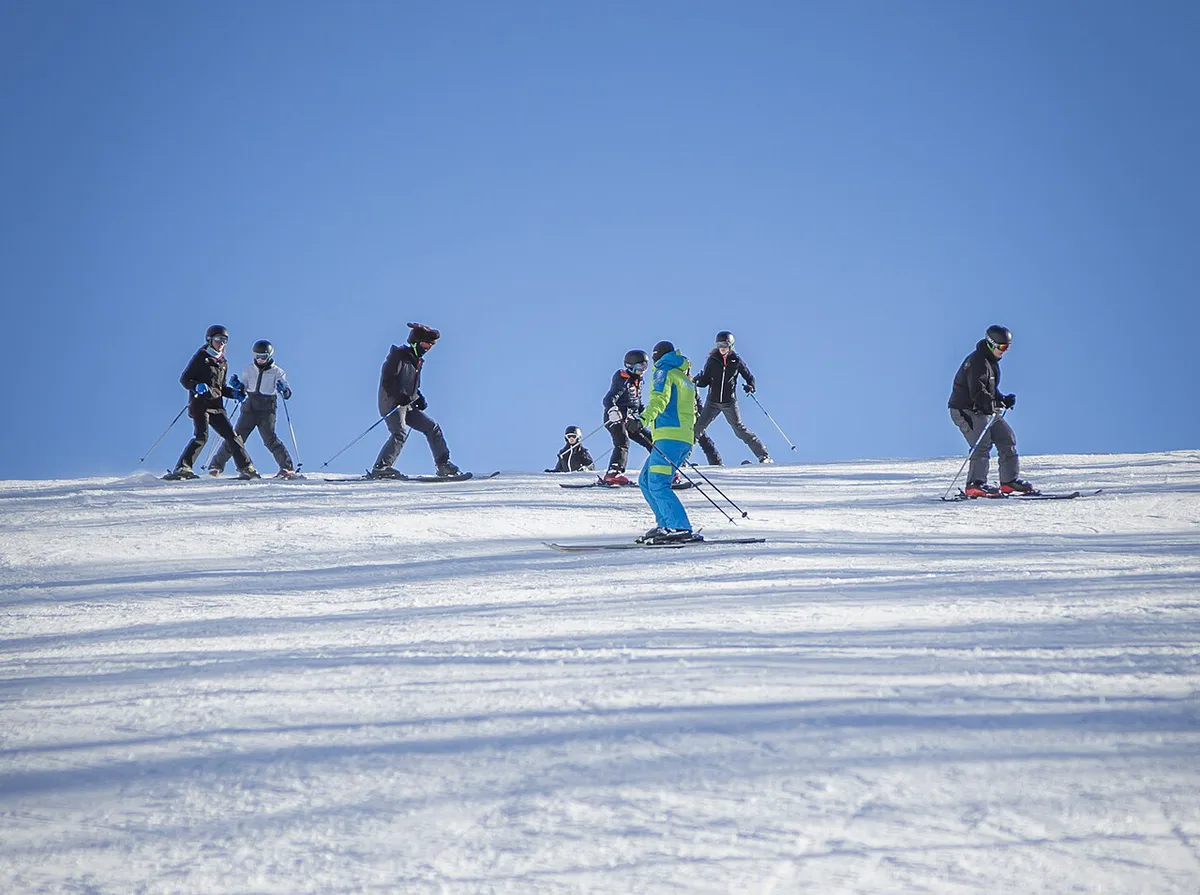
Two broad paths exist for choosing where to go. The first is a multi-resort pass tied to a large operator: Vail Resorts and Alterra Mountain Company both run networks of big mountains across Colorado, Utah, and the Northeast. The second is a smaller regional mountain with lower ticket prices and less name recognition. If a family already lives near a resort owned by one of the big operators, upgrading a local season pass to a broader tier can cost a few hundred dollars extra and still pay for itself within two or three days of skiing at the destination resort. Families who ski once a year, or who are just starting out, often do better with a single mountain and a single lift ticket. Smaller mountains, such as Jay Peak or hills across the White Mountains in New England, sell lift tickets for a fraction of big-resort day rates. Start broader destination research with kid-friendly destination ideas before narrowing down to specific ski towns, since drive time and lodging supply matter as much as the mountain itself. Who this works for: families with an existing pass to upgrade, or those willing to ski 5 or more days in a season. Who should skip it: families skiing once a year, for whom a single day ticket at a regional hill is almost always cheaper than any season pass.
- High-altitude Colorado and Utah resorts: more reliable natural snow, higher day-ticket and lodging prices.
- Lower-altitude New England hills like Jay Peak and the White Mountains: lower ticket prices, more reliance on snowmaking.
- Families skiing 5+ days a season: a multi-resort pass often beats paying day rates one at a time.
- Families skiing 1-3 days a season: a single regional lift ticket is usually cheaper than any season pass.
Lift Ticket Hacks: Season Passes, Kid Pricing, and Timing
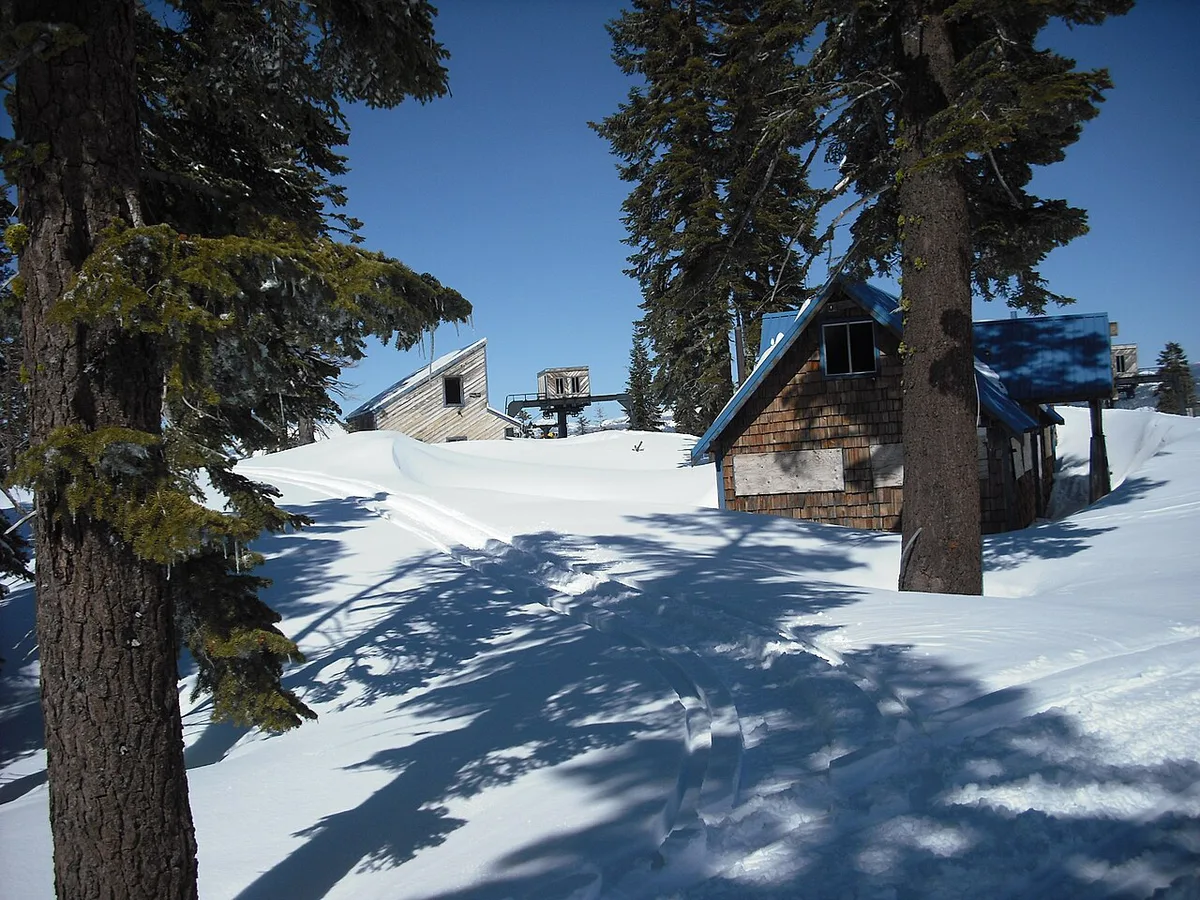
Lift tickets are the most-researched line item in any ski budget, and the pricing structure rewards families who plan months ahead. Season passes such as Epic, Ikon, Mountain Collective, and Indy go on sale each spring for the following winter, and prices step up in tiers as the season approaches. For the 2026/27 season, the lowest pricing window opened in spring 2026; families planning the 2027/28 season should mark spring 2027 on the calendar to catch the same early window. Mountain Collective and Indy Pass reward families willing to explore multiple smaller mountains instead of committing to one big destination resort each year, though ticket allocations on those passes are typically capped at a set number of days per mountain. Buying a single-day ticket at the resort ticket window, on the day you ski, is consistently the most expensive way to access any mountain. Who this works for: families able to commit to dates months in advance. Who should skip it: families with unpredictable schedules, who may do better pre-purchasing single-day tickets online closer to the trip instead of a full season pass.
Spring is the planning window: season-pass pricing tiers down before the previous season ends, local shops finalize year-long gear rentals, and lodging availability peaks. Committing in spring locks in multiple major budget items.
- Epic Pass sells a $60 unlimited-day pass for children ages 5 and 6, but only when a parent also buys an Epic Pass and calls to add the child rate.
- Ikon Pass offers a comparable reduced-price option for young children alongside an adult pass purchase.
- At Steamboat, a 5-day adult lift ticket purchased at the resort includes a child under 12 free.
- Multi-resort passes bought in spring, before the previous ski season ends, are typically cheaper than the same pass bought in fall.
Gear: Rent, Buy, or Borrow?
Kids outgrow ski boots, helmets, and jackets almost every season, which makes daily resort rental counters tempting since there is no gear to store between trips. But daily resort rentals for a family of four add up fast across a multi-day trip, and resort-town rental shops charge more than shops near home. Season-long rental programs at a local ski shop, or secondhand gear from an end-of-season ski swap, typically cost less for an entire winter than three or four days of resort rental for the whole family. Pack early using a family ski packing checklist so nobody discovers a missing base layer or forgotten mitten at the resort store, where replacement prices run high. For cold-weather layering strategy, the same principles used for packing kids for cold weather apply on the mountain: a moisture-wicking base layer, an insulating mid-layer, and a waterproof outer shell. If flying to the resort, pack ski boots in a carry-on bag when possible instead of checking them. Checked ski bags carry separate airline fees, and a delayed bag means renting gear at full resort price on day one. Pre-flight tips for families cover checked-bag strategy and gate-check timing that apply directly to ski trips.
Lodging and Transportation: The Proximity Trade-off
Lodging within walking distance of the lift, often called ski-in/ski-out, costs more per night than a condo 30 to 45 minutes away by car or shuttle. The trade-off is time and stress, not just money. A 30- to 45-minute drive each way works fine for teenagers who can layer up once and wait in a car line. It is a rough fit for families with toddlers or preschoolers who still need a predictable midday nap. A kitchen is the single biggest lodging-related budget saver for a family of four, since it replaces at least two restaurant meals a day with groceries bought once at check-in. Ask any rental property directly whether a full kitchen, and not just a mini-fridge and microwave, is included before booking, since listings vary widely on this point. Driving instead of flying removes airfare and checked-bag fees entirely, and it tends to pay off for trips within roughly a day's drive of home. Beyond that distance, the extra hotel nights, fuel costs, and lost vacation days on the road can outweigh airfare savings on a 5-day trip. Families driving to the mountains can map the route with planning the drive to the mountains, while families flying should weigh checked ski-bag fees against resort rental costs using flying to a ski resort as a starting point.
Food on the Mountain: Avoiding the $20 Chili Bowl
On-mountain lodge food is priced for convenience, not value. A single bowl of chili at a resort cafeteria can run $20, and a family of four buying lunch at the lodge every day can easily spend $100 or more in a single day just on lunch. Two habits fix most of that spend: a car-based tailgate lunch, and grocery-anchored lodging.
A $20 chili bowl drives home why kitchen-equipped lodging matters most: replacing even one lodge meal daily saves nearly as much as the entire regional-mountain food-budget line, making a full kitchen the meal-strategy priority.
- Slope-side tailgate: pack lunch in an insulated cooler bag, not a backpack, so sandwiches do not freeze solid or get crushed under ski boots.
- Midday base stop: return to the car or lodge between morning and afternoon runs to eat, instead of paying lodge-cafeteria prices for a hot meal.
- Grocery run on arrival: stop at a supermarket the day you arrive, before checking into lodging, so breakfast and dinner are covered starting day one.
- Route-trip food stop: families driving in can break up the trip at a family-friendly road-trip stop instead of paying resort-town restaurant prices on the first night.
Illustrative Budget Comparison: Big Name Resort vs. Regional Mountain
The table below is an editorial planning estimate, not a live quote from any resort. It compares the shape of a 5-day, family-of-four budget at a large named resort against a regional mountain, using the categories covered above: lift tickets, lodging, food, and gear. Use it to compare structure, then price your exact dates directly with the resort and lodging provider before booking. The gap between the two columns comes mostly from lift tickets and lodging, not food, which is why the destination decision matters more than any single coupon or discount code. Even inside the regional-mountain column, choosing an off-peak week over a holiday week shifts both the lodging and lift-ticket rows lower.
| Budget category | Big Name Resort (e.g. Vail or Park City) | Regional Mountain (e.g. Jay Peak or White Mountains) |
|---|---|---|
| Lift tickets, 5 days, family of 4 | $2,200+ | $900-$1,100 |
| Lodging, 5 nights, condo with kitchen | $1,800+ | $800-$1,000 |
| Food, 5 days (self-catered + 1 mountain lunch/day) | $500 | $400 |
| Gear rental, family of 4 (if needed) | $600 | $400 |
| Estimated 5-day total | $5,100+ | $2,500-$2,900 |
What's Worth the Splurge
Not every corner is worth cutting on a family ski trip on a budget. Professional group or private lessons for beginner children are worth the cost. A bad first day on skis, taught poorly by a well-meaning parent, can end a family's interest in the sport before it starts. Quality wool ski socks and a properly fitted, new helmet are also worth buying rather than borrowing, since fit affects both comfort and safety in cold conditions. Borrowed boots that do not fit well cause more complaints on the slope than any other single piece of gear. For planning strategies that apply beyond ski trips, broader family travel resources and core family travel planning advice cover packing, pacing, and budgeting across every kind of family trip, not just winter ones.
Use Shoulder Season Dates Before Changing Resorts
Trip timing can save as much stress as money. Before switching from a favorite mountain to a cheaper but harder-to-reach hill, price the same lodging and lift-ticket plan for non-holiday weeks. The most expensive periods are usually Christmas and New Year’s, Martin Luther King Jr. weekend, Presidents’ week, and local school-break weeks. A Sunday-to-Friday condo stay at Park City, Vail, Jay Peak, or a White Mountains ski town often has better lodging availability than a Friday-to-Sunday stay, even before lift tickets are compared.
Early December can work for families who are happy with limited terrain and strong snowmaking, while early March often gives beginners warmer weather and longer daylight. For small children, avoid squeezing ski days between late-night travel legs; the cheaper date only helps if everyone can get dressed, eat breakfast, and reach ski school on time without a meltdown.
For trip-planning details, see Epic Pass — Wikipedia and National Ski Areas Association.
Frequently Asked Questions
How much does a family ski trip on a budget cost for a family of four?
Costs vary widely by resort, season, and how far you drive. The biggest levers are lift tickets, lodging, and food. A 5-day trip built around a regional mountain with self-catered, kitchen-equipped lodging can run thousands of dollars less than the same trip at a large Colorado or Utah resort with restaurant meals every night. See the budget comparison table above for an editorial estimate broken out by category.
Is the Epic Pass or Ikon Pass cheaper for young kids?
Epic Pass sells an unlimited-day pass for children ages 5 and 6 for $60, but only when a parent also buys an Epic Pass and calls to add the child rate. Ikon Pass offers a comparable reduced option for young children alongside an adult pass purchase. Compare both directly against your family's home resort and travel plans before choosing either one.
Should you drive or fly to a ski resort to save money?
Driving usually saves money within about a day's drive of home, since it avoids airfare and checked ski-bag fees entirely. Beyond that distance, extra hotel nights, fuel, and lost vacation days on the road can cancel out any airfare savings on a 5-day trip. Compare both options against your specific dates and party size before booking.
What is the single biggest way to cut costs on a family ski trip?
A kitchen in your lodging is the biggest lever, since it replaces at least two restaurant meals a day with groceries bought once at check-in. Combined with a car-based lunch on the mountain, it avoids the $20-plus lodge meals that can push a family of four toward $100 or more in food costs in a single day.
When should you buy ski lift tickets and passes for the best price?
Buy season passes and multi-day tickets in spring, before the previous ski season ends, since prices step up in tiers as the new season approaches. Buying a single-day ticket at the resort window on the day you ski is consistently the most expensive option, so pre-purchase online whenever the trip dates are set.
Free guide: Stress-Free Flying with Kids
The pre-flight checklist, carry-on packing list, and in-flight survival plan we use on every family trip — from toddlers to teens.
You might also like


Continue reading
More guides you'll find useful