Cruising With Kids: The Ultimate Family Cruise Guide for 2026
Cruising with kids in 2026? Get cabin picks, boarding-day strategy, crowd-avoidance timing, and a packing list built for kids' clubs and sea days.
On this page
Cruising With Kids: A Practical Family Cruise Guide
Last updated July 2026. Cruising with kids means juggling kids' club sign-ups, cabin logistics, and crowd-avoidance timing on a ship carrying thousands of other families. This guide breaks down cabin trade-offs, a boarding-day workflow, and the packing details cruise veterans rely on, with a nod to first-time family trip advice for anyone sailing for the first time. Ship size, cabin configuration, and even what time you hit the hot tub all shape how relaxed the sailing actually feels.
Free guide: Stress-Free Flying with Kids
The pre-flight checklist, carry-on packing list, and in-flight survival plan we use on every family trip — from toddlers to teens.
Choosing the Right Ship for Cruising with Kids
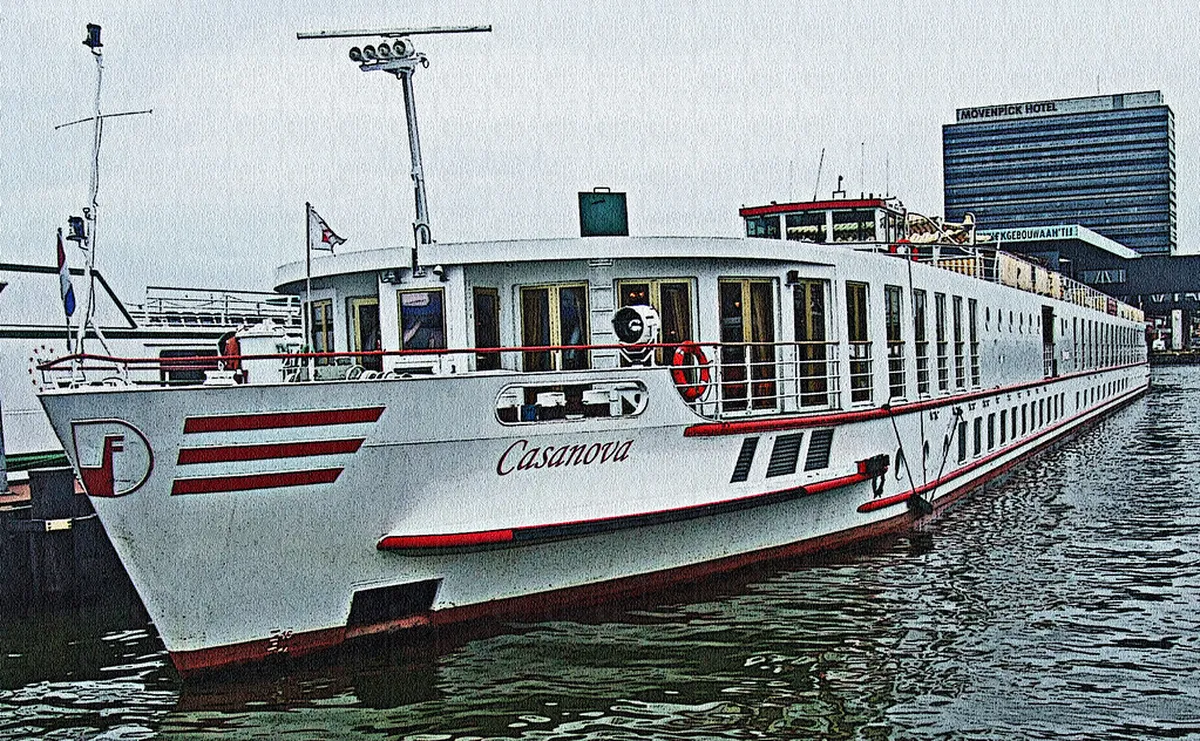
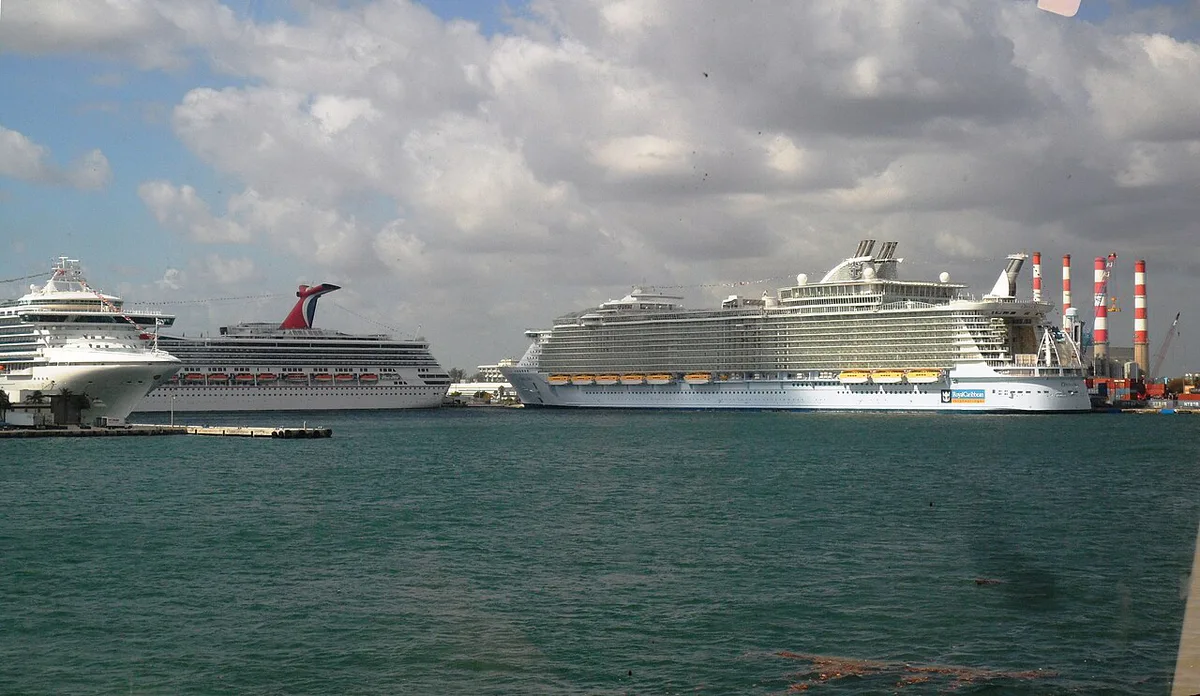
Cruising with kids starts with matching a ship to your children's energy level and your budget. Large ships add water slides, mini-golf courses, and multiple kids' clubs split by age group, and only the biggest ships carry that scale of onboard activity. Lines such as Royal Caribbean and Norwegian build entertainment schedules around high-energy kids, while smaller ships lean toward quieter itineraries and closer access to port. Smaller ships trade that entertainment variety for intimacy and access to less-visited ports, so weigh what your kids actually use before paying for extra deck space. Research the itinerary's ports first through family-friendly destination picks before locking in a ship. If a cruise still feels like the wrong pace for your family, compare it against a fixed-base theme park trip instead.
| Ship size | Best for | Trade-off |
|---|---|---|
| Small ship | Intimacy, unique ports, shorter walk times | Fewer onboard activities for kids |
| Large ship (e.g., Norwegian Breakaway) | Water slides, mini-golf, entertainment variety | Longer walk times and bigger crowds |
Cabin Logistics: Where Your Family Should Sleep
Cabin choice shapes how comfortable a family of four or more feels for a full week at sea. A mini-suite with a double sofa bed can work well for two younger kids sharing a fold-out. Families with older or more kids often need two connecting cabins instead, since a single stateroom gets tight fast once bags, life jackets, and beach gear pile up. Upper berths deserve a second look too: many parents traveling with children under eight skip them over rolling-out concerns and choose connecting rooms or a sofa-bed setup instead. Balconies add breathing room, fresh air, and a private outdoor space, but they carry a real climbing risk for kids small enough to scale the railing. Many parents treat a balcony as non-negotiable only once children are past that early stage. Location matters as much as room type: a cabin on an upper deck near the aft cuts walking time to the pool deck, sports deck, kids' club, and buffet, and helps you dodge elevator queues at peak times. Confirm the exact deck and cabin numbers before booking two connecting cabins, since availability shifts fast on popular sailings.
One of cruising's most common pitfalls—underestimating cumulative walk times on mega-ships—is why cabin location on an upper deck near the aft matters so much. A distant cabin adds several minutes to each pool or dining run, multiplying daily stress across a week-long voyage.
- Mini-suite with sofa bed — works well for two younger kids sharing one fold-out bed
- Connecting cabins — better once you have four or more kids, or kids who need separate space
- Upper berths — worth reconsidering for children under eight due to fall risk
- Balcony — adds outdoor space; weigh the climbing risk against your kids' ages first
- Deck location — an upper deck near the aft cuts walk time to the pool, sports deck, kids' club, and buffet
Getting to the Ship: Travel Days and Boarding
Getting to the ship is its own logistics puzzle before the cruise even starts. Families flying to the departure port should build in buffer time before boarding closes, since a missed connection can mean missing the ship entirely. Review flight logistics with children for carry-on and security-line strategy, and check pre-boarding flight tips for what to keep out of checked luggage. Driving to a port instead changes the calculus: a guide to planning a family road trip covers pacing multi-hour drives with kids, and a stop like this Cracker Barrel road trip stop can break up a long highway leg before embarkation. Popular sailing weeks fill fast, so line up dates against timing trips around school holidays before booking. Boarding day itself runs on a tight workflow. Cabin luggage delivery can take hours, so pack swimsuits in the carry-on bag instead of a checked suitcase. That way kids can hit the pool and water slides the moment you board. Have one parent watch the kids at the pool while the other registers for the kids' club and books specialty dining reservations before slots fill up.
Registering for kids' club immediately on boarding day prevents a common mistake: waiting past sea days means missing sign-up windows. Splitting the task between parents (one watches kids at the pool while the other registers) ensures slots remain available.
- Pack swimsuits in the carry-on, not checked luggage
- Register for the kids' club as soon as you board
- Book specialty dining reservations the same day
- Switch phones to airplane mode once you leave port to avoid roaming charges
Navigating Onboard Life: Crowd Timing and Dining
Large ships get crowded at predictable times, and timing is the real lever for avoiding the crush. Between 6 and 7 p.m., most passengers head toward dinner, leaving sports courts, Ping-Pong tables, and hot tubs empty. Use that window instead of competing for pool chairs at midday. Dining works best when you split the difference between formats. The buffet moves faster for picky eaters who want to graze on their own schedule. The main dining room suits families who want a sit-down meal without a long wait. Picky eaters tend to do better with a defined routine than with unlimited buffet grazing: set one meal a day, often breakfast, as the buffet default, and lock the rest into the main dining room so kids know what to expect. Ask the wait staff for a kids' menu on the first night, since most ships repeat the same simplified options nightly. Sea days push everyone indoors at once when weather turns, so scope out an indoor pool or hot tub in advance on cold-weather routes such as winter sailings out of New York. It also helps to scout a quieter deck away from the main pool area early in the cruise. Aboard NCL's Norwegian Breakaway, for example, quieter lounge chairs have been spotted on deck 8 in winter, away from the main pool deck.

Packing Hacks for the Cruise Cabin
A handful of unglamorous items make cabin life run smoother than a standard family packing checklist alone would suggest.
- European plug adapter — many cabins still ship with only one or two U.S.-style outlets, so an adapter keeps every device charged overnight
- Post-it notes — stick them to the cabin door so kids old enough to check themselves in and out of the kids' club can leave word on where they are
- Highlighters — the daily activity sheet delivered to the cabin lists dozens of events, and a highlighter lets each kid mark favorites fast
- Magnetic hooks — cabin walls are metal, so hooks add hanging storage for towels, hats, and lanyards without using shelf space
Cruise Costs and Family Travel Budget
Kids' clubs are typically included in the base cruise fare, which is part of why cruising with kids can pencil out well against a hotel-based trip once meals, entertainment, and childcare all get counted. Extras like specialty dining, shore excursions, spa time, and Wi-Fi packages sit outside that base fare, and they add up fast. Budget for those separately instead of assuming the fare covers everything on board. Ask the cruise line directly whether gratuities are already built into the fare, since that line item alone can shift the total noticeably. The same fixed-cost-versus-extras logic shows up across family travel planning generally; see budgeting for family travel for the broader version, and budgeting for a ski trip for how the trade-off plays out on land. Revisit core family travel planning fundamentals before finalizing a cabin category or add-on package.
Mistakes to Avoid When Cruising with Kids
A few recurring mistakes turn an easy sailing into a stressful one.
- Underestimating walk time on mega-ships — a cabin far from the kids' club can add several extra minutes to every pool or dinner run
- Skipping height and age checks for slides, ropes courses, and climbing walls before booking a cabin near them
- Booking shore excursions that clash with nap schedules, which sets up meltdowns mid-tour
- Waiting to register for the kids' club, which can mean missed sign-up windows on the busiest sea days
Choosing Shore Excursions That Work for Kids
Shore days need the same timing discipline as sea days. For younger kids, the best excursions are usually short, close to the pier, and easy to abandon if someone melts down. In Nassau, a beach stop or aquarium visit is usually less stressful than a full-day sightseeing loop. In Cozumel, a nearby beach club is often simpler than a long transfer to mainland ruins such as Tulum, which adds ferry time before the tour even begins.
Check three details before booking: total duration, transfer time, and whether car seats or booster seats are available or needed. Morning excursions usually work better because kids are rested, temperatures are lower in Caribbean ports, and the afternoon can stay open for pool time back on the ship. For private-island stops such as Royal Caribbean’s Perfect Day at CocoCay or Disney’s Castaway Cay, reserve shade and water breaks early because beach fatigue can hit faster than parents expect.
For trip-planning details, see CDC Travelers' Health: cruise ship travel and Disney Cruise Line — Wikipedia.
Frequently Asked Questions
What age is best for a first cruise with kids?
There's no universal minimum for cruising with kids; the better question is whether your child's age fits the ship's kids' club bands. Cruise lines split programs into toddler, school-age, tween, and teen groups with different cutoffs by line, so check the specific ship's program before booking. Cabin choice should follow the same logic: younger kids, especially under eight, often do better in a mini-suite with a sofa bed than in a room with an upper berth.
Do you need a balcony cabin when cruising with kids?
Not for very young children. A balcony adds a real climbing risk for kids small enough to scale the railing, so many parents skip it in the early years. As children get older, some parents feel comfortable dropping the no-balcony rule, since a balcony adds fresh air and a private outdoor space that's hard to find anywhere else on a crowded ship.
What should go in a cruise carry-on for kids?
Pack swimsuits in the carry-on bag, not checked luggage. Cabin luggage delivery can take hours after boarding, and a carry-on swimsuit lets kids get in the pool or on the water slides right away. Add a phone or tablet already set to airplane mode, plus any documents you'll need to register for the kids' club immediately.
How do you avoid crowds on a big cruise ship with kids?
Time your day around when everyone else eats. Between 6 and 7 p.m., most passengers are at dinner, so sports courts, Ping-Pong tables, and hot tubs sit empty during that hour. Sea days push the same crowd indoors at once, so scope out a quieter deck or an indoor pool early, before the ship's public spaces fill up.
Are European plug adapters necessary on cruise ships?
Often, yes. Many staterooms still ship with only one or two U.S.-style outlets, which isn't enough for a family charging multiple devices overnight. A compact adapter with extra USB ports keeps every device charged without needing extra power strips in the cabin.
How far ahead should you book shore excursions with kids?
Check your kids' usual nap or rest window for that time of day before booking. Excursions that run through a nap window tend to end in meltdowns partway through the tour. Where possible, choose morning excursions and keep afternoons open for pool time or an unstructured break back on the ship.
Free guide: Stress-Free Flying with Kids
The pre-flight checklist, carry-on packing list, and in-flight survival plan we use on every family trip — from toddlers to teens.
You might also like


Continue reading
More guides you'll find useful