12 Best National Parks With Kids: A 2026 Family Planning Guide
Compare the best national parks with kids by age and season, from Zion's shuttle canyon to Yellowstone's geyser boardwalks, updated for 2026.
On this page
12 Best National Parks With Kids: A Family Planning Guide by Age and Season
Last updated July 2026, this guide ranks the best national parks with kids by age, season, and real trip logistics instead of scenery alone. Some parks fit a stroller and a nap schedule, while others reward a family ready for a longer trail or a rougher road. Every park below runs a Junior Ranger program, a free badge activity that turns a visitor-center stop into a reason kids want to get out of the car.
Free guide: Stress-Free Flying with Kids
The pre-flight checklist, carry-on packing list, and in-flight survival plan we use on every family trip — from toddlers to teens.
Essential Logistics: Passes, Junior Ranger Badges, and Timed Entry
A little planning turns a family national park trip into a smooth one instead of a scramble at the gate. Three things matter most before you leave the driveway: the Junior Ranger program, the right entrance pass, and any timed-entry reservation the park requires.
- Junior Ranger Program
- Pick up a free activity booklet at any visitor center, or download one from the park's NPS.gov page before you arrive.
- Kids complete puzzles, short hikes, or a ranger talk, then get sworn in for a badge or patch.
- The activity scales from preschool coloring pages to teen-level questions, so siblings can each work at their own level.
- Passes & Costs
- An America the Beautiful annual pass covers entrance fees at every federal fee site, and it typically pays for itself after a few park visits in one year.
- Every Kid Outdoors gives U.S. fourth graders and their families a free annual pass, available at everykidoutdoors.gov.
- Entrance fees and pass prices change year to year, so confirm the current rate on NPS.gov or store.usgs.gov before you budget the trip.
- Timed Entry & Reservations
- Arches, Yosemite, and Rocky Mountain have all required advance entry reservations during peak-season stretches in recent years.
- Reservation windows and dates shift from year to year, so check Recreation.gov a few weeks before travel.
- Arriving without a reservation at a park that requires one can mean turning around at the gate with tired kids in the back seat.
12 Best National Parks With Kids
These 12 parks cover every region and every kid stage, from stroller-friendly boardwalks to a first real backcountry hike. Internal links point to full planning guides for five of the most-asked-about parks below.
- Yellowstone (Wyoming, Montana, Idaho)
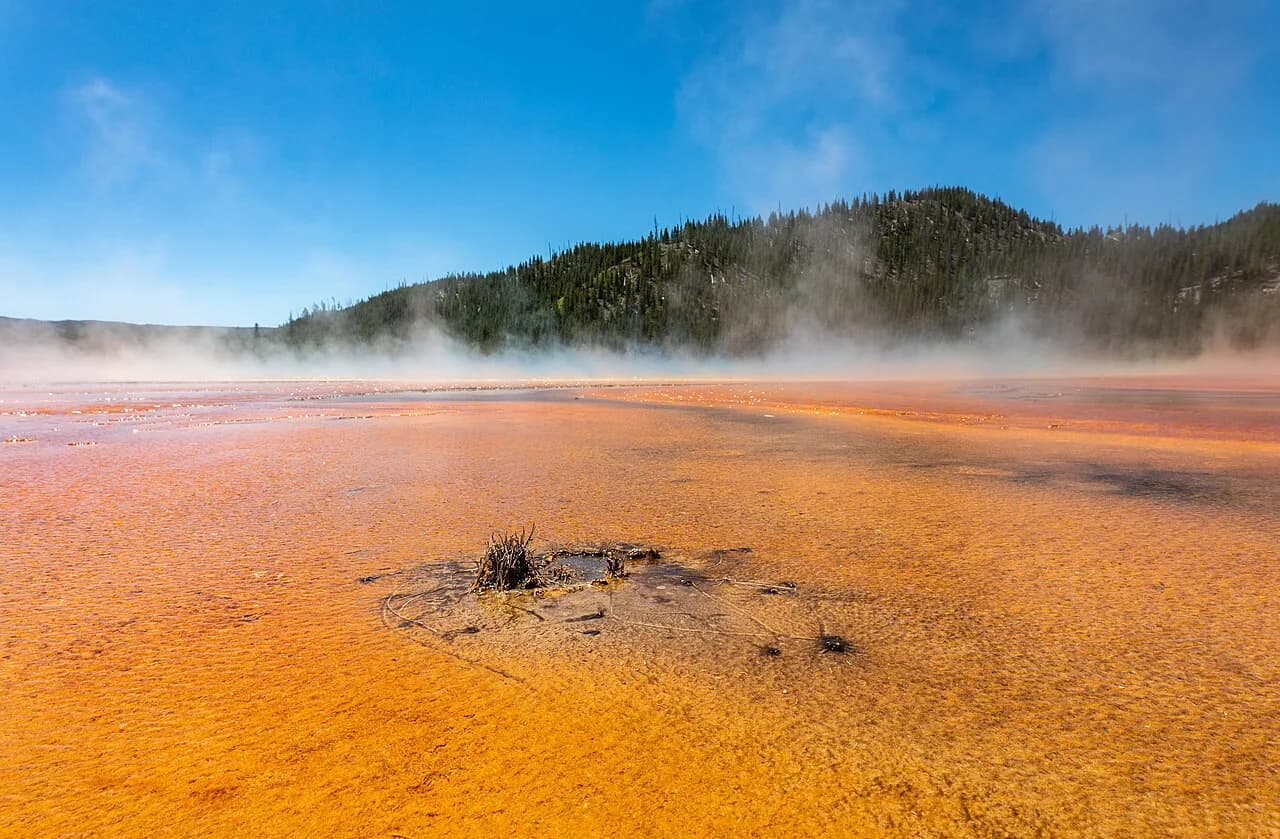
- Boardwalks at the geyser basins are flat and paved, so strollers reach Old Faithful without a real hike.
- Wildlife jams on the road are common, and rangers ask visitors to stay in the car near bison or bears rather than let kids run for a closer look.
- The Yellowstone geyser and wildlife guide covers boardwalk routes and bison-safety specifics by age group.
- Grand Teton (Wyoming)
- Grand Teton pairs naturally with a Yellowstone trip, with Jackson Hole in Wyoming working as the gateway town for restaurants and grocery runs.
- Several lakeside trails near the base of the range are flat enough for a family with a stroller or a wagon.
- Visit June through September, when snow has cleared from higher trails and the peak summer season is underway.
- Yosemite (California)
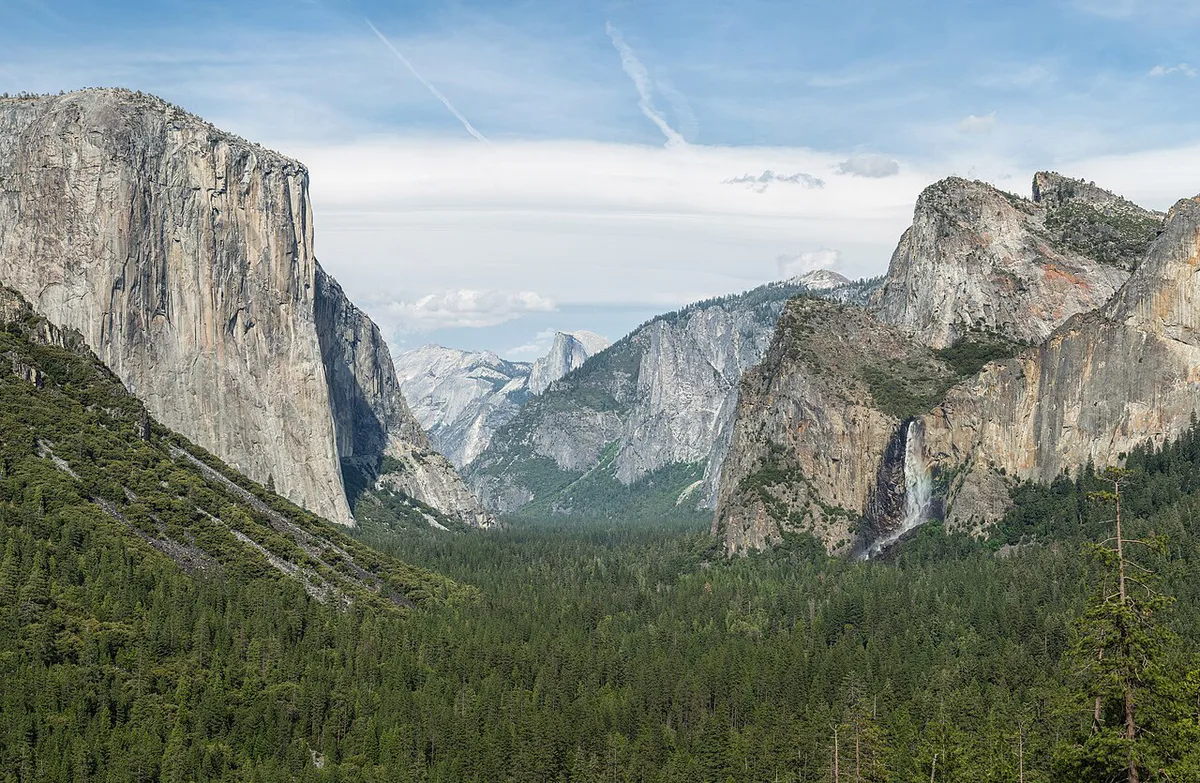
- The valley floor is flat enough for a family bike ride past El Capitan and Yosemite Falls without a climb.
- Bike and stroller paths link the main meadows, so younger kids can see the waterfalls without a trailhead hike.
- See the Yosemite Valley biking guide for rental locations and which waterfall viewpoints are stroller-reachable.
- Zion (Utah)
- The paved Pa'rus Trail runs flat through the canyon floor, and the Riverside Walk offers another easy, stroller-friendly option elsewhere in the canyon.
- Zion Canyon is shuttle-served for most of the year, so a family leaves the car at the visitor center and hops on and off at trailheads.
- Older kids who can handle wading in current can try the lower stretch of The Narrows. See the Zion shuttle and Narrows guide for age cutoffs and gear.
- Grand Canyon (Arizona)
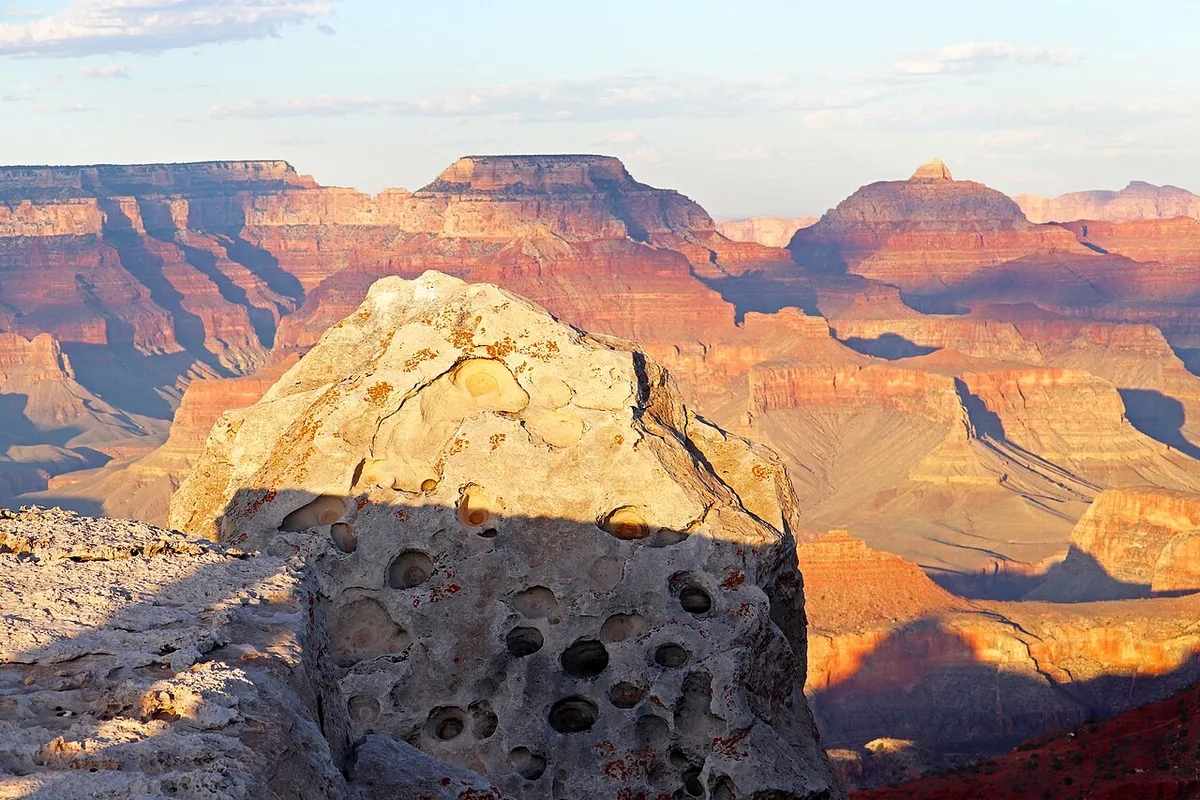
- The South Rim has paved, mostly flat, stroller-friendly overlooks connected by shuttle, so younger kids can see the canyon without a hike.
- Bright Angel Trail drops fast below the rim, and the climb back out is the harder half, so turn around well before younger kids tire.
- The North Rim is typically closed from October to mid-May for snow. See the Grand Canyon rim planning guide for trail-limit specifics by age.
- Acadia (Maine)
- Sand Beach and the carriage roads are both easy, mostly flat options for a family with young kids or a jogging stroller.
- Low tide opens tidepooling spots along the Park Loop Road, a favorite for kids who want to touch a sea star or a crab.
- Save time for popovers at Jordan Pond House after a walk around the pond. See the Acadia tidepooling and carriage road guide for tide-timing tips.
- Bryce Canyon (Utah)
- The Queen's Garden Trail is a moderate hike into the hoodoos, best for kids old enough for real trail time rather than a stroller.
- The rim itself has paved, mostly flat viewpoints for families who want the scenery without the descent, and those sections do work with a stroller.
- Bryce and Zion are commonly paired on one southern Utah trip, with Kanab working as a base between them.
- Arches (Utah)
- Arches requires a timed-entry reservation during the busiest months, so book through Recreation.gov before you leave home.
- Short, mostly flat trails reach many of the park's namesake arches, workable with a hiking carrier more than a stroller once you leave the paved pullouts.
- Moab is the standard gateway town, with more restaurants and grocery options than staying inside the park.
- Great Smoky Mountains (Tennessee/North Carolina)
- Fall brings elk bugling and foliage color, both easy wins for keeping kids engaged from the car.
- Many overlooks and short nature trails sit right off the main road, stroller-friendly enough for a quick stop without a long hike.
- The park spans the Tennessee-North Carolina state line, so pick a gateway town on whichever side matches the rest of the itinerary.
- Hawaii Volcanoes (Hawaii)
- The Thurston Lava Tube is a short, well-lit, mostly flat walk through a real lava tube, workable with a stroller on the paved section.
- Steam vents and the Kīlauea Iki crater trail add a longer hiking option better suited to a carrier or older kids on foot.
- Kīlauea's activity changes over time, so check the park's current eruption status before planning an after-dark caldera visit.
- Carlsbad Caverns (New Mexico)
- Trails wind underground through one of the country's largest cave chambers, a different kind of hike than anything else on this list.
- Some sections are stroller-manageable, though steep switchbacks near the natural entrance are better suited to older kids or a carrier.
- Check current visitor center hours and any ranger-led program schedule before you go, since underground tour offerings can change.
- Shenandoah (Virginia)
- Skyline Drive strings together dozens of overlooks, so a family can stop often instead of committing to one long hike, and most pullouts are stroller-friendly.
- Dark Hollow Falls is a short, popular waterfall hike, while the Whiteoak Canyon Trail follows a creek for families ready for more distance and less pavement.
- Fall is peak season here for foliage color, alongside Great Smoky Mountains and Acadia.
Best National Parks With Kids by Season
Timing changes which park makes sense for a family trip. Heat, snow, and wildlife activity swing hard enough by season that the seasonal pick matters as much as the park itself.
When planning a Spring trip to Arches or a Fall visit to Rocky Mountain, remember that timed-entry reservations must be booked in advance through Recreation.gov. These parks' peak-season entry limits shift annually, so check requirements each year before your trip.
| Season | Top Picks | Why It Works |
|---|---|---|
| Winter (Dec-Feb) | Saguaro (AZ), Death Valley (CA), Haleakala (HI) | Death Valley is at its best before the heat returns each spring. Maui's whale season also runs roughly December through March near Haleakala. |
| Spring (Mar-May) | Zion, Bryce Canyon, Arches, Canyonlands (UT), Grand Canyon (AZ) | Wildflowers bloom and crowds stay lighter before summer heat sets in across the desert Southwest. |
| Summer (Jun-Aug) | Yellowstone, Grand Teton (WY), Glacier (MT), Kenai Fjords, Denali, Katmai (AK) | Alaska parks are only fully open in summer. Katmai and Lake Clark also require a boat or float-plane flight in. |
| Fall (Sep-Nov) | Rocky Mountain (CO), Great Smoky Mountains (TN/NC), Acadia (ME) | Elk bugle in Rocky Mountain and the Smokies while foliage color peaks across all three parks. |
Cost, Access, and Best Age Group at a Glance
Three of the parks above show how differently a family park day can run. In our editorial assessment, access and typical cost vary this much across a similar itinerary.
| Park | Ease of Access | Typical Cost Level | Best Age Group |
|---|---|---|---|
| Zion | Shuttle-served canyon; trailheads reached without a parking search | Moderate, in our editorial assessment | Toddlers through teens |
| Yellowstone | Sights spread across long stretches of park road | Moderate to high, in our editorial assessment | Elementary age and up, once wildlife-jam waits are manageable |
| Acadia | Compact loop road close to Bar Harbor | Moderate, in our editorial assessment | All ages, including toddlers on carriage roads |
Unique Family Adventures Beyond the Big Parks
A handful of parks add a different kind of day to a national parks with kids trip: dunes to slide down, caves to walk through, and volcanic ground still cooling underfoot. A few lower-crowd parks are also worth a look for families avoiding the busiest lines.
- White Sands (New Mexico)
- The Alkali Flat Trail crosses soft white gypsum dunes, and many families walk it barefoot.
- Some families bring a sled for the dunes, though the barefoot walk is the simpler option for younger kids.
- Great Sand Dunes (Colorado)
- Kids can sled or sandboard down the dunes, a different kind of adventure from a typical trail hike.
- A seasonal creek at the base of the dunes is a popular wading spot on a hot day.
- Mammoth Cave (Kentucky)
- Ranger-led cave tours give families an underground alternative to a typical above-ground hike.
- It works well paired with a Midwest or Southeast road trip, since it sits inland from the more visited Western parks.
- Lassen Volcanic (California)
- Volcanic terrain, including steaming vents, makes for a different kind of family hike than California's more visited parks.
- It draws smaller crowds than the state's bigger-name parks, a plus for families avoiding peak-season lines.
- Cuyahoga Valley (Ohio) and Capitol Reef (Utah)
- Both are lower-crowd alternatives to the more visited parks on this list, useful for a family that wants trails without the wait.
- Cuyahoga Valley works as an easy add-on for a Midwest itinerary, while Capitol Reef pairs naturally with a southern Utah Mighty 5 trip.
Where to Stay: In-Park Lodges vs. Gateway Towns
Where you sleep changes the whole rhythm of a family park day. In-park lodging cuts the morning drive to nearly zero, while gateway towns usually add restaurants, grocery stores, and pools kids will actually use.
| Option | Best For | Trade-off |
|---|---|---|
| In-park lodges and cabins | Families who want to walk out the door and onto a trail, like the Explorer Cabins near West Yellowstone's park entrance. | Book six to twelve months ahead for peak season. Expect fewer pools, laundry rooms, or grocery options nearby. |
| Gateway towns | Families who want a pool, a grocery store, and more restaurant choices after a park day. Common bases include West Yellowstone, Jackson Hole, Kanab, Moab, Tusayan, Pahrump, and Kihei. | Adds a daily commute back into the park, longer for spread-out parks like Yellowstone or the Grand Canyon's North Rim. |
Mistakes to Avoid When Visiting National Parks With Kids
A few planning mistakes show up again and again with families new to national parks. Each one is avoidable with a small adjustment before you leave.
With toddlers moving at roughly one mile per hour and Yellowstone's common wildlife jams creating unpredictable road delays, plan conservatively for daily mileage on any Yellowstone trip.
- Overestimating hiking pace
- Plan on roughly one mile per hour with toddlers in tow, not adult trail-guide times.
- Build in stops for snacks, rest, and the inevitable detour to look at a bug or a rock.
- Ignoring wildlife safety
- Keep children close and quiet near bison, bears, or elk, since running or screaming can trigger a chase or a defensive reaction.
- Follow posted Bear Aware guidance at parks like Glacier or Denali, and stay in the vehicle during wildlife jams in Yellowstone.
- Forgetting there's no cell service
- Most parks have patchy or nonexistent cell coverage once you're away from the visitor center.
- Download offline maps and the park's trail map before you leave the last town with reliable signal.
- Skipping timed-entry reservations
- Arches, Yosemite, and Rocky Mountain have all required advance reservations during peak stretches in recent years.
- Check Recreation.gov a few weeks out, since requirements and dates change from one season to the next.
Best National Parks by Kid Age
Choose the park around your youngest traveler, then add one bigger activity for older siblings. A stroller-first trip works best where the main sights sit on pavement, boardwalks, or shuttle routes.
- Toddlers: Zion's Pa'rus Trail, Acadia's carriage roads, Yellowstone's geyser boardwalks, and the Grand Canyon South Rim shuttle stops.
- Elementary-age kids: Bryce Canyon's Queen's Garden Trail, Carlsbad Caverns' Big Room, White Sands dunes, and Shenandoah's short waterfall hikes.
- Tweens and teens: Yosemite Valley bike rides, The Narrows in Zion, longer Grand Teton lake trails, and Glacier or Denali wildlife-focused days.
For mixed ages, build the day around a short morning route and a flexible afternoon stop. Visitor centers, ranger talks, and Junior Ranger booklets help younger kids reset without leaving the park.
For trip-planning details, see National Park Service.
Further reading: Travelling with children on Wikivoyage · Family travel on Wikipedia
More Family Destinations
Planning the next trip? Explore more of our family guides across family trip ideas.
Frequently Asked Questions
Which national park is best for toddlers?
Parks with flat, paved trails work best for toddlers and strollers. Zion's Pa'rus Trail, Acadia's carriage roads, and Yellowstone's geyser boardwalks are all stroller-friendly without a real hike.
What is the Every Kid Outdoors pass?
Every Kid Outdoors gives U.S. fourth graders and their accompanying family a free annual pass to national parks and other federal lands. Apply at everykidoutdoors.gov before your trip.
Do national parks require reservations for family visits?
Some do during peak season. Arches, Yosemite, and Rocky Mountain have all required timed-entry reservations in recent years, so check Recreation.gov a few weeks before you travel.
How many miles a day should you plan for kids on park trails?
Plan around one mile per hour with toddlers, and build in extra time for snack and rest stops. Older elementary-age kids and teens can handle longer, moderate trails like Bryce Canyon's Queen's Garden Trail.
Which national parks are best for wildlife viewing with kids?
Yellowstone and Grand Teton offer the most reliable wildlife jams, from bison herds to elk. Keep kids in the vehicle near wildlife and follow posted ranger guidance.
Explore More National Park Guides
Pick your family's next park with these kid-tested guides.
Western Parks
- Yellowstone with Kids: A Family Guide to the Figure-Eight Loop (2026)
- Yosemite With Kids: A Practical Guide to Reservations, Lodging, and Trails (2026)
- Grand Canyon with Kids: The Ultimate Family Planning Guide
- Zion With Kids: The Ultimate Guide to Hiking, Shuttles & Safety
East Coast
Free guide: Stress-Free Flying with Kids
The pre-flight checklist, carry-on packing list, and in-flight survival plan we use on every family trip — from toddlers to teens.
You might also like


Continue reading
More guides you'll find useful