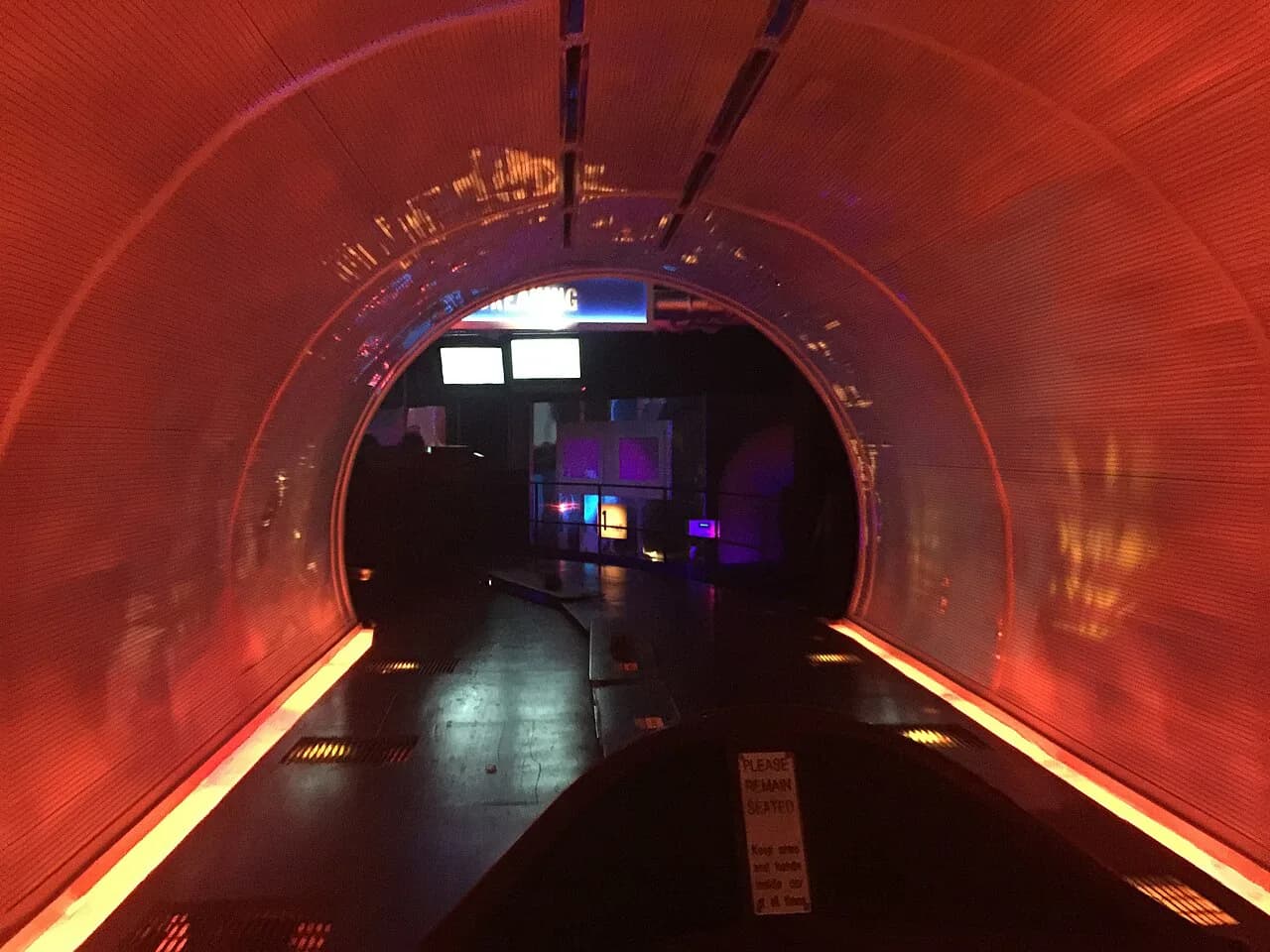
Kalahari Resorts with Kids: A 2026 Guide to All Four U.S. Locations
Kalahari resorts with kids: compare Wisconsin Dells, Sandusky, Pocono Manor, and Round Rock, plus age-by-age tips and 2026 packing advice.
On this page
Kalahari Resorts with Kids: What to Know Before You Book
Last updated July 2026. Kalahari resorts with kids work because the whole trip lives under one roof at every U.S. property. Wisconsin Dells, Sandusky, Pocono Manor, and Round Rock share the same African-lodge theme, but square footage and dry-side attractions vary enough by location to change which one fits your family best.
Free guide: Stress-Free Flying with Kids
The pre-flight checklist, carry-on packing list, and in-flight survival plan we use on every family trip — from toddlers to teens.
Kalahari Resorts with Kids: The Four Locations Compared
Every Kalahari resort in the United States pairs an indoor water park with a dry-side entertainment hub inside one climate-controlled building. Four properties operate today, spread across the Midwest, the Great Lakes region, the Northeast, and Texas. A fifth location in Virginia has been announced, though no confirmed opening date is public yet, so check Kalahari's official site before building a near-term trip around it. Because lodging, dining, and the water park all sit under one roof, many families plan two to four days on-site rather than splitting the trip between a hotel and a separate park. The table below breaks down which region each existing property serves best.
| Location | State | Regional Draw | Notable For |
|---|---|---|---|
| Wisconsin Dells | Wisconsin | Midwest and Great Lakes | The original U.S. Kalahari property, anchoring the Wisconsin Dells water park corridor |
| Sandusky | Ohio | Ohio, Michigan, western Pennsylvania | Sits near Cedar Point, giving multi-day trips an outdoor coaster option nearby |
| Pocono Manor | Pennsylvania | Northeast corridor, incl. NYC and Philadelphia | A mountain-setting indoor escape from Northeast winters |
| Round Rock | Texas | Texas and the South-Central region | Its indoor water park ranks among the largest in the country |
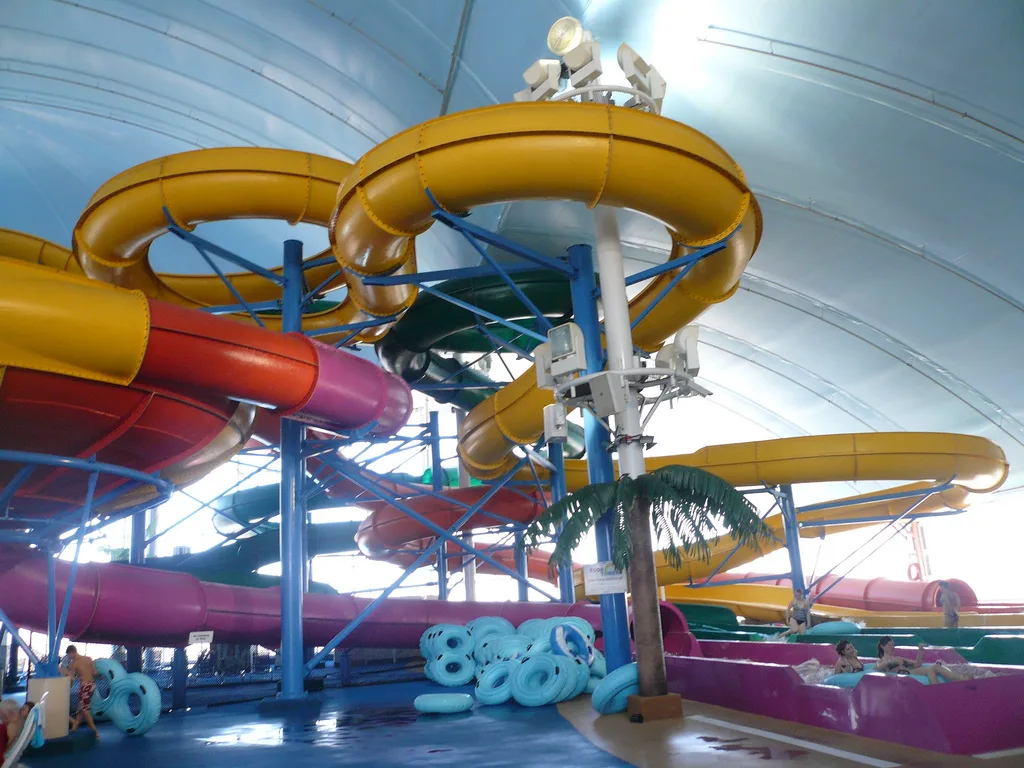
Age-by-Age Guide to the Kalahari Water Parks
A Kalahari day changes shape depending on the age mix in your group, so plan around whichever ages need the most supervision.
- Toddlers and preschoolers: spend most of the day in zero-entry pools and shallow splash zones like Tiko's Watering Hole, where it is offered. Most big slides set height minimums well above toddler height, so do not center a toddler day around them.
- Elementary-age kids, roughly 6 to 12: this is the range most slides and attractions like the FlowRider surf simulator are built for, where available. A Kalahari day delivers the widest variety per hour for this age group.
- Teens: seek out the tallest, steepest slides at each property, such as Screaming Hyena where it is offered. Treat Tom Foolerys Adventure Park and the arcade as the backup plan when water park lines get long.
- Parent pro-tip: if your group spans toddlers to teens, split into two smaller groups for an hour after lunch, when lines peak, so each age range can hit the attractions built for it.
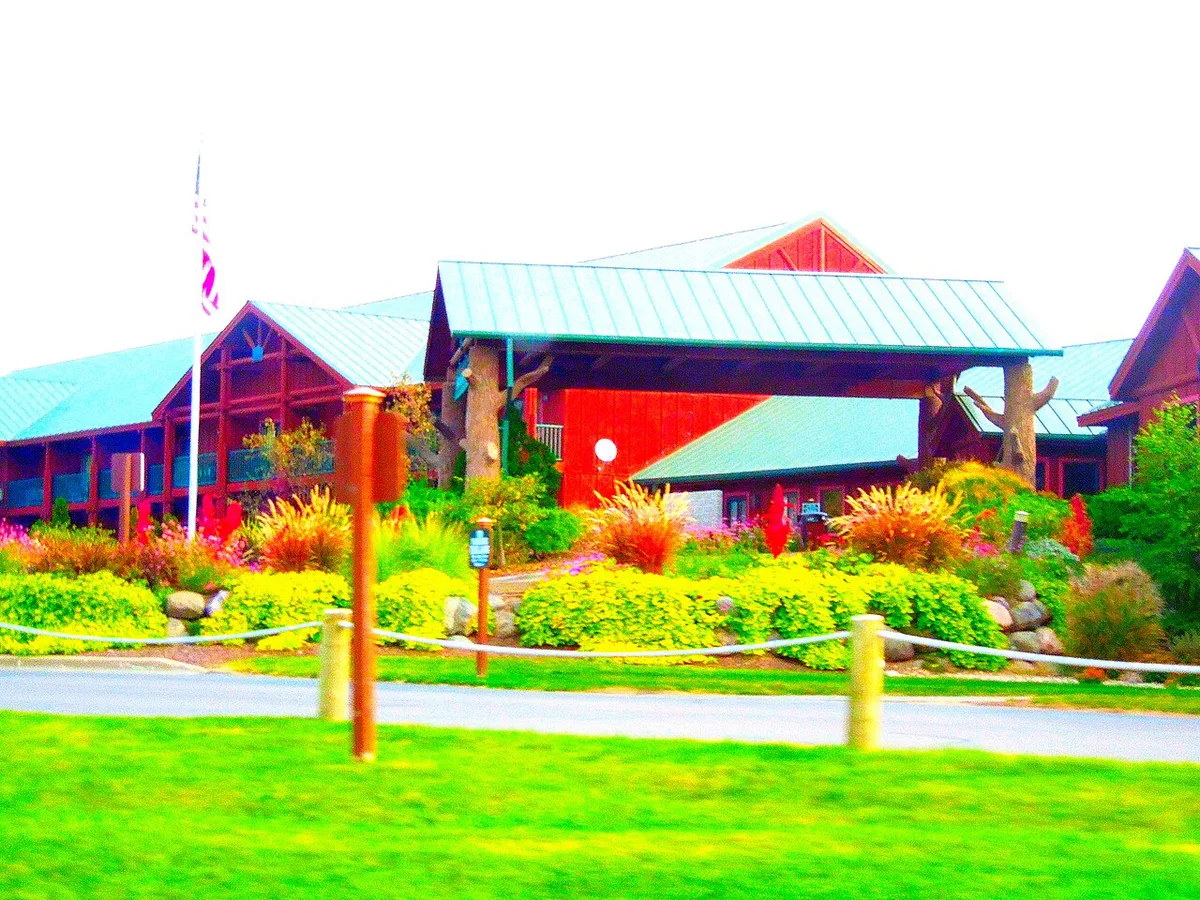
Wristband Systems and Water Park Logistics
Because every Kalahari water park sits indoors, weather never cancels a pool day, a tradeoff covered in more depth in our indoor versus outdoor water parks comparison. Managing the scale of the resort still takes a plan.
- The wristband issued at check-in usually unlocks your hotel room, water park entry, and on-site charges, so keep it on for the entire stay.
- Base camp near the zero-entry pool if you are traveling with toddlers, or near the thrill slides if your group is mostly teens.
- Ask about locker rental at check-in. A single locker near your base camp saves repeated trips back to the room for towels, snacks, or dry clothes.
- Lifeguard staffing and life-jacket availability differ by property, so confirm the current safety policy on your specific location's site before you go.
Tom Foolerys Adventure Park and Evening Entertainment
Every Kalahari resort pairs its indoor water park with a dry-side attraction hub generally branded Tom Foolerys Adventure Park. It typically holds arcade games and additional paid attractions separate from water park admission. Multi-attraction bundle passes usually cost less per activity than paying for each game individually, so decide before check-in whether your group will use enough attractions to justify one. Rates and included attractions vary by location and season, so check the specific resort's adventure park pricing page for current numbers before you budget for it. Some locations add evening programming after the water park closes, such as character meet-and-greets or story time, timed for families with younger kids still in vacation mode.
Room Types and Dining Strategy for Families
Family suites with a kitchenette or bunk-bed nook give larger groups room to store snacks and prepare simple meals, which cuts down on paying for a sit-down restaurant every night. On-site dining ranges from quick-service counters to buffet and themed table-service restaurants for nights when nobody wants to cook. A cooler packed with breakfast items and lunch staples, kept in a suite refrigerator, can trim the food budget over a multi-day stay. For a side-by-side look at how these family suite layouts compare with another indoor resort chain, see our Great Wolf Lodge family suites coverage.
The water park restricts outside food during operating hours, but the policy explicitly allows eating in your room. Packing breakfast and lunch items in your suite refrigerator works around this constraint and significantly reduces food costs on multi-day trips.
Cost-Benefit: When the All-Under-One-Roof Price Pays Off
The value of a Kalahari stay depends on how many days you spend inside the resort versus venturing out. A multi-day, water-park-bundled room rate tends to pay off when your group uses the water park on both the check-in and checkout days, plus a full day in between. A comparable outdoor day-park trip would need separate lodging and separate tickets stacked on top of each other. The deal looks weaker for a one-night stay built around a single travel day, since you get only a few water park hours for the same room rate. Eating on-site for at least one meal a day is usually worth the convenience, especially breakfast before the water park opens. A mix of on-site dining and a cooler-packed lunch keeps a multi-day trip from turning into a food-only budget line. Check the specific resort's official rate page for current pricing, since rates shift by season and by how far in advance you book.
Kalahari vs. Great Wolf Lodge: Which Fits Your Family?
Kalahari and Great Wolf Lodge both bundle indoor water park access into an overnight stay, but they solve different problems. Kalahari's larger indoor water parks and steeper drop slides suit families with elementary-age kids through teens. Great Wolf Lodge's smaller footprint and gentler slide mix make it easier to keep toddlers and early-elementary kids in sight, which is why multi-generational groups often choose based on the youngest child's age rather than the oldest.
| Factor | Kalahari | Great Wolf Lodge |
|---|---|---|
| Overall scale | Larger indoor water parks, more high-thrill slides | Smaller footprint, easier to keep toddlers in sight |
| Thrill level | Steeper drop slides aimed at older kids and teens | Gentler slide mix skewed toward younger riders |
| Dry-side entertainment | Tom Foolerys Adventure Park arcade and paid attractions | Its own themed dry-side activities and character programming |
| Best fit | Elementary-age kids through teens, multi-generational groups | Toddlers through early-elementary kids |
Kalahari vs. Regional Day Parks: Is the Resort Model Worth It?
A regional outdoor water park typically charges a separate day ticket and closes for the winter season. Kalahari bundles water park access into the room rate and runs year-round behind climate control. That tradeoff matters most on a multi-day trip, when a resort stay can work out to less per day than a hotel plus day-park tickets bought separately. For a broader look at how a Kalahari stay compares with outdoor destinations, see our family water park roundup. For a large outdoor alternative in Texas, check our Schlitterbahn water park guide.
What to Pack and When to Go
Weekday stays generally draw smaller crowds than weekends and school-holiday weeks, which cuts wait times at the most popular slides. Many properties allow water park access on your arrival day even before your room is ready, so ask about check-in-day park access when you book. Checkout day often works the same way in reverse, extending park time past the standard checkout deadline, though policies vary by location and season.
- Water shoes for pool decks and the walkways between indoor zones.
- At least two swimsuits per swimmer, so one is always dry for the next session.
- A full change of dry clothes for the arcade and adventure park.
- A refillable water bottle; the indoor climate stays warm well outside the water park itself.
How to Choose a Kalahari Room for Your Family
Room choice matters because Kalahari trips involve wet swimsuits, naps, snack breaks, and long walks between the water park, restaurants, and Tom Foolerys. At Wisconsin Dells, Sandusky, Pocono Manor, and Round Rock, start by matching the room to your daily rhythm, not just the bed count.
- Choose a standard room for one family that plans to spend most waking hours in the parks.
- Choose a suite with a kitchenette or separate sleeping area for toddlers, grandparents, or early bedtimes.
- Choose a larger villa-style option when two families want shared living space without sharing every bedroom.
Before booking, ask how close the room is to the indoor water park entrance, elevators, and parking. A cheaper room at the far end of the resort can feel less convenient with strollers, tired kids, or multiple swim breaks. If nap time matters, request a quieter area away from the arcade and main corridors.
For trip-planning details, see Kalahari Resorts official site.
Further reading: Travelling with children on Wikivoyage · Family travel on Wikipedia
Frequently Asked Questions
Is the water park included in the Kalahari room rate?
Yes. Every U.S. Kalahari location bundles water park access into the overnight room rate rather than selling a separate day ticket. Access hours around your specific check-in and check-out day can vary, so confirm the current policy when you book.
What is the best age for a Kalahari resort trip?
Elementary-age kids, roughly 6 to 12, get the most out of a Kalahari stay, since most slides and the FlowRider-style attraction are built for that height and confidence range. Toddlers still do well in the zero-entry pool areas, and teens have the dry-side adventure park and tallest slides to fall back on.
Can you bring your own food into the Kalahari water park?
Outside food and drink policies are strictly enforced at most indoor water park resorts, Kalahari included. Plan on eating at on-site restaurants or in your room rather than packing a cooler into the park itself, and confirm the current policy for your specific location before you pack snacks.
Do you need to bring your own towels to Kalahari?
Towel policies vary by location, and some properties provide or rent them at the water park entrance. Check your specific resort's Know Before You Go page ahead of your trip so you are not caught without one.
Is a fifth Kalahari resort opening in Virginia?
A Virginia location has been announced, but as of this update no confirmed opening date has been published. Treat the current four U.S. properties, in Wisconsin, Ohio, Pennsylvania, and Texas, as the only bookable options until Kalahari's official site confirms a timeline.
Free guide: Stress-Free Flying with Kids
The pre-flight checklist, carry-on packing list, and in-flight survival plan we use on every family trip — from toddlers to teens.
You might also like


Continue reading
More guides you'll find useful