
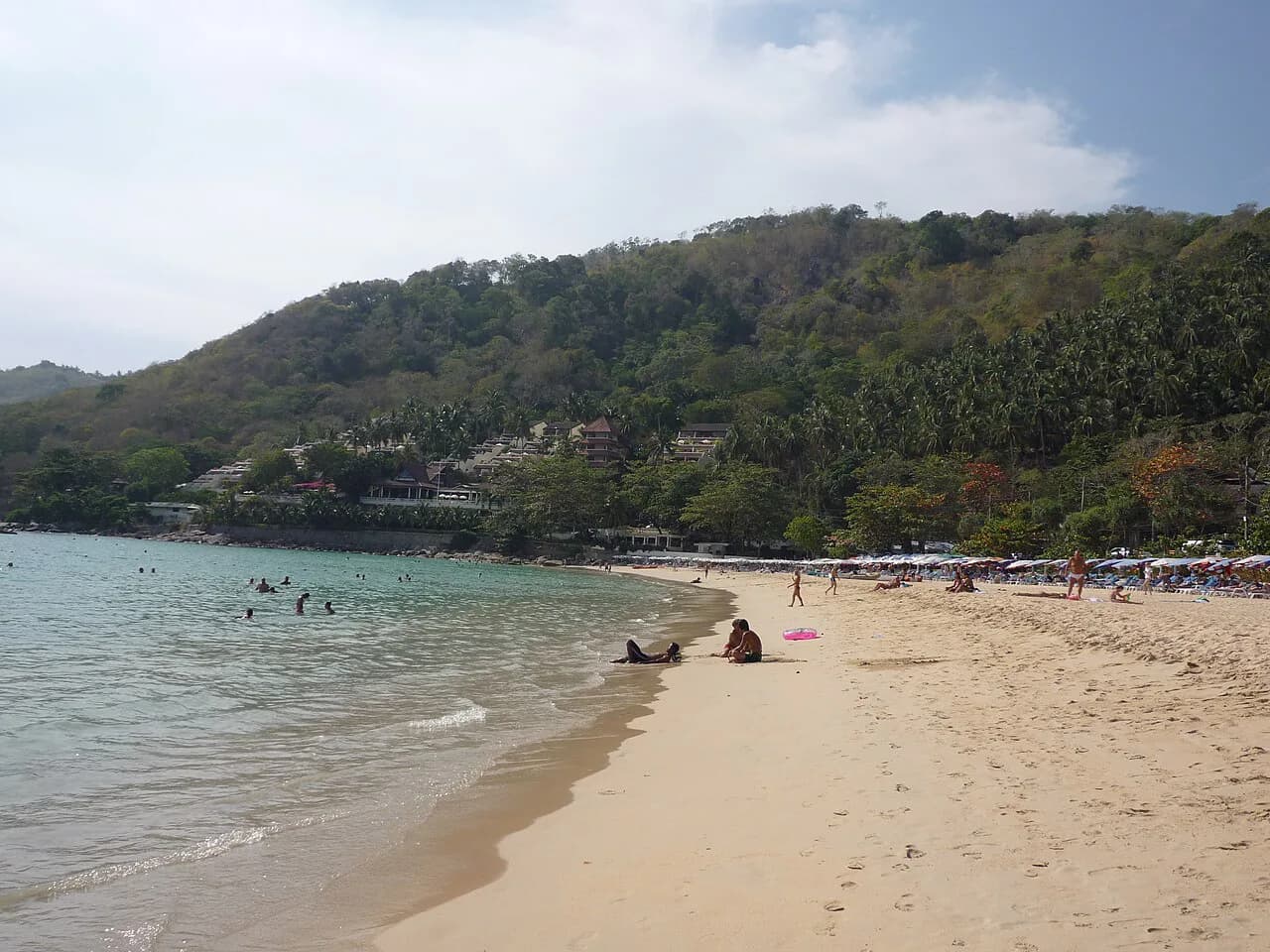
Phuket with Kids: 5 Family-Favorite Moments in Phuket (2026 Guide)
Plan a 2026 trip to Phuket with kids: family beaches by age, toddler-friendly stops, transport costs, and five favorite family moments on the island.
On this page
Phuket with Kids: 5 Family-Favorite Moments in Phuket
Last updated July 2026, this guide breaks down what actually matters when planning a trip to Phuket with kids: which beaches suit toddlers versus confident young swimmers, where families should base themselves, and how much a Smart Bus ride can save over an airport taxi. It groups the island's highlights into five family-favorite moments, along with the transport and safety details most guides skip. Use it to build a realistic day-by-day plan before you book flights or a resort.
Free guide: Stress-Free Flying with Kids
The pre-flight checklist, carry-on packing list, and in-flight survival plan we use on every family trip — from toddlers to teens.
Is Phuket With Kids the Right Choice for Your Family?
Phuket sits on the Andaman Sea. Its dry season runs November through April, with December to February as the calmest stretch for west-coast swimming. Koh Samui sits on the Gulf of Thailand side and holds its best weather from June through August, so the two islands rarely suit the same travel dates. May through October brings the southwest monsoon to Phuket: showers arrive in short, intense bursts rather than all-day rain, hotel prices drop, and sea conditions get rougher on the west coast. Cost swings less with which island you pick and more with proximity to the beach — a hillside villa with a private pool costs more than an equivalent apartment a short walk from the sand. For a broader look at sequencing a Thailand trip around kids' ages, start with Thailand family trip planning. Families wanting a calmer, smaller-scale alternative to Phuket sometimes choose Ko Samet's family beaches instead, especially for a first trip with a toddler.
- Budget: family rooms with a kitchen, like Baan Chay Lay Resort in Karon, keep costs down and simplify toddler meals.
- Value for money: spacious apartment-style stays such as 6th Avenue Surin Beach or the walkable OZO Phuket in Kata add space without luxury pricing.
- Luxury: The Naka Island Resort & Spa runs a private-island kids' club reachable by boat transfer.
- Ultra-luxury: InterContinental Phuket Resort in Kamala runs five pools and a kids' club on one property.
Where to Stay: Best Family Neighborhoods in Phuket
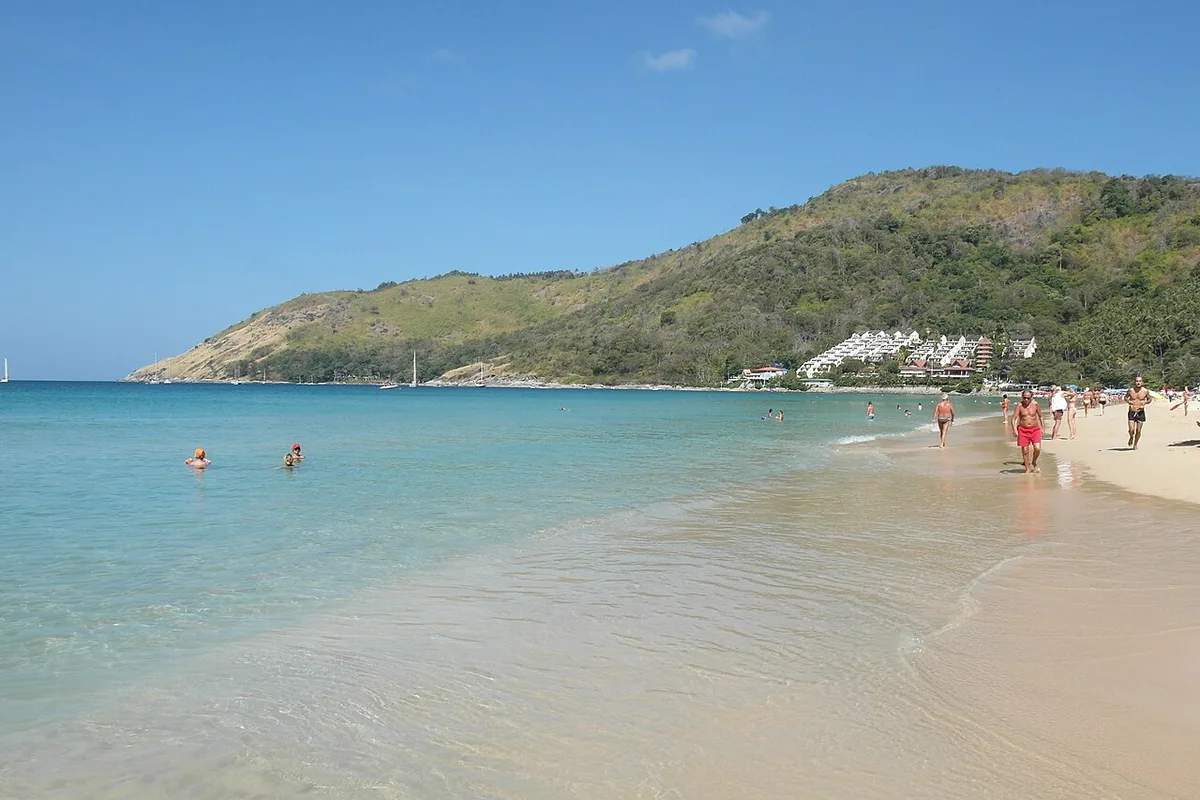
Phuket's coastline breaks into distinct zones, and each fits a different family style. Kamala and Bang Tao sit on the calmer, more spread-out northwest coast, with wide beaches and resort grounds built for stroller-paced days. Karon and Kata cluster tighter, with walkable restaurant strips right behind the sand. Cape Panwa sits apart from the main tourist coast, on the island's quieter southeast corner. Patong stays the most convenient base for shopping and dining density, but it also carries the most nightlife-adjacent traffic after dark. Malin Plaza and Jungceylon give it the densest concentration of shops, arcades, and air-conditioned breaks on the island, which matters on a hot afternoon with tired kids.
Karon and Kata's walkable restaurant strips aren't just convenient—they solve a core toddler challenge. Close dining allows families to work short activity bursts and meal breaks into the day without long tuk-tuk rides, directly supporting the shade-and-water rhythm toddlers need in tropical heat.
- Kamala & Bang Tao: the calm, spread-out zones — resort space and fewer crowds than Patong or Karon.
- Karon & Kata: the best pick for walkable dining and easy beach access without a taxi for every meal.
- Cape Panwa: the quiet corner of the island; Ao Yon Beach here stays sheltered even when west-coast waves pick up.
- Patong: go for the shopping and restaurant density, but plan toddler beach time for morning hours before the strip fills up.
5 Family-Favorite Moments in Phuket
These five moments come up again and again when families describe what stuck with them after a Phuket trip. Treat them as a shortlist, not a full itinerary — pick two or three per week rather than rushing all five into a few days.
- Waterpark thrills: Andamanda, near Phuket Town, and Splash Jungle, near the airport in the north, both run full slide circuits; Blue Tree near Bang Tao adds a cable wakeboard park alongside its water play.
- Island hopping by longtail: a half-day trip to the Khai Islands covers three islands, including Koh Khai Nai, home to a resident cat colony that kids tend to remember longer than the snorkeling. Families with older kids can trade this for a full-day trip to James Bond Island or the Phi Phi and Maya Bay circuit.
- Old Town exploration: Phuket Old Town's Sunday Walking Street Market fills the Sino-Portuguese shophouse lanes with stalls; pair it with a shortlist from the Thai food list before you go.
- Ethical animal encounters: the Soi Dog Foundation gives families a grounded, non-performance way to spend an afternoon around rescued dogs rather than at a show.
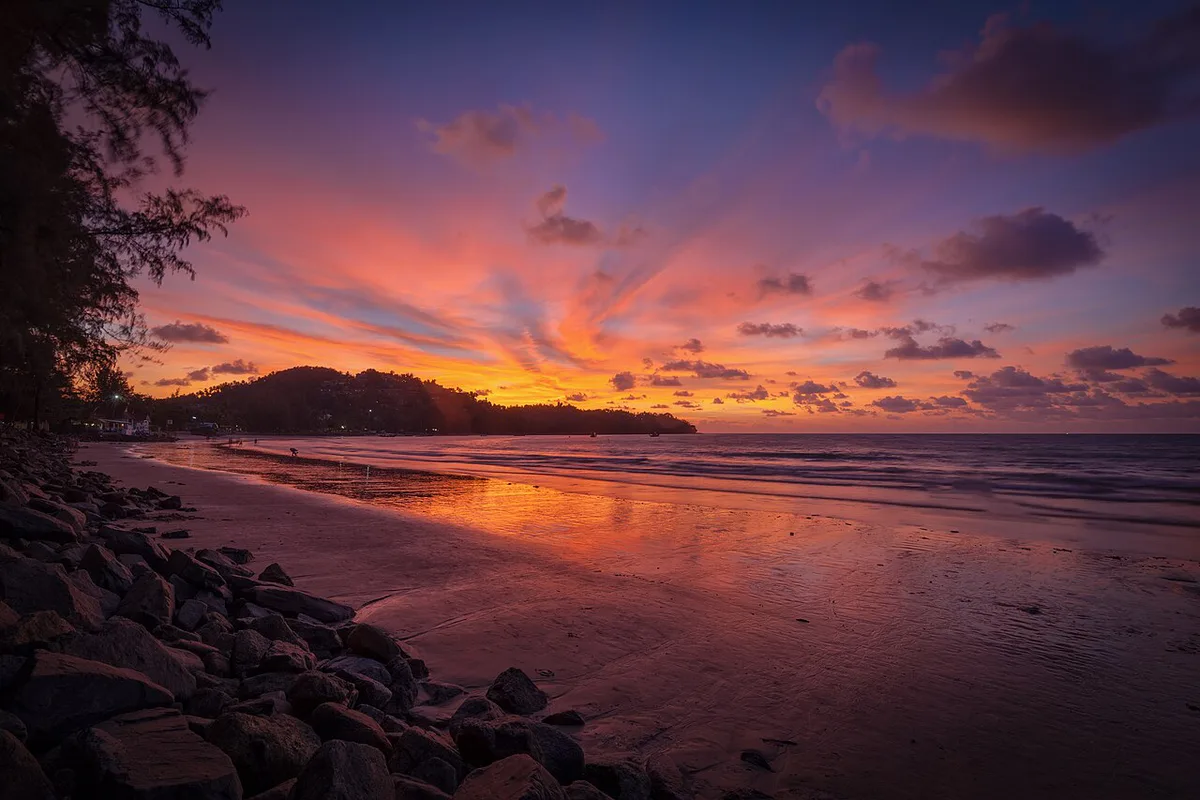
- Beach sunsets and night markets: Kata's evening sky and a browse through Malin Plaza in Patong or the Chillva Market in Phuket Town make a low-stress way to end a beach day.
Which Beach Matches Your Kids' Ages
Not every Phuket beach suits every age group, and the difference matters more than the marketing photos suggest. Group beach picks by what your kids can handle in the water, not just by which resort looks best. Kata and Karon face the open Andaman Sea directly, and during the May-October monsoon, red flags fly on rough-water days. Do not let kids swim when a red flag is up; the undertow on these two beaches gets serious fast. Nai Harn and Bang Tao stay more sheltered through most of the year, which is why they suit smaller children by default.
Monsoon-season visits lower Phuket prices but trigger red flags on Kata and Karon's open-water beaches. Choosing Nai Harn or Bang Tao instead preserves calm swimming despite short, heavy showers—pairing budget savings with predictable beach access.
| Beach | Vibe | Best For | Stroller-Friendly |
|---|---|---|---|
| Nai Harn | Calm, sheltered bay with a lagoon-like feel | Toddlers and non-swimmers | Limited — sandy approach, easier carried |
| Bang Tao | Wide, calm, resort-lined north-coast beach | Small children and stroller naps | Yes — long paved beachfront paths |
| Kata | Lively water-activity hub with strong sunset views | Confident young swimmers | Mostly paved on the main strip |
| Karon | Wide open bay, popular for surf and water sports | Confident swimmers, active older kids | Yes along the beach road |
Things to Do in Phuket with Toddlers
Toddlers do best with short activity bursts, shade breaks, and one reliable water source nearby. A handful of spots in Phuket are built specifically around that rhythm.
- Rawai Park kids club: a small-scale waterpark with slides and splash play sized for little kids, not teenagers.
- Jungceylon, Patong: the top floor runs toddler-friendly rides and attractions, useful for an air-conditioned break from the beach.
- Dino Park mini golf, Kata: dinosaur statues, an easy course, and a Flintstones-themed restaurant on site for lunch.
- Central Floresta Aquarium: an indoor option for a hot midday stretch or a rainy afternoon.
Rainy-Day Backup Plan for Families
The southwest monsoon, roughly May through October, brings short, heavy showers rather than washed-out days. Keep a backup list on hand for the hours it rains.
- Central Floresta Aquarium — indoor, air-conditioned, works for any age.
- Jungceylon mall, Patong — toddler play floor plus general mall shopping and food courts.
- Blue Tree, near Bang Tao — a mix of covered and open water attractions, so check which zones stay open in rain.
- Andamanda, near Phuket Town — some slide zones and lazy-river sections offer partial cover.
Getting Around Phuket: The Transport Reality Check
Phuket has a reputation for pricier, less metered transport than Bangkok or Chiang Mai, and that reputation is largely earned. Bangkok's metered taxis and BTS/MRT network make point-to-point costs easier to predict. Tuk-tuks and taxis on Phuket's tourist coast often run fixed, negotiated fares instead of a meter, so agree the price before anyone gets in. Families used to Chiang Mai's flatter, more predictable songthaew fares should budget more here, and pacing tips from the Chiang Mai road trip guide can help you plan slower transfer days on this island too.
| Option | How Pricing Works | Best For | Watch For |
|---|---|---|---|
| Grab app | Metered, fixed in-app fare shown before you book | Predictable, cashless rides across most of the island | Fewer available cars in remote north-coast areas |
| Tuk-tuk | Negotiated cash fare, no meter | Short hops in town or markets | Agree the price before boarding — this is the root of Phuket's taxi-fare reputation |
| Phuket Smart Bus | Flat fixed fare on set routes | Airport transfers and coastal legs | Can save 800+ THB versus a metered taxi from the airport, but runs on a schedule, not on demand |
Health, Safety, and Water Conditions
Phuket International Hospital gives families a reliable option if anyone needs care beyond a pharmacy visit. Pharmacies are common across the tourist coast and stock the basics, including diapers and formula. Staying safe here comes down to a few repeatable habits. Agree tuk-tuk fares upfront. Cross roads with kids at marked points rather than mid-block. Sidewalks are inconsistent outside resort zones, so keep younger kids on the inside of the group, away from traffic, especially around Patong's main strip after dark. Treat the red-flag system at west-coast beaches as a hard rule, not a suggestion. Thai hospitality toward children is consistent across the island, and staff at restaurants and hotels routinely go out of their way to entertain younger kids while parents finish a meal.
Practical Planning: Packing and Eating with Kids
Pack for heat and sun first, then adjust for the season you're traveling in. For babies and toddlers, treat the heat as the main risk factor: stay in shade through the middle of the day and keep water on hand rather than relying on thirst cues. Reef-safe sunscreen matters for the marine stops on Phuket's boat trips, and mosquito repellent covers the evening hours in Old Town and at open-air markets. For meals, ask kitchens to hold the chili rather than assuming a dish is mild — most restaurants in tourist areas will adjust spice level on request. Build extra stops into a longer Thailand trip if the schedule allows: a mainland stretch like the Saraburi family itinerary pairs a beach week with a very different pace before you fly home.
- Reef-safe sunscreen — required at several boat-trip stops and better for the reefs everyone's there to see.
- Mosquito repellent for evening market walks and Old Town.
- A portable changing mat — hotel rooms have them, but public changing tables are rare.
- Light long sleeves or a rash guard for midday beach stretches.
How Expensive Is Phuket for a Family?
Phuket usually feels pricier than Bangkok or Chiang Mai because beach location and transport drive the bill. A family staying in Kata, Karon, Kamala, or Bang Tao can keep costs steadier by choosing an apartment-style room with a kitchenette and walking to dinner instead of taking short taxi hops. The biggest jumps come from beachfront resorts, private pool villas, full-day boat tours to Phi Phi or Phang Nga Bay, and repeated tuk-tuk rides between beaches.
For better value, base yourself near the beach you expect to use most, then treat island-hopping, Andamanda, or a private longtail boat as one or two planned splurges rather than daily activities. Patong has the widest spread of food courts, malls, and casual restaurants around Jungceylon and Malin Plaza, while Rawai, Kata, and Karon work well for families who prefer local restaurants and shorter evening walks.
For trip-planning details, see Phuket on Wikivoyage.
Further reading: Travelling with children on Wikivoyage · Family travel on Wikipedia
Frequently Asked Questions
Is Phuket safe for families?
Yes, in general. Phuket International Hospital covers serious needs, pharmacies are widespread, and Thai hospitality toward children is consistent island-wide. The main risks are avoidable: unmetered tuk-tuk fares, road traffic, and ignoring the red-flag system on west-coast beaches during the May-October monsoon.
Which beach is best for young children in Phuket?
Nai Harn and Bang Tao are the calmest, most sheltered options, which makes them the default pick for toddlers and non-swimmers. Kata and Karon suit confident young swimmers, but check the red-flag status before anyone goes past knee depth.
Is it better to stay in a villa or a resort with kids in Phuket?
A resort with a kids' club, like The Naka Island Resort & Spa or InterContinental Phuket Resort, suits families who want built-in childcare breaks and pool supervision. A villa or apartment-style stay with a kitchenette, similar to 6th Avenue Surin Beach, suits families who want to control toddler meal timing and nap schedules directly.
When is the best time to visit Phuket with kids?
November through April is Phuket's dry season, with December through February as the calmest weather window for west-coast swimming. May through October brings the monsoon: short, heavy showers, lower prices, and rougher seas that trigger the red-flag system more often.
How much time should you plan for a Phuket family trip?
Build in enough days to cover one calm base beach, one day trip such as the Khai Islands or a Phang Nga Bay tour, and at least one buffer day for heat, rain, or an overtired toddler. Rushing all five family-favorite moments into a short trip usually backfires.
Free guide: Stress-Free Flying with Kids
The pre-flight checklist, carry-on packing list, and in-flight survival plan we use on every family trip — from toddlers to teens.
You might also like


Continue reading
More guides you'll find useful


