

Costa Rica Wildlife With Kids: Best Spots & Ethical Tips (2026)
See sloths, monkeys, and turtles on a Costa Rica wildlife trip with kids. Compare regions, ethical rescue centers, and 2026 booking logistics.
On this page
Costa Rica Wildlife With Kids: Where and When to See Sloths, Monkeys, and Turtles
Last updated July 2026: Costa Rica wildlife with kids means one persistent question from the back seat — will we see a sloth? The honest answer is yes, if you pick the right region and time of day. This guide maps out where sightings are near-certain, which centers are genuinely ethical, and how to book before national park slots sell out.
Free guide: Stress-Free Flying with Kids
The pre-flight checklist, carry-on packing list, and in-flight survival plan we use on every family trip — from toddlers to teens.
Costa Rica Wildlife With Kids: The Where-and-When Matrix
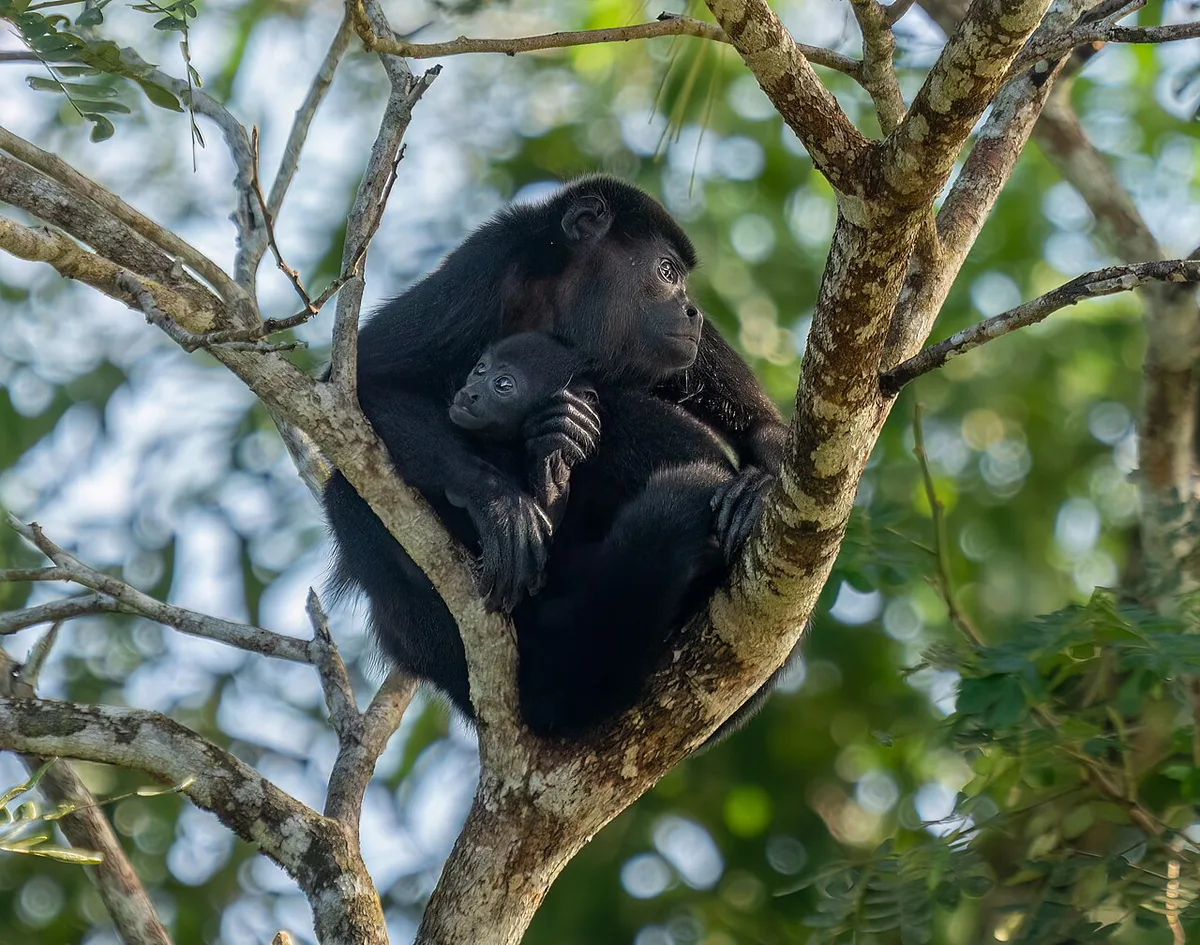
Kids ask one question before the plane even lands: will we see a sloth? Sightings depend on region and timing, not luck. Manuel Antonio and the forested edges around Arenal both produce consistent sloth sightings, especially with a guide's spotting scope. Capuchin monkeys share those same Manuel Antonio trails, often near the beach boardwalk. Howler monkeys turn up almost anywhere near a forest edge, and the call usually carries long before the troop comes into view. Use the table below as a quick reference before choosing a base.
| Animal | Best Region(s) | Best Time to Look |
|---|---|---|
| Sloths | Manuel Antonio, Arenal foothills | Early morning, guided walk |
| Capuchin monkeys | Manuel Antonio | Daytime, beach and forest trails |
| Howler monkeys | Widespread near forest edges, including Arenal and Monteverde | Dawn and dusk — listen for the call first |
| Toucans | Arenal lowlands, Monteverde forest edges | Early morning |
| Sea turtles | Tortuguero (Caribbean coast, seasonal nesting) | Night, guided beach tour only |
| Resplendent quetzal | Monteverde cloud forest | Dawn, breeding season |
Top Regions for Family Wildlife Encounters
Each hub trades off differently between ease of access and wildlife variety. Manuel Antonio with Kids: A Stress-Free Family Guide (2026) pairs a stroller-friendly boardwalk with some of the country's highest odds of spotting sloths and capuchins in one short walk. Arenal With Kids: A Realistic Guide to La Fortuna Family Travel centers on nocturnal frog walks and hanging-bridge sloth spotting near the volcano's base. Monteverde With Kids: A Complete Family Guide to the Cloud Forest trades stroller access for cloud-forest specialties like quetzals, but most trails need a carrier rather than a stroller. Tortuguero adds sea turtle nesting to the list, though it's boat-only and adds a full logistics day each way. Budget the 4-5 hour drive between Arenal and Manuel Antonio into any itinerary. The 10-day Costa Rica family itinerary spaces these hubs out, so kids aren't stuck in a car seat all afternoon.
Toddlers visiting Costa Rica's wildlife regions face a mobility trade-off: most forest trails require carriers or reject strollers. Manuel Antonio's stroller-accessible boardwalks uniquely deliver high odds of spotting sloths and capuchins while keeping KSTR sanctuary access just outside Quepos.
| Region | Wildlife Strength | Toddler/Stroller Access | Travel Note |
|---|---|---|---|
| Manuel Antonio | Sloths, capuchins, high density | Boardwalk paths, stroller-friendly | Closest hub to Pacific-side routes from San José |
| Arenal/La Fortuna | Sloths, frogs, night walks | Mixed paved and dirt trails | About 4-5 hours from Manuel Antonio by road |
| Monteverde | Quetzals, cloud-forest species, hanging bridges | Carrier recommended over stroller | Steep, unpaved access roads |
| Tortuguero | Sea turtles (seasonal), caimans, birds | Boat transfer only, no stroller use | Full travel day each way, no road access |
Ethical Wildlife Centers and Rescue Sanctuaries
Kids Saving the Rainforest (KSTR) is the clearest example of a legitimate rescue near Manuel Antonio and Quepos. The center is based in Naranjito, Puntarenas Province, and its stated hours are Monday through Sunday, 8am to 5pm. Tours walk families through the sanctuary and introduce rescued sloths, primates, and parrots, with staff explaining each animal's rescue story. KSTR also runs volunteer and internship programs, from one week to a year, for students, teachers, and families. Confirm current age requirements and booking windows directly with the center before committing dates. Not every roadside stop billing itself as a sanctuary meets the same standard, so check for real accreditation first.
Many families see animal contact as a photo perk, but sanctuaries permitting hands-on interaction are automatically unethical. Verify genuine rescues through GFAS accreditation, which ensures strict no-contact policies and rescue transparency.
- If you can hold, feed, or pose snuggling an animal, walk away — legitimate rescues never allow contact.
- Look for accreditation from the Global Federation of Animal Sanctuaries (GFAS) or an equivalent verified standard.
- A real sanctuary explains why each animal can't be released, not just that it's cute.
- Genuine centers limit group size and keep noise low near enclosures.
Naturalist Guide vs Going It Alone
A naturalist guide with a spotting scope changes what a family actually sees. Sloths often sit motionless 60-90 feet up a tree. A scope brings that sighting down to eye level for a young child. Expect a small-group guide to run $50-$100. That typically includes the scope, kid-pitched commentary, and a photo through the eyepiece. Walking the same trail solo costs nothing extra, but most families report seeing far fewer animals without a trained eye pointing them out.
Timing and Seasonality for Wildlife Sightings
Early morning departures, before the heat sets in, produce the most animal activity and the shortest lines at park entrances. Sunset walks favor different species; some monkeys and birds get active again as temperatures drop. Night walks are their own category. They target frogs, insects, and nocturnal mammals invisible during the day, and they need a flashlight-carrying guide who knows the trail. Costa Rica's green season, roughly May through November, brings frequent afternoon rain but thins crowds and can concentrate wildlife near remaining food sources. Trails get muddier during those months, so plan outdoor blocks for the morning and keep afternoons flexible.
Costa Rica Wildlife Costs, Tickets, and Booking
Manuel Antonio and other national parks now run on a compulsory online booking system through SINAC, Costa Rica's National System of Conservation Areas. Walk-up entry isn't guaranteed, and popular dates at Manuel Antonio can sell out weeks in advance during high season. Check the SINAC portal directly for current entrance fees, since pricing differs for adults, children, and international visitors and changes year to year. Private reserves charge more than national park entry. They typically offer smaller groups and reserve access that doesn't need a SINAC slot at all. That trade is worth considering if the park calendar is already full. Build in that booking step early. The 10-day family itinerary plans park days around SINAC's reservation windows, not around flight times.
- Book Manuel Antonio's SINAC slot as soon as travel dates are fixed, ideally weeks ahead.
- Compare a private reserve if the park calendar is full; expect a higher price for a smaller group.
- Save a copy of the confirmation offline; signal near some entrances is unreliable.
Wildlife Safety and Gear for Kids
Keep one firm rule at every stop: watch from the trail, never approach or feed anything. Guides carry a scope precisely so kids don't need to get closer for a good view. Pack for wet, uneven ground and sudden rain, especially outside the dry months.
- Kid-sized binoculars, ideally with a wide field of view for younger eyes.
- Closed-toe shoes with grip for wet boardwalks and root-covered trails.
- Lightweight rain jacket, useful any month but essential in green season.
- Insect repellent rated for the tropics, plus long sleeves for dawn and dusk walks.
- A simple wildlife checklist so kids have something to mark off between sightings.
Common Mistakes to Avoid
The most frequent planning mistake is booking a steep, multi-hour trail for a toddler who can walk half a mile at most. Match the trail to the child, not the itinerary. The second is visiting an unaccredited sanctuary that lets visitors hold or pose with animals. Treat that as a disqualifier, not a fun photo op. The third is expecting jungle wildlife to behave like a zoo exhibit. Wild animals move, hide, and don't perform on a schedule, which is exactly why a trained guide's eye matters more than persistence alone. For age-specific pacing, the Costa Rica with toddlers guide breaks down which trails actually suit a stroller-age crowd.
Quick Checklist Before You Go
Use this list as a final pass before departure. Pair it with the Costa Rica with kids planning guide for flights, lodging, and pacing beyond wildlife days.
- Confirm Manuel Antonio's SINAC booking online before finalizing travel dates.
- Pick one sloth-and-monkey base — Manuel Antonio or Arenal — rather than chasing every region.
- Book a naturalist guide for at least one outing per hub.
- Add a KSTR visit if the itinerary passes through Quepos or Manuel Antonio.
- Pack kid binoculars, rain gear, and closed-toe shoes for every trail day.
- Check GFAS accreditation before booking any animal encounter.
When and Where to See Sea Turtles With Kids
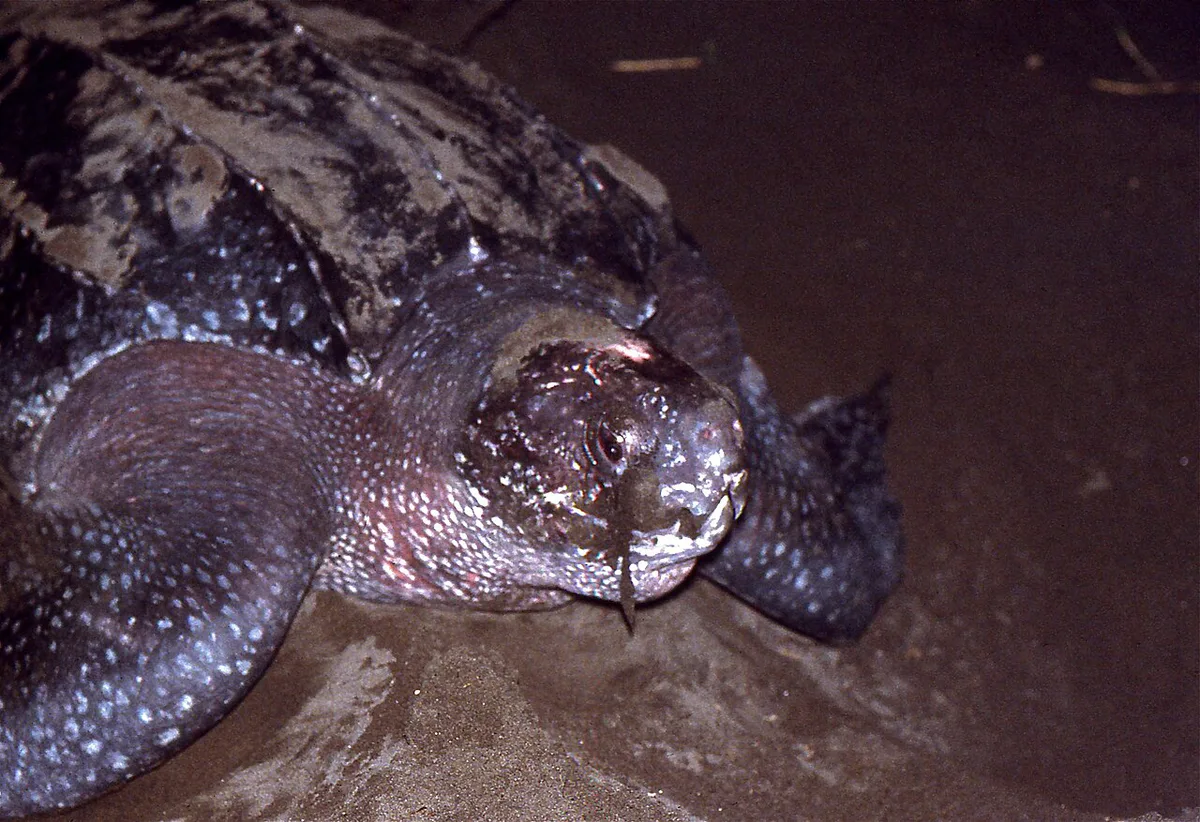
Sea turtle timing depends on the coast and species. In Tortuguero, green turtles usually nest from July through October. Hatchlings may appear later, but sightings are never guaranteed. Leatherbacks generally use Caribbean beaches from March into May.
Pacific options follow different calendars. Olive ridley turtles gather for mass nesting events called arribadas at Ostional Wildlife Refuge. Arribadas can occur throughout the year, with larger events often during the rainy season. Their timing follows lunar and tidal conditions, so confirm dates locally. Las Baulas National Marine Park protects Pacific leatherback nesting beaches, where the season generally runs from October through March.
- Book an authorized guide because nighttime beach access is controlled.
- Choose an early tour when available if younger children struggle with late nights.
- Wear dark clothing and closed-toe shoes suitable for wet sand.
- Keep lights, flash photography, phones, and noise away from nesting turtles.
Tortuguero requires a boat transfer and at least one overnight stay. Ostional fits more easily into a Nicoya Peninsula itinerary, but road conditions can worsen after heavy rain.
For trip-planning details, see Visit Costa Rica — official tourism board and SINAC — Costa Rica national parks authority.
Frequently Asked Questions
Will kids actually see a sloth in Costa Rica?
In most cases, yes. Manuel Antonio and the forested areas around Arenal have consistent sloth sightings, especially on a guided morning walk with a spotting scope.
What is the best national park for wildlife with young kids?
Manuel Antonio, because its stroller-friendly boardwalk trails combine easy walking with some of the country's highest odds of spotting sloths and capuchin monkeys in one visit.
Do you need to book Costa Rica's national parks in advance?
Yes. Manuel Antonio and similar parks require online booking through the SINAC system, and popular dates can sell out weeks ahead, so reserve as soon as travel dates are fixed.
How do you know if a wildlife center in Costa Rica is ethical?
Look for accreditation such as GFAS, and treat any center that lets you hold, feed, or pose with an animal as a red flag rather than a bonus.
Is Monteverde stroller-friendly for wildlife walks?
Not really. Most Monteverde cloud-forest trails suit a carrier better than a stroller, unlike Manuel Antonio's boardwalk paths.
Free guide: Stress-Free Flying with Kids
The pre-flight checklist, carry-on packing list, and in-flight survival plan we use on every family trip — from toddlers to teens.
You might also like


Continue reading
More guides you'll find useful


