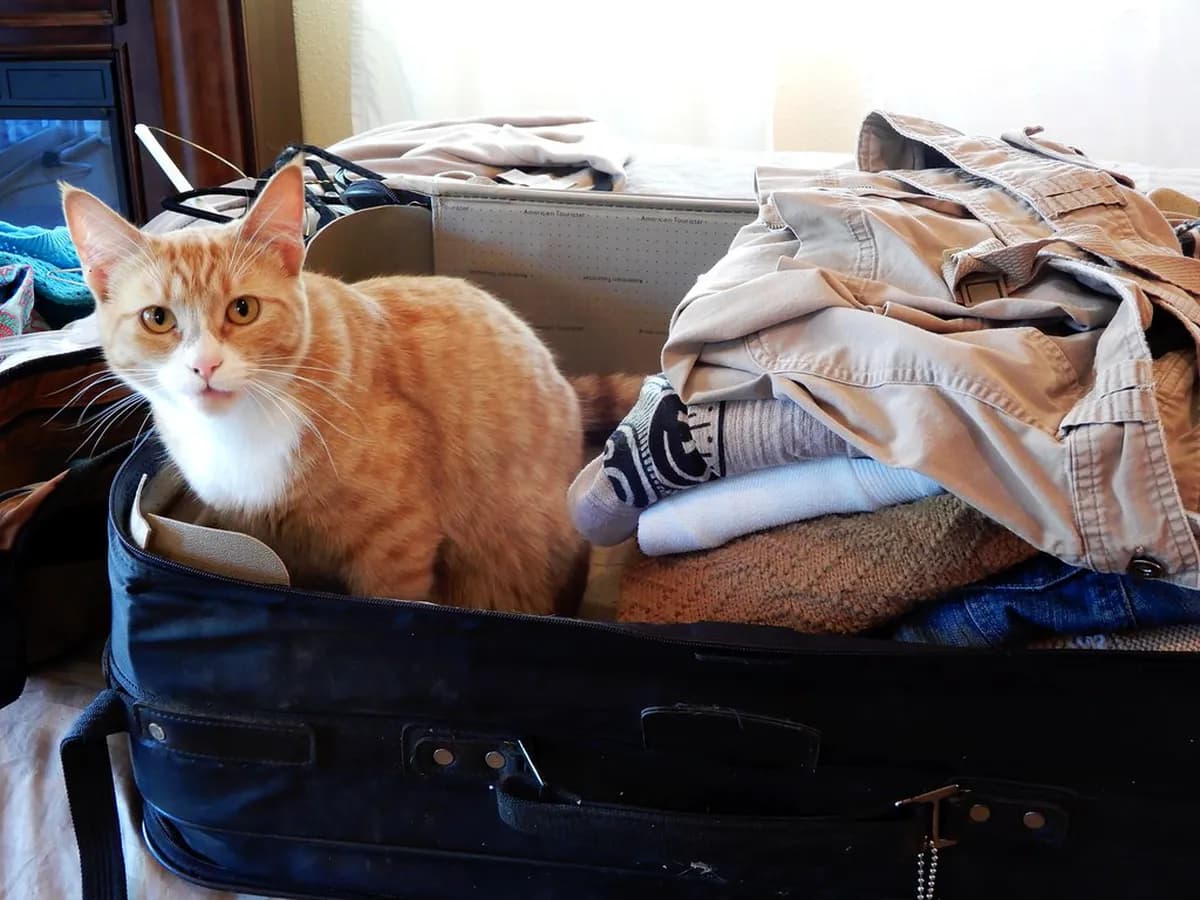
10 Best Family Travel Gear Essentials for Every Age and Stage (2026 Guide)
The 10 pieces of family travel gear worth their bag space in 2026, picked by trip type and kid age, from travel cribs to kids' carry-ons.
On this page
10 Best Family Travel Gear Essentials for Every Age and Stage
Last updated July 2026, this guide narrows the flood of family travel gear down to what actually earns its bag space. The real variables are trip type and kid age: a road trip and an international flight with an infant call for almost none of the same equipment. One rule cuts through most of the noise: if it can be rented, borrowed, or bought at the destination, it does not need to fly in the suitcase.
Free guide: Stress-Free Flying with Kids
The pre-flight checklist, carry-on packing list, and in-flight survival plan we use on every family trip — from toddlers to teens.
The Family Travel Gear Strategy: Pack for Logic, Not "Just in Case"
The most essential piece of family travel gear is not glamorous. It is a car seat or booster currently rated for your child's height and weight. Everything else on this list is a convenience layered on top of that one requirement. A correctly fitted seat is the item you cannot improvise at the destination, because rental-car and rideshare seats vary in age, condition, and fit. Beyond that single non-negotiable, treat every other purchase as a bag-space tax. Ask what a piece of gear replaces, not what it adds. A stroller replaces tired arms on a long concourse walk. A travel crib replaces trust in an unfamiliar rental crib. If a hotel, rental agency, or destination store can supply something reliably, let it. This is also how gear choices should scale with kid age: infant gear tends to be about safety and sleep, toddler gear about mobility, and big-kid gear about self-sufficiency. Four criteria decide whether an item earns a spot in the bag.
- Weight
- Aim for under about 10 lbs so one parent can carry it solo through a terminal.
- Setup time
- Gear should assemble in under two minutes, even in a dark hotel room after a late arrival.
- Washability
- Machine-washable or wipeable fabric needs to survive spills and blowouts without a special cleaning trip.
- Portability
- A shoulder strap or backpack straps beat a bag that needs two free hands to carry.
10 Family Travel Gear Essentials Worth the Bag Space
These ten categories repeatedly earn their bag space across infant, toddler, and big-kid trips. Pricing below reflects brand listings referenced as of 2026; confirm current figures before buying, since travel-gear pricing shifts.
- Kids-sized carry-on luggage
- Away's Kids Carry-On starts around $225, and the adult-sized Bigger Carry-On runs from about $295, per the brand's current listings.
- The adjustable trolley handle extends as a child grows, stretching one bag's useful life across several ages.
- See a full family carry-on lineup for sizes built to nest together at check-in.
- A pop-up travel crib for the older baby or toddler
- A pop-up crib such as the Kidco Peapod weighs about a pound for the sleeping compartment, light enough to skip a bulky pack-n-play.
- It packs inside a family's checked suitcase, so it does not add a separate item to track through the airport.
- Compare setups in the travel crib comparison before a trip with a baby who has outgrown a bassinet.
- A portable, battery-powered sound machine
- White noise helps a child fall asleep in an unfamiliar room and can ease adjustment across time zones.
- A battery-powered unit works without hotel outlets; a phone-based white noise app is a zero-cost backup for the same job.
- A lightweight convertible car seat and luggage strap
- A car-seat luggage strap clips a convertible seat onto a rolling bag, turning it into its own cart through the terminal.
- Generic straps are commonly priced around $15 and fit both carry-on and full-size roller bags.
- Only use a seat labeled FAA-approved for aircraft use if buying an infant their own seat on the plane; CPSC sets the crash-test standards US car seats must meet.
- A slim travel booster or backless vest for bigger kids
- A folding travel booster slips into a backpack and is safety-tested to the same standards as bulkier boosters, though most work from around age 4.
- The RideSafer Travel Vest is a backless alternative tested down to 3 years and 30 lb, useful for kids too small for a standard backless booster.
- A carrier or a compact stroller as your mobile base
- A carrier wins in crowds, on stairs, and on uneven ground where a stroller frame gets stuck.
- A stroller wins for napping toddlers and for hauling the day's gear once your arms are full.
- Work through the trade-offs in the carrier vs. stroller breakdown before picking a primary base for the trip.
- A packing cube system sized for kids
- Away's Kids Packing Cubes start around $40 and let a school-age child pack and unpack their own bag.
- One cube per category, such as tops, bottoms, and pajamas, turns hotel unpacking into a five-minute job instead of a floor explosion.
- The full family packing system extends the same logic to parents' luggage.
- A wipeable diaper backpack
- A machine-washable, wipe-ready diaper bag with a bottle pocket and a change pad survives the diaper years better than a fabric tote.
- Backpack straps free both hands for a stroller handle or a toddler's hand at the same time.
- Packable, layerable outerwear
- A lightweight down or synthetic coat compresses small enough to double as a travel pillow.
- Water-resistant, though not fully waterproof, fabric handles drizzle without the bulk of a full rain shell, and it machine-washes clean after a muddy stop.
- An in-flight sleep kit: inflatable footrest and, with pediatrician approval, melatonin
- An inflatable footrest lets a child lie flat across the seat instead of slumping sideways, which most kids sleep better with on long flights.
- Some families use melatonin on overnight flights and for the first night or two after a big time-zone change; confirm dosage with a pediatrician first.
Road Trip vs. International Flight: Which Gear Earns Its Spot
The same item can be essential on one trip and dead weight on the next. A rental car changes the math, and a small European rental car changes it again. Use the trip format, not the packing list from the last trip, to decide what actually goes in.
| Gear | Road Trip | International Flight |
|---|---|---|
| Convertible car seat | Stays installed in your own vehicle for the whole trip. | Often gate-checked free; needed on board only if you buy an infant their own seat. |
| Pop-up travel crib (e.g. Kidco Peapod) | Takes up real trunk space, especially in a compact European rental car. | Packs into a checked suitcase at about a pound, an easy add for a flight. |
| Car seat luggage strap | Not needed, since the seat stays in the car. | Turns a convertible seat into rolling luggage through security and the jet bridge. |
| Full-size stroller | Fits in most trunks without a fold-size limit. | A compact or umbrella stroller gate-checks more easily than a full-size frame. |
The Gate-Check Reality: What Gets Checked vs. What Flies With You
Most major airlines still gate-check strollers and car seats at no charge, separate from a family's regular baggage allowance. Confirm the current policy on the airline's own baggage page before departure, since size limits and exceptions shift by carrier and route. A few practical patterns hold across most airlines. Car seats and strollers tagged at check-in usually get gate-checked, not counter-checked, so they stay with the family until the jet bridge. Bulkier gear, like a full pack-n-play, typically has to travel as checked luggage instead. A luggage strap that turns a car seat into rolling luggage shortens the walk through security, since it replaces one carried item with one rolled item. For families flying with an infant on a lap, airlines generally still allow a car seat and stroller as free gate-check items even when the infant does not have a paid seat; verify this against the specific airline's infant-in-lap policy before booking.
Age-Specific Gear Breakdown: Infants vs. Toddlers vs. Big Kids
Gear needs shift fast between an infant's first flight and a school-age kid's tenth. Matching the list below to your child's current stage avoids paying for gear that gets outgrown before the next trip.

| Age Stage | Sleep | Seating | Mobility |
|---|---|---|---|
| Infant (0-12 months) | A bassinet or hotel crib usually covers a short trip; a pop-up crib is generally built for the older baby, not a newborn. | A lightweight infant car seat is easier to hang from a stroller frame than a convertible seat. | A carrier keeps hands free through security and jet bridges. |
| Toddler (1-3 years) | A pop-up crib like the Kidco Peapod fits this age well once a child has outgrown a bassinet. | A convertible car seat or a RideSafer Travel Vest, from 3 years and 30 lb, covers car and rideshare seating. | A carrier still wins on stairs and uneven ground; a stroller wins for naps. |
| Big kid (4-8 years) | No dedicated sleep gear needed beyond the same sound machine used for younger kids. | A slim, folding travel booster works for most kids from around age 4. | A kids-sized carry-on a child pulls solo replaces most carrier or stroller needs. |
Budget vs. Investment: Where to Splurge and Where to Save
Not every item deserves the premium price. Spend on gear that is hard to improvise or that a child uses across several years. Save on gear a phone app or a low-cost accessory already covers just as well.
A full-size car seat carries weight at every gate, making the budget recommendation clear: splurge on a lightweight travel-specific convertible rather than borrowing a heavy everyday seat from home.
| Category | Save | Splurge |
|---|---|---|
| Sleep | A free white-noise phone app instead of a dedicated sound machine. | A pop-up travel crib at about a pound, if a rental crib's condition is a concern. |
| Luggage | A generic car seat luggage strap, commonly around $15. | A kids carry-on with an adjustable handle, from about $225, that stretches across several ages. |
| Seating | A slim folding booster instead of a bulky replacement convertible seat. | The convertible car seat already trusted at home, even with the extra weight of carrying it. |
| Organization | Any brand of packing cube, as long as sizes match the luggage. | A full family packing cube system, from about $40, if multiple kids need to self-pack. |
Common Gear Mistakes That Derail Family Trips
Most gear regrets trace back to a handful of repeat mistakes. Reviewing the list below before a departure catches most of them.
- Packing "just in case" duplicates
- A second stroller, a first-aid kit sized for a clinic, or a spare set of bedding rarely leaves the bag.
- Buying a full-size car seat for travel
- A heavy everyday seat instead of a lighter travel-specific one adds weight at every single gate.
- Skipping the luggage strap
- Hand-carrying a convertible seat through the terminal instead of rolling it wastes both hands and energy.
- Ignoring the two-minute setup test
- Gear that takes fifteen minutes to assemble at home takes longer in a dark hotel room after a late arrival.
- Assuming every rental crib matches a travel seat's safety standard
- Rental and hotel cribs vary in age and condition, so confirm what a property actually provides before skipping a travel crib.
Family Packing Systems: What Goes in Each Bag
A family packing system works best when each bag has a job. Put sleep gear, backup outfits, and bulky layers in checked luggage. Keep the first 24 hours in carry-on luggage in case bags are delayed at hubs such as London Heathrow, Paris Charles de Gaulle, or Dallas Fort Worth.

Use one packing cube per child for clothes, then add a shared cube for swimwear, pajamas, or cold-weather layers. Label cubes by child name or color, so a school-age kid can find clothes without unpacking the whole suitcase.
- Personal item: snacks, headphones, wipes, medicine, documents, and one spare outfit.
- Carry-on: diapers, formula or bottles, sleep item, pajamas, and arrival-day clothes.
- Checked bag: extra shoes, outerwear, laundry bag, backup diapers, and destination-only gear.
For road trips, pack the overnight stop bag last so it comes out first. That keeps the trunk from being unloaded at every hotel.
For trip-planning details, see FAA — Flying with Children and TSA — Traveling with Children.
More Family Destinations
Planning the next trip? Explore more of our family guides across family trip ideas.
Frequently Asked Questions
What is the single most essential piece of family travel gear?
A car seat or booster currently rated for your child's height and weight. It is the one item with no easy destination work-around, since rental and taxi seats vary in condition and fit.
Do airlines let you gate-check a stroller and car seat for free?
Most major carriers gate-check strollers and car seats at no charge, separate from checked-bag limits. Confirm the current policy on the airline's baggage page before departure, since rules shift by carrier.
Is a pop-up travel crib like the Kidco Peapod safe to use on the plane?
No, it is destination sleep gear, not an aircraft seat. Its light weight, about a pound for the sleeping compartment, is what makes it easy to pack in checked luggage for use once you land.
At what age can a child use a backless booster or vest instead of a full car seat?
A backless booster typically works from around age 4, and the RideSafer Travel Vest is tested down to 3 years and 30 lb. Confirm the specific seat's age and weight limits before switching.
Should a family bring its own travel crib, or rely on a hotel or rental crib?
Many families bring a pop-up crib for consistency, since hotel and rental crib quality varies by property. Contact the accommodation ahead of time to confirm what it can provide before deciding whether to pack one.
Explore More Family Travel Gear Guides
Pack smarter for your next family trip with these gear guides.
Bags & Organization
Sleep & On-the-Go
Free guide: Stress-Free Flying with Kids
The pre-flight checklist, carry-on packing list, and in-flight survival plan we use on every family trip — from toddlers to teens.
You might also like


Continue reading
More guides you'll find useful