Woodland Park Zoo With Kids: Complete 2026 Family Guide
Woodland Park Zoo with kids: parking lot picks, Zoomazium, age-by-age highlights, and 2026 ticket tips for planning a Seattle family visit.
On this page
Visiting Woodland Park Zoo With Kids in 2026
Last updated July 2026. Woodland Park Zoo with kids rewards a little planning: nap schedules, drizzle, and which entrance gets you closest to the exhibits that matter most. The 92-acre Phinney Ridge park typically takes three to five hours to see well, and it ranks among the bigger single-stop commitments for a Seattle family day. This guide breaks that down by age, weather, entrance, and budget so the visit matches the kids you actually have with you.
Free guide: Stress-Free Flying with Kids
The pre-flight checklist, carry-on packing list, and in-flight survival plan we use on every family trip — from toddlers to teens.
Woodland Park Zoo With Kids: What to Expect
Woodland Park Zoo sits on 92 acres in Seattle's Phinney Ridge neighborhood, laid out as naturalistic habitats rather than rows of cages. Most families spend three to five hours inside, which makes it one of the longer single-stop commitments in a Seattle itinerary with kids. The zoo groups animals by region and habitat type, so one loop can move from Northwest forest species to African savanna animals in a short walk. Some animals, including certain bears and birds, may be off-exhibit at times for seasonal or health reasons. Treat any single-species sighting as a bonus rather than a guarantee, and check the zoo's own site the morning of the visit for exhibit closures.
Best Time to Visit Woodland Park Zoo
Mornings bring more animal activity and thinner crowds, especially in the first hour or two after opening. Many species are more active before midday heat or midday crowd noise sets in, particularly in summer. Afternoons suit families with late risers, but expect more strollers on the paths and longer lines at popular stops like Zoomazium. Weekday visits are consistently quieter than weekends, and shoulder-season weeks in spring and fall tend to be calmer than peak summer. Seasonal hours apply, and summer hours typically run longer than winter hours, so check the current schedule before heading out.
Pre-booking timed-entry tickets online is essential in peak summer, especially for weekend visits; weekday mornings bring thinner crowds and more animal activity, making them the ideal time to visit.
Getting There: Parking and Public Transit
Woodland Park Zoo has two main entrances, each with its own paid parking lot, and picking the right one saves a real walk with young kids. Driving is the most flexible option, but paid lots fill on weekends and holidays, so arriving close to opening helps secure a spot. Public transit avoids the parking question entirely and drops riders close to the zoo without a parking fee. Here is how the entrances and transit option break down:
| How to Arrive | What You Get | Best For |
|---|---|---|
| West Entrance / West Lot (Driving) | Closest to Zoomazium, penguin exhibit, toddler-friendly stops | Quick visits and toddlers |
| South Entrance / South Lot (Driving) | Closer walk to African Savanna and zoo's southern loop | Longer loops and school-aged kids |
| King County Metro RapidRide E Line (Transit) | Reaches zoo via Aurora Avenue N without parking fee | Avoiding parking search and cost |
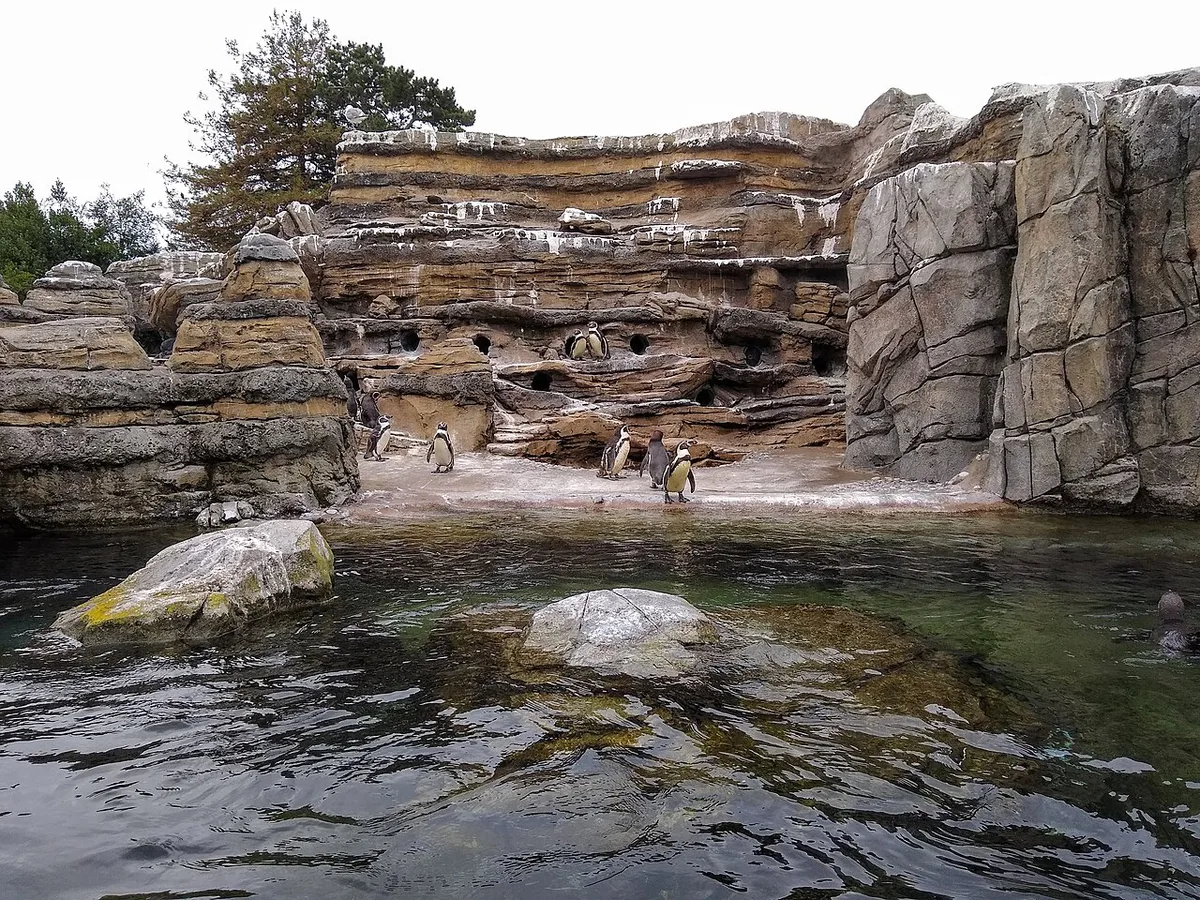
- West Entrance / West Lot: closest parking to Zoomazium, the penguin exhibit, and other toddler-friendly stops
- South Entrance / South Lot: closer walk to the African Savanna and the zoo's southern loop
- King County Metro RapidRide E Line: runs along Aurora Avenue N and reaches the zoo without a parking fee
Tickets, Passes, and Cost
Day tickets run above $30 per adult, with dynamic pricing that shifts by date and season. Check the official Woodland Park Zoo site for the current rate before finalizing a budget, since prices change through the year. Members and CityPASS holders skip the standard ticket line, which matters most on summer weekends when gate lines build up fast. Pre-booking a timed-entry ticket online is worth doing year-round and close to essential in peak summer. Families visiting more than once a year often find a membership works out cheaper than paying full price twice.
Toddlers and Preschoolers (Ages 0-4)
Zoomazium is an indoor, nature-themed play space built for crawlers through kindergartners, and it doubles as the zoo's built-in rain backup. The Rose Garden sits outside the paid gates and costs nothing to visit, which makes it a good pre- or post-zoo stop for a stroller nap. The Habitat Discovery Loop keeps walking distances short, with animals visible close to the path instead of across wide-open enclosures. Toddlers tend to tire faster on the zoo's inclines than on flat city sidewalks, so building in a Zoomazium or Rose Garden break partway through helps. Families traveling with a stroller-age child should also read the dedicated guide to traveling with toddlers in Seattle for nap-time and pacing advice.
School-Aged Kids (Ages 5-10)
School-aged kids generally have the stamina for the zoo's bigger loops and more spread-out exhibits. The Living Wetland gives a closer look at Pacific Northwest wetland species than the shorter paths built for toddlers. The African Savanna is the zoo's largest open habitat and usually the longest walk from either entrance. The Tropical Rainforest exhibit adds a warm, enclosed break from outdoor walking, useful on a cooler day. This age group can typically handle the zoo's full loop in one visit without the mid-route rest stop toddlers usually need.
The Rainy-Day Route
Seattle drizzle does not close the zoo, but it does change the best route through it. Zoomazium, the Tropical Rainforest building, and the Bug World exhibit are the three indoor stops that can each hold a family's attention without anyone getting wet. Chaining those three together, with short dashes between them, keeps a rainy visit workable for kids under about six. For more wet-weather options across the city, see this guide to rainy-day Seattle activities. Beyond the zoo grounds, other indoor stops work well on the same kind of day:
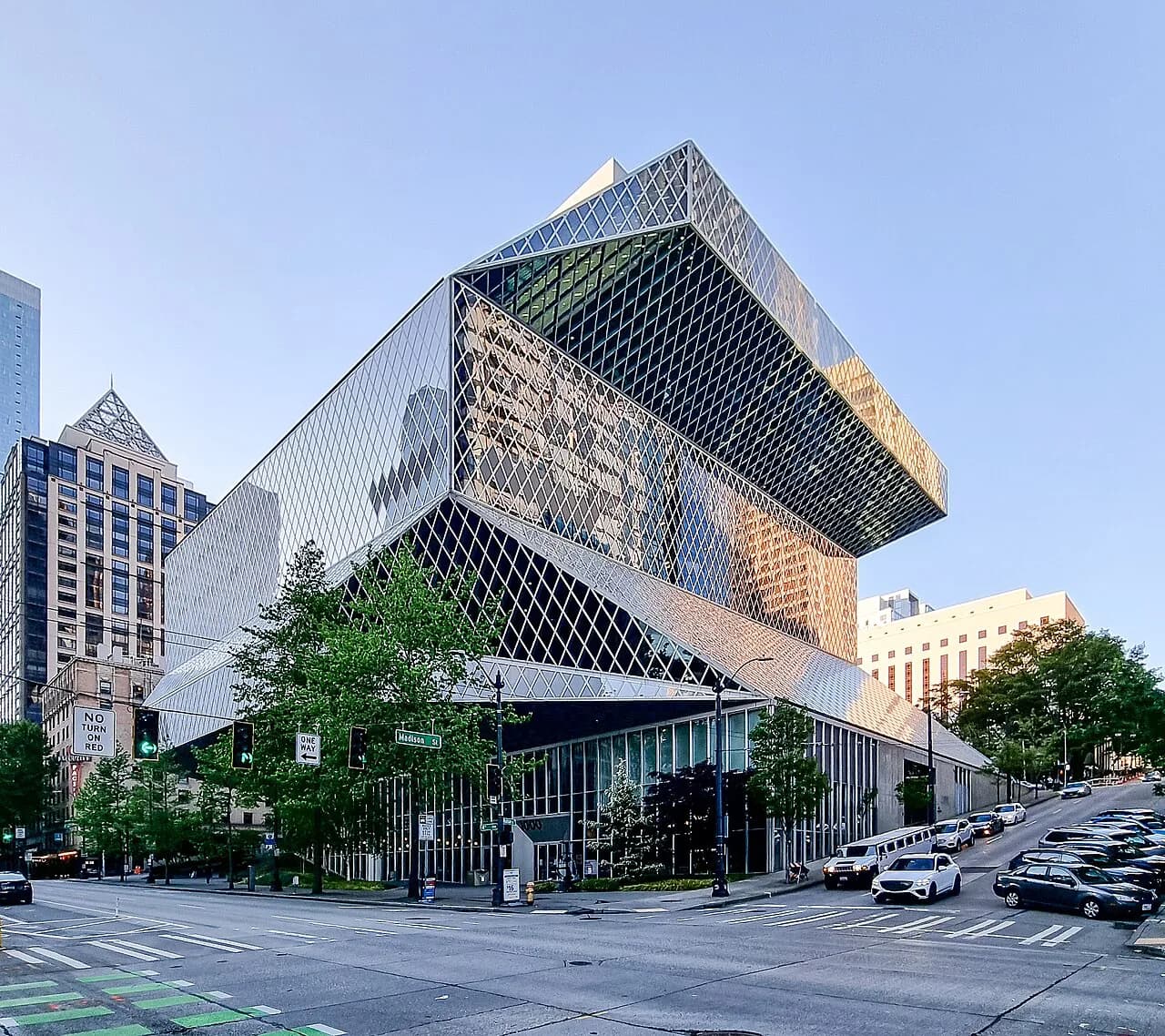
- Seattle Central Library's family space, free and downtown
- the Klondike Gold Rush site in Pioneer Square, also free
Strategic Loops: How to Navigate the Zoo
Families with a toddler mid-meltdown, or under two hours to spare, should stick to a short loop near one entrance rather than crossing the whole park. Enter and exit through the same lot. Hit two or three exhibits closest to that entrance. Finish at Zoomazium or the Rose Garden before heading back to the car or bus stop. Families with a full morning or afternoon can walk entrance to entrance in one direction, seeing the savanna, wetland, and rainforest exhibits without doubling back. Plan a rest stop roughly halfway through either route, since the zoo's paths involve real hills, not flat pavement throughout.
Families can compress visits to under two hours using one entrance and short loops, but school-aged kids generally handle the full three-to-five-hour loop, while toddlers tire faster on the zoo's inclines and need mid-route rest stops at Zoomazium or the Rose Garden.
Food, Strollers, and Facilities
The zoo's Food Pavilion covers most quick-meal needs, though prices run at typical zoo-concession levels. Packing a picnic is allowed in designated areas and can save money on a multi-hour visit. A wagon handles the zoo's gravel paths and inclines better than a small-wheeled stroller. Both wagons and strollers are available to rent near the entrances, with rates posted at the rental kiosk. Family restrooms and quiet spaces are located at multiple points across the 92-acre grounds for diaper changes, nursing, or a sensory break.
- Food Pavilion: hot food, snacks, and drinks near the center of the grounds
- Picnic areas: designated spots where outside food is allowed
- Wagon and stroller rental: available near the main entrances; wagons handle hills better than small wheels
- Family restrooms and quiet spaces: located at multiple points around the zoo
Accessibility and Sensory-Friendly Visits
Woodland Park Zoo's main paths are paved and stroller-accessible, though grades vary across the 92-acre property and a few sections involve real hills. Wagons handle those grades better than compact umbrella strollers, which is part of why rental wagons are popular with families pushing more than one child. The zoo also provides quiet spaces for visitors who need a break from crowds, noise, or bright exhibits mid-visit. Families managing sensory sensitivities should check the zoo's current accessibility information before the trip, since specific offerings like sensory bags can change season to season. Family restrooms, described above, double as a low-stimulation stop for a quick reset between exhibits.
Woodland Park Zoo vs Other Seattle Attractions
Woodland Park Zoo's 92 acres are bigger and more outdoor-heavy than most other Seattle attractions built for kids, which shapes how to pair it with the rest of a trip. A Seattle Aquarium visit is smaller and easier to finish in a single stroller nap, which suits younger toddlers or a rainy morning better than the zoo does. A Pacific Science Center visit leans indoor and hands-on, so it works well as a rainy-day alternative or a same-day pairing with a shorter zoo stop. Families building a longer trip around the zoo often add other day trips on nearby days. Popular pairings include:
- the waterfront and Great Wheel, for a shorter half-day stop
- a Mount Rainier day trip, for families with a car and a full day
- the Bainbridge Island ferry, for a scenic, lower-cost outing
Which Entrance to Use With Kids
Choose the entrance around your first 45 minutes, not just the shortest drive. The West Entrance is the easiest starting point for toddlers because it puts you closer to Zoomazium, the penguins, and several compact stops. That matters when a child may only have one good hour before needing food or a reset.
The South Entrance works better for families making the African Savanna a priority. It also fits older kids who can handle longer paths and want a bigger loop from the start. If parking is tight, do not spend too long circling one lot with children in the car. Park where space is available, then trim the route inside.
- West Entrance: best for Zoomazium, penguins, toddlers, and short visits.
- South Entrance: best for African Savanna, longer loops, and school-aged kids.
- Transit arrival: plan the first exhibit from the nearest gate, then avoid crossing the whole zoo twice.
For trip-planning details, see Woodland Park Zoo official site.
Further reading: Seattle on Wikivoyage · Seattle on Wikipedia
Frequently Asked Questions
How long do you need at Woodland Park Zoo with kids?
Plan on three to five hours for a full visit, longer if a nap or a Zoomazium play break gets added in. Families short on time can still cover a satisfying loop in under two hours by sticking close to one entrance and skipping the far side of the park.
Can you bring your own food into Woodland Park Zoo?
Yes. Outside food and drinks are allowed in designated picnic areas around the grounds, which is a straightforward way to cut costs on a longer visit. The Food Pavilion is also available for anyone who prefers to buy on-site rather than pack a cooler.
Is Woodland Park Zoo better than the Seattle Aquarium for toddlers?
Both work well for toddlers, but they suit different limits. The aquarium is smaller and easier to finish in a single stroller nap, while the zoo takes longer and involves more walking. For a toddler with a short attention span, or on a rainy morning, the aquarium is often the easier first stop; a toddler who likes to walk and explore outdoors does well at the zoo too.
What happens if it rains at Woodland Park Zoo?
The zoo stays open through Seattle's typical drizzle. Zoomazium, the Tropical Rainforest building, and the Bug World exhibit give a family enough indoor ground to cover to keep a rainy visit workable, especially for kids under about six.
When is the best time to visit Woodland Park Zoo with kids?
Weekday mornings, especially in the first hour or two after opening, bring more animal activity and thinner crowds. Shoulder-season weeks in spring and fall are generally calmer than peak summer weekends, when gate lines and parking lots fill up fastest.
Free guide: Stress-Free Flying with Kids
The pre-flight checklist, carry-on packing list, and in-flight survival plan we use on every family trip — from toddlers to teens.
You might also like


Continue reading
More guides you'll find useful