

Klondike Gold Rush National Historical Park Seattle: Family Guide & Tips
Plan a 2026 visit to Klondike Gold Rush National Historical Park in Seattle: free entry, Junior Ranger badges, and hands-on gold-rush exhibits for kids.
On this page
Klondike Gold Rush National Historical Park: The Seattle Unit
Last updated July 2026: Klondike Gold Rush National Historical Park in Seattle occupies a single free museum inside Pioneer Square's historic Cadillac Hotel building. The Seattle unit tells the outfitting side of the 1897 gold rush story, with hands-on exhibits, a Junior Ranger program, and two exhibit floors families can cover in about an hour. It pairs easily with a rainy-day Seattle itinerary and sits within walking distance of the Seattle waterfront.
Free guide: Stress-Free Flying with Kids
The pre-flight checklist, carry-on packing list, and in-flight survival plan we use on every family trip — from toddlers to teens.
The Seattle Unit of Klondike Gold Rush National Historical Park
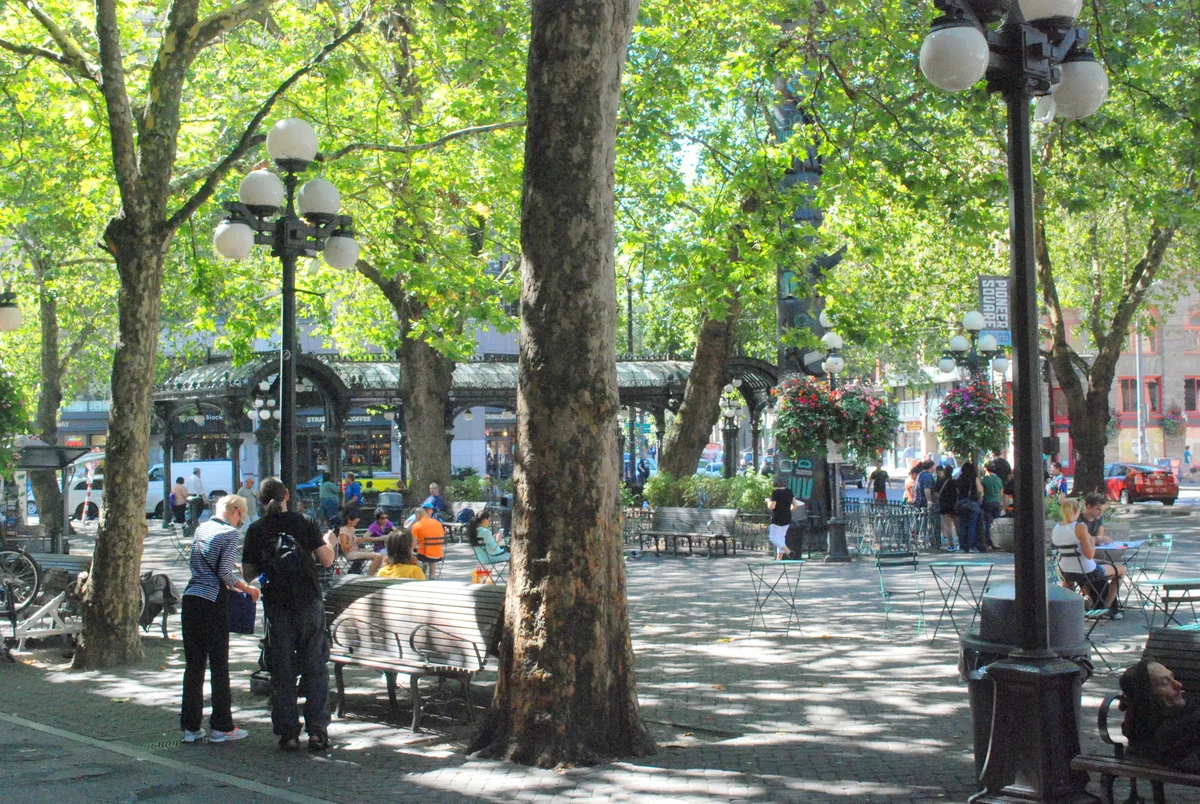
The Seattle unit of Klondike Gold Rush National Historical Park sits inside the historic Cadillac Hotel building, at the corner of Jackson Street and Second Avenue South in the Pioneer Square National Historic District. It commemorates the 1897 rush north, when thousands of stampeders outfitted here before sailing toward the Yukon Territory in Canada. Seattle merchants supplied gear, food, and transport for people passing through the port city on their way to the goldfields. The museum tells that outfitting and commerce story rather than a mining one, which is why you won't find pans or sluices here. Entry is free, and the visitor center anchors a larger four-unit park that also includes three sites in Skagway, Alaska. Because it sits downtown rather than in the wilderness, the Seattle unit works as a compact, weather-proof stop rather than a half-day excursion. For families building a Seattle with kids itinerary, this stop adds a free, indoor history hour without needing a car or a full afternoon.
Best Things to Do with Kids at the Visitor Center
The Seattle unit is built for hands-on exploration rather than glass display cases. Rangers run the Junior Ranger program throughout the day, and kids who complete the activity booklet earn a physical badge before they leave, which is one of the better free souvenirs in the city. Three interactive stations tend to hold younger visitors the longest, and none of them need advance booking. None of these exhibits require a ticket or a reservation, so you can arrive, start the Junior Ranger booklet, and work through the stations at a child's pace.
Entry is free with no reservations needed. The indoor museum across two floors typically takes 1–2 hours, making it a low-cost, weather-proof option for families building a Seattle-with-kids itinerary without committing a full afternoon.
- Junior Ranger booklet and badge: pick up the activity guide at the front desk, work through it with a ranger's help, and earn a badge on the spot.
- Gold scale exhibit: weigh a replica gold bar and work out how many it would take to reach one ton.
- Struck It Rich wheel: spin the big wheel to find out whether a stampeder's gamble would have paid off.
- Replica Stampeders winter cabin: step inside a full-size cabin and compare its size and supplies to a modern home.
Inside the Cadillac Hotel: Exhibits, the Kerr Room, and Trails and Rails
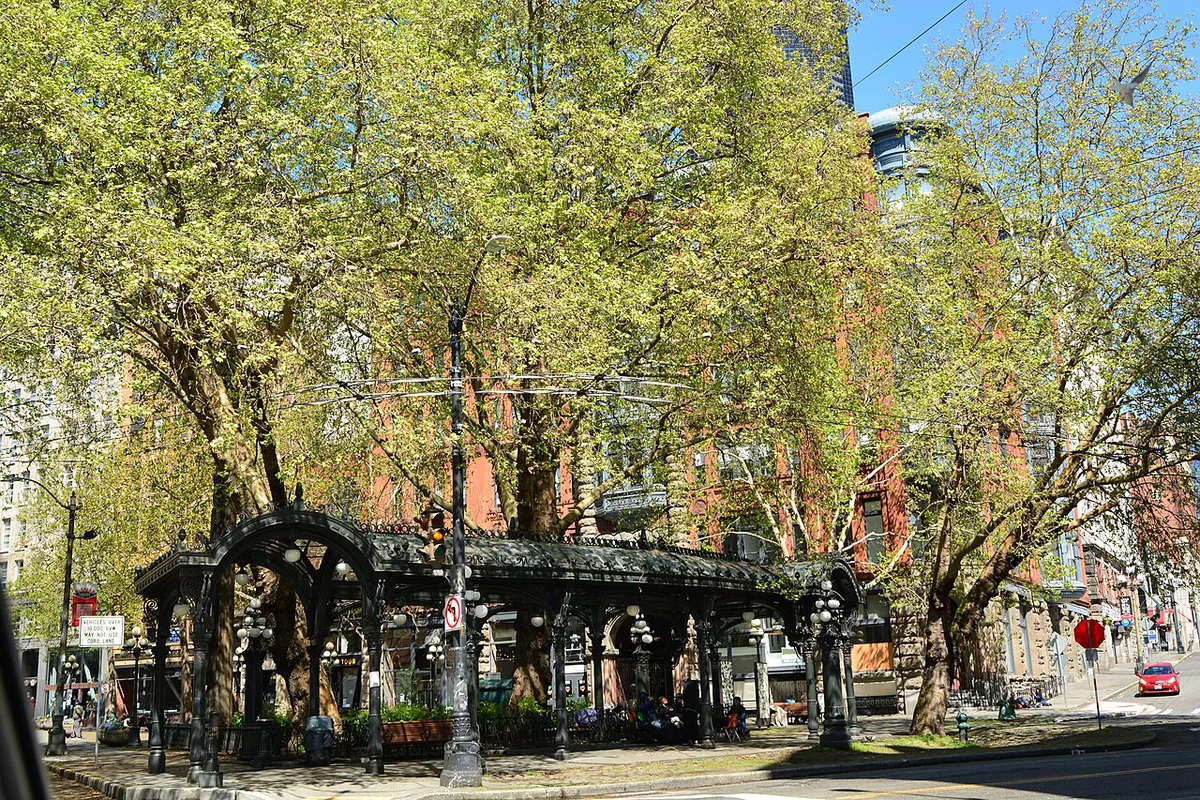
The building itself is part of the history lesson. The Cadillac Hotel dates to the gold rush era and now houses two floors of exhibits, connected by elevator access, which matters if you're traveling with a stroller or a wheelchair. The Kerr Room hosts a rotating exhibit space that features art, history, and culture beyond the 1897 story, so the display changes between visits and rewards a repeat stop if you live in the area. Rangers also lead the Trails and Rails program, which puts NPS guides on Amtrak's Coast Starlight train for programs running daily through Sunday, September 27, 2026, extending the park's storytelling beyond the museum walls. Separately, the park staffs a Ranger Station inside the downtown REI, an outdoor recreation information center for hikers and paddlers planning trips beyond the city. None of these extras cost anything beyond the time to show up.
Planning Your Visit: Hours, Cost, and Timing in 2026
Entry to the Seattle unit is free, and most families spend one to two hours moving through both floors, longer if kids want to finish the full Junior Ranger booklet. Because visitor center hours can shift seasonally, confirm the current schedule on the National Park Service site before you go rather than relying on an old printout. On a rain-heavy Seattle day, this museum works well alongside other rainy-day Seattle activities, since it's one of the few genuinely free indoor options downtown. Arriving close to opening tends to mean a quieter museum and more one-on-one time with rangers for the Junior Ranger sign-off. Quick facts for planning:
| Detail | Information |
|---|---|
| Address | 319 Second Ave S, Seattle, WA 98104 |
| Phone | 206-220-4240 |
| Cost | Free |
| Typical visit length | 1-2 hours |
| Floors | Two, connected by elevator access |
Getting to Pioneer Square: Transit and Parking
Pioneer Square is a compact, walkable district, but it catches out first-time drivers. Street parking near the visitor center is metered and limited, especially on weekdays, and several public garages serve the neighborhood if you'd rather skip the search entirely. Pioneer Square is also served by Link light rail, operated by Sound Transit, putting the visitor center within walking distance of a station for anyone arriving without a car. Once you're in the neighborhood, a few other family stops are close enough to combine into one outing. The Seattle waterfront and Great Wheel are a walkable add-on if the weather cooperates, and the Seattle Central Library is another nearby stop worth pairing with the museum, especially if you want a second free, indoor activity in the same trip.
How the Museum Compares for Educational Value
Because entry is free and the exhibits are hands-on, the Seattle unit works as a low-cost anchor for a history-and-science day. It pairs naturally with the Pacific Science Center for families who want to balance 1897 history with hands-on science exhibits elsewhere in the city. Where the science center charges admission for timed exhibits, the Klondike museum is free and self-paced, which makes it easier to slot into a half-day rather than build a full day around it. Treat the two as complementary rather than competing stops: one covers regional history, the other covers science, and neither needs more than a couple of hours.
Unlike timed science-center exhibits requiring advance booking, the Klondike museum is free, self-paced, and hands-on across two accessible floors—equally good for a one-hour history stop or deeper exploration of 1897 commerce and outfitting.
From Seattle to Skagway: The Larger Klondike Gold Rush National Historical Park
The Seattle unit is one piece of a larger, four-unit park. The other three sit in the Municipality of Skagway Borough, Alaska: the White Pass & Yukon Route Railway Broadway Depot, which now serves as the Skagway visitor center; the adjoining Administration Building, which houses a museum on its ground floor; Jeff. Smith's Parlor, a former base of operations for con man Jefferson 'Soapy' Smith; and Martin Itjen's House, which now serves as the joint NPS and Parks Canada Trail Center. Skagway is also the gateway to the Chilkoot Trail, the multi-day route stampeders hiked toward the Yukon goldfields, and to the Dyea townsite where that trail begins. In 1998, Klondike Gold Rush National Historical Park joined with Chilkoot Trail National Historic Site, Dawson Historical Complex National Historic Site, and the Thirty Mile stretch of the Yukon River to form Klondike Gold Rush International Historical Park, a binational partnership with Parks Canada that completes the story on both sides of the border. Seen together, the Seattle unit works as the prologue: the outfitting and departure point, while the Alaska units and the Yukon sites carry the story through the trail and into Dawson City.
| Feature | Seattle Unit (Pioneer Square) | Alaska Units (Skagway) |
|---|---|---|
| Primary focus | Staging, outfitting, and commerce | Trails, mining camps, and the physical journey |
| Cost | Free | Varies by park entry and permits |
| Time commitment | 1-2 hours | Days if hiking the Chilkoot Trail, or a full day for the historic district |
| Setting | Urban, indoor museum | Wilderness and historic district |
Common Mistakes to Avoid
A few planning slips are easy to make with this stop, and most are avoidable with a little lead time. Building in slightly more time than expected, and checking hours before you leave, avoids most of these.
- Skipping the Junior Ranger badge: the booklet takes real time to finish, so start it early in the visit rather than at the door on the way out.
- Expecting a hiking park: the Seattle unit is an indoor museum, not a trailhead. The trail portion of the story is in Skagway and on the Chilkoot Trail.
- Underestimating parking: metered street spots near the visitor center fill fast on weekdays, and public transit or a garage is often the easier call.
- Skipping the Kerr Room: the rotating exhibit changes over time, so it's worth a look even on a repeat visit.
- Rushing the visit: with two floors and several hands-on stations, 45 minutes is tight for kids who want to spin the wheel and finish the Junior Ranger booklet.
For trip-planning details, see Klondike Gold Rush NHP — National Park Service.
Further reading: Seattle on Wikivoyage · Seattle on Wikipedia
Frequently Asked Questions
Is Klondike Gold Rush National Historical Park in Seattle free to visit?
Yes. Entry to the Seattle unit inside the Cadillac Hotel building is free, with no timed tickets or reservations needed for the exhibits, the Junior Ranger program, or the Kerr Room's rotating displays.
How much time should you plan for a visit?
Most families spend one to two hours moving through both exhibit floors. Add extra time if kids are working through the full Junior Ranger booklet, since finishing it for the badge takes longer than a quick walk-through.
Can kids earn a Junior Ranger badge at the Seattle unit?
Yes. Pick up the activity booklet at the visitor center, complete it with help from a ranger, and kids can earn a physical Junior Ranger badge before leaving, at no cost.
How does the Seattle unit relate to the Skagway, Alaska units?
The Seattle unit is one of four units in the park. The other three sit in Skagway, Alaska, and cover the trail and mining side of the story, while Seattle covers the outfitting and departure side.
Is parking easy near the Pioneer Square visitor center?
Not especially. Street parking is metered and limited, so a public garage nearby or Link light rail are often more reliable than searching for a curb spot, particularly on weekdays.
Does the museum work as a rainy-day activity in Seattle?
Yes. Because it's a free, indoor museum with hands-on exhibits across two floors, it's a solid pick when you need a weather-proof stop between other outdoor plans.
Free guide: Stress-Free Flying with Kids
The pre-flight checklist, carry-on packing list, and in-flight survival plan we use on every family trip — from toddlers to teens.
You might also like


Continue reading
More guides you'll find useful


