Seattle with Toddlers: 12+ Stress-Free Activities & Local Tips
Planning a trip to Seattle with toddlers? Find stroller-friendly stops, rainy-day backups, and transit tips for a stress-free family visit.
On this page
The Ultimate Guide to Navigating Seattle with Toddlers
Last updated July 2026, this guide rebuilds Seattle with toddlers around nap windows, stroller logistics, and quick rain shelters instead of a standard sightseeing list. Ages 1 to 4 need shorter walks, softer sensory stops, and a fast retreat from Puget Sound drizzle. The plan below uses Seattle Center as a home base, with stroller routes out to the waterfront and Woodland Park Zoo.
Free guide: Stress-Free Flying with Kids
The pre-flight checklist, carry-on packing list, and in-flight survival plan we use on every family trip — from toddlers to teens.
Top Things to Do in Seattle with Toddlers
Seattle Center works as the best home base for a toddler-paced trip, and the full Seattle with kids guide covers the wider list of family stops citywide. Inside the campus, the Artists at Play playground and the International Fountain give toddlers two low-effort stops within a short walk of each other. Both sit close to the Space Needle, so a parent can trade off a quick look at the tower while the toddler plays. The waterfront and Woodland Park Zoo round out the highest-energy half of the trip, each reachable by a short transit ride from Seattle Center.
- Artists at Play playground: toddler-scale slides and rubber safety surfacing sit close to the Space Needle base. The layout keeps sightlines open, so you can watch a toddler from a bench without following every step.
- International Fountain: water jets cycle on a timer under City of Seattle park operating hours, so check before you pack towels. Bring a full change of clothes if your toddler runs through the spray, since the fountain soaks fast.
- Waterfront: ride the Great Wheel and waterfront for a slow, seated view of Puget Sound. Follow it with the Seattle Aquarium visit next door, since both sit on the same stretch of waterfront.
- Woodland Park Zoo: the Woodland Park Zoo guide covers Zoomazium, an indoor play space built for toddlers on rainy or overstimulating days. Paved paths connect every zone, so a stroller works for the whole visit.
Rainy-Day Backups for Indoor Play
Seattle sees rain across fall, winter, and spring, so build at least one indoor backup into every day with a toddler. A rained-out morning does not have to cancel the trip if a backup is mapped out in advance. The three stops below cover different energy levels, from active play to quiet browsing, so pick based on how the morning has gone so far.
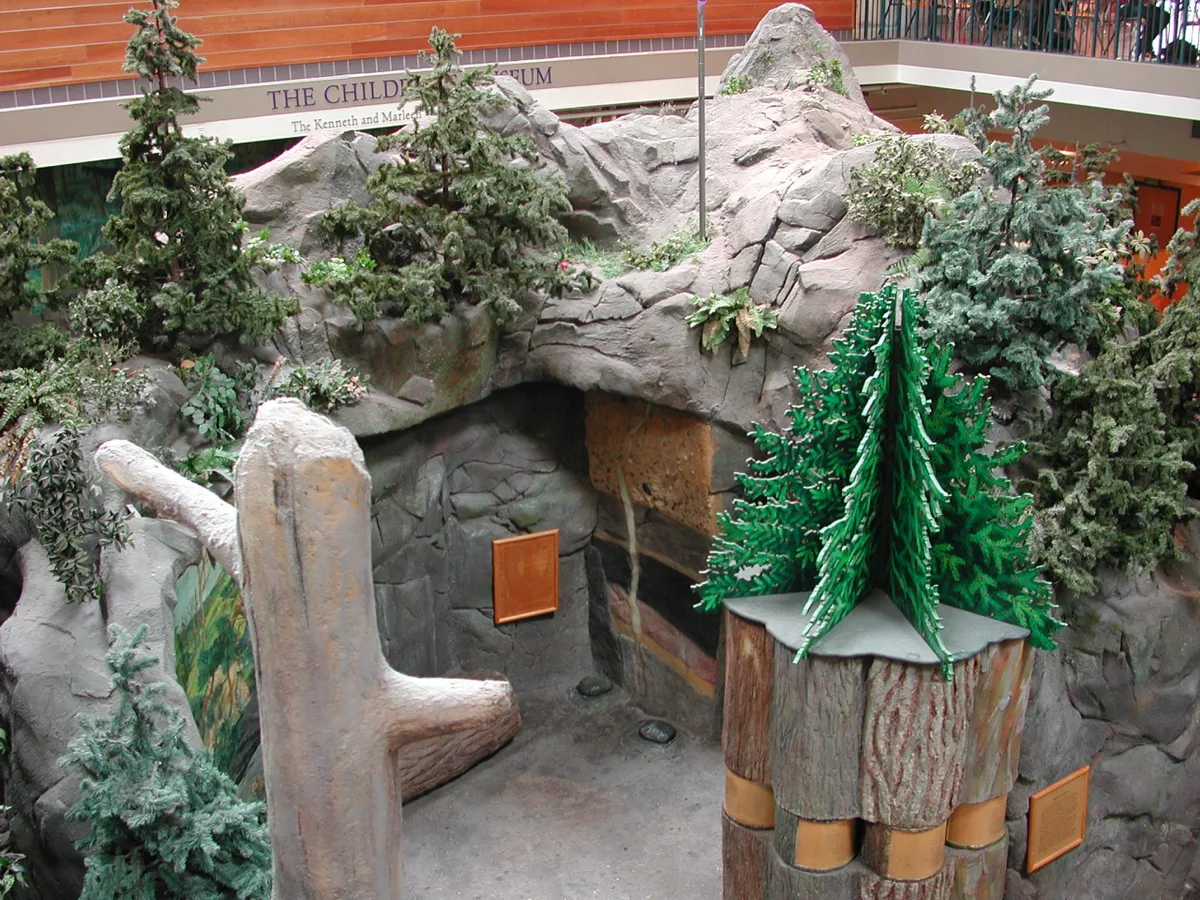
- Seattle Children's Museum: located inside the Seattle Center Armory, its toddler zone recreates a small neighborhood scaled down for kids under 5. The museum sits a short walk from Artists at Play, so a rained-out playground visit can pivot indoors fast.
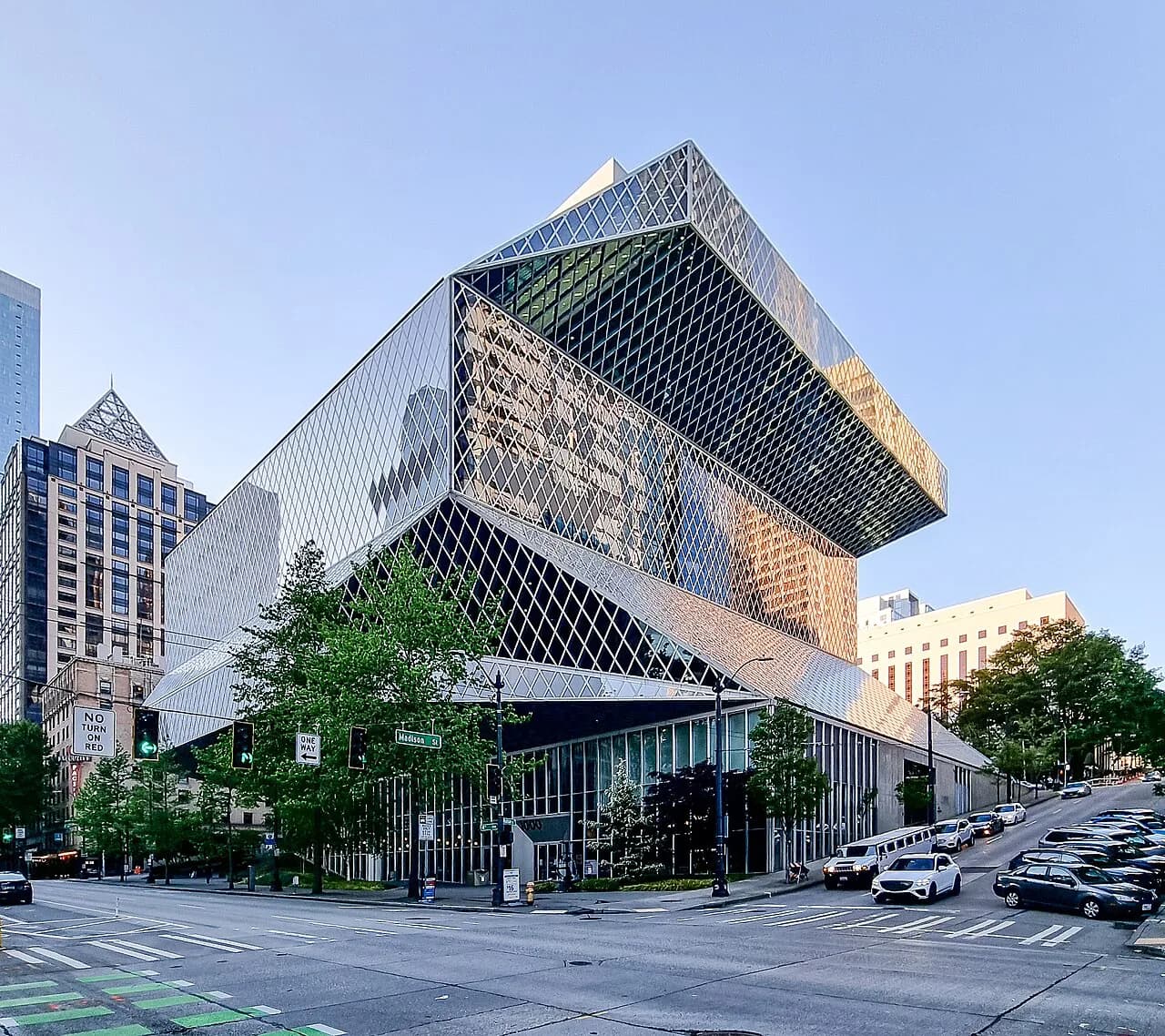
- Seattle Central Library: the Central Library's family floor pairs a dedicated kids' floor with architecture that holds a toddler's attention without a single toy. Glass floors and open stairwells give a toddler something new to look at on every level.
- Pacific Science Center: the Pacific Science Center runs a Toddler Care Center and a Butterfly House built for the under-five crowd. Both spaces are indoors and low-noise, which helps after a loud morning at the fountain or the zoo.
- For the full indoor list, bookmark the rainy day Seattle guide before the trip, so the closest backup is already mapped when the forecast turns.
Navigating Seattle with a Stroller: Hills, Transit, and Elevators
Seattle's downtown streets climb as steep as a 15% grade in places, which turns a short walk into a workout with a stroller. Public elevators along the waterfront lift you past the steepest blocks, so use them instead of pushing uphill. Pick a carrier or a stroller by location, not by habit, since the right choice changes block by block.
Pike Place Market demands a carrier over a stroller due to crowded, narrow aisles and stairs. Arrive before mid-morning on weekdays, and use the waterfront's Hillclimb elevator route to avoid stair climbs from the Seattle Aquarium. These logistics make Pike Place a short morning stop, not a half-day wander.
| Location | Best Choice | Why |
|---|---|---|
| Pike Place Market | Carrier | Market floors get crowded and stairs slow a stroller to a stop on weekends. |
| Olympic Sculpture Park | Stroller | Flat, paved paths run the length of the park with no stairs. |
| Seattle waterfront | Stroller, plus elevators | Public elevators skip the steepest blocks between the water and Pike Place. |
| Woodland Park Zoo | Stroller | Paved loop paths connect every zone, including Zoomazium. |
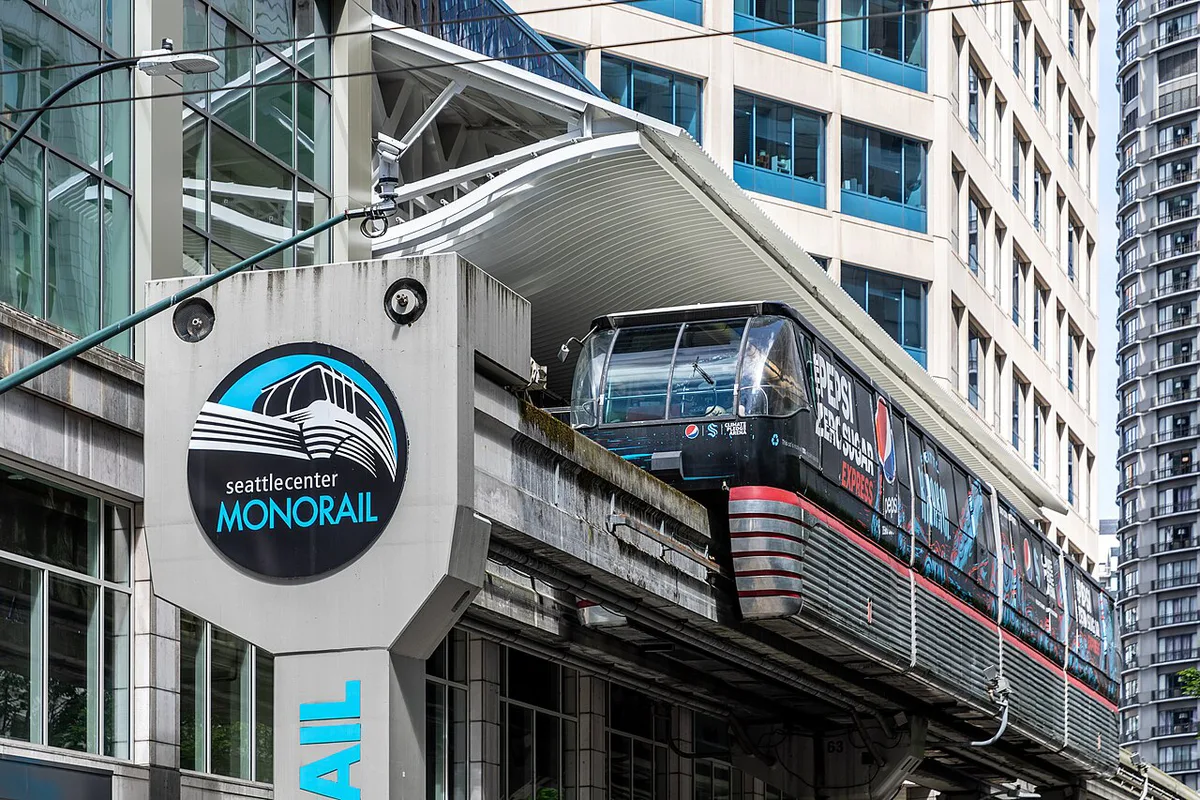
- Transit doubles as entertainment for a toddler in Seattle. The Monorail connects Seattle Center and Westlake Center in one quick hop, and the short ride works as a reward on its own.
- Link light rail runs from Seattle-Tacoma International Airport into downtown, with space onboard for a folded or full-size stroller. Confirm current stroller rules with Sound Transit and King County Metro before boarding, since bus and rail policies can change.
- A toddler who loves a long ride will prefer Link light rail for its novelty. A fast hop between two fixed points favors the Monorail for speed.
- The Bainbridge Island ferry ride works the same way. Toddlers treat the crossing as a ride, not a chore, and the open deck and engine noise hold their attention for the full trip. Check current sailing times with Washington State Ferries, operated by WSDOT, before planning a crossing around a nap.
Where to Stay: Best Neighborhoods for Toddler Families
Pick a neighborhood by how much walking a nap-driven schedule can absorb. Each of the three areas below trades off differently between attractions, quiet streets, and hills. None require a car, but each puts you closer to a different slice of the itinerary.
- Lower Queen Anne and Seattle Center: the closest option to the Children's Museum, Pacific Science Center, and Artists at Play, with the least uphill walking to reach them. This base suits a trip built mostly around Seattle Center itself.
- Downtown and the waterfront: closest to the Seattle Aquarium and the Great Wheel, plus the public elevators that skip the steepest hills. This base suits a trip weighted toward the waterfront half of the day.
- Ballard and Fremont: a more residential feel with neighborhood parks, trading a short transit ride for quieter streets at nap time. This base suits a longer stay where a slower daily pace matters more than proximity to headline attractions.
Planning a Toddler-Paced Itinerary
Build each day around one big activity, not three. A toddler's schedule has room for a single major stop, a nap window, and a low-key filler. Stacking a museum, a park, and a full attraction into one day usually ends with an overtired toddler by mid-afternoon.
Seattle's downtown hills climb as steep as 15%, which demands neighborhood selection based on terrain tolerance. Lower Queen Anne and Seattle Center minimize uphill walking; Downtown and waterfront rely on public elevators to skip steep blocks. Each base trades walkability against proximity to attractions.
- Morning, before the first nap: visit Pike Place Market or Seattle Center, when crowds are thinnest. An early start also means shorter lines at any paid attraction on the schedule.
- Midday nap window: Olympic Sculpture Park's paved, shaded corners work as a quiet stroller nap spot with a Puget Sound view. The park has no ticket gate, so there is no pressure to cut a nap short.
- Afternoon, after the nap: pick one paid attraction, such as the zoo or aquarium, and offset the cost with a stop from the free things to do in Seattle list. Balancing one paid stop against a free one keeps the day's budget and energy level in check.
- Full-day trips: save the Mount Rainier day trip for a day when a nap can shift to the car seat. Longer drives outside the city work best once a toddler is used to napping on the move.
- Short history stop: the Klondike Gold Rush park in Pioneer Square fits into a single pre-nap hour. Its indoor exhibits also double as a rain backup if the morning turns wet.
Common Mistakes to Avoid with Toddlers in Seattle
Most Seattle mistakes with a toddler come from underestimating the terrain and the weather, not the sights themselves. Each mistake below is easy to plan around once you know it is coming.
- Overestimating walkability: downtown hills climb as steep as a 15% grade, so plan routes around them, not straight over them. A route that looks short on a map can still wear out a toddler's legs and a parent's arms.
- Skipping the rain cover: pack a stroller rain cover year-round, since Seattle rain shows up outside of winter too. A cover also blocks wind on the ferry deck or the waterfront.
- Timing Pike Place wrong: a double stroller at peak Saturday hours turns a short walk into a long one, so go before mid-morning instead. Weekday mornings run thinner than any weekend slot.
Pike Place Market Survival Plan for Toddlers
Do Pike Place Market as a short, early stop, not a wandering half day. Start near the Public Market Center sign, let toddlers see Rachel the Piggy Bank, then move through the Main Arcade before the narrow aisles fill. A carrier is still easier than a stroller inside the busiest food halls.
If you arrive from the waterfront, use the Pike Street Hillclimb elevator route between Alaskan Way and the Market area. It avoids carrying a toddler up the long stair climb from near the Seattle Aquarium. MarketFront is a calmer reset point, with open views toward Elliott Bay and more room than the older arcade.
- Best timing: weekday morning, ideally before lunch crowds.
- Easiest route: waterfront, Hillclimb elevator, MarketFront, Main Arcade.
- Skip with a stroller: Post Alley and the Gum Wall at peak hours.
For trip-planning details, see Visit Seattle official tourism site.
Further reading: Seattle on Wikivoyage · Seattle on Wikipedia
Frequently Asked Questions
Is Seattle stroller-friendly for toddlers?
Seattle works well with a stroller if you plan around its hills. Stick to paved, flat routes like Olympic Sculpture Park and the waterfront's elevators, and switch to a carrier for crowded stops like Pike Place Market.
What is the best home base for a family with a toddler in Seattle?
Lower Queen Anne and Seattle Center give the shortest walks to the Children's Museum, Pacific Science Center, and Artists at Play. Downtown and the waterfront work well too, if the aquarium and Great Wheel are priorities.
How do you handle Seattle's hills with a toddler in a stroller?
Use the public elevators along the waterfront to skip the steepest blocks, which can climb as steep as a 15% grade. Save carrier-only stops, like Pike Place Market, for when a stroller would slow the group down.
What should you do if it rains during a trip to Seattle with toddlers?
Pivot to an indoor stop such as the Seattle Children's Museum, the Central Library's family floor, or the Pacific Science Center's Toddler Care Center. Pack a stroller rain cover regardless of season, since Seattle rain is not limited to winter.
How much time should I plan between naps and sightseeing?
Plan one major activity per day, timed around a single nap window. Use quieter spots like Olympic Sculpture Park for the nap itself, and save full-day trips for well-rested days.
Free guide: Stress-Free Flying with Kids
The pre-flight checklist, carry-on packing list, and in-flight survival plan we use on every family trip — from toddlers to teens.
You might also like


Continue reading
More guides you'll find useful