8 Best Things to Do in Washington DC with Kids: 2026 Family Guide
Plan a Washington DC trip with kids using this 2026 guide: 8 free Smithsonian picks, timed-entry tips, parking costs, and the best season to visit.
On this page
8 Best Things to Do in Washington DC with Kids
Last updated July 2026, Washington DC with kids works best when the trip is organized around the city's free Smithsonian backbone instead of an exhausting sprint down the Mall. The Natural History and American History museums anchor one cluster, the Air and Space Museum runs on timed-entry passes, and the National Zoo up Connecticut Avenue gives toddlers and teens a break from indoor galleries. This guide sequences those museums plus the Botanic Garden, the memorial loop, and the Potomac by age group, season, and budget so logistics stop derailing the sightseeing.
Free guide: Stress-Free Flying with Kids
The pre-flight checklist, carry-on packing list, and in-flight survival plan we use on every family trip — from toddlers to teens.
Planning a Washington DC Trip with Kids: Timing, Tickets, and Parking
The sweet spot for a family visit runs from October 1 to December 15. That window comes after summer humidity fades and before the spring Cherry Blossom Festival crowds arrive. Standard Smithsonian museum hours run 10:00 AM to 5:30 PM. Every building screens bags and strollers at the door, so pack light and expect a security line. Strollers roll easily across the National Mall's flat, paved paths. The distance between the Capitol and the Lincoln Memorial is longer than it looks on a map, so pace the day around naps and rest stops. Parking directly on the Mall is limited, so many families ride the Metro instead and skip the search for a spot. Most Smithsonian museums allow free walk-in entry with no advance ticket, but the Air and Space Museum has been the exception; confirm current reservation policy before locking in a date. For a full day-by-day structure built around these hours, follow the three-day DC family itinerary.
Timed-entry passes sell out on peak days, and confusion between the downtown and Dulles locations can waste a reservation. Verify booking details early before school breaks.
Free museums establish the budget advantage, but Metro-and-walking logistics that sidestep daily parking fees ($50–60 per night at hotels) prove equally critical to cost control.
- Best season
- October 1 to December 15 avoids both the cherry blossom crowds and the summer humidity.
- Museum hours
- Standard Smithsonian hours run 10:00 AM to 5:30 PM.
- Hotel parking
- Expect $50 to $60 per night at most downtown hotels.
- Street parking
- Constitution Avenue offers free street spots, but arrive by 9:30 to 10:00 AM to find one.
- Air and Space reservations
- Timed-entry passes have been required here; confirm current policy before your visit.
- Everything else
- Natural History, American History, the Zoo, the Botanic Garden, and the American Indian Museum currently allow free walk-in entry with standard security screening.
8 Best Things to Do in Washington DC with Kids
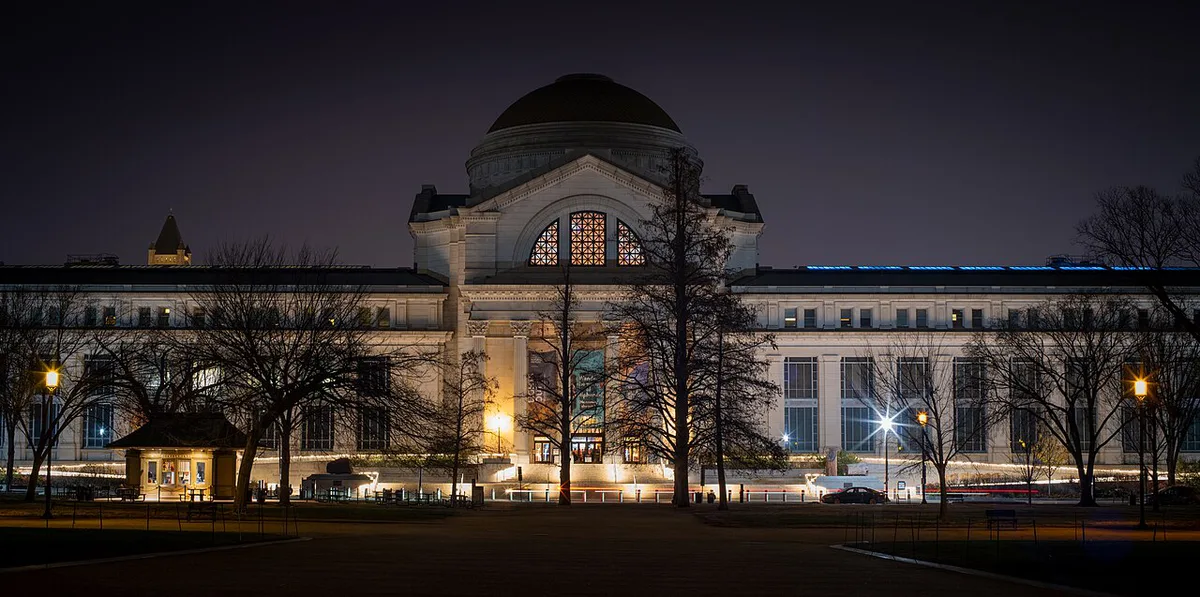
These eight stops form the backbone of a Washington DC with kids itinerary, mixing free Smithsonian museums with two outdoor breaks that keep young legs moving. For a deeper look at gallery-by-gallery highlights and ticketing across the collection, see the guide to Smithsonian museums for families.
- National Museum of Natural History
- The rotunda's elephant greets visitors right inside the doors, a reliable first stop with toddlers.
- Ocean Hall and the Hall of Mammals give kids room to roam without a strict route.
- Arrive close to the 10:00 AM opening to beat the busiest midday hours.
- National Museum of American History
- Sparklab suits ages 4 to 12 with hands-on invention stations; save it for a mid-visit energy reset.
- Wegmans Wonderplace is built for ages 0 to 6, with a kid-sized kitchen and hands-on play areas.
- The America on the Move gallery traces transportation from wagons to subway cars, a good stretch-your-legs break.
- National Air and Space Museum
- America by Air lets kids walk through the cabins of retired aircraft.
- Destination Moon covers the Apollo missions and moon-landing artifacts.
- Timed-entry passes have applied here; confirm current booking rules before arrival.
- National Zoo
- The Zoo sits up Connecticut Avenue, a short trip from the Mall museums.
- Wide outdoor paths make it the best high-energy morning option on a trip heavy with indoor galleries.
- Planning ahead pays off; see the full National Zoo family guide before you go.
- United States Botanic Garden
- A two-story tropical forest canopy walkway makes for a warm detour on a cold or rainy day.
- It sits near the Capitol, close enough to the American Indian and Air and Space museums for a same-day stop.
- Around the winter holidays, model trains and seasonal displays add another draw.
- The Memorial Loop
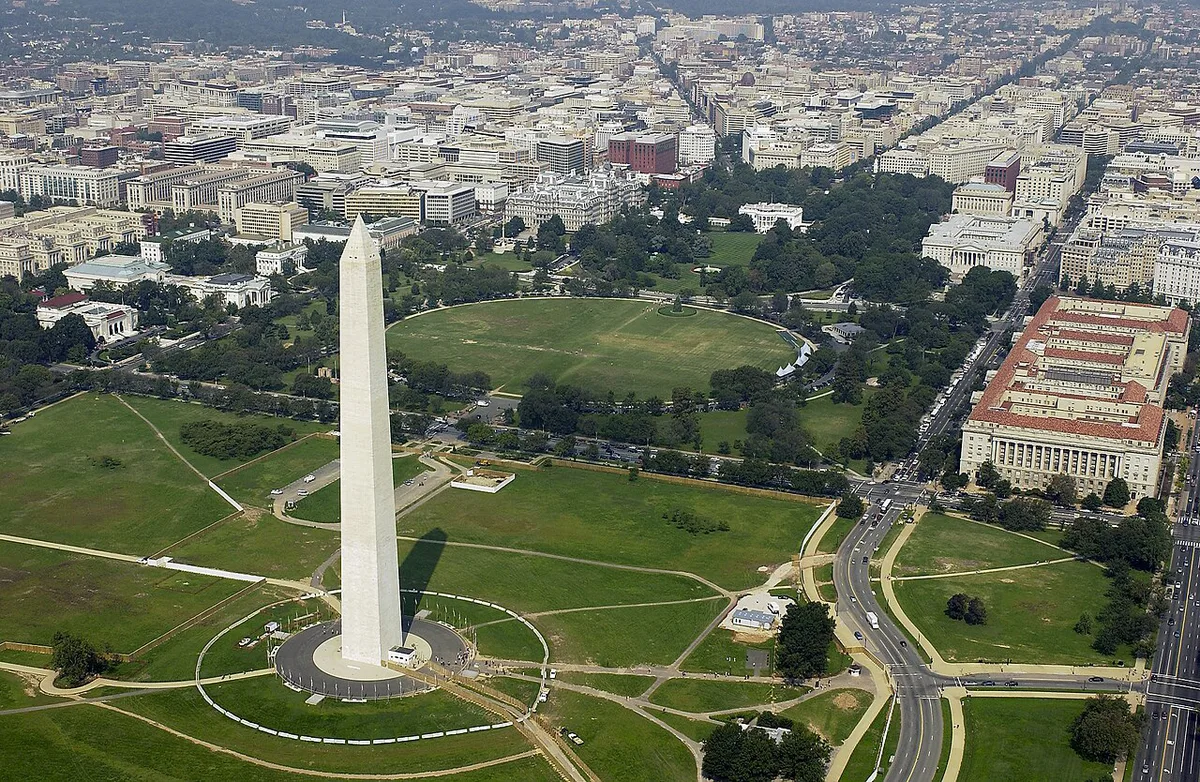
- Linking the Lincoln Memorial, Vietnam Veterans Memorial, Korean War Veterans Memorial, and Martin Luther King Jr. Memorial makes one walkable route.
- Save this loop for kids past the stroller-nap stage; it works best with legs built for sustained walking.
- Route order matters here; the DC monuments walking route lays out a sequence that limits backtracking.
- Potomac River Kayaking and Boating
- Boathouses near Key Bridge rent kayaks, canoes, and stand-up paddleboards by the hour.
- Tweens can usually manage a paddleboard alone; younger kids typically share a kayak with an adult.
- This is the pick for teens who have had enough of museum galleries for one day.
- Udvar-Hazy Center
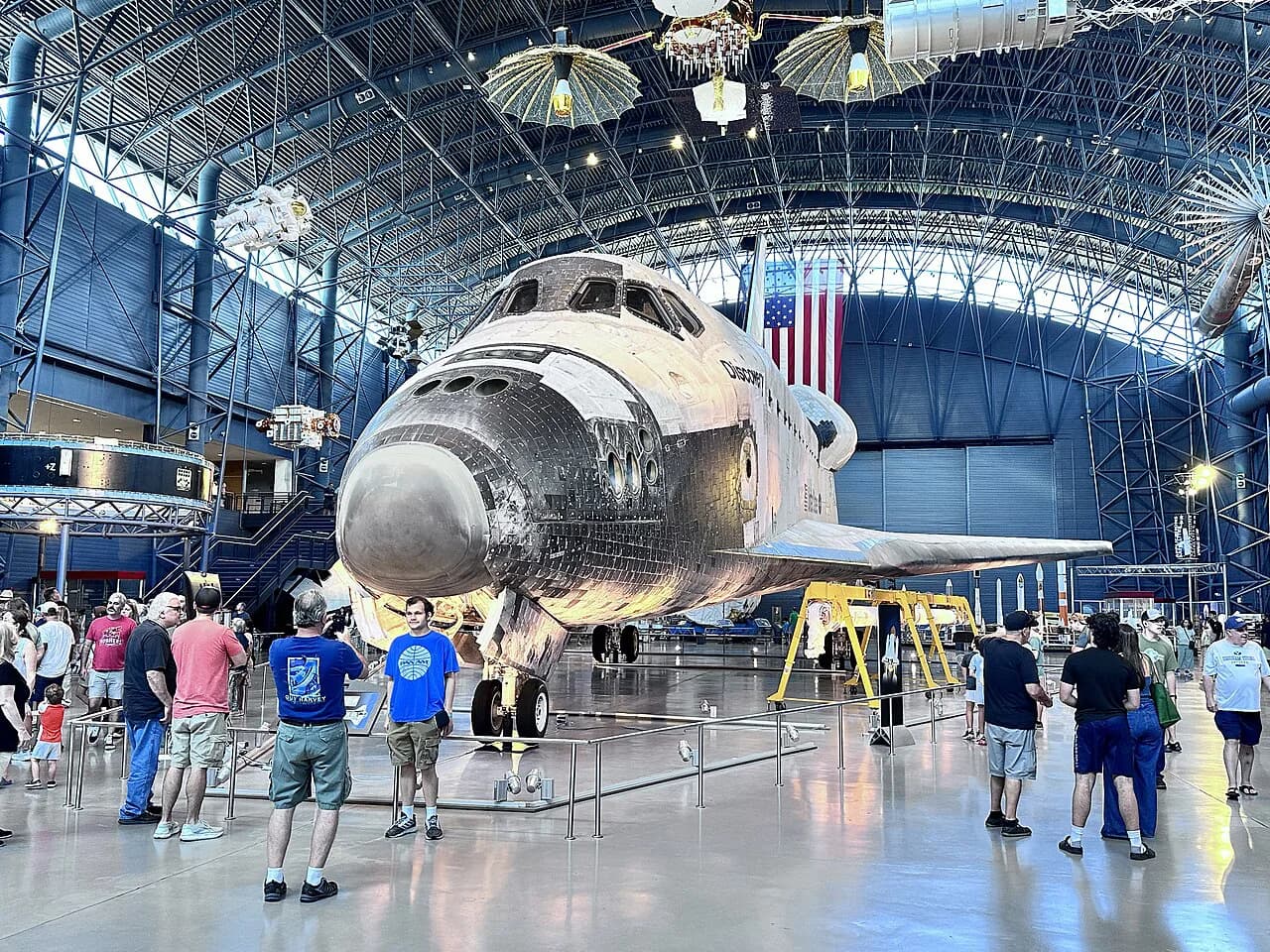
- This second Air and Space building sits near Dulles International Airport, not on the National Mall.
- Its larger hangars display aircraft and spacecraft too big for the downtown museum.
- Confirm the location before booking; the Udvar-Hazy visiting guide covers drive time and the layout differences from the Mall building.
Rainy Day and Age-by-Age Picks in Washington DC
Not every gallery suits every age, and the fall-to-winter sweet spot brings occasional rain and cold snaps. Sorting activities by energy level and age keeps the day realistic instead of overly ambitious. The National Museum of the American Indian's imagiNations activity center adds another toddler-friendly indoor stop near the Air and Space Museum. It runs 10:00 AM to 4:30 PM Tuesday through Sunday, with a listening station, a kayaking balance exercise, and a walk-in dwelling display. Tweens and teens interested in how currency gets made can add the Bureau of Engraving and Printing's free 45-minute tour, offered weekdays only with no tours on federal holidays. Older kids also respond well to the Library of Congress reading rooms and the used bookstores scattered through Georgetown, both quieter alternatives to the Mall crowds.
| Age Group | High-Energy Pick | Best Rainy-Day Pick |
|---|---|---|
| Toddlers and preschoolers (0-5) | National Zoo outdoor paths | Wegmans Wonderplace play area |
| Elementary (6-11) | Sparklab hands-on stations | Botanic Garden tropical canopy |
| Teens and tweens | Potomac kayaking or paddleboarding | Udvar-Hazy hangars or Library of Congress |
Where to Stay and Eat in Washington DC with Kids
Neighborhood choice shapes how much walking a trip requires. Georgetown, Dupont Circle, and The Wharf each suit a different family rhythm. Suites built for families typically include a microwave, mini-fridge, and a bar sink, letting parents handle breakfast or snacks without leaving the room. Brief's on-page notes call this out directly: prioritize suites with kitchenettes, the Embassy Suites brand among them. Some properties add a hot tub alongside the pool, useful after a cold-weather sightseeing day. Where a hotel lacks its own garage, look for come-and-go parking arrangements at a nearby property instead. A hotel pool matters more than it sounds; on a heavy museum day, an afternoon swim resets everyone before dinner. On the Mall itself, food trucks cover quick lunches between museums. For a sit-down dinner, Foggy Bottom and Penn Quarter both sit a short ride from the monuments and carry more variety than the Mall's kiosks. Since the Smithsonians themselves stay free, food and parking make up most of the daily budget. The roundup of free things to do in DC helps offset the cost of paid extras like the International Spy Museum.
| Neighborhood | Family Appeal | Getting to the Mall |
|---|---|---|
| Georgetown | Kitchenette suites and rooftop pools for afternoon resets | No direct Metro stop; plan a short rideshare or walk to Foggy Bottom Metro |
| Dupont Circle | Walkable restaurants and roughly a five-minute walk to the Metro | Dupont Circle Metro station, a few stops from the Mall |
| The Wharf | Waterfront views over the Washington Channel | Longer walk or rideshare distance to the Mall museums |
Common Mistakes to Avoid in Washington DC with Kids
A few planning missteps turn a manageable Washington DC trip into a forced march. Watch for these before locking in an itinerary.
- Scheduling too many museums in one day
- Two Smithsonians plus a memorial walk is a realistic ceiling for one day with young kids.
- Underestimating Mall distances
- Buildings look close together on a map, but the walk between the Capitol and the Lincoln Memorial takes real time.
- Comfortable walking shoes matter more than a packed itinerary.
- Mixing up the two Air and Space museums
- The downtown building sits on the Mall; the Udvar-Hazy Center sits near Dulles, a separate trip.
- Booking a timed-entry pass for the wrong location wastes a reservation.
- Skipping the timed-entry check
- Air and Space passes have sold out on peak days in past seasons.
- Check reservation status a few days before travel, not the morning of.
- Ignoring nap and rest stops
- Sparklab, Wegmans Wonderplace, and the Botanic Garden canopy all work as built-in pauses.
- Planning a sit-down stop mid-afternoon prevents late-day meltdowns.
International Spy Museum for Tweens and Older Kids
The International Spy Museum works best as a paid indoor pivot when the Smithsonian crowds or weather wear kids down. It sits at L'Enfant Plaza, a practical location near the National Mall, the Wharf, and several Metro lines.
The museum is strongest for elementary-age kids who can read prompts independently, plus tweens and teens who like codes, disguises, gadgets, and real Cold War stories. Younger children may enjoy the interactive pieces, but some exhibits require patience and close reading.
Families should treat it differently from a free Smithsonian stop. Buy timed tickets ahead during school breaks, allow about two hours, and avoid stacking it after multiple museums. The undercover identity game can be fun, but it also adds screen-based tasks and decision points. It fits better as one main afternoon activity than a quick add-on between memorials.
For trip-planning details, see Washington DC official tourism site and Smithsonian Institution.
More Family Destinations
Planning the next trip? Explore more of our family guides across the mid-atlantic & northeast.
Frequently Asked Questions
Do the Smithsonian museums in Washington DC require tickets?
Most Smithsonian museums are free with no advance ticket. The Air and Space Museum has been the exception, requiring timed-entry passes; confirm current policy before the trip.
When is the best time to visit Washington DC with kids?
October 1 through December 15 is the sweet spot. It comes after summer humidity fades and before the spring Cherry Blossom Festival brings the heaviest crowds.
Is the National Mall stroller-friendly?
Yes. The Mall's paths are flat and wide enough for strollers, though the walk between landmarks is longer than it appears on a map.
How much should you budget for parking in Washington DC?
Overnight hotel parking typically runs $50 to $60 per night. Free street parking exists on Constitution Avenue, but spots fill by 9:30 to 10:00 AM.
How many days do you need for Washington DC with kids?
Three days covers the core Smithsonian museums, the Zoo, and one memorial walk without over-scheduling. A day-by-day structure helps keep the pace realistic.
What's the difference between the Air and Space Museum and the Udvar-Hazy Center?
The Air and Space Museum sits on the National Mall downtown. The Udvar-Hazy Center is a separate building near Dulles International Airport with larger aircraft and spacecraft.
Explore More Washington DC Guides
Keep planning your family trip to the capital with these kid-tested guides.
Museums
Outdoors & Icons
Planning & Seasons
Free guide: Stress-Free Flying with Kids
The pre-flight checklist, carry-on packing list, and in-flight survival plan we use on every family trip — from toddlers to teens.
You might also like


Continue reading
More guides you'll find useful