

National Zoo Washington DC with Kids: 2026 Guide & Pro Tips
National Zoo Washington DC with kids: free entry passes, best stroller routes, meeting elephant calf Linh Mai, and how to skip the uphill walk back.
On this page
National Zoo Washington DC with Kids: The Ultimate Family Survival Guide
Last updated July 2026, this national zoo Washington DC with kids guide walks families through the free Smithsonian park in Rock Creek Park. Entry costs nothing, but every visitor needs a reserved pass, and the zoo's steep hillside changes how you should plan a stroller route. Expect headline residents like giant pandas Bao Li and Qing Bao and Asian elephant calf Linh Mai, plus a downhill-first strategy that saves everyone's legs on a humid afternoon.
Free guide: Stress-Free Flying with Kids
The pre-flight checklist, carry-on packing list, and in-flight survival plan we use on every family trip — from toddlers to teens.
Visiting the National Zoo in Washington DC with Kids: Passes, Timing, and Costs
The Smithsonian's National Zoo never charges admission, and more than two million people visit each year, according to the Smithsonian. That free-entry policy comes with one hard requirement: every visitor age two and older needs a timed entry pass. Reserve it online through the official Smithsonian site before the trip. Weekend passes disappear weeks ahead of school holidays and summer break, so lock in dates as soon as travel is confirmed. That flexibility matters most for out-of-town families locking in a full DC itinerary before flights are booked. An 8 a.m. arrival is close to a golden hour for animal activity. Animals move around more before DC's summer humidity builds through the afternoon. Paths also stay far less crowded at opening than by midday. If a specific weekend shows no passes left, check the free family activities guide for a same-day backup plan elsewhere in the city. Pair the zoo with other stops from the broader Washington DC family guide when building out a full day. Families visiting in early August can also plan around EleFest, a three-day elephant celebration running August 7 to 9, 2026.
Arriving early maximizes animal activity. But the outdoor-heavy layout with limited indoor cooling makes pairing the half-day zoo visit with an afternoon museum essential to manage DC's summer heat exposure.
- Cost: Free, no admission fee
- Entry passes: Required for all visitors age 2 and up, reserved online in advance
- Hours: 8 a.m. to 6 p.m. daily, last entry at 5 p.m.
- Best arrival time: Opening at 8 a.m., ahead of crowds and afternoon humidity
- Seasonal event: EleFest, August 7-9, 2026

The Downhill Strategy: Navigating the National Zoo with Strollers
The National Zoo sits on a real slope, not a gentle grade. Elevation drops from the Connecticut Avenue entrance, through the exhibit paths, down toward Rock Creek Park at the bottom of the grounds. Walking downhill first, then climbing back up with tired kids, catches most first-time families off guard. The fix is matching your entry point to your kids' energy level, not to the closest parking spot. Two main parking lots serve the zoo, and they sit at opposite ends of that slope. Lot A sits at the top, near the Connecticut Avenue entrance. Lot D sits at the bottom, near Rock Creek Park. Two Metro stations serve the zoo as well, and they are not equal for little legs. Woodley Park-Zoo station sits at the top of the hill, so the walk in from the station is uphill. Cleveland Park station is flatter, which makes it the easier choice for strollers and tired toddlers at the end of a long day. None of these differences will make or break the visit, but they do change how tired everyone feels by the final stretch.
| Approach | Pros | Cons | Energy Level Needed |
|---|---|---|---|
| Park at top (Lot A), walk down | Fresh energy for exhibits; downhill is easy on strollers | Return climb is steep and long | Low going in, high coming back |
| Park at bottom (Lot D), walk up | Hardest walking happens first, while kids are fresh | Front-loads the toughest climb | High going in, low coming back |
- Lot A: parking at the top, near the Connecticut Avenue entrance
- Lot D: parking at the bottom, near Rock Creek Park
- Woodley Park-Zoo Metro: station sits uphill from the zoo entrance
- Cleveland Park Metro: a flatter walk to the gates
Must-See Exhibits for Families: Pandas, Elephants, and Big Cats
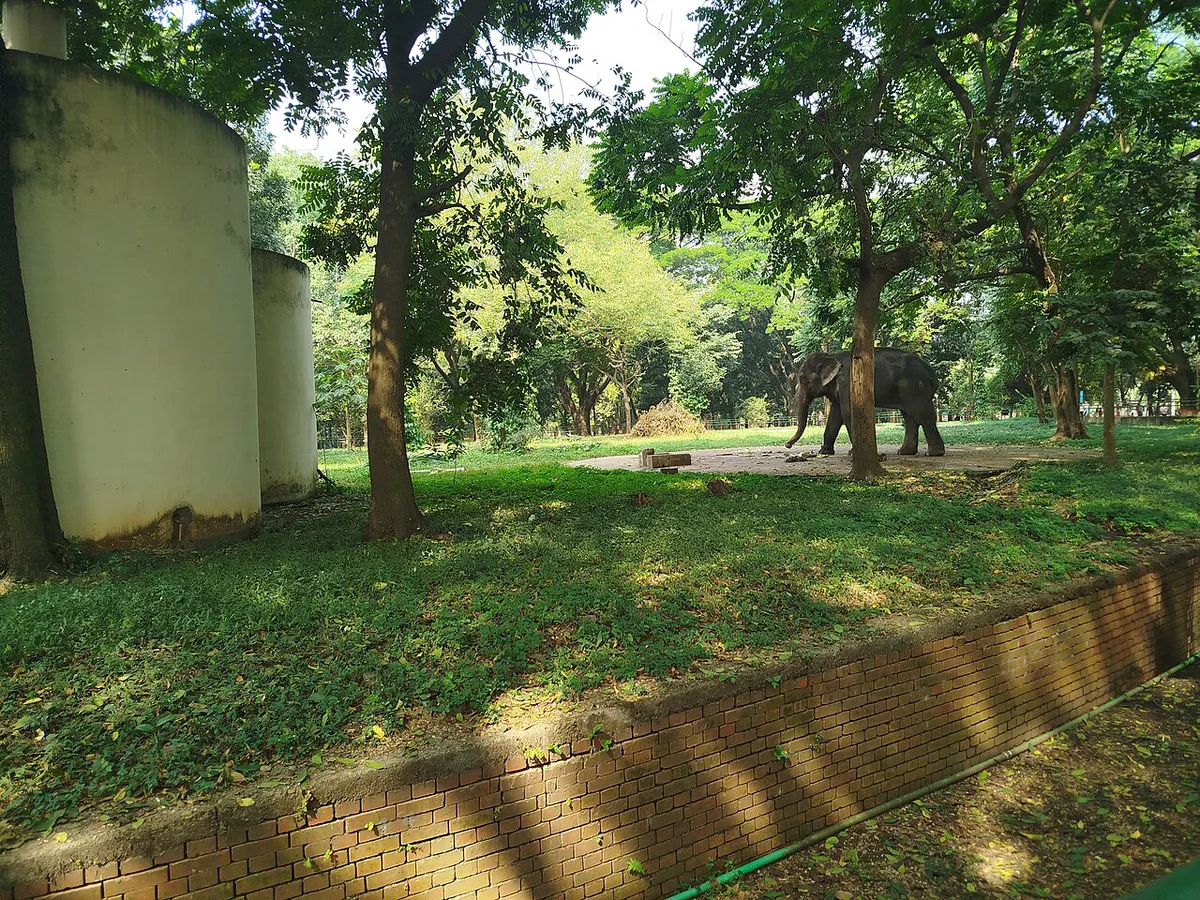
Two headline residents anchor a National Zoo visit with kids in 2026. Giant pandas Bao Li and Qing Bao arrived from China in late 2024 and remain the zoo's biggest draw for families. Asian elephant calf Linh Mai is the other must-see, with keepers tracking her growth at the Elephant Trails habitat. Watching the Elephant Cam before the trip builds anticipation. It also helps kids spot familiar faces once they arrive. The Great Cats habitat holds lions and tigers, both viewable from paved, stroller-friendly paths. For younger children who tire of walking, the Small Mammal House offers close viewing in a small, air-conditioned footprint, useful as a break from the sun. The American Trail exhibit showcases North American species that have rebounded through conservation, including California sea lions, seals, river otters, beavers, and gray wolves. It also houses native birds, including the Bald Eagle and a brown pelican trio named Eugene, Pippin, and Frankie. Check the current zoo map on arrival, since exhibit locations can shift.
- Giant pandas Bao Li and Qing Bao
- Asian elephants, including calf Linh Mai
- Lions
- Black-footed ferrets
- Naked mole-rats
Educational Deep Dives for Older Kids
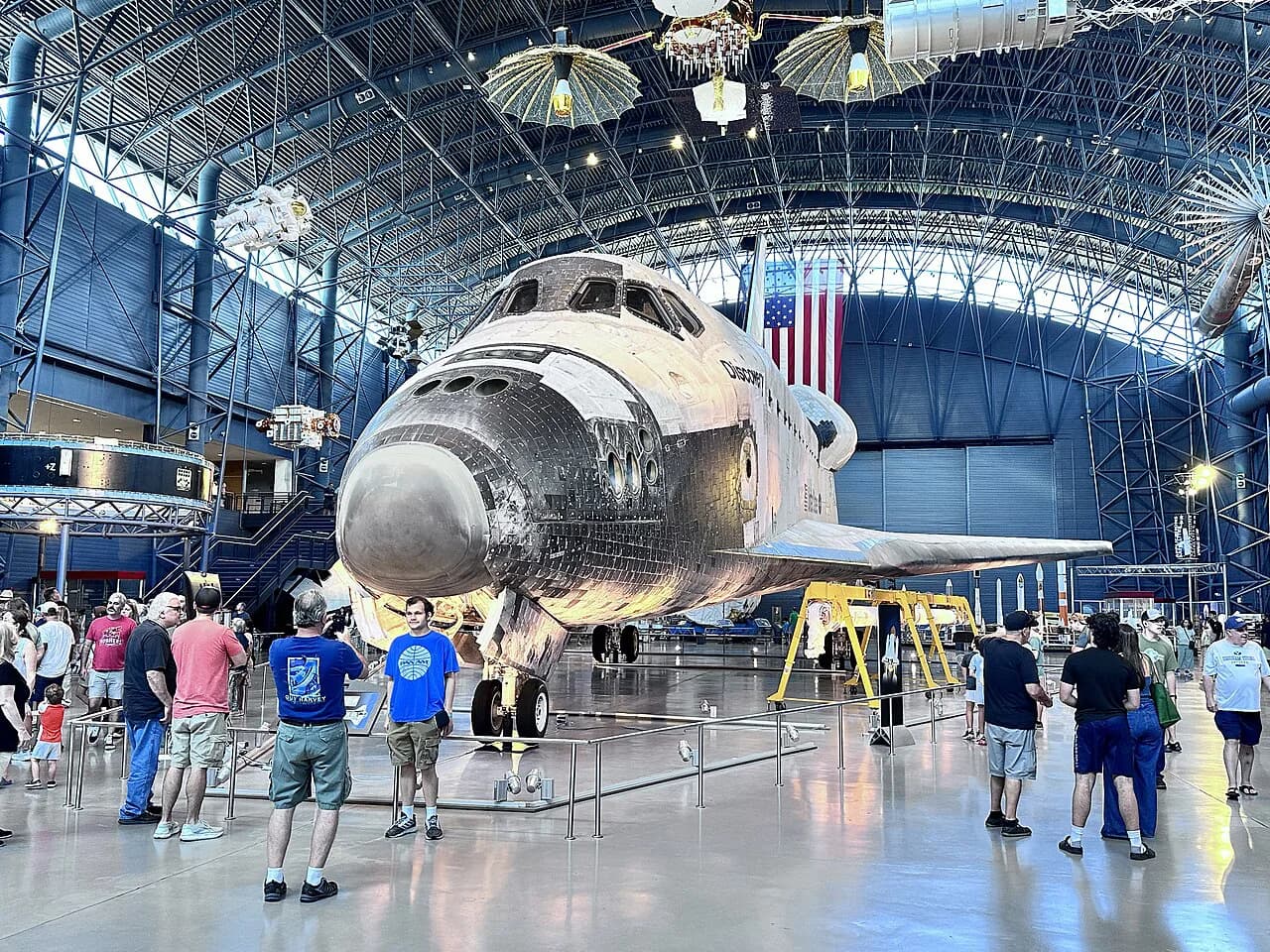
Beyond the exhibits, the National Zoo runs conservation science that older kids can follow like a real investigation. The Conservation Biology Institute frames its research under a We Save Species mission, tying breeding and field programs to specific endangered animals. One current thread involves cryopreservation research aimed at helping the red wolf. Smithsonian scientists describe it as one of the world's rarest wolves, with only a few hundred left in the wild. Veterinary staff also build handmade medical replicas that let animals practice for procedures before the real ones happen, a detail many kids find surprising. For a hands-on angle, turn the Lewis and Clark Resurvey into a scavenger hunt around the American Trail. Smithsonian scientists are retracing the explorers' route with what the zoo calls a 21st-century toolkit, collecting ecological data timed to America's 250th anniversary. Have kids look for the native species the exhibit covers, including the Bald Eagle and the zoo's brown pelicans. That scavenger-hunt framing works best for kids old enough to read exhibit signage independently. Families with kids drawn to science and engineering can extend that theme afterward. The Udvar-Hazy air and space center offers a different kind of hands-on museum outside downtown.
Dining and Amenities for Families
Shade, not menu variety, should drive the lunch decision at the National Zoo. Packing a picnic and finding a shaded table in Rock Creek Park usually beats waiting in line at zoo food stands during peak midday hours. It also gives kids a real break from walking before the second half of the visit. If souvenirs are part of the plan, the Shop for the Herd sells plush toys, books, and apparel tied to the zoo's animals. Proceeds from those sales support the Smithsonian's conservation programs, so the purchase does double duty. Family restrooms and nursing areas are located throughout the grounds. Check the posted zoo map at the entrance for the location closest to wherever the day's route ends up. Stroller and wagon rentals may also be available near main entrances; confirm current options and rates on-site, since offerings can change.
The steep hillside terrain combined with DC summer humidity makes a midday picnic break essential, not optional, for maintaining family energy through a half-day visit.
Mistakes to Avoid at the National Zoo
The most common planning mistake is the one-way trap. Families walk downhill through the exhibits, enjoying easy going, then realize the only way back to the car is uphill, with tired kids in tow. Planning the route in reverse, or choosing a bottom parking lot, avoids that surprise entirely. Weather is the second mistake worth planning around. The National Zoo has few large indoor spaces to cool off in during a DC summer, unlike some indoor Smithsonian museums nearby. A short shade break in the middle of the loop keeps energy up for the final exhibits. The third mistake is forgetting water. DC's summer humidity dehydrates kids faster than the temperature alone suggests. Refillable water bottles matter more at an outdoor zoo than they do inside a climate-controlled museum.
Beyond the Zoo: Extending Your Washington DC Family Trip
The National Zoo's outdoor, hillside layout makes it a strong half-day stop rather than a full-day plan. Pairing it with an air-conditioned museum afternoon balances out the sun and hill exposure from the morning. The Smithsonian museums for families guide covers indoor options within reach of downtown for exactly that kind of afternoon. Families building a longer DC stay can slot the zoo into the three-day DC family itinerary as a morning activity, saving afternoons for museums or monuments. For the rest of the National Mall, the National Mall monuments guide covers routes that keep young walkers moving without another steep hill to climb. Each of these stops fits naturally into the same kind of Smithsonian-heavy day many DC family trips already include.
Animal Cams to Watch Before Your Visit
Before leaving for Woodley Park or Cleveland Park, open the Smithsonian National Zoo live cams page with kids. It turns the visit into a simple animal-spotting mission. It also helps set expectations, because animals may be sleeping, off view, or shifting between indoor and outdoor spaces.
- Giant Panda Cam: watch Bao Li and Qing Bao before heading to Asia Trail.
- Elephant Cam: look for the herd at Elephant Trails, including calf Linh Mai when she is visible.
- Lion Cam: preview the Great Cats area before walking that part of the hill.
- Naked Mole-rat Cam: give younger kids a funny, low-stakes animal to recognize later.
Use the cams the night before or during breakfast. Ask each child to pick one animal to find in person. That keeps focus during the longer walks between exhibits.
For trip-planning details, see Smithsonian's National Zoo official site.
Further reading: Washington DC on Wikivoyage · Washington DC on Wikipedia
Frequently Asked Questions
Do you need tickets for the National Zoo in Washington DC?
Admission is free, but every visitor age two and older needs a timed entry pass. Reserve passes online through the official Smithsonian site before the visit, especially for weekends.
What is the best time to visit the National Zoo with kids?
Arrive at the 8 a.m. opening for the most animal activity and the least humidity. Weekday mornings are quieter than weekends, and last entry is 5 p.m., with closing at 6 p.m.
Where should you park at the National Zoo with young kids?
Park in Lot A at the top if the family has energy for a downhill walk through exhibits first. Park in Lot D at the bottom to get the uphill walk done early, while kids are still fresh.
Can you see the giant pandas at the National Zoo?
Yes. Giant pandas Bao Li and Qing Bao arrived from China in late 2024 and are now among the zoo's headline residents.
Is the National Zoo stroller-friendly?
The paths are paved, but the site is built on a steep hill. Matching a downhill-first or uphill-first route to your parking lot and Metro station choice makes stroller navigation easier.
How long should you plan to spend at the National Zoo with kids?
Plan for at least a half-day. Add more time if the group wants the Elephant Cam preview beforehand, the American Trail scavenger hunt, or a shaded picnic break.
Free guide: Stress-Free Flying with Kids
The pre-flight checklist, carry-on packing list, and in-flight survival plan we use on every family trip — from toddlers to teens.
You might also like


Continue reading
More guides you'll find useful


