Best Smithsonian Museums With Kids: A Parent's Guide to DC
Plan a DC trip around the best Smithsonian museums with kids: timed-entry tips, age-by-age picks, and logistics for strollers, food, and Mall fatigue.
On this page
Smithsonian Museums With Kids: Top Picks & Survival Tips
Last updated July 2026, and Washington DC's Smithsonian museums with kids can fill an entire week. Picking the wrong two museums for one afternoon leads to meltdowns before lunch. This guide sorts the Smithsonian by age and location, flags which museums currently need timed-entry passes, and covers food, strollers, and route logistics.
Free guide: Stress-Free Flying with Kids
The pre-flight checklist, carry-on packing list, and in-flight survival plan we use on every family trip — from toddlers to teens.
The Best Smithsonian Museums With Kids on the National Mall
The Smithsonian's density on the Mall is the real planning problem. With this many free museums clustered together, the temptation is to see them all in one visit. That plan usually backfires by early afternoon, once younger kids hit sensory overload. Three museums anchor most family itineraries, and each one suits a different age range. Pick the one matching your kids' current interests first. For the wider trip beyond the Smithsonian, the Washington DC with kids guide maps out the rest of the stops.
- National Museum of Natural History has the widest age range of any Mall museum. The David H. Koch Hall of Fossils Deep Time exhibit covers dinosaur skeletons for grade-schoolers. The Hope Diamond anchors the gem gallery for older kids. The O. Orkin Insect Zoo runs tarantula feedings that hold attention across ages. Older kids can also try the hands-on Q?rius Jr. spaces for more in-depth STEM activities. The rotunda has long featured Henry, an 11-ton African elephant. Confirm current exhibits on si.edu, since halls rotate.
- National Museum of American History splits by age inside one building. Wegmans Wonderplace is built for ages 0-6, with crawling space and sensory play areas. Spark!Lab, aimed at ages 6-12, runs hands-on invention stations that change regularly.
- National Air and Space Museum's Mall building is mid-renovation as of 2026. Current timed-entry passes are required for entry during the renovation. The museum covers flight history and space exploration, which draws kids with any interest in planes or rockets. Confirm the latest pass requirement on si.edu before you plan around it.
Smithsonian Museums With Kids Away From the Mall
Skipping the Mall entirely on at least one day cuts crowds and walking distance. Three Smithsonian sites outside the main cluster reward the detour, especially on a longer stay.
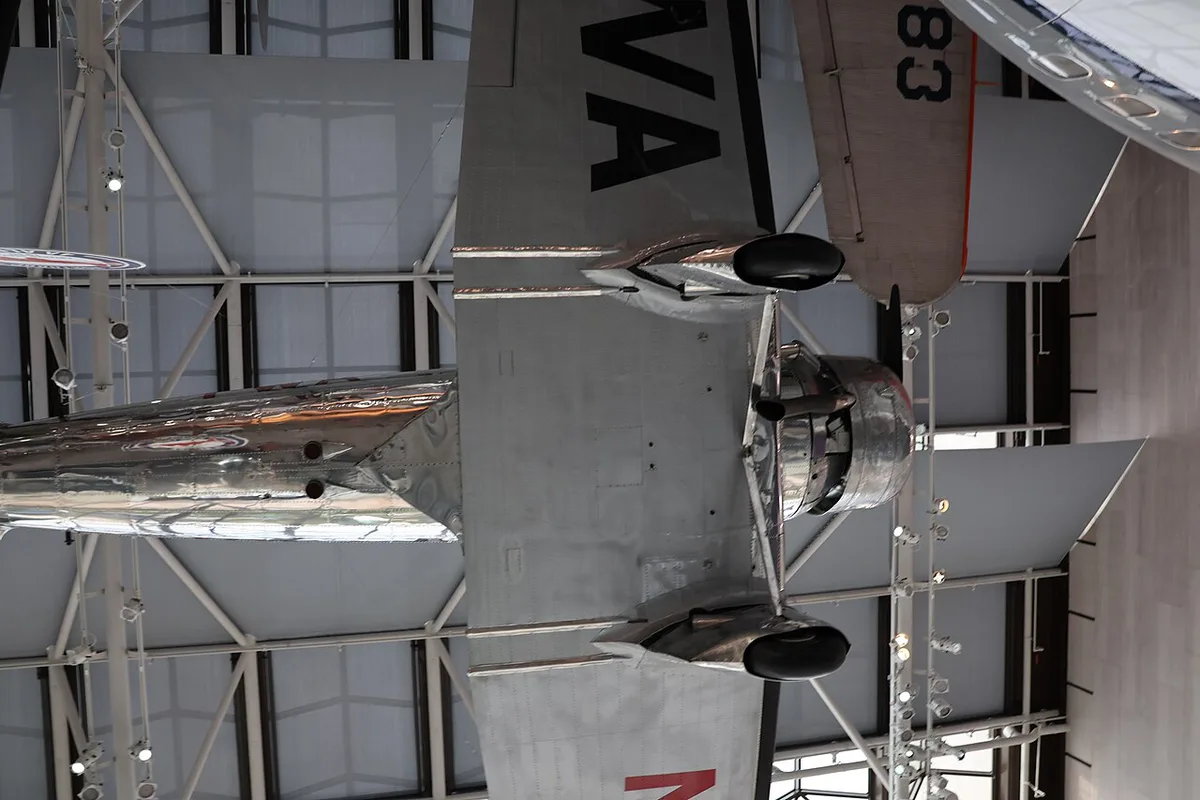
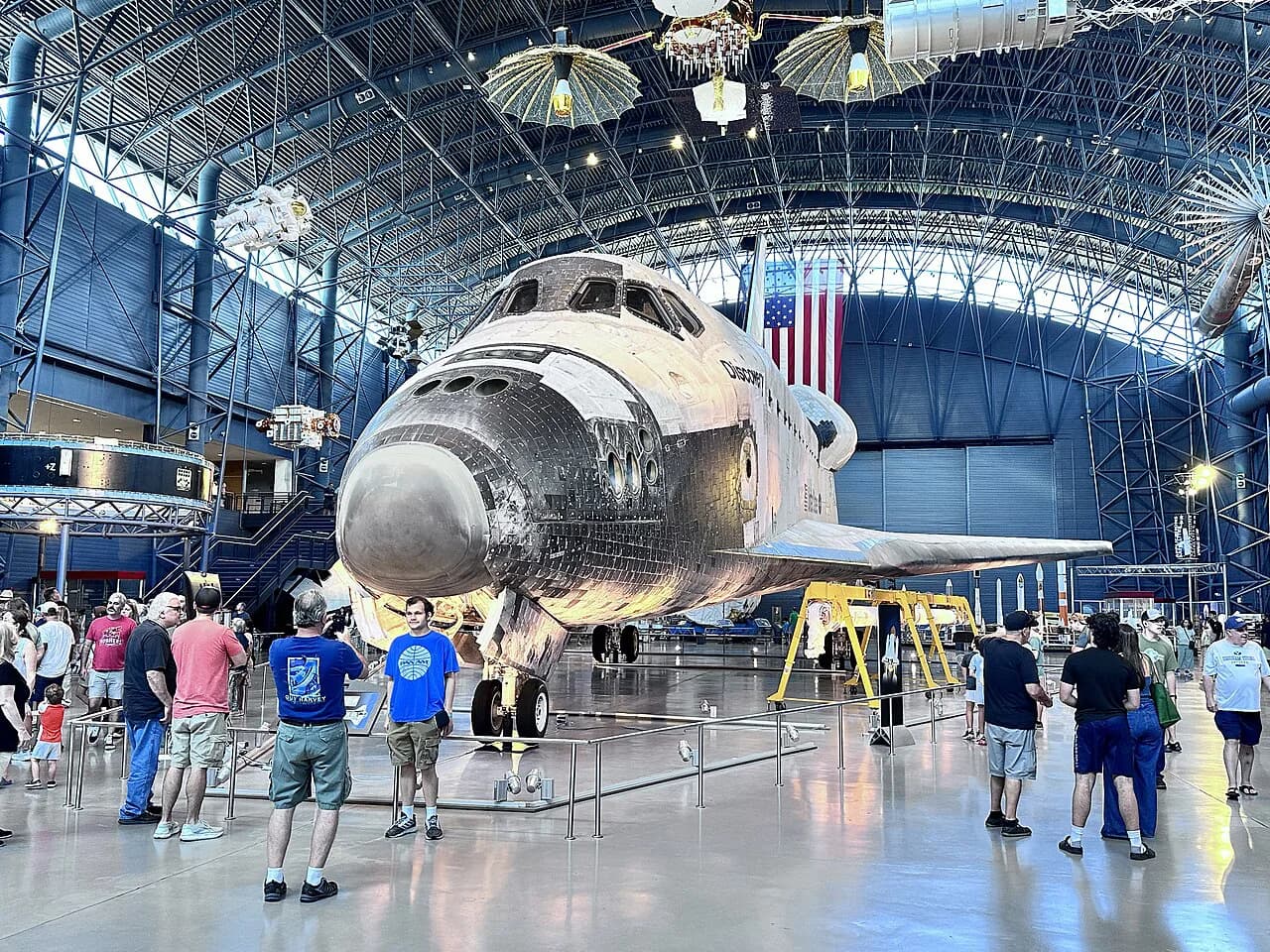
The National Air and Space Museum's 2026 renovation requires free timed-entry passes for Mall visits. The Steven F. Udvar-Hazy Center houses large aircraft and spacecraft—including the space shuttle Discovery—with free admission, though it requires a car or shuttle and paid parking rather than Metro access.
- National Zoo, part of the Smithsonian, draws big crowds for its pandas. The Speedwell Foundation Conservation Carousel gives younger kids a ride break between exhibits. The zoo sits outside the Mall cluster, a Metro or short trip away. See the National Zoo family guide for hours and a route through the exhibits.
- National Postal Museum sits next to Union Station. That makes it a practical arrival-day or departure-day stop before or after a train, rather than a dedicated detour. It's small enough to see in under an hour, which suits kids still adjusting to a new city.
- Steven F. Udvar-Hazy Center is an annex near Washington Dulles International Airport. It holds aircraft too large for the Mall building, including a Lockheed SR-71 Blackbird, a Concorde, and the space shuttle Discovery. Kids can try a flight simulator built around aerobatic maneuvers. An on-site Observation Tower overlooks the airport's runways. Admission is free, but on-site parking is paid, unlike the Metro-accessible Mall museums. Budget extra time and a car or shuttle. The Udvar-Hazy family guide covers the shuttle options and simulator details.
Quick Reference: Which Smithsonian Fits Which Age
Matching the museum to the age group saves time on the ground. Use this table as a starting point, then adjust for your own kids' attention spans. If the group spans multiple ages, start with Natural History, since its halls cover the broadest range in one stop.
| Age Group | Best Smithsonian Pick | Why It Works |
|---|---|---|
| Ages 0-6 | Wegmans Wonderplace, American History | Built for crawlers through early readers |
| Ages 2-10 | Discovery Theater and Enid A. Haupt Garden | Short shows plus outdoor space to run |
| Ages 6-12 | Spark!Lab (American History) and O. Orkin Insect Zoo (Natural History) | Hands-on invention stations and tarantula feedings |
| Ages 10 and up | Steven F. Udvar-Hazy Center | More aircraft, more room to roam, a flight simulator |
| Tweens and teens | National Portrait Gallery (Kogod Courtyard) and the Hirshhorn | Quiet regroup space and contemporary art |
More Smithsonian Picks for Toddlers, Tweens, and Teens
The Big Three museums pull the biggest crowds. A few smaller stops solve specific age problems the main halls do not.
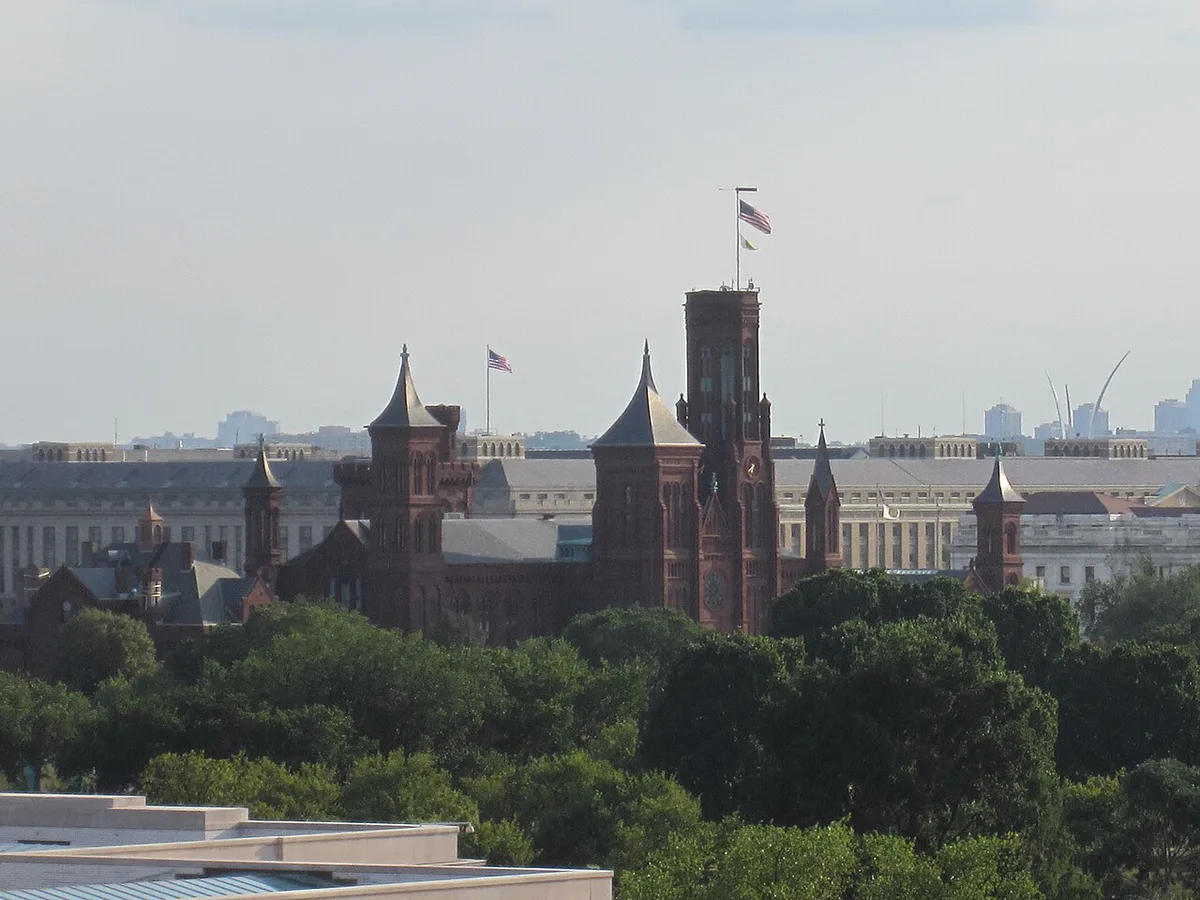
- Toddlers and preschoolers do well at Discovery Theater, which stages short, age-appropriate performances near the Mall museums. The Enid A. Haupt Garden sits behind the Smithsonian Castle and is part of the wider Smithsonian Gardens system. It gives restless toddlers room to walk without gallery crowds, useful as a reset if a museum morning runs long.
- Tweens and teens can regroup at the National Portrait Gallery's Kogod Courtyard, a quieter space between galleries. The Hirshhorn's contemporary art collection tends to hold teenage attention better than historical exhibits. Its rotating shows give teens something worth photographing, which keeps engagement up during a long Mall day. It's also a shorter visit than a full Mall museum.
Timed-Entry Passes and Ticket Logistics
Every Smithsonian museum in this guide has free general admission. The cost to manage is time, not money. A handful of museums require a free timed-entry pass. Passes exist to manage crowd flow, not to generate revenue, so they never add a fee to the visit. That list shifts as renovations finish and new exhibits open, so treat any specific list as a snapshot.
- The National Air and Space Museum's Mall building has required timed-entry passes during its ongoing renovation.
- The National Museum of African American History and Culture has used a free timed-entry pass system for entry.
- The National Zoo has used timed-entry passes during peak periods.
- Confirm the current list on si.edu before booking anything else. Requirements move by season and by exhibit opening.
- Same-day passes typically release each morning. Refresh the booking page right when it updates, rather than waiting until afternoon. Capacity is limited, and a missed window can mean a standby line instead.
Planning a Mall Day: Route and Food Strategy
Distances between Mall museums look short on a map. They take longer on foot with a stroller and tired legs. Visiting more than two Smithsonian museums in one day rarely works well for families with kids under 10, in our editorial assessment. Build in a break instead of adding a fourth stop. Start at the Smithsonian Castle, the Institution's visitor center, to get oriented before choosing a route. The distance from the Castle end of the Mall to the Air and Space Museum end spans several blocks. Pairing a Mall museum with the National Museum of the American Indian on the same day means covering that ground twice. Choosing museums clustered at one end of the Mall for the morning, then moving to the other end after lunch, cuts backtracking.
Limiting visits to two Smithsonian museums per day prevents sensory overload for children under ten. Scheduling these visits for weekday mornings when school groups are absent maximizes crowd-avoidance benefits.
- Museum cafés inside the buildings price meals closer to fast-casual than the food trucks lining the outdoor Mall paths. A quick lunch from a Mall food truck usually costs more for less food. Mitsitam Café, inside the National Museum of the American Indian, is a reliable kid-friendly stop with real seating.
- WMATA runs Metro stops named Smithsonian and Archives-Navy Memorial near the Mall museum cluster. Check dcmetro.com for the closest exit to your first stop, since exits shift during construction.
- Pair a Mall museum morning with monuments in the same afternoon. The DC monuments with kids guide has stroller-friendly routes between them.
- If the Smithsonian day is one piece of a longer visit, the three-day DC itinerary shows where it fits alongside monuments and other stops.
Survival Tips: Strollers, Security, and Timing
A few small mistakes account for most bad Smithsonian days with kids. Avoid them with a little planning before leaving the hotel.
- Security screening happens at every museum entrance. Bags larger than a standard daypack, and some strollers, get extra checks. Collapsible strollers move through the line faster than larger frames. Budget extra time at the door, especially at the first stop of the day.
- Skip expecting every visit to include a carousel ride or an IMAX film. Both are separate paid add-ons, not part of general admission. Their lines build fast on weekends.
- Visit Monday through Thursday when the schedule allows. School groups fill the halls on weekends and during peak field-trip season. Midweek mornings run noticeably quieter.
- Elevators inside the older Smithsonian buildings run slow. This includes the National Museum of Natural History and the National Museum of American History. They are not always near the main entrance. Ask a staffer at the door for the nearest one instead of searching alone with a stroller.
- For Mall-wide rules on bags and other restrictions, nps.gov keeps the current regulations. The National Park Service manages the Mall grounds, separate from each museum's own security line.
- Since admission is free across the Institution, pair a museum morning with more no-cost stops. The free things to do in DC guide rounds out the day without adding ticket costs.
Where to Reset When Kids Need a Break
When galleries get loud, leave the building before adding another exhibit. The easiest reset near the Mall museums is an outdoor garden or a large public atrium, not another crowded hall.
- Enid A. Haupt Garden: behind the Smithsonian Castle, useful after Natural History or American History.
- Mary Livingston Ripley Garden: a narrow garden between the Castle and Hirshhorn, good for a slower stroller walk.
- Kogod Courtyard: inside the National Portrait Gallery, better for older kids who need seating and quiet.
For Air and Space, step outside toward the National Museum of the American Indian rather than crossing the whole Mall. Families near Natural History can also use the Mall lawns, but shade is limited. Pack water before the break, since returning through security takes time.
For trip-planning details, see Smithsonian Institution and National Air and Space Museum.
Frequently Asked Questions
Are Smithsonian museums free to visit with kids?
Yes. Every Smithsonian museum covered in this guide has free general admission. The only cost to plan around is transit, food, and optional paid add-ons like carousel rides or IMAX films.
Which Smithsonian museums require timed-entry passes in 2026?
Check si.edu before the visit, since timed-entry policies shift with renovations and exhibit openings. The National Air and Space Museum's Mall building, the National Museum of African American History and Culture, and the National Zoo have all used free timed-entry passes.
How much time should you plan per Smithsonian museum with kids?
Budget roughly a half day per museum rather than splitting one day across three or four stops. Distances between Mall buildings take longer to cover with a stroller than a map suggests.
What's the best Smithsonian museum for toddlers?
The Wegmans Wonderplace inside the National Museum of American History targets ages 0-6 directly. The Enid A. Haupt Garden nearby gives toddlers room to move outside gallery crowds when a museum morning runs long.
Is the Steven F. Udvar-Hazy Center worth the drive with kids?
For plane-focused kids past about age 8, yes. It holds aircraft too large for the Mall building, including the space shuttle Discovery, though it requires a car or shuttle and paid parking, unlike the Metro-accessible Mall museums.
What's the best Smithsonian museum for a rainy day with kids?
Any of the Mall buildings work, since they are fully indoors, unlike a zoo visit or the Udvar-Hazy Observation Tower. The National Museum of Natural History's range of halls gives the most ground to cover without repeating exhibits.
Do you need advance tickets for the National Museum of Natural History or National Museum of American History?
No advance ticket is required for general admission at either museum under current Smithsonian guidance. Only specific timed-entry museums and special exhibits need a reservation, so confirm details on si.edu before the trip.
Free guide: Stress-Free Flying with Kids
The pre-flight checklist, carry-on packing list, and in-flight survival plan we use on every family trip — from toddlers to teens.
You might also like


Continue reading
More guides you'll find useful