Travel Snacks for Kids: Healthy, Mess-Free Ideas for Planes, Cars & Cruises (2026)
Travel snacks for kids for planes, road trips, and cruises: TSA pouch rules, age-based picks, mess-free gear, and a 2026 snack scorecard.
On this page
Travel Snacks for Kids: The Ultimate Guide to Stress-Free Snacking
Last updated July 2026. Packing travel snacks for kids means balancing mess control, steady energy, and just enough sugar to get through a delay without a meltdown. This guide sorts snack ideas by travel mode and age, from TSA pouch rules on a plane to cooler picks for a multi-hour drive.
Free guide: Stress-Free Flying with Kids
The pre-flight checklist, carry-on packing list, and in-flight survival plan we use on every family trip — from toddlers to teens.
The Golden Rules of Travel Snacks for Kids
Every good snack strategy for family travel rests on three rules, plus one exception for stressful moments. Pair this list with the family travel planning guide for the rest of the trip checklist.

- No-mess mandate: skip anything that crumbles, melts, or drips. A tight car seat or a fold-down tray table has no room for a cleanup job.
- Protein vs. sugar balance: pair a protein source, like cheese or nut butter, with a carb. Steady energy beats a sugar spike followed by a crash mid-trip.
- Portion control: pre-portion snacks into small containers or bags before departure. A full-size bag left within reach usually empties in the first hour from boredom, not hunger.
- The sanity treat: set aside one high-value treat, a favorite candy or cookie, for takeoff, turbulence, or a traffic jam. It's a stress-relief tool, not part of the daily rotation.
Air Travel: TSA Rules for Kids' Snacks
Airport security treats solid snacks and liquid snacks differently, and that split matters for what goes in the diaper bag. Solid foods clear security with no size limit, but pouches follow separate rules. Review the flying with kids checklist for the rest of the boarding-day plan. Check bringing a car seat onboard if a seat is coming too. For a full pre-flight rundown beyond snacks, see the pre-flight boarding checklist.
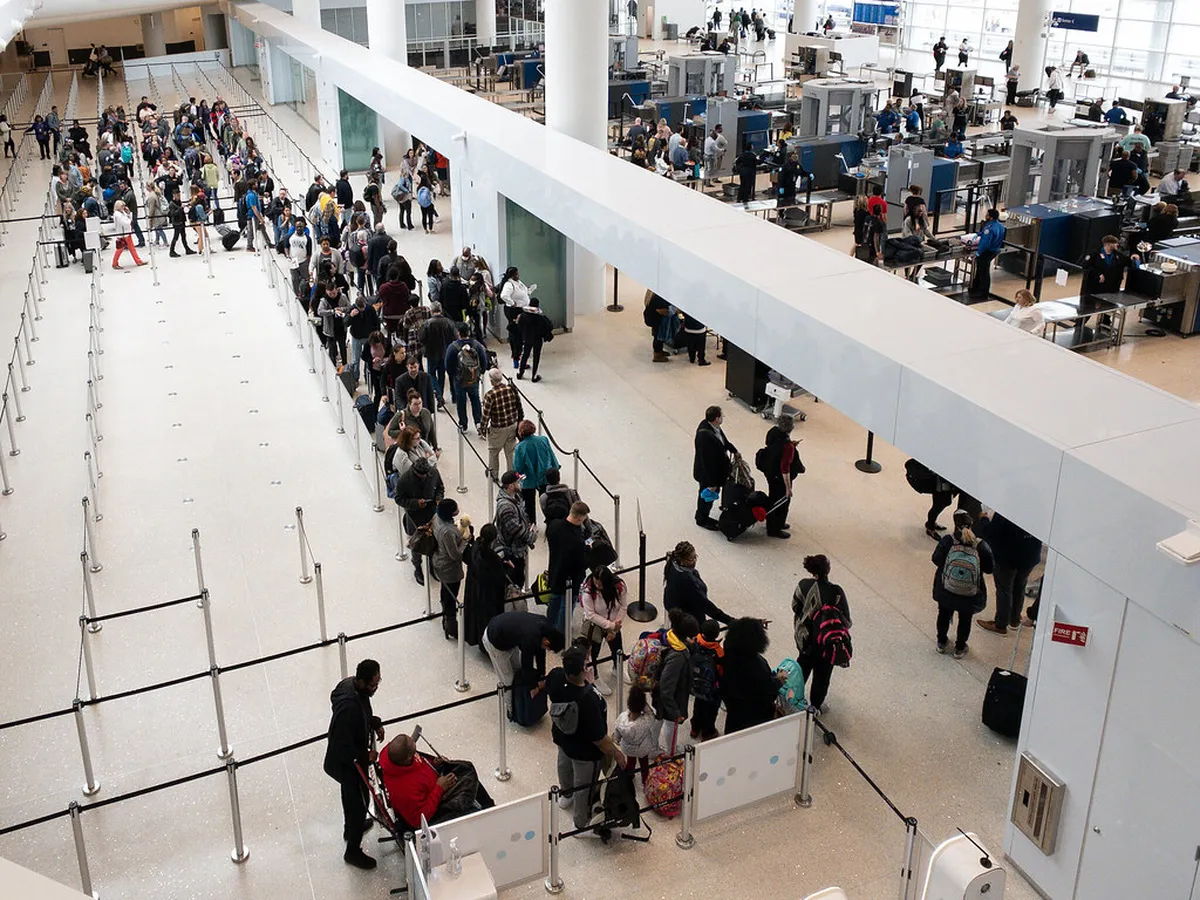
- Solid snacks: crackers, whole fruit, dry cereal, and nut-free trail mix pass through screening with no 3-1-1 restriction.
- Pouches count as liquids: yogurt and applesauce pouches over 3.4 oz fall under the standard TSA 3-1-1 rule. Sizes at or under 3.4 oz pack in the quart bag like any other liquid.
- Baby food and formula exception: TSA allows breast milk, formula, and baby food in reasonable quantities beyond 3.4 oz. Declare them separately at the checkpoint for extra screening.
Road Trip Snacks and the Cooler Zone
Cars remove the airport liquid limits entirely, but heat becomes the new problem. A snack bag left in direct sun for a few hours can melt chocolate and turn string cheese into a mess. Use the road trip planning guide for stop timing. Build in a break at a Cracker Barrel family stop to restock produce.
- Non-refrigerated zone: nuts, dried fruit, crackers, granola bars, and whole fruit like bananas or clementines hold up for a full day in a bag.
- Cooler zone: string cheese, hard-boiled eggs, cut grapes, cucumber sticks, and yogurt tubes need an insulated cooler with an ice pack.
- Sun check: keep the snack bin off the dashboard and the rear window shelf. Both spots run hot on a multi-hour drive.
Cruises and Trains: Bulk Snack Packing
Cruises and long train rides reward bulk packing over daily prep. Most cabins skip a mini-fridge stocked for snacks, so shelf-stable options carry the day between meals. See the family cruise planning tips for cabin storage and embarkation-day logistics.
- Pack multi-day quantities of shelf-stable snacks, crackers, dried fruit, and granola bars, instead of daily portions.
- Bring a refillable water bottle to pair with salty snacks like pretzels or crackers on board.
- Check embarkation-day security rules before packing liquids or pouches for the first day at sea.
Snack Ideas by Age: Toddlers, School-Age Kids, and Teens
Snack needs shift fast between a one-year-old and a hungry twelve-year-old. Match textures and portions to the child's stage instead of packing one bag for the whole family. Pair this list with baby travel feeding tips for feeding-schedule logistics on the road.
- Toddlers, ages 1 to 3: yogurt melts, teething crackers, soft fruit pouches with a spill-proof cap, and puffs. Cut round foods like grapes before handing them over.
- School-age kids: bento-style boxes with cheese cubes, grapes, crackers, and turkey roll-ups. Kids this age can assemble their own combinations, which slows down eating.
- Teens: jerky, protein bars, and trail mix hold off hunger longer than chips or candy on a full travel day.
Healthy vs. Convenience: Shelf-Stable and Cooler Picks
Not every snack has to be homemade to earn a spot in the bag. A few store-bought staples show up again and again in family travel kits because they pack well and keep added sugar in check.
| Snack | Mess Level | Prep Time | Shelf Life |
|---|---|---|---|
| Whole fruit (banana, clementine) | Low | No prep | Room temp, 1-2 days |
| String cheese | Low | Pre-portioned | Cooler required |
| Yogurt or applesauce pouch | Low with a cap | No prep | Room temp until opened; liquid rules apply on flights |
| Crackers or biscuits | Medium, crumbs | No prep | Room temp, several weeks |
| Trail mix or nuts | Medium, small pieces | No prep | Room temp, several weeks |
| Dried fruit | Low | No prep | Room temp, several weeks |
| Hard-boiled eggs | Low | Cook ahead | Cooler required, same day |
- Shelf-stable heroes: dried mango, raisins, cashews, and almonds travel for days without spoiling. Check airline nut policies before packing nuts for a flight.
- Cooler list: string cheese, hard-boiled eggs, and pre-cut cucumber or carrot sticks add protein and crunch, but need an ice pack.
- Store-bought staples: Piccolo fruit pouches (100 ml, sized for carry-on liquid limits), Bear Fruit dried mango and passionfruit, and Organix mini crackers and biscuits are common picks for shorter ingredient lists.
Allergy-Aware and Nut-Free Snacking on Flights
Some airlines restrict peanut and tree-nut snacks onboard or ask passengers to avoid opening nut products near a reported allergy. Check the airline's traveling-with-children or allergy policy page before packing nut-based snacks for a flight. A nut-free swap, seed butter, cheese, or a grain-based bar, avoids a mid-flight conflict with a fellow passenger's allergy notice. The American Academy of Pediatrics also flags whole nuts, popcorn, and hard raw vegetable pieces as choking hazards for children under four. Cut or crush these before packing for a toddler.
Snack Storage Gear for Travel
The right container cuts spills and keeps a toddler occupied between bites. Add these to the full family packing checklist so nothing gets left behind on packing day.
- Snack towers: stackable, twist-lock jars keep several snack types in one unit. Stacking and unstacking the jars also doubles as a quiet activity.
- Silicone pouch toppers: a reusable silicone cap over a yogurt or applesauce pouch stops the mid-squeeze explosion in a car seat or stroller.
- Cleanup kit: pack wet wipes, a silicone bib, and a few spare plastic bags for wrappers and wet clothes.
Common Snack Mistakes to Avoid
A few habits turn a good snack plan into a rough travel day.
Perishables like string cheese, hard-boiled eggs, and yogurt spoil quickly when left in warm cars, which explains the cooler-zone rule for road trips. On cruises and trains with climate-controlled cabins, these same items remain shelf-stable across multi-day trips. Storage environment determines safety.
- Introducing new foods on travel day: save unfamiliar foods for home. A long-haul flight or multi-hour drive is the wrong place to discover a food sensitivity or dislike.
- Over-packing perishables: cheese and yogurt left in a warm car for hours can spoil. Stick to the cooler zone list for anything dairy or egg-based.
- Liquid overload: too many juice pouches mean too many bathroom stops. Balance hydration with water, and see jet lag recovery tips for broader hydration and sleep-schedule advice.
Slow Down Boredom Eating
Kids often reach for snacks out of boredom, not hunger, especially in the first hour of a flight or drive. Build in a distraction before reaching for the snack bag. In-transit games for kids stretch out the time between bites and make the snack supply last the whole trip.
Distinguish between stress snacking and boredom eating. Reserve a high-value treat (candy or cookie) for stressful moments—takeoff, turbulence, traffic delays. For boredom-driven eating, which dominates the first travel hour, pre-portion snacks into small containers and provide in-transit games or activities instead.
Budget: DIY vs. Store-Bought Snacks
Airport and gift-shop snacks cost more and offer less control over sugar and ingredients than a bag packed from home. Repackaging bulk crackers and nuts into small containers, or making a batch of energy bites, cuts cost without cutting variety. See budget family travel tips for more ways to trim trip costs beyond food. Pair this snack list with tips for a first family trip to round out the rest of the packing list.
Snack Planning for Specific Trip Types
Snack strategy shifts again depending on the kind of trip. A theme park day calls for snacks that survive a backpack in the heat between rides. See planning a theme park day for gate-entry food rules. A vacation rental with a kitchen means room to prep fresh fruit and sandwiches instead of relying on packaged snacks. Compare that option in choosing a hotel or rental. A business trip with kids in tow benefits from the same grab-and-go list as a road trip. See business travel with kids for the rest of that logistics.
Quick Snack Scorecard for Travel Days
Use a quick scorecard before a snack goes in the bag. The best travel snacks are low-mess, fast to serve, shelf-stable, and not mostly sugar. This matters most during airport lines, car-seat time, and hotel check-in delays.
- Best everyday picks: clementines, raisins, dry cereal, whole-grain crackers, cheese sticks in a cooler, and turkey roll-ups.
- Use sparingly: gummy candy, chocolate, juice boxes, frosted bars, and sticky granola clusters.
- Save for emergencies: one favorite treat for takeoff, heavy traffic, or a missed meal window.
For toddlers, score safety before convenience. Whole grapes, popcorn, hard candy, and whole nuts are poor travel choices unless cut, crushed, or skipped. For older kids, pair a filling item with a crunchy one, such as string cheese with crackers or dried mango with pretzels. That balance keeps the snack useful instead of turning it into boredom eating.
For trip-planning details, see TSA — What Can I Bring: Food.
Further reading: Travelling with children on Wikivoyage · Family travel on Wikipedia
Frequently Asked Questions
What snacks are TSA-approved for kids on flights?
Solid snacks like crackers, whole fruit, and dry cereal clear security with no size limit. Pouches and yogurt count as liquids once they pass 3.4 oz, so they need to fit the standard 3-1-1 rule unless they qualify as baby food.
Can you bring baby food and formula through airport security?
Yes. TSA allows breast milk, formula, and baby food in reasonable quantities beyond the usual 3.4 oz liquid limit. Declare these items separately at the checkpoint for additional screening.
What are the best mess-free snacks for toddlers in a car seat?
Yogurt melts, teething crackers, puffs, and fruit pouches fitted with a spill-proof silicone cap keep a toddler's car seat clean. Cut round foods like grapes before handing them over to reduce choking risk.
How do you keep kids from eating all their travel snacks in the first hour?
Pre-portion snacks into small containers instead of packing one large bag. A stackable snack tower or a rotation of small bags slows down the pace and doubles as a quiet activity.
Are nuts safe to pack for a flight with kids?
Check the airline's nut policy before packing nuts or nut butter for a flight, since some carriers restrict or discourage peanut and tree-nut snacks onboard. A seed butter, cheese, or grain-based bar works as a nut-free swap for a flight with an onboard allergy notice.
Free guide: Stress-Free Flying with Kids
The pre-flight checklist, carry-on packing list, and in-flight survival plan we use on every family trip — from toddlers to teens.
You might also like


Continue reading
More guides you'll find useful