Teen Travel Photography and Social Media: A Family Guide
A 2026 guide to teen travel photography and social media: gear choices, platform strategy, shared family albums, and privacy-safe posting habits for trips.
On this page
Teen Travel Photography and Social Media: A Family Guide
Last updated July 2026, teen travel photography and social media do not need to compete with family time on a trip. Naming a teen as the trip's official photographer turns phone time into a shared project, building on the ideas in general family travel advice. This guide covers gear choices, platform strategy, and the etiquette that keeps a documented trip from replacing the trip itself.
Free guide: Stress-Free Flying with Kids
The pre-flight checklist, carry-on packing list, and in-flight survival plan we use on every family trip — from toddlers to teens.
Teen Travel Photography and Social Media: Give Them the Job
Handing a teen the title of trip photographer changes the whole dynamic of a family trip. Instead of a phone pulled out to escape the group, the camera becomes a tool the rest of the family relies on. The role works because it replaces a screen-time argument with a task that has a real output everyone wants to see. It also gives a teen a reason to look up and notice a place, rather than just record it. Pair the title with a few composition basics so the results look intentional rather than random: Give the role a home base too: one shared album, cloud folder, or group chat where the teen uploads a daily edit for the rest of the family. Curating a private album first, before anything goes public, gives the job weight without turning every stop into a performance for an outside audience. It also builds a family record that outlasts a public post buried in a feed within a day. Rotating who picks the photo of the day from that album keeps younger siblings involved too, without handing them a phone of their own. For more on keeping a teen engaged rather than checked out for the rest of a trip, this approach pairs well with other family travel tactics for the same age group.

- Leading lines: frame a street, staircase, or shoreline so it pulls the eye toward the subject.
- Golden hour: shoot in the hour after sunrise or before sunset, when light is softer and shadows run longer.
- Get low: crouch or kneel so buildings, statues, and landscapes read as larger and less flat.
Smartphone vs Camera: Choosing the Right Travel Gear
A current smartphone shoots RAW files and several video resolutions, and it fits in a pocket between stops, which matters on a trip built around movement rather than a studio setup. A mirrorless camera adds a larger sensor, interchangeable lenses, and manual control a phone cannot fully replicate. For most family trips, mastering a phone's manual or RAW mode delivers sharper, more usable results per gram carried than adding a second camera bag to the packing list. A mirrorless body earns its extra weight mainly when a teen is committed to editing beyond a phone screen, or to shooting fast action in low light where a phone sensor struggles. Weight matters more on a trip with multiple flights, transit days, or hikes, where every extra bag gets carried on foot. Whichever route a family takes, a short kit keeps the photography role from becoming a packing burden: None of this kit needs to be expensive or highly specialized. The goal is reliability: a charged phone, a stable shot, and somewhere to put the files once on-device storage fills up partway through a long trip.
- A power bank rated for at least one full phone recharge, since video recording drains a battery fast.
- A compact clip-on lens or a lightweight tripod for steadier shots and better low-light video.
- Extra cloud storage or a spare memory card, so a full phone never means a missed shot.

Platform Strategy: From Short-Form Video to the Aesthetic Feed
Short-form video rewards footage gathered between the planned shots, not just at them. A teen filming a train platform, a market stall, or a hotel breakfast builds a stock of b-roll that turns a thirty-second recap into something watchable rather than a slideshow of static photos. For a longer circuit, such as a European family itinerary, plan a visual narrative in advance. Roughly one city or stop per act gives the feed a shape, instead of a scattered grid of unrelated frames. A photo dump at the end of a leg, rather than a post at every single stop, also cuts down on the pressure to publish in real time while still traveling. That shift, from constant posting to a periodic recap, is often what turns content creation from a source of friction into something the rest of the family enjoys watching too. Aspect ratios, clip-length limits, and features on TikTok, Instagram Reels, and BeReal change often, so confirm the current specs for each platform before locking in a final edit.
Fitting Content Time Into the Itinerary
Content time works best as a scheduled block, not an open-ended negotiation at every single stop. Agreeing on one fifteen-to-twenty-minute window per major sight, ideally timed near golden hour, keeps a shoot from swallowing the whole visit. Many museums, galleries, and some landmarks restrict flash, tripods, or commercial-style photography, so check a venue's photography policy before arrival rather than at the entrance. Building the itinerary around places that reward a short, planned shoot also cuts down on the can-we-stay-five-more-minutes negotiation that derails a schedule. Starting the destination search with photogenic family destinations makes it easier to plan those windows into the schedule from day one, rather than retrofitting them once the trip is already underway. Sharing the day's plan each morning, including where the photo windows fall, also cuts down on mid-visit renegotiation.
Scheduled fifteen-to-twenty-minute content blocks per sight pair best with periodic posting—a photo dump at trip legs' end, not at every stop—so the photographer can focus on the place, not feed management.
Ethics, Safety, and Privacy for Young Travelers
Posting a location tag in real time tells anyone watching exactly where a family is standing, including outside a hotel or a rental. Delayed posting, sometimes called ghost-posting, holds a photo until after checkout or after leaving a city, which keeps the live location private while still sharing the moment later. Photography etiquette around people, religious sites, and private property also varies by country, so check local norms before assuming a shot is fine to take. In Europe, the GDPR framework shapes what can be posted about identifiable people without consent, so treat a stranger's face in a frame with the same caution as a stranger's name. Watch, too, for performing fatigue. If a teen seems more anxious about the next post than about the place in front of them, treat that as a cue for a phone-free stretch rather than a bigger production. A short daily debrief on what is worth sharing, versus what stays in the private family album, keeps that pressure from building over a long trip. A few ground rules keep the trip both share-worthy and respectful:

- Ask before photographing an identifiable stranger, especially inside a religious site or on private property.
- Turn off real-time location tagging and add it after checkout instead.
- Agree on a daily posting window in advance, rather than posting live from every stop.
Balancing Screen Time So the Trip Still Feels Like a Trip
Photography can pull a teen further into a screen if it is not bounded by clear device-free time. Building in phone-free stretches, such as during meals or the last hour before bed, keeps the trip from turning into a continuous shoot. A short, agreed list of device-free times keeps the boundary consistent across the whole trip: None of this removes the photography role. It just keeps the role in its lane, so the destination gets more attention than the feed does, and the teen behind the camera still gets to be a traveler first.
The photographer title works because it converts phone time from passive distraction into active engagement. The benefit holds only if clear boundaries exist—device-free meals, daily posting windows—otherwise the role itself becomes continuous screen time.
- Phone-free during meals, so photo review and editing wait until afterward.
- No editing or posting after a set bedtime cutoff, to protect sleep on a packed itinerary.
- One full device-free half-day per week on longer trips, with the photographer role paused too.
Creative Challenges for Adventure Travel
Adventure days put different demands on gear than a city walk does. A waterproof case or pouch and a simple stabilizer or grip handle the shake of a hike, a raft trip, or a bike ride better than a bare handheld phone. For a trip built around adventure trips with teens, filming short clips of the approach, the gear check, and the aftermath does more for a story than a single action still ever could. Moving past the selfie matters too. A wide shot of the landscape, a guide at work, or the rest of the group mid-activity turns a highlight reel into something closer to a travelogue than a stream of posed portraits. A spare battery or a fully charged power bank matters more here than on a city day, since cold, wet, or high-exertion conditions drain a phone faster than typical sightseeing does. Reviewing footage together at the end of an adventure day, rather than mid-activity, also keeps attention on the activity itself while it is happening.
When Golden Hour Collides With Dinner
Golden hour often lands exactly when families want dinner, especially in Europe during late spring and summer. In Rome, Barcelona, Paris, and Amsterdam, evening light can stretch well past a normal family mealtime. Treat that as an itinerary issue, not a teen behavior issue.
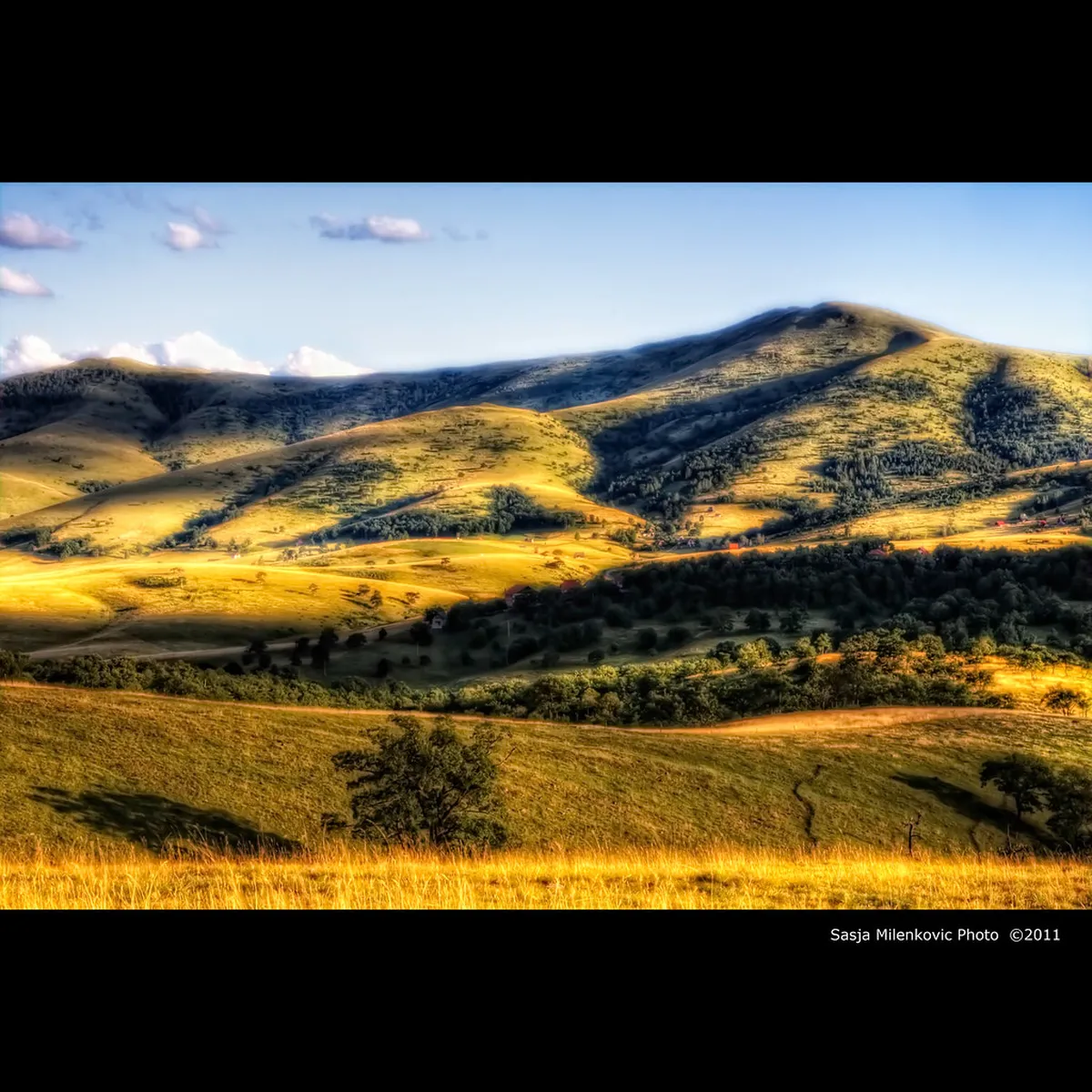
Pick one plan before leaving the hotel, so the choice does not become a sidewalk argument. A family can shoot before dinner near the restaurant, book an earlier meal, or save the best light for one priority landmark.
- In Rome, pair sunset photos around the Spanish Steps or Ponte Sant'Angelo with dinner nearby.
- In Paris, photograph the Seine or Trocadero first, then eat in the same arrondissement.
- In Barcelona, choose one Gothic Quarter route instead of crossing the city for a single shot.
The key is proximity. A good photo window near dinner works better than a perfect location that makes everyone tired and late.
For trip-planning details, see Travel photography on Wikipedia.
Further reading: Travelling with children on Wikivoyage · Family travel on Wikipedia
Frequently Asked Questions
How can you stop a teen from being on their phone the whole trip?
Reframe the phone as a tool rather than a distraction. Naming a teen the trip's official photographer, with a shared family album to curate, gives phone use a purpose the rest of the family benefits from, instead of a rule to enforce.
What are good editing apps for teen travel photography and social media?
Lightroom Mobile and CapCut are widely used industry standards for photos and short video. Both offer free tiers that cover most travel edits, though it is worth confirming current pricing and features before departure, since app terms change.
Is it safe for a teen to post their location while traveling?
Delayed or ghost-posting, sharing a photo after leaving a place rather than in real time, is the safer default. Turn off automatic location tags, and remember that privacy norms and photography laws, such as GDPR in Europe, vary by country.
How do we handle photo fatigue as a family?
Negotiate a fixed photo window, around fifteen to twenty minutes per major stop, rather than open-ended shooting at every sight. Outside that window, treat the day as phone-down time for everyone, not just the teen behind the camera.
Does a teen need a separate camera for travel photography?
Not at first. A current smartphone's RAW mode and video quality cover most family trips. A mirrorless camera is worth the extra weight only once a teen is editing seriously, or shooting fast action in low light.
Free guide: Stress-Free Flying with Kids
The pre-flight checklist, carry-on packing list, and in-flight survival plan we use on every family trip — from toddlers to teens.
You might also like


Continue reading
More guides you'll find useful