South Carolina Aquarium With Kids: A Parent's Guide (2026)
A South Carolina Aquarium with kids guide: must-see exhibits, add-on costs, parking, and 2026 timing tips for downtown Charleston.
On this page
South Carolina Aquarium With Kids: What to Know Before You Go
Last updated July 2026, this guide to the South Carolina Aquarium with kids breaks down every major exhibit, add-on, and logistics decision for a downtown Charleston visit. It flags which stops hold toddlers' attention, which paid extras are worth the cost for teens, and how to time arrival around school field trips. Expect specifics on the Great Ocean Tank, the Sea Turtle Care Center, parking near the Aquarium Garage, and how the visit fits into a longer Charleston kids' day.
Free guide: Stress-Free Flying with Kids
The pre-flight checklist, carry-on packing list, and in-flight survival plan we use on every family trip — from toddlers to teens.
Is the South Carolina Aquarium With Kids Worth It?
For most Charleston families with kids ages 2 through the mid-teens, the South Carolina Aquarium earns a spot on the day's itinerary. The Zucker Family Sea Turtle Recovery center gives kids a look at real, rescued sea turtles moving through rehabilitation. Few other downtown Charleston attractions offer that kind of close, ongoing look at active wildlife care. Toddlers gravitate toward the hands-on Kids Coast play area, where water-filtration schematics turn into a game instead of a lecture. Older kids and teens tend to get more out of the Sea Turtle Recovery exhibit, the Great Ocean Tank, and the Undersea Explorer VR add-on. Plan on roughly 2 to 3 hours inside for a typical visit. Add extra time if kids stall out at the touch tanks, line up for a paid add-on like Feed the Rays, or want a second lap through the Great Ocean Tank before leaving.
Must-See Exhibits for Kids
A handful of exhibits carry most of the excitement for kids moving room to room. Start near the entrance at Carolina Seas, work toward the two-story Great Ocean Tank, then loop back through the touch tanks and Kids Coast so younger kids get a hands-on break partway through the visit. Budget extra minutes at any tank where an educator is actively feeding or narrating, since kids tend to stop and watch.
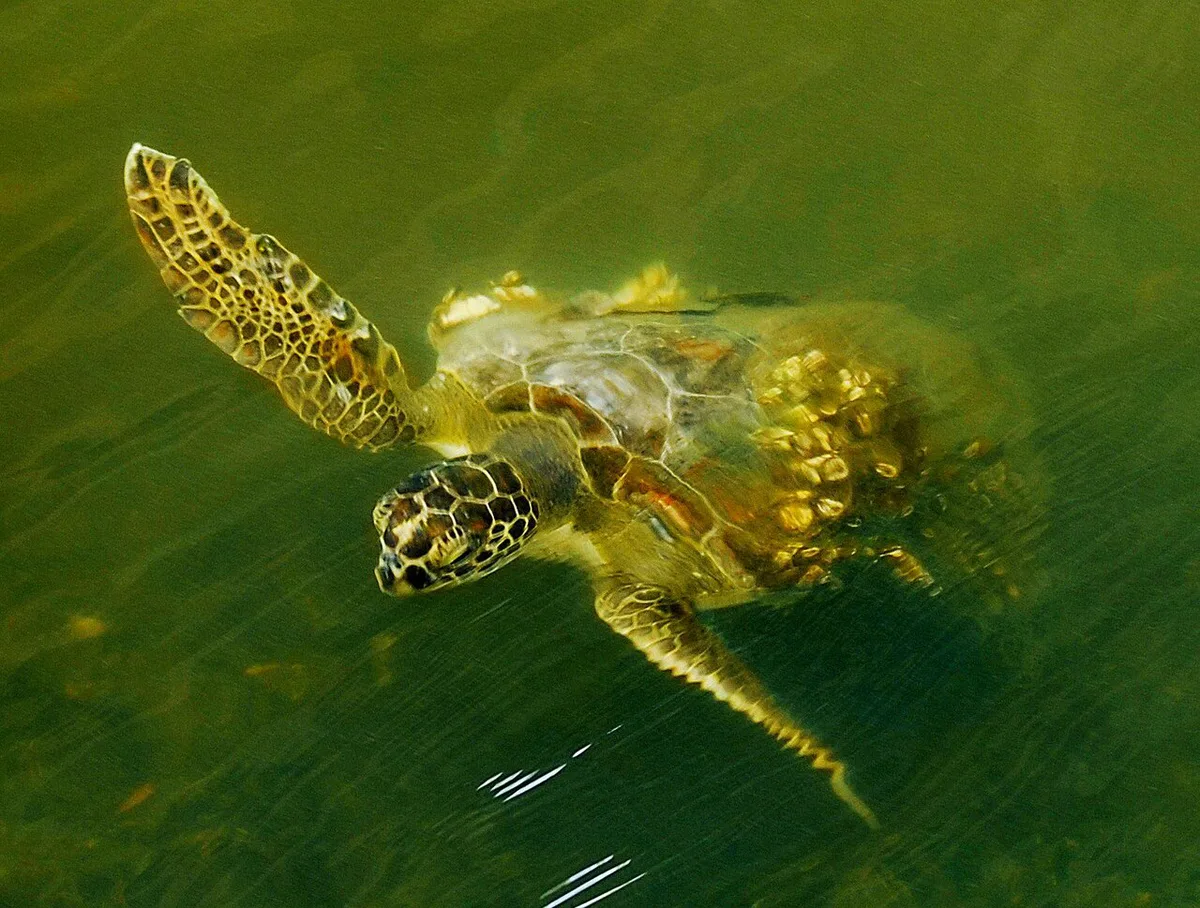
- Great Ocean Tank: North America's deepest tank, per the official site, holding 385,000 gallons across two stories. Look for Caretta, a roughly 220-pound loggerhead sea turtle, gliding past the glass alongside sharks.
- Zucker Family Sea Turtle Recovery: Part hospital, part guest exhibit. Kids see real rescued sea turtles at different stages of rehabilitation, from intake through release prep, instead of a static display.
- The Shallows and Boneyard Beach Touch Tank: Touch cownose and southern stingrays in The Shallows, then move to the Boneyard Beach touch tank experience for sea stars and horseshoe crabs under an aquarium educator's guidance.
- Kids Coast: A hands-on play zone built around water-filtration schematics, aimed at toddlers and early-elementary kids who want to operate controls rather than just watch tanks from behind glass.
- Saltmarsh Aviary: An outdoor stop overlooking Charleston Harbor, home to roseate spoonbills, gulls, and a 6,000-gallon tank of diamondback terrapins. It also gives one of the better views of the Ravenel Bridge from the aquarium grounds.
- Carolina Seas and Mountain Forest: The 15,000-gallon Carolina Seas tank sits just past the entrance. The Mountain Forest room introduces bald eagle Liberty and river otters Charlie and Beau.
- Coastal Plain and Piedmont: The Coastal Plain room recreates a swamp at twilight, with cypress trees downed by Hurricane Hugo, longnose gar, and a gopher tortoise. The adjoining Piedmont room puts kids eye-to-eye with bass, crappie, and sucker fish typical of the state's foothills.
- Jurassic Seas: A newer exhibit with skeletal replicas and fossils from Cretaceous-era marine reptiles. Exhibits like this rotate, so confirm current availability at scaquarium.org before planning a visit around it.
Add-On Experiences: Are They Worth the Extra Cost?
Two paid add-ons sit outside standard admission, and they are not equally worth it for every age group. Feed the Rays costs $5 per person and runs daily from 10:15 a.m. until 4 p.m., while supplies last, the cheapest add-on decision at the counter. Undersea Explorer VR is priced separately from admission; check scaquarium.org for the current rate before you budget for a family of four. For a child already nervous around the water in The Shallows, skip Feed the Rays and let them watch from the rail instead.
- Feed the Rays: $5 per person, daily from 10:15 a.m. to 4 p.m., while supplies last. A natural next step for kids who already handled touching rays in The Shallows and want to go further.
- Undersea Explorer VR: A 360-degree, motion-platform ride through live-action shark and whale footage. Better suited to older kids and teens who can manage a headset and simulated motion; skip it for kids under about 5.
- Seasonal programs: The Music School (ages 2 to 5) runs as a short music and rhythm class. Member Seining and Member Teen Seining (ages 13 to 17) let older kids wade into the marsh with an actual net. Availability rotates, so check the current calendar at scaquarium.org before planning a visit around one.
Essential Logistics: Tickets, Parking, and Strollers
Ticketing runs on a timed-entry model, so check scaquarium.org for the current date-based rate before you drive downtown. Parking is the real friction point for most families. The Aquarium Garage at 24 Calhoun Street sits within walking distance of the entrance, and confirming the posted rate at the garage before you park saves a surprise at checkout. Strollers fit through the main ramps without trouble most of the day. The Great Ocean Tank level narrows fast when a school group fills the walkway, so a soft carrier moves faster than a stroller during the first two hours after opening. For an overstimulated toddler, the outdoor Saltmarsh Aviary and Backyard Habitat sit apart from the tank floors and stay quieter than the crowds inside. Both work as a five-minute reset before you head back in.
The Aquarium Garage sits conveniently close, but the open-air walk between it and the entrance spans several downtown blocks; on Charleston summer days, bringing a refillable water bottle becomes essential for family comfort.
| Category | What to Expect |
|---|---|
| Admission | Timed-entry ticket; check scaquarium.org for the current date-based rate. |
| Feed the Rays add-on | $5 per person, 10:15 a.m.-4 p.m. daily, while supplies last. |
| Undersea Explorer VR add-on | Separate paid add-on; confirm current pricing at scaquarium.org. |
| Parking | Aquarium Garage, 24 Calhoun Street, short walk to the entrance; confirm the posted rate at the garage. |
| Average visit time | About 2 to 3 hours. |
| Best age range | Toddlers through early elementary at Kids Coast; upper elementary through teens at Sea Turtle Recovery and VR. |
When to Visit to Avoid School Groups
The aquarium opens at 9 a.m. and closes at 5 p.m. daily, per the official site. School field trips typically move through mid-morning, so arriving right at opening or after 3 p.m. gives kids more room at the touch tanks and along the Great Ocean Tank glass. Midday on a weekday during the school year tends to run the most crowded, since that's when most field trips are on-site. On a rain-soaked or high-heat Charleston afternoon, the aquarium works well as a climate-controlled stop that swaps easily for outdoor plans. Save outdoor stops for a cooler morning, and treat the aquarium as the fallback when the forecast turns. Weekday mornings in the shoulder months tend to run lighter than summer weekends, when downtown Charleston draws the most visitors overall.
Arriving at opening yields navigation benefits beyond crowd avoidance: soft carriers move significantly faster than strollers through the Great Ocean Tank's narrow viewing areas during the first two hours.
Dining and Family Facilities
The on-site Sea Turtle Snack Bar covers quick bites inside the building; confirm current menu items before you visit, since food offerings change through the year. For a lower-cost lunch, Liberty Square, the park just outside the aquarium entrance, gives families harbor views and open space for a packed picnic. It also works as a mid-visit break if kids need to run before the second half of the exhibits. Ask Guest Services on arrival about current nursing and changing station locations if that's part of the day's planning. Bring a refillable water bottle on a Charleston summer day, since the walk between the parking garage and the entrance covers a few open-air blocks.
Pairing the Aquarium With the Rest of a Charleston Kids' Day
Fort Sumter tour boats depart from the dock next to the aquarium, an easy add-on for kids old enough to sit through a harbor crossing. The International African American Museum sits nearby too, giving older kids a history stop within walking distance of the aquarium entrance. Families splitting a Charleston day across the harbor often pair a morning at the aquarium with Patriots Point's naval museum on the opposite shore. After a few hours indoors, a Charleston beach gives kids room to run off the extra energy before dinner. Families staying multiple days can rotate in a plantation visit for older kids interested in history, spacing it away from the aquarium so the day doesn't run too long. For sequencing all of it, from breakfast to bedtime, the full Charleston with kids itinerary lays out how the pieces fit together.
Best Route Through the Aquarium With Kids
Use the first 45 minutes for the exhibits that crowd fastest. After ticket scanning, pause briefly at Carolina Seas, then move toward the Great Ocean Tank before school groups fill the viewing rail. Kids can get a cleaner look at Caretta and the sharks from the two-story windows.
Next, visit Zucker Family Sea Turtle Recovery while attention spans are still strong. The hospital-style setup works best before snack breaks and hands-on play.
Save the touch experiences for the middle of the visit. The Shallows and Boneyard Beach both work better when kids are ready to slow down and listen to aquarium staff.
- Start: Carolina Seas and Great Ocean Tank.
- Middle: Sea Turtle Recovery, The Shallows, and Boneyard Beach.
- Reset: Kids Coast, Saltmarsh Aviary, or Backyard Habitat.
- Finish: Mountain Forest, Piedmont, and the gift shop if planned.
For trip-planning details, see South Carolina Aquarium official site.
Further reading: Charleston on Wikivoyage · Charleston on Wikipedia
Frequently Asked Questions
How much time should you plan for the South Carolina Aquarium with kids?
Budget about 2 to 3 hours for a full walk-through with kids, longer if they linger at the touch tanks or add-on experiences like Feed the Rays.
What age is the South Carolina Aquarium best for?
The aquarium works across a wide age range. Toddlers and early-elementary kids gravitate toward Kids Coast, while upper-elementary kids through teens get more out of the Zucker Family Sea Turtle Recovery exhibit and the Undersea Explorer VR add-on.
Is Feed the Rays worth it for young kids?
Feed the Rays costs $5 per person and runs daily from 10:15 a.m. to 4 p.m., while supplies last. It suits kids past toddler age who already handled touching rays in The Shallows and want to go a step further.
Where should you park for the South Carolina Aquarium?
The Aquarium Garage at 24 Calhoun Street sits within walking distance of the entrance. Confirm current posted parking rates at the garage before your visit, since downtown Charleston garage pricing changes.
Can you combine the aquarium with other Charleston kid attractions in one day?
Yes. Fort Sumter tour boats depart next to the aquarium, and the naval museum at Patriots Point sits across the harbor for a longer day. Many families follow the aquarium with time at a Charleston beach so kids can run.
What's worth skipping if a child gets overstimulated easily?
Skip Undersea Explorer VR for kids under about 5; the motion platform and headset can be too much. If a child is nervous around splashing water, skip the hands-on portion of The Shallows and watch from the rail instead, since that exhibit is built for touching rather than just viewing.
Free guide: Stress-Free Flying with Kids
The pre-flight checklist, carry-on packing list, and in-flight survival plan we use on every family trip — from toddlers to teens.
You might also like


Continue reading
More guides you'll find useful