
Charleston Plantations with Kids: A Practical Family Guide for 2026
Comparing Charleston plantations with kids? See how Magnolia, Boone Hall, and Middleton Place handle animals, strollers, and slavery history in 2026.
On this page
Charleston Plantations with Kids: A Practical Family Guide
Last updated July 2026, Charleston plantations with kids raise a harder question than most family day trips. How do you let children explore live oaks and animals on ground where enslaved people were forced to labor? This guide compares Magnolia Plantation & Gardens, Boone Hall Plantation, and Middleton Place, then links to the master Charleston family guide for lodging and pacing.
Free guide: Stress-Free Flying with Kids
The pre-flight checklist, carry-on packing list, and in-flight survival plan we use on every family trip — from toddlers to teens.
Which Charleston Plantations Are Best for Kids?
Charleston plantations with kids come down to three practical questions before you buy a ticket. How much walking can your child handle? How important are animals versus history? And how directly does the site address slavery, rather than folding it into garden scenery? Magnolia Plantation & Gardens leans hardest into nature and wildlife, with paths built more for wandering than for a guided narrative. Boone Hall Plantation pairs an oak-lined drive with structured Gullah culture programming and a dedicated history exhibit. Middleton Place turns its historic trade yard into a hands-on demonstration space staffed by costumed interpreters. McLeod Plantation Historic Site sits outside this so-called Big Three, but it matters for any family that wants slavery's history told plainly, not as a backdrop to gardens or animals. Use the comparison below to match a site to your child's age, attention span, and what you want them to take away from the day.
McLeod Plantation Historic Site stands apart from the Big Three because of its direct slavery-focused interpretation. It requires its own dedicated visit; combining it with Magnolia or Boone Hall in one afternoon shortchanges both experiences.
| Plantation | Best For | Animals & Wildlife | Stroller/Terrain | Slavery History Depth |
|---|---|---|---|---|
| Magnolia Plantation & Gardens | Toddlers and high-energy preschoolers | Petting zoo, Audubon Swamp Garden wildlife | Gravel and dirt paths with cypress roots; bring an all-terrain stroller or carrier | Framed mainly through garden and nature interpretation |
| Boone Hall Plantation | School-age kids who want a hands-on farm feel | Butterfly pavilion, tractor-pulled field tour | Paved Avenue of Oaks and flatter grounds; generally easier for standard strollers | Gullah culture presentations plus a dedicated Black History in America exhibit |
| Middleton Place | Kids who like watching trades in action | Heritage-breed animals in the Stableyards, including water buffalo and goats | Mix of formal garden paths and open lawn; moderate difficulty for strollers | Interactive, trade-focused living-history interpretation |
| McLeod Plantation Historic Site | Older kids and tweens ready for direct, unfiltered history | No petting zoo or rides; tour- and exhibit-based | Mostly flat, but historic structures have limited seating and no air conditioning | Built specifically around enslaved community history and Gullah Geechee heritage |
Magnolia Plantation & Gardens: Nature, Swamp Wildlife, and a Petting Zoo
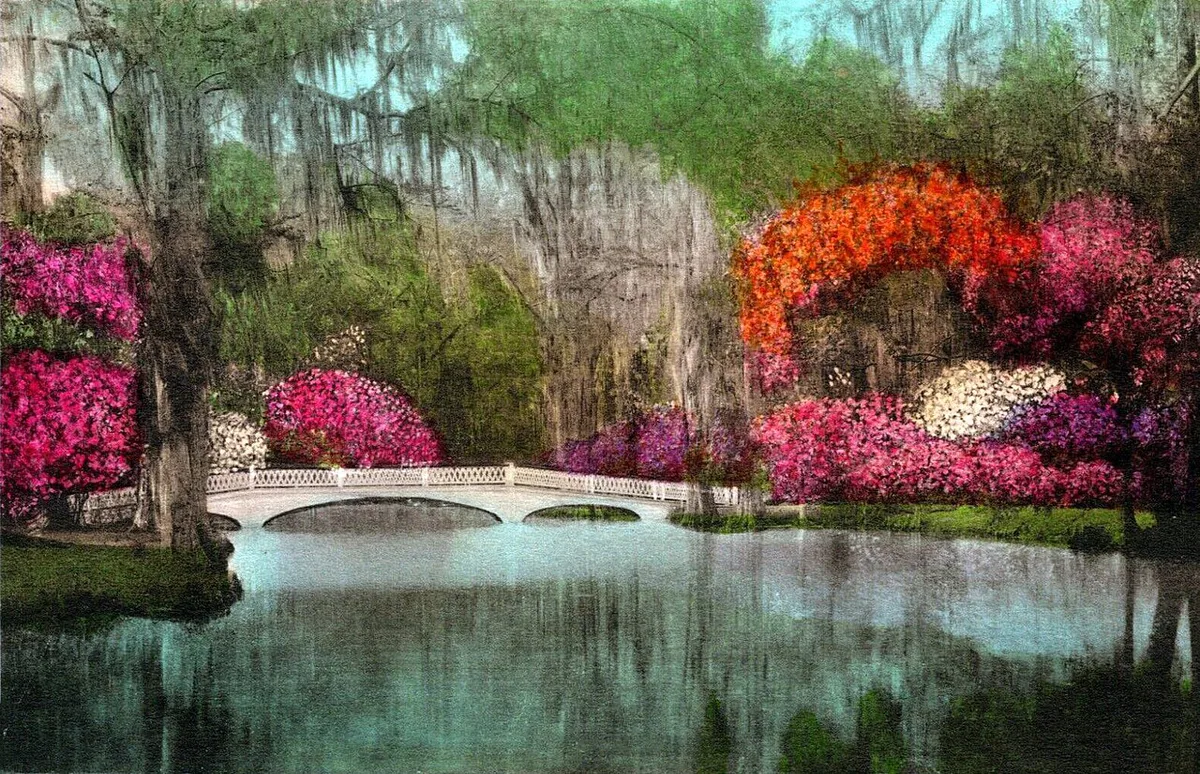
Magnolia Plantation & Gardens brands itself around history, horticulture, and nature, and that mix shows up most clearly in its petting zoo and the Audubon Swamp Garden. Both give kids something to touch and search for, instead of just listening to a guide. The swamp garden's boardwalks cross cypress trees and blackwater, with Spanish moss draping the branches overhead, and younger kids tend to treat the walk itself as the attraction. For children who cannot sit through a longer guided narration, the Nature Tram is the easier pick. Stops are shorter, and kids can move between segments without waiting out a full loop. The Nature Boat suits slightly older children who already enjoy looking for alligators, herons, and turtles, and who can handle a longer, quieter ride with more listening involved. One warning is worth repeating here. Many paths outside the immediate garden core are gravel or packed dirt, crossed by cypress roots. A compact city stroller will struggle on this terrain, so bring an all-terrain stroller or a soft carrier instead.
- Nature Tram: shorter stops, easier for squirmy toddlers and preschoolers who can't sit through a longer narration
- Nature Boat: quieter and longer, better suited to kids who already enjoy spotting wildlife and can sit still
Boone Hall Plantation: The Avenue of Oaks, a Butterfly Pavilion, and Gullah Culture
Boone Hall Plantation's Avenue of Oaks is the most photographed spot on this list, and mornings are the easier time to shoot it. Expect fewer tour buses, softer light, and kids who are not yet worn down by heat. Beyond the photo, Boone Hall pairs that moment with programming built for shorter attention spans, and with content for older kids ready to sit with harder history.
- Avenue of Oaks: the live-oak drive itself, best photographed early before tour groups arrive
- Butterfly Pavilion: a walk-through enclosure, good for a break between longer stops
- Tractor-pulled field tour: seated and narrated, easier on tired legs than walking the grounds
- Gullah culture presentations: performance-based storytelling tied to Lowcountry heritage
- Black History in America exhibit: goes further into slavery's history than the tram tours elsewhere on the property; preview it yourself if your child is young or sensitive to heavier material
Middleton Place: Stableyards, Heritage-Breed Animals, and Hands-On History
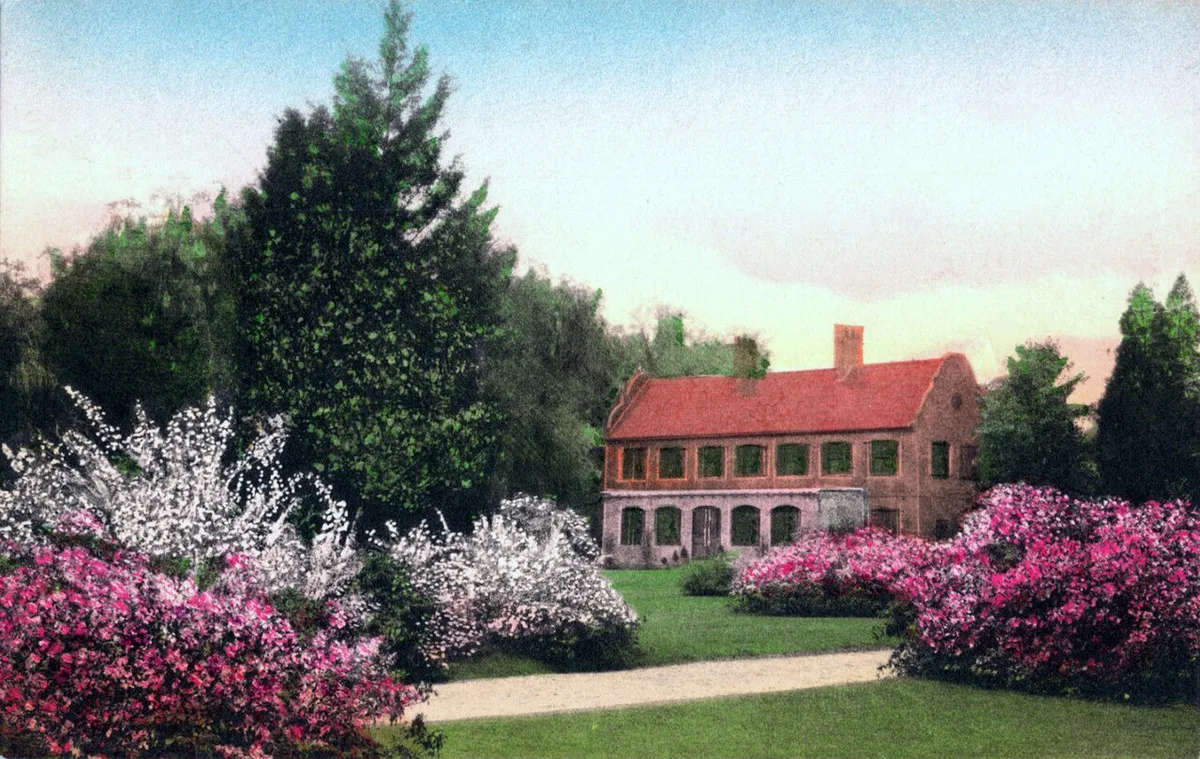
Middleton Place turns its historic Stableyards into the most hands-on stop on this list. Costumed interpreters work as a blacksmith and as potters, and kids can watch trades that once ran the plantation's daily operations. Heritage-breed animals, including water buffalo and goats, live in the yards and hold a young child's attention longer than a guided house tour typically does. Drayton Hall, nearby, is preserved largely as found and left mostly unstaffed. Middleton Place instead is restored and actively staffed. That gives children more to watch happen in real time, rather than just look at from behind a rope line. That distinction matters most for younger kids: a staffed, restored site holds attention longer than a quiet, preserved one. Magnolia Plantation & Gardens and Middleton Place both sit along Ashley River Road, close enough that some families combine a morning at one with a shorter visit to the other. Middleton Place suits families who want an interactive museum feel over a hushed historic-house tour. Its Stableyards demonstrations run on a schedule, so check the official site before planning your morning around them.
Tickets and Costs for Charleston Plantations with Kids
Every plantation on this list sells a General Admission ticket for grounds access, plus separate add-on tours for the historic house, tram, boat, or stableyard programs. General admission always costs less than a bundle that includes an add-on tour. Decide in advance whether your children will actually sit through a full guided house tour before paying extra for one. Toddlers rarely last through a room-by-room house tour. School-age kids interested in the Gullah culture presentations or the Black History in America exhibit at Boone Hall are more likely to get value from an add-on. Check each site's official page, such as magnoliaplantation.com, boonehallplantation.com, or middletonplace.org, for that day's current pricing and tour schedule. Add-on slots can sell out by mid-morning during peak season, so reserving ahead online is worth the extra step if a specific tour matters to your trip.
Arriving at opening addresses multiple pressures. Tour add-ons sell out by mid-morning in peak season, and Lowcountry heat and humidity escalate through midday faster than young children can handle outdoors.
- Historic house tour: worth it for school-age kids and up who can stay quiet indoors for a guided walkthrough; skip it with toddlers
- Tram or boat tour (Magnolia): worth it if your child already likes looking for wildlife; skip if they need to move constantly
- Tractor-pulled field tour (Boone Hall): a good add-on for tired legs since kids stay seated and narrated to
- Stableyard demonstrations (Middleton Place): often included with general admission rather than sold as a separate add-on, so confirm on the official site before assuming you need to pay extra
Timing, Weather, and Food for a Family Plantation Day
Morning visits are close to mandatory for a family trip to any of these sites. Lowcountry heat and humidity build fast through the day, and young kids fade outdoors well before adults do. Aim to arrive at opening, and plan to be back at the car or visitor center by early afternoon, especially in the warmer months. All three main sites run an on-site cafe, but portions, seating, and hours are limited compared with a full-service restaurant. Packing a picnic, checked against that day's outside-food policy at the gate, works better for picky eaters and for toddlers who eat on their own schedule rather than at a set mealtime. If the grounds leave everyone hot and restless by midday, Charleston's family beaches are the natural way to cool off that afternoon. If weather turns before you even arrive, treat the South Carolina Aquarium as your rainy-day backup instead of pushing through a soaked plantation visit with tired kids.
Talking About Slavery at Charleston Plantations with Kids
Every site on this list sits on land where enslaved people were forced to work, and each one discloses that history to a different degree. Magnolia Plantation & Gardens frames the story mostly through its garden and nature branding, with less structured interpretation built into a typical family visit than at the other sites. Boone Hall Plantation goes further, with its Gullah culture presentations and the Black History in America exhibit both aimed at an audience older than toddlers and preschoolers. Middleton Place folds enslaved history into its Stableyards interpretation, tying it to the specific trades once performed there by enslaved workers. McLeod Plantation Historic Site, run separately from the Big Three plantations above, is built specifically around slavery and Gullah Geechee history rather than gardens or animal encounters. It holds back less than any of them. Confirm McLeod's current hours and tour format before visiting, since seasonal schedules shift. For families who want the direct version, treat McLeod as a distinct, second visit. Don't fold it into the same afternoon as Magnolia or Boone Hall. The subject matter and pacing are different enough that combining them in one day shortchanges both. For a different kind of history day entirely, one built around naval history rather than the antebellum South, compare notes with the Patriots Point family guide. With any of these sites, plan the conversation ahead of time. Decide before you arrive how much detail your child is ready for, and let the on-site exhibits prompt the conversation instead of springing it on them mid-tour.
Mistakes to Avoid When Visiting Charleston Plantations with Kids
A few planning mistakes show up again and again with families visiting these sites, and every one of them is avoidable with a little preparation.
- Bringing a small-wheeled city stroller: Magnolia's swamp paths and other gravel or root-crossed trails will stop it fast; use an all-terrain stroller or a carrier instead
- Booking two plantations in one day: between heat, driving time, and a full morning of walking, one plantation per day is the realistic limit for most families with young kids
- Skipping bug spray: Lowcountry mosquitoes and no-see-ums are active around the swamp, river, and garden areas at both Magnolia and Middleton Place, especially near dusk
- Skipping the visitor center bathroom: the historic houses themselves typically have no restrooms or air conditioning, so use the modern facilities before a guided house tour starts
Boredom Barometer: How Much Standing Still Is Involved?
For kids, the biggest difference is not fame. It is how often they get to move, watch, or touch something between adult explanations. Magnolia Plantation & Gardens has the lowest boredom risk for toddlers because the petting zoo, Audubon Swamp Garden, and open garden paths break the visit into short, self-paced stops. Boone Hall Plantation works best for elementary-age kids because the tractor-pulled field tour, Butterfly Pavilion, Avenue of Oaks, and Gullah presentation create clear changes of scene.
- Lowest boredom risk: Magnolia, especially for toddlers and preschoolers who need frequent movement.
- Best middle ground: Boone Hall, with seated tours plus exhibits and outdoor space.
- Highest quiet-looking factor: Middleton Place gardens and McLeod, which suit older kids better.
Middleton Place becomes more engaging when you time the Stableyards for blacksmithing, pottery, or animal viewing. McLeod Plantation Historic Site is meaningful, but it is less about entertainment. Save it for children ready for a slower, more direct history visit.
For trip-planning details, see Charleston County Parks — McLeod Plantation Historic Site and Magnolia Plantation and Gardens official site.
Frequently Asked Questions
Which Charleston plantation is best for toddlers?
Magnolia Plantation & Gardens is usually the easiest fit for toddlers and preschoolers. Its petting zoo and swamp garden give a young child something to look at and touch, without requiring a long, quiet sit-down tour.
Do Charleston plantations require booking tours in advance?
General admission is typically available same-day, but add-on tours, such as a historic house tour, tram, boat, or stableyard program, can sell out by mid-morning in peak season. Check each site's official page and book ahead if a specific tour matters to your visit.
Are Charleston plantation grounds stroller-friendly?
Not everywhere. Expect gravel, packed dirt, and cypress roots on many paths, especially at Magnolia Plantation & Gardens. Bring an all-terrain stroller or a soft carrier rather than a compact city stroller.
How do Charleston plantations talk about slavery in front of kids?
Depth varies by site. Magnolia frames it mostly through garden and nature branding, Boone Hall goes further with Gullah culture presentations and a dedicated history exhibit, and Middleton Place ties it to trades demonstrated in its Stableyards. McLeod Plantation Historic Site is built specifically around that history rather than gardens or animals.
Can you visit more than one Charleston plantation in a day with kids?
It's possible, but not recommended with young children. Between Lowcountry heat, driving time, and a full morning of walking, one plantation per day is the realistic limit for most families; save a second site for another morning instead.
Free guide: Stress-Free Flying with Kids
The pre-flight checklist, carry-on packing list, and in-flight survival plan we use on every family trip — from toddlers to teens.
You might also like


Continue reading
More guides you'll find useful


