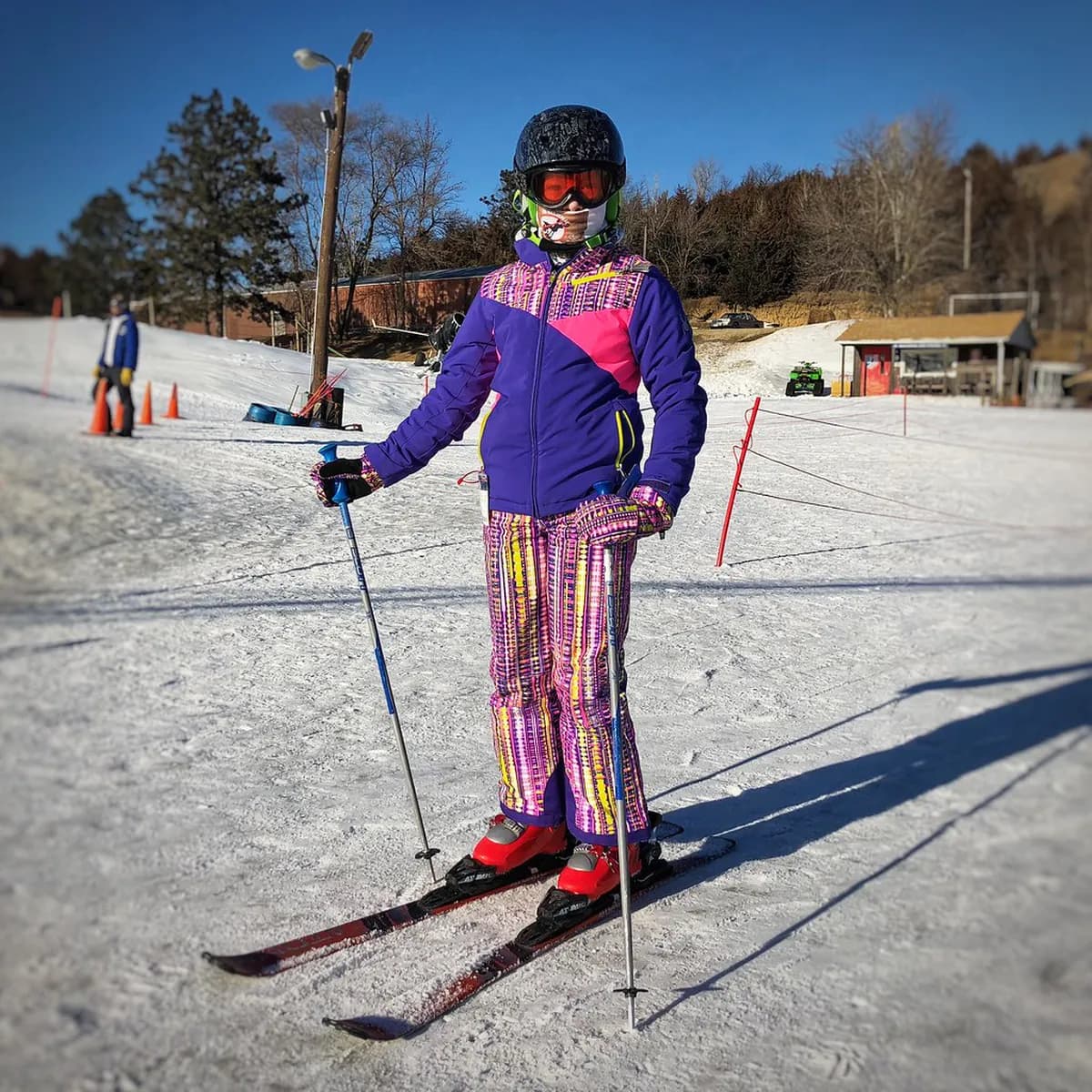
Kids Ski Gear: Rent or Buy? Cost Guide and Break-Even Rule (2026)
Kids ski gear: rent or buy? Compare daily rentals, season leases, and trade-in programs by ski days, growth spurts, and travel logistics for 2026.
On this page
Kids Ski Gear: Rent or Buy? A Cost and Decision Guide for 2026
Last updated July 2026. Parents facing the kids ski gear rent or buy question are weighing ski days, growth spurts, and travel distance to the mountain. This guide compares daily rentals, season leases, and buying with trade-in programs, then flags the ski-day count where buying starts to save money.
Free guide: Stress-Free Flying with Kids
The pre-flight checklist, carry-on packing list, and in-flight survival plan we use on every family trip — from toddlers to teens.
Quick Verdict: The Rule of 4 for Kids Ski Gear
Use ski days per season as the first filter. Fewer than four days a year points to daily rental. Five to ten days makes a season lease worth pricing out. More than ten days, or gear that will pass down to a younger sibling, tips the math toward buying. The table below lines up typical cost ranges and the main trade-off for each path.
| Option | Best For | Typical Cost Range | Main Trade-Off |
|---|---|---|---|
| Daily rental | 1-4 ski days a year | $25-$45 per day, per child | No fitting hassle avoided; morning lines and shop-to-shop fit differences |
| Season lease | 5-10 ski days, local families | $150-$300 for the season | One fit locks in for the winter; sizing has to be estimated in fall |
| Buy new or used | 10+ days, or hand-me-downs planned | $300-$600 for a full new kit | Highest upfront cost; trade-in or resale recovers only part of it |
Kids Ski Gear: Rent or Buy? Weighing Daily Rentals Against Season Leases
Daily rentals suit first-timers and families skiing once a year. They also work for a single trip added onto a non-ski vacation. Season leases are the go-to move for local families skiing all winter. Pick up a full kit in November and return it in April for one flat fee. Off-mountain shops in town price season leases lower than base-area rental counters. Many leases include a mid-season swap if a child's boot sole length changes before spring. Gear needs also shift with skill. A first-timer needs shorter, softer-flex skis than an intermediate child working on parallel turns. The ski lessons by age guide covers how equipment changes as kids move up skill levels. Boots matter more than skis for fit. A boot that is too big lets a foot slide, which weakens edge control and slows learning. Some families buy boots for a proper fit and rent skis each season instead. That hybrid captures most of the fit benefit of buying without the full cost.
- No luggage: skip flying with skis and boots entirely.
- Current gear: shops rotate stock every fall.
- Rental lines: counters get busy before first chair, especially at base-area shops.
- Fit variance: sizing and boot flex differ from one rental shop to the next.
Buying: New Gear, Used Gear, and Junior Trade-In Programs
Buying makes the strongest case when gear will pass down to a younger sibling. One purchase then covers two or three seasons of use across kids, which changes the per-season cost. Junior trade-in programs change the buying math too. Outdoor retailers such as REI run trade-up programs for kids' gear. Buy a new kit, then return it the next season. The credit is roughly half the purchase price toward the next size up. That turns one big purchase into a rolling upgrade path instead of a sunk cost. Used gear brings real savings, but check safety details before buying secondhand.
Trade-in programs reduce the per-cycle cost to roughly half the initial purchase after year one—matching season-lease pricing. This preserves boot consistency, allowing the muscle memory that high-frequency skiers (10+ days yearly) depend on.
- Binding indemnification: shops will not adjust or service bindings past the manufacturer's cutoff date, so a very old pair may be unrepairable.
- DIN setting reset: always have a shop set the binding release value for the current child, not the previous owner.
- Boot sole wear: a cracked or rounded sole can keep a binding from releasing correctly in a fall.
The Cost Math: Direct and Hidden Costs
Direct costs scale differently across the three paths. Daily rental fees multiply by every ski day and every child. A season lease is one flat fee regardless of day count. Buying is the highest single outlay, offset over time by trade-in credit or a hand-me-down to a sibling. Hidden costs shift the math further. Airlines charge a per-bag fee for oversized ski bags on most routes, and that fee repeats on every flight, every season, for owned gear. Rental lines carry a hidden cost too. That cost is the time spent waiting at a base-area counter instead of on snow. That time tax shows up most at high-traffic resorts. A Park City ski trip or a Lake Tahoe family ski trip can mean a real wait at the base-area rental counter. Owned gear skips that line entirely.
Ten-plus ski days yearly tips families toward buying, but owned gear draws airline baggage fees on every seasonal flight—a recurring cost that persists regardless of day count, offsetting the line-skipping convenience.
Logistics: Travel, Lugging Gear, and Consistency
Owned gear has to travel with the family, and that is its own logistics problem. Four sets of skis, boots, and poles fill a rental SUV trunk fast. An airport shuttle with a family of four and full gear bags gets tight too. Families who fly in and rent locally skip that hassle entirely. That convenience is part of why rental demand stays high at family-friendly ski resorts with strong on-site rental shops. Owning gear has a progression upside rental cannot match. A child who skis the same boot flex and ski length all season builds muscle memory faster. Kids adjusting to a new setup every trip progress more slowly. That consistency matters most for kids skiing ten or more days a year, the same group the Rule of 4 above points toward buying.
Decision Matrix: Matching the Strategy to Your Family
Three skier profiles cover most families. Match yours to the closest one below. The weekend warrior pattern is common among East Coast families who drive to Vermont family ski areas most Saturdays. A season lease removes the Friday-night packing scramble and keeps a consistent fit through a full winter of short trips.
| Family Type | Typical Pattern | Best Strategy |
|---|---|---|
| The vacationer | One ski trip a year | Daily rental at the resort or a nearby town shop |
| The weekend warrior | Regular weekend drives to a local hill | Season lease from an off-mountain shop |
| The frequent or competitive skier | 20+ ski days a year, or a racing program | Buy new or buy used, backed by a trade-in program |
Common Mistakes That Cost Money or Compromise Safety
A few habits undercut both budget and safety, whichever path a family picks.
- Buying room to grow: an oversized boot or ski throws off balance and slows progression, even though it looks like it saves money next season.
- Skipping the helmet check: some resort rental packages leave the helmet out, so confirm what is included before pickup, not after.
- Ignoring the hybrid option: buying boots for a precise fit while renting skis each season captures most of the benefit of owning gear at a fraction of the cost.
- Letting bindings age out: a used pair past its indemnification date cannot be serviced or adjusted by most shops, no matter how good the skis still look.
What Rental Packages Usually Do Not Include
Daily rentals and season leases usually cover the hard goods: skis, boots, and poles. Some beginner packages add a helmet, but many shops list helmets as a separate line item. Confirm this before arrival, especially at base-area counters where inventory moves quickly on holiday mornings.
Parents should still plan to own the comfort and weather items. These pieces affect warmth, visibility, and dry feet more than ski performance, and they are rarely worth renting.
- Buy moisture-wicking ski socks, not thick cotton socks.
- Bring goggles that fit the child’s helmet without a forehead gap.
- Pack waterproof mittens or gloves, plus a spare pair for wet afternoons.
- Use layered ski clothing rather than relying on resort shops for last-minute purchases.
This split keeps the rental decision focused on fast-growing equipment while avoiding expensive emergency buys at the mountain.
For trip-planning details, see National Ski Areas Association.
Further reading: Travelling with children on Wikivoyage · Family travel on Wikipedia
Frequently Asked Questions
How many ski days make buying kids' ski gear worth it?
Roughly ten or more days a season is where buying starts to pencil out over renting, based on the Rule of 4 above. Below that, a season lease or daily rental usually costs less overall.
What is a season lease, and how is it different from daily rental?
A season lease is a flat fee paid once, typically in the fall, that covers skis, boots, and poles for the full winter. Daily rental charges per day and per child, which adds up fast for families skiing more than a handful of days.
Should you buy boots and rent skis for kids?
Yes, that hybrid is a common strategy. Boots are the most fit-sensitive item, so owning a pair that fits properly protects comfort and control. Skis are easier to size correctly at a rental counter each season.
What is a junior trade-in program?
It is a retailer program, such as the trade-up option at REI, where a family buys new kids' gear and returns it the next season for roughly half the purchase price toward the next size up.
Are used skis and bindings safe for a child?
They can be, but only after a shop checks the binding's indemnification status and resets the release value, or DIN setting, for the current child. Skip any used pair a shop will not service.
Free guide: Stress-Free Flying with Kids
The pre-flight checklist, carry-on packing list, and in-flight survival plan we use on every family trip — from toddlers to teens.
You might also like


Continue reading
More guides you'll find useful