

New York Family Itinerary for 4 Days: A Neighborhood-by-Neighborhood Plan
Plan a New York family itinerary for 4 days, grouped by neighborhood, with day-by-day stops, subway tips, and hotel picks for 2026.
On this page
New York Family Itinerary: 4 Days, Neighborhood by Neighborhood
Last updated July 2026, this New York family itinerary for 4 days groups every stop by neighborhood, so families stop crisscrossing Manhattan between naps and meals. The route runs north to south, pairing one major landmark with one nearby playground or green space each day. That structure keeps travel time short and gives kids a predictable break after every museum or skyscraper stop.
Free guide: Stress-Free Flying with Kids
The pre-flight checklist, carry-on packing list, and in-flight survival plan we use on every family trip — from toddlers to teens.
At a Glance: Your New York Family Itinerary for 4 Days
Four days is enough for a greatest-hits tour of New York with kids, provided you resist zig-zagging across boroughs. This itinerary clusters sights by neighborhood, so you are never doubling back across town for one attraction. For a broader primer on trip length, packing, and timing, see the full New York with kids planning guide before you lock in dates.
| Day | Neighborhood | Top Landmark | Kid-Friendly Win |
|---|---|---|---|
| Day 1 | Upper West Side | American Museum of Natural History | Central Park playgrounds |
| Day 2 | Midtown | Top of the Rock or Summit One Vanderbilt | Bryant Park and FAO Schwarz |
| Day 3 | Chelsea and Hudson Yards | The High Line | Little Island's play areas |
| Day 4 | Lower Manhattan and DUMBO | Statue of Liberty and Brooklyn Bridge | Jane's Carousel |
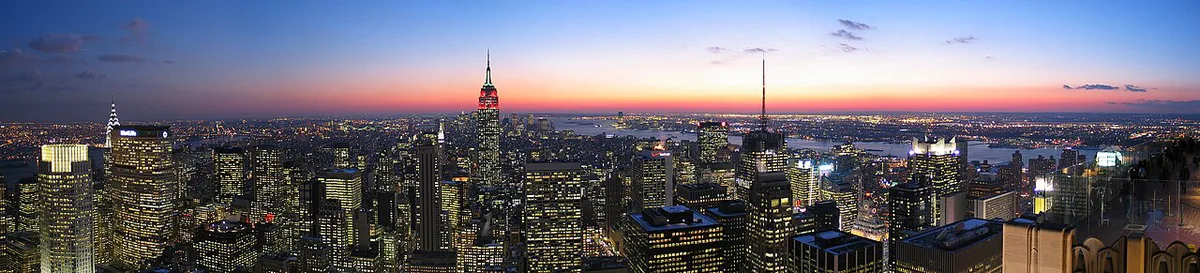
Where to Stay: Midtown, Upper West Side, or Financial District
Midtown puts you close to Broadway theaters and major subway hubs, at the cost of near-constant noise. The Upper West Side is quieter and more residential, with fast access to Central Park and the natural history museum. Some Midtown sights take a longer ride from there. The Financial District often prices lower on weekends and sits closest to the Statue of Liberty ferries, but has fewer casual dinner options after dark. Weigh budget, transit time, and room size together, since a cheaper room far from the subway can cost more in time than it saves in money.
| Neighborhood | Best For | Trade-off |
|---|---|---|
| Midtown | First-timers who want Broadway and subway hubs within a few blocks | Noise and crowds, especially near Times Square |
| Upper West Side | Families prioritizing quiet blocks and quick Central Park access | A longer ride to Midtown and downtown sights |
| Financial District | Weekend value and easy access to the Statue of Liberty ferries | Fewer casual dinner options once restaurants close early |
Day 1: Museums, Playgrounds, and Central Park in the Upper West Side
Base day one on the Upper West Side and keep the whole day within a few blocks. Start at the American Museum of Natural History galleries, then spend the afternoon at Central Park's playgrounds and lawns. Aim to arrive at the museum close to opening, since crowds build fast by late morning.
- Morning: American Museum of Natural History, focused on the dinosaur halls and the Hall of Ocean Life.
- Lunch: A casual counter-service spot on Columbus or Amsterdam Avenue, or a picnic carried into the park.
- Afternoon: Central Park, with the Ancient Playground or Belvedere Castle as the main stop for younger kids.
- Evening: Dinner on the Upper West Side, within walking distance of the hotel.
Day 2: Skyscrapers, Neon Lights, and Broadway in Midtown
Midtown day two moves faster, with more walking between stops. Pick one observation deck in the morning, either Summit One Vanderbilt or Top of the Rock, rather than both. Save energy for Rockefeller Center and a Broadway show later in the day.
- Morning: Summit One Vanderbilt or Top of the Rock for skyline views; pick whichever has an earlier timed-entry slot.
- Afternoon: Bryant Park, then the New York Public Library, where the Children's Center suits younger kids better than the Rose Reading Room.
- Late afternoon: Rockefeller Center and FAO Schwarz for a browse, not a full shopping trip.
- Evening: A short pass through Times Square, then a Broadway matinee or evening show such as The Lion King.
Day 3: The High Line, Chelsea, and Little Island on the West Side
Day three stays almost entirely on the far West Side, from Chelsea to Hudson Yards. Enter the High Line at a stroller-friendly access point, since some staircases along the route have no elevator. Little Island and the Whitney Museum give you an afternoon backup if the weather turns.
- Morning: Walk the High Line, entering near Gansevoort Street or 14th Street where stroller ramps are easiest to find.
- Lunch: Chelsea Market for a food hall spread, or the Pier 57 rooftop food hall for outdoor seating.
- Afternoon: Little Island's park paths and the Pier 51 playground, or the Whitney Museum for an indoor option.
- Evening: Hudson Yards for a photo stop at the Vessel; confirm current stair access before planning to climb it.
Day 4: History, Ferries, and the Brooklyn Bridge Downtown
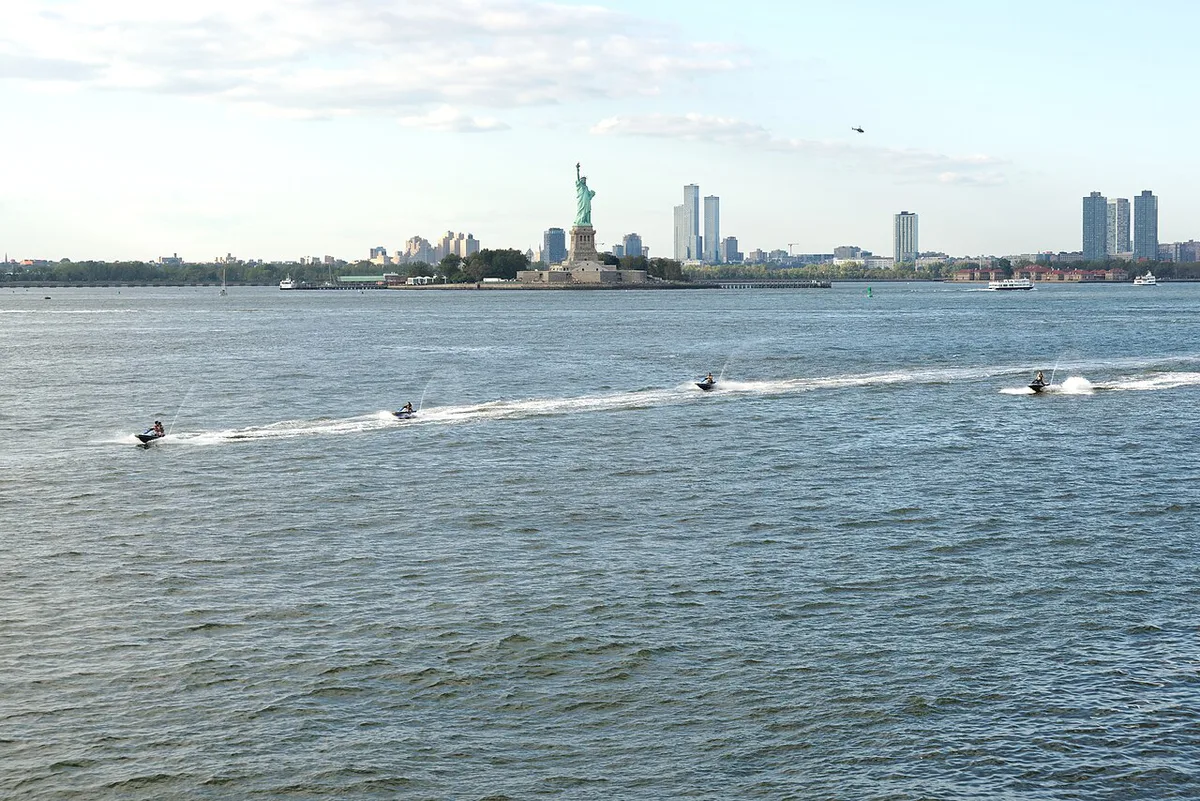
Day four covers the most ground, so start early. Choose between a booked Statue of Liberty and Ellis Island trip with Statue City Cruises, or the free Staten Island Ferry for skyline views without a landing. This is the most physically demanding day of the four, so build in a slower afternoon.
- Morning: Statue of Liberty and Ellis Island via Statue City Cruises, or the free Staten Island Ferry round trip as a shorter alternative.
- Lunch: The Wall Street area or Fraunces Tavern for a sit-down break before the afternoon walk.
- Afternoon: One World Observatory and the 9/11 Memorial's outdoor pools; many families skip the indoor museum with younger kids.
- Late afternoon: Walk the Brooklyn Bridge toward DUMBO, then let kids run at the waterfront.
- Evening: Pizza in DUMBO, followed by a ride on Jane's Carousel.
Getting Around: Subways, Strollers, and OMNY
New York's subway is the fastest way between neighborhoods, but not every stop has an elevator. Tap a bank card or phone directly at the OMNY reader instead of buying a MetroCard. Young children riding with a paying adult often travel free. The exact age or height cutoff can change, so confirm current policy before you travel. Toddlers and preschoolers usually do better in a carrier on crowded Midtown sidewalks, where a stroller becomes a liability during rush hour. For a toddler-paced version of this trip, see the toddler-paced New York guide. Times Square draws the thickest crowds, so agree on a meeting point before letting kids wander even a few feet away.
Day 1 stays within a few blocks while Day 4 covers the most ground; this variation in walking distance means stroller versus carrier decisions should shift daily rather than remain fixed.
- OMNY tap-to-pay currently runs about $2.90 per ride; confirm the fare on the MTA site before travel.
- Elevators are not guaranteed at every station, so check accessibility before planning a stroller-heavy route.
- Crowded sidewalks: the blocks around Times Square get tight fast; a carrier often beats a stroller there.
- Buses run slower than the subway but offer street-level views and fewer stairs.
Budget and Booking: Passes, Broadway Tickets, and Free Wins
Multi-attraction passes can save money if you plan to hit several paid sights. CityPASS-style bundles and general sightseeing passes both cover a mix of paid attractions. Adult passes in this category commonly list around $145, though the bundled attractions and season change the exact price. Compare pass pricing against single tickets before buying, since a slower-paced trip does not always clear the break-even point. For last-minute Broadway seats, the TKTS booth in Times Square sells same-day tickets at a discount, cash or card, with no guarantee on a specific show. A family suite rate as low as $288 a night has been reported at a Midtown-area hotel before. Deals like that are rare, so treat it as a rough low-end baseline, not a guarantee. Not every day needs a paid ticket at all: the roundup of free NYC activities for families covers cost-free stops to mix into the plan.
Each day includes a lower-key stop for pacing, yet the 15,000-step average means a slower-paced itinerary with 3+ paid sights won't break even on multi-attraction passes.
| Option | Best For | Rough Cost Signal |
|---|---|---|
| Multi-attraction pass | Families hitting 3 or more paid sights in 4 days | Around $145 per adult, bundled |
| Single tickets | Slower-paced trips with 1-2 paid sights | Pay per attraction, no bundle discount |
| TKTS same-day Broadway | Flexible families open to a same-day show pick | Box office price minus a same-day discount |
Prepping Your Kids for New York City
New York with kids means a lot of walking, often past 15,000 steps a day between subway platforms and museum halls. Talk through the pace before the trip. Build in at least one lower-key stop, like a playground, into every single day. Comfortable, broken-in shoes matter more than any other packing list item. A white-noise machine or app also helps in Midtown hotel rooms, where street noise carries even on higher floors.
Stroller-Friendly Subway Stops for This Route
Plan stroller transfers around stations that are usually easier, then confirm elevator status on the MTA site the morning you ride. For day one, 81 St-Museum of Natural History is the most useful stop for the museum and Central Park West. For Midtown, 42 St-Bryant Park and Grand Central-42 St keep you close to Bryant Park, the library, and Summit One Vanderbilt.
On the West Side, use 14 St/8 Av or 34 St-Hudson Yards for High Line access, depending on which end you start. Downtown, Fulton St is useful for One World Trade Center and the 9/11 Memorial. Bowling Green works for Battery Park and Statue of Liberty ferries.
- Carry the stroller folded on short stair sections when elevators are out.
- A carrier is easier around Times Square, Rockefeller Center, and packed subway platforms.
- Use buses for tired afternoons; they are slower but avoid many stairs.
For trip-planning details, see New York City official tourism site and Statue of Liberty National Monument — NPS.
Frequently Asked Questions
Is 4 days enough to see New York with kids?
Four days covers a greatest-hits version of the city: one major museum, Central Park, a skyline view, the High Line, and either the Statue of Liberty or the Brooklyn Bridge. It will not cover everything, so treat this as a first-trip framework and save other neighborhoods for a return visit.
Is the New York Public Library worth visiting with kids?
Yes, especially the Children's Center, which is more interactive for younger kids than the Rose Reading Room. Pair a short library stop with time in Bryant Park next door, so kids get to move around afterward.
What is the best neighborhood to stay in for a first-time family trip?
Midtown works well for first-timers who want Broadway and major subway lines within walking distance. Families who prefer quieter blocks and easy Central Park access often choose the Upper West Side instead.
How do I get discounted Broadway tickets for a family?
The TKTS booth in Times Square sells same-day tickets at a discount, though availability depends on the show and the day. Arrive early, keep a backup show in mind, and expect to pay in cash or by card at the booth.
Should you bring a stroller or a carrier to New York?
Bring both if you can manage it: a carrier for crowded Midtown sidewalks and subway transfers, and a stroller for Central Park and the High Line. Confirm which subway stations on your route have elevators before relying on the stroller underground.
Free guide: Stress-Free Flying with Kids
The pre-flight checklist, carry-on packing list, and in-flight survival plan we use on every family trip — from toddlers to teens.
You might also like


Continue reading
More guides you'll find useful


