

Natural History Museum London with Kids: Survival Guide & Highlights
Essential tips for visiting the Natural History Museum London with kids: entry hacks, the best dinosaur routes, where to eat, and how to avoid the crowds.
On this page
Visiting the Natural History Museum London with Kids
Last updated July 2026. Visiting the Natural History Museum London with kids means juggling free admission, big crowds, and a Victorian building the size of several city blocks. This guide breaks down which entrance to use, which galleries suit which ages, and how to dodge the internal dinosaur gallery queue. Expect concrete timing, transport, and facility details rather than a plain list of exhibits.
Free guide: Stress-Free Flying with Kids
The pre-flight checklist, carry-on packing list, and in-flight survival plan we use on every family trip — from toddlers to teens.
Natural History Museum London with Kids: Quick Start
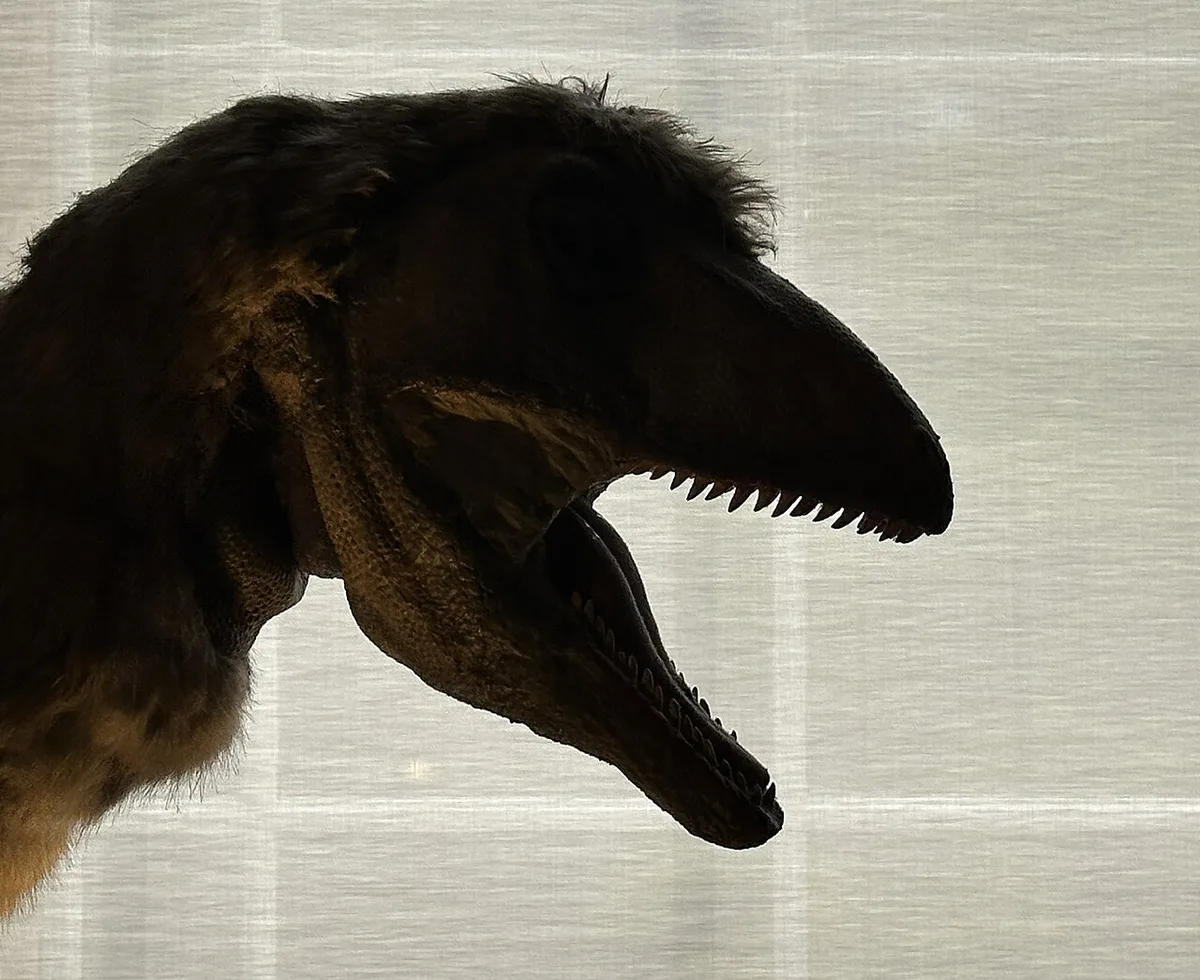
The museum offers free admission for everyone, including kids of all ages. It's one of the most reliable rainy-day stops in South Kensington. Preschoolers respond well to the animatronic T. rex in the dinosaur gallery. Elementary-age kids gravitate to the earthquake simulator in the Red Zone. Hope the blue whale skeleton in Hintze Hall works as a slower first stop for any age, including toddlers in a stroller. As of 2026, free timed-entry tickets are recommended for peak periods. Check the official site at nhm.ac.uk before travel, since booking policy can shift year to year. Plan on roughly 3 hours for a highlights-only visit. A full gallery-by-gallery visit runs 5 hours or more.
- Admission: free for all visitors
- Opening hours: daily 10:00 am to 5:50 pm, last entry 5:30 pm (confirm current times before visiting)
- Address: Cromwell Road, South Kensington, SW7 5BD
- Nearest station: South Kensington (District, Circle, and Piccadilly lines)
- Highlight tour: about 3 hours; full visit: 5 or more hours
Arrival Strategy: Beating the Queues at South Kensington
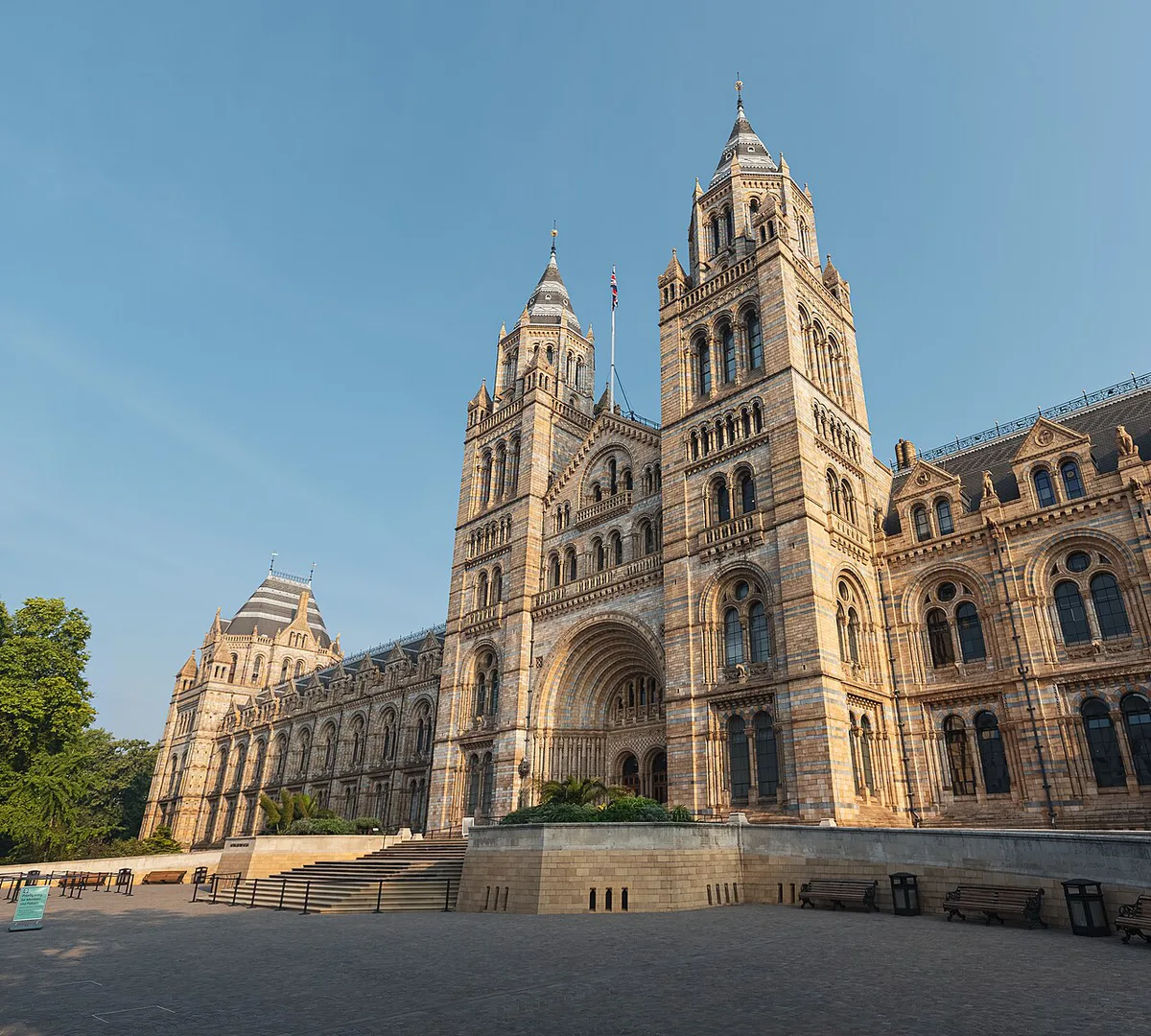
The museum has two public entrances, and picking the right one saves real time with kids in tow. The main entrance on Cromwell Road gets the longest lines, especially right after opening. The side entrance on Exhibition Road usually moves faster and is worth the short walk around the building. Families arriving by tube reach the museum through a pedestrian tunnel from South Kensington station. The tunnel is flat and wide enough for a stroller, but it gets crowded fast. Budget extra minutes to push a buggy through during busy periods. Check Transport for London (TfL) for current step-free access updates before planning your route. Arriving right at the 10:00 am opening is the single best crowd-avoidance move. School groups and tour buses tend to build up from mid-morning onward.
- Cromwell Road entrance: main entrance, typically the longest queue
- Exhibition Road entrance: side entrance, typically faster to enter
- South Kensington station tunnel: flat and stroller-passable, but crowded near opening time
Top Galleries for Families: The Color-Coded Zones
The museum groups its galleries into four color-coded zones across a Victorian building. Matching zones to ages cuts down on backtracking with tired kids. Hope the blue whale skeleton has hung in Hintze Hall since 2017. That year it replaced the Diplodocus skeleton nicknamed Dippy. It's visible free from the entrance hall without joining any queue. The Red Zone's Earth-themed escalator carries visitors into a large globe model. From there it leads to the earthquake simulator, a reliable hit with early-elementary-age kids.
| Zone | Best For | Signature Sight |
|---|---|---|
| Blue Zone | Dinosaur fans, all ages | Animatronic T. rex and Hope the blue whale skeleton in Hintze Hall |
| Red Zone | Elementary-age kids | Earth-themed escalator, volcano panels, and the earthquake simulator |
| Green Zone | Younger children | Creepy-crawly and bird galleries, lower sensory load |
| Orange Zone | Older kids and teens | Darwin Centre and the Spirit Collection |
The Dinosaur Gallery Queue Reality
The animatronic T. rex draws bigger internal queues than any other single exhibit in the museum. Getting through the main entrance doesn't guarantee walking straight into the Blue Zone's dinosaur gallery. On busy days, the queue for the gallery itself can run 45 minutes or longer, even once you're already inside the building. Visiting right at opening, or saving dinosaurs for the last hour before close, are the two reliable ways around that second queue.
Navigating the Museum by Age
Toddlers do best with low-sensory stops rather than the loudest galleries. Hintze Hall's upper balconies give a toddler room to move away from Blue Zone crowds. The Investigate Centre in the Orange Zone adds a hands-on table with specimens and microscopes for kids roughly ages 5 to 14. For a toddler-paced day beyond this one museum, navigating London with toddlers covers wider pacing tips. Elementary-age kids get the most from interactive stops. The earthquake simulator, the volcano panels, and the animatronic T. rex all reward kids who can read labels and press buttons themselves. Teens and older kids tend to linger longest in the Darwin Centre. Its Spirit Collection and multimedia displays run deeper than the family-focused galleries. For a wider family itinerary beyond one museum day, your broader London family itinerary covers the rest of the city's kid-friendly stops.
Green Zone's lower sensory load and Red Zone's earthquake simulator-and-volcano-panels setup directly serve each age group's needs. Matching zone to age prevents the common mistake of attempting all four zones in a single day with young kids.
Food, Restrooms, and Buggy Parking
The museum runs an on-site restaurant near the dinosaur gallery with kid-friendly options. A separate café also serves food across the ground floor. Prices at both run higher than bringing your own food. The lower ground floor holds a dedicated picnic area for food brought from outside. Using it costs nothing extra, and admission itself is already free. Check current café menus and prices on-site or via nhm.ac.uk before deciding. Baby-changing facilities and buggy parking sit near the main galleries. Exact locations shift with occasional gallery renovations, so ask at the information desk on arrival. In a Victorian building this size, lifts get crowded fast. Using stairs where possible keeps things moving, but lifts remain the only option for most buggies between zones. For more no-cost options nearby, other free family activities in London can round out a museum day without adding to the budget.
Forgetting to pack food costs families significant money since restaurants on-site run higher than outside options and the free ground-floor picnic area goes unused. Pre-planning meals offers the most direct way to keep a completely free day, avoiding one of the most common visitor mistakes.
Combining Your Visit: South Kensington and Beyond
South Kensington holds three major museums within a few minutes' walk of each other. They are the Natural History Museum, the Science Museum, and the V&A. Families with more than one day in the area can split galleries across a morning and an afternoon. Trying to cover all three museums in a single day usually backfires with young kids. Exhibition Road itself is a pedestrian-priority street outside the museum. It gives kids room to run after a few hours indoors. It also connects to London's kid-friendly parks for a longer energy-burn stop. Building a multi-day London trip around this museum works well alongside a Tower of London day trip. A Harry Potter-themed day out on a different day keeps any single day from feeling overloaded. If visiting in winter, check Visit London's current listings for a seasonal ice rink that has run outside the museum in past years. Exact dates and operating years vary, so confirm before you plan around it.
Common Mistakes to Avoid at the Natural History Museum
A few repeat mistakes cost families the most time and patience.
- Queuing at the busy Cromwell Road entrance when the Exhibition Road side entrance is faster
- Trying to see all four color zones in a single visit with young kids
- Skipping the dinosaur gallery's internal queue time when planning a tight schedule
- Arriving without checking current ticket and booking requirements on the official site
- Forgetting the free indoor picnic area and paying restaurant prices for every meal
Avoiding the Gift Shop Meltdown
The museum shop is easiest to manage if you treat it as a planned stop, not a surprise at the end. The main shop sits close to Hintze Hall, so many families pass it when children are already tired. Dinosaur fans may also notice dinosaur-themed merchandise around the Blue Zone route.
Set the rule before entering the galleries, especially if the animatronic T. rex is your main target. A small notebook, postcard, or fossil-themed pencil can work better than browsing every shelf after three hours indoors.
- Visit the shop before lunch if shopping is important to your child.
- Skip it completely by leaving through Exhibition Road after a quick Hintze Hall photo.
- Use the lower ground picnic area first if kids are hungry or overstimulated.
If you are combining the museum with the Science Museum or V&A, save shopping for the final building. That keeps the Natural History Museum visit focused on dinosaurs, the blue whale, and the earthquake simulator.
For trip-planning details, see Natural History Museum official site.
Further reading: London on Wikivoyage · London on Wikipedia
Frequently Asked Questions
How much time should you plan for the Natural History Museum with kids?
Budget about 3 hours for a highlights-only visit covering the Blue Zone dinosaurs and Hintze Hall. A full, gallery-by-gallery visit across all four zones runs 5 hours or more with young kids.
Is the Natural History Museum free to visit with kids?
Yes, admission is free for everyone, including all ages of kids. As of 2026, free timed-entry tickets are recommended for busy periods, so check the official site before traveling.
Which entrance should you use with a stroller?
The Exhibition Road side entrance usually moves faster than the main Cromwell Road entrance. Both are reachable from the South Kensington station tunnel, though the tunnel gets crowded near opening time.
What is the best time of day to visit with young children?
Arriving right at the 10:00 am opening is the most reliable way to beat both entrance queues and the internal dinosaur gallery queue. Crowds, including school groups, tend to build from mid-morning onward.
Do kids need a separate ticket to see the dinosaur gallery?
The dinosaur gallery is included in general admission and doesn't need a separate ticket. It carries its own internal queue on busy days, so plan for extra wait time once inside the building.
Free guide: Stress-Free Flying with Kids
The pre-flight checklist, carry-on packing list, and in-flight survival plan we use on every family trip — from toddlers to teens.
You might also like


Continue reading
More guides you'll find useful


