

London with Toddlers: A Stress-Free Guide to Attractions & Logistics
Navigate London with toddlers using stroller-friendly parks, museum play zones, step-free Tube tips, and toddler-paced days built for ages 1 to 4.
On this page
London with Toddlers: The Ultimate Parent's Survival Guide
Last updated July 2026. London with toddlers works best when you plan around nap times, not landmarks, picking one anchor activity per day instead of a packed sightseeing list. This guide covers stroller-friendly attractions, museum play zones, and the transit shortcuts, buses over the Tube, that make a London trip with a one- to four-year-old manageable rather than exhausting.
Free guide: Stress-Free Flying with Kids
The pre-flight checklist, carry-on packing list, and in-flight survival plan we use on every family trip — from toddlers to teens.
London with Toddlers: The 10-4 Planning Window
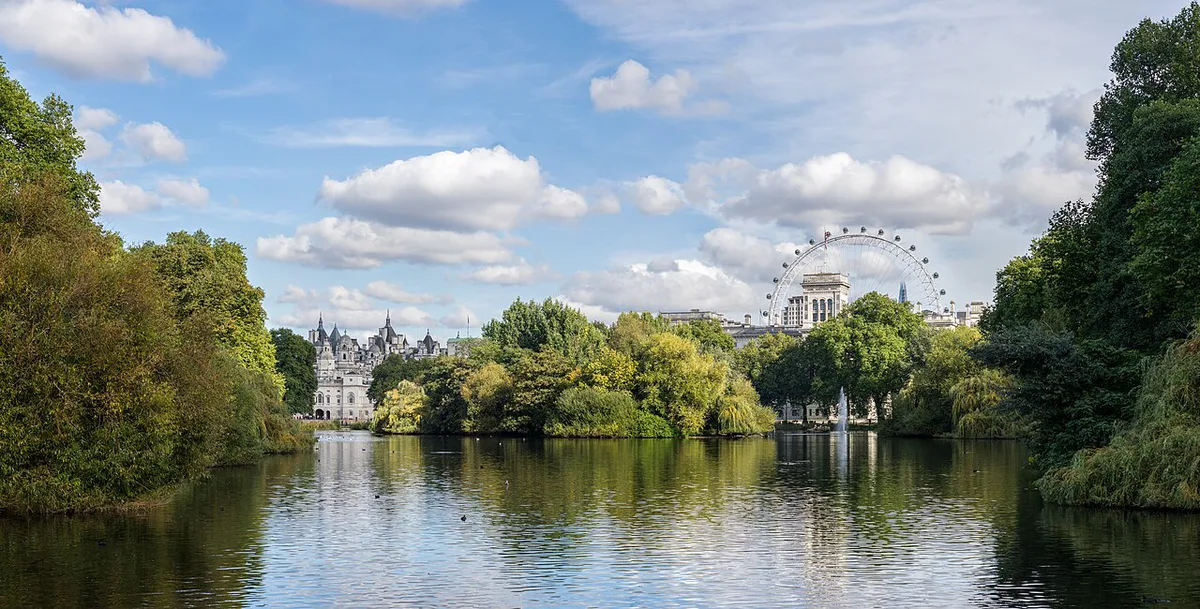
Most London museums open at 10 am, and the deepest Tube crowding hits before 9 am and after 5 pm. Build each day around that window instead of a sightseeing checklist. Pick one anchor activity per day, then leave the rest of the schedule loose for naps and meltdowns. This spoke guide narrows the broader 11 Best Things to Do in London with Kids in 2026 advice down to toddler pace, roughly ages one to four. When a stroller nap is overdue, head for a quiet bench along the paths of St. James's Park rather than pushing on to the next stop.
- Start attractions after 10 am, when most museums open and the morning rush eases.
- Aim to be off buses and the Tube before 5 pm, ahead of the evening rush.
- Bank a stroller nap in a quiet corner of St. James's Park instead of forcing a start time.
Top Stroller-Friendly Attractions for a Toddler
A handful of London attractions are built around toddler pace rather than tolerating it. The Magic Garden at Hampton Court Palace is the standout. It's a separate play area with a sand pit and a splash pad, about an hour outside central London by train. Pack a swimsuit and a full change of clothes, since kids come out soaked. The palace's staterooms aren't stroller-friendly, so plan to leave the stroller outside if you go in; confirm current opening hours and seasonal dates before you book. The London Transport Museum, in Covent Garden, pairs a hands-on play bus and ferry with an actual ride-on bus for pretend driving. Diana Memorial Playground, in Kensington Gardens, is built around a pirate ship, and every adult must be accompanying a child to enter. At Kew Gardens, the Children's Garden runs on 90-minute timed slots with sand and climbing nets; check Kew's official ticket page for current adult admission. For more playgrounds beyond this shortlist, see the London Parks with Kids: A Family Guide to Playgrounds and Green Space (2026) guide.
The Magic Garden at Hampton Court is roughly an hour from central London, making it difficult to fit into the 10 am-5 pm window while avoiding evening transit crowding.
| Attraction | Best For | Approx. Cost (USD) | Toddler Note |
|---|---|---|---|
| Magic Garden, Hampton Court Palace | Sand pit and splash pad | About $33-$37 adult, converted from the operator's published GBP rate; kids 5 and under free | Bring a swimsuit and towel; palace interior isn't stroller-friendly |
| London Transport Museum | Ride-on play bus and ferry | About $30 adult annual entry; free for ages 17 and under | Pre-book online before you go |
| Diana Memorial Playground | Pirate ship and sand play | Free to enter | Every adult must accompany a child |
| Kew Gardens Children's Garden | Splash play and climbing nets | Free for children under 4; adult garden admission applies | Requires a 90-minute timed slot booked in advance |
| London Zoo, Regent's Park | Animal encounters | About $34-$42 adult, converted from the published GBP range | Pre-booking required; confirm current toddler pricing |
Indoor Play and Museum Secret Galleries
Skip the main galleries some days and head straight for the toddler-specific spaces instead. These often need a separate, sometimes free, booking on top of general admission. The Science Museum's Garden gallery, on the basement level, is built for ages three to six. It lets toddlers pilot water channels and dam gates. The Natural History Museum's dinosaur gallery and blue whale skeleton work well once a toddler is past the sensory-play stage. The Natural History Museum with kids guide covers timed-entry specifics for that visit. At the Museum of the Docklands, the Mudlarks play area needs a pre-booked slot even though the museum itself is free to enter. The National Maritime Museum's AHOY! gallery and the Young V&A in Bethnal Green round out the list. Both are built for open-ended sensory play rather than exhibits behind glass.
- Science Museum: The Garden (basement level), built for ages 3-6; confirm current timed-entry booking policy.
- Museum of the Docklands: Mudlarks play area, about $3 per person per session; museum entry itself is free.
- National Maritime Museum: AHOY! Children's Gallery, Greenwich.
- Young V&A, Bethnal Green: a dedicated sensory play space.
Getting Around: Buses, Step-Free Tube Access, and River Boats
Most Underground stations were built well before lifts were standard, so stairs and escalators are still the norm. The Elizabeth line is the main step-free exception, with lift access built into its stations end to end. Before you head out, check the TfL step-free Tube map for the specific stations on your route. For a toddler in a stroller, a red double-decker bus is usually easier than the Tube. Buses kneel at the curb. Ramps unfold for the stroller, and there's no elevator to hunt down. An upstairs front seat also doubles as a moving viewpoint when a toddler needs entertaining. The Uber Boat by Thames Clippers river service is a low-stress way to sightsee along the Thames without transfers or stairs.
- Elizabeth line: step-free access at its stations, the most reliable option with a stroller.
- Red buses: low-floor boarding, ramps, and no elevators required, plus upstairs views.
- Uber Boat by Thames Clippers: a river route along the Thames with no transfers or stairs.
Eating Out: Pubs, High Chairs, and the Peppa Pig Bus
Brigit's Bakery runs a Peppa Pig-themed afternoon tea bus tour that loops past landmarks such as Tower Bridge and the Tower of London. Kids watch clips on in-seat screens while the tour circles central London. It's aimed at ages two and up, with published adult fares of roughly $61-$86 and lower child fares, pre-booking required. For a plainer meal, look for pubs with beer gardens and early dinner slots. Standard pub kitchens tend to serve dinner from about 5 or 6 pm, ahead of the evening drinking crowd, so an early toddler dinner slots in easily. For park picnics, a supermarket meal deal is the cheapest way to feed a family between attractions; the Free Things to Do in London with Kids: 2026 Budget Guide guide has more budget tactics.
Pubs open kitchens at 5-6 pm, which aligns with the 10 am-5 pm museum window; the timing works for a dinner stop without disrupting the visiting day.
- Brigit's Bakery Peppa Pig bus tour: about $61-$86 per adult, published rate; pre-booking required.
- Pub dinners: many kitchens open by 5-6 pm, ahead of the evening rush.
- Supermarket meal deals: a fixed sandwich-snack-drink combo, the cheapest sit-down-free option for a park picnic.
Where to Stay: South Kensington vs Greenwich
South Kensington puts you within walking distance of the Science Museum, Natural History Museum, and Victoria and Albert collections. That's useful on rainy days when the plan is indoor play. Greenwich trades museum density for green space and river access, with the National Maritime Museum, Greenwich Park, and Thames Clippers piers all close together. Families splitting time between a toddler's nap schedule and an older sibling's Harry Potter itinerary often base themselves centrally and day-trip out. The Harry Potter London with Kids: The Ultimate 2026 Planning Guide guide has age-appropriate stops for that split. Whichever base you pick, check that the route back covers a bus rather than a Tube change with stairs.
| Neighborhood | Strength | Best For |
|---|---|---|
| South Kensington | Walking distance to the Science Museum, Natural History Museum, and V&A | Rainy-day museum plans |
| Greenwich | Greenwich Park, National Maritime Museum, Thames Clippers piers | Green space and river-based days |
Essential Logistics and Mistakes to Avoid
A common mistake is skipping the booking step because a museum is free. Free museums like the Science Museum still run timed-entry systems. Specific toddler play areas, such as Mudlarks, need their own paid slot on top of general admission. Decide on a stroller before you land. A compact, foldable model manages buses, barriers, and tight play areas much better than a full-size pram. For toilet stops, the Flush app maps nearby public toilets and baby-changing facilities. Department stores such as Selfridges or John Lewis also have reliable changing rooms near the shops. If you're travelling light on nappies (diapers), wipes, or formula, Boots and Superdrug branches are common on London high streets and restock the basics quickly.
- Booking gaps: free museums like the Science Museum still require timed-entry tickets; play areas like Mudlarks need a separate paid slot.
- Stroller choice: a compact, foldable stroller beats a full-size pram for buses and tight museum play areas.
- Toilets: the Flush app maps nearby options; department stores like Selfridges and John Lewis have reliable changing facilities.
- Supplies: Boots and Superdrug branches restock nappies, wipes, and formula if you're travelling light.
Quiet Spaces, Feeding Stops, and Sensory Breaks
Build one calm stop into museum days, especially after water play or a crowded Tube transfer. Ask staff at each venue before a meltdown starts. Quiet areas can move during events.
- Young V&A: the Reading Room on the lower-ground floor is the dedicated quiet space. It can also be used for infant feeding, and buggy parking is near the entrance.
- Natural History Museum: the Minerals Gallery and Images of Nature Gallery are lower-noise options with seating. The Contemplation Room is another calm indoor stop.
- Science Museum: check the sensory map before busy galleries. Ask for ear defenders at the Information and Tickets desk.
- London Museum Docklands: baby changing is on several floors, breastfeeding is welcome, and term-time Monday quiet sessions run in the late afternoon.
For a toddler, these stops matter more than another gallery. Pair them with a snack and nappy change before leaving the museum.
For trip-planning details, see Transport for London.
Further reading: London on Wikivoyage · London on Wikipedia
Frequently Asked Questions
What is the best age to bring a toddler to London?
Ages two to four tend to work best, since kids can walk short distances, nap on a schedule, and enjoy hands-on spaces like the Science Museum's Garden gallery. Under-twos can travel too, but plan for more babywearing and less stroller time on stairs-heavy Tube stations.
Is the London Underground stroller-friendly?
Not entirely. Most Tube stations still lack lifts, so stairs and escalators are common, and the Elizabeth line is the main step-free exception. Buses are usually easier, since low-floor models let you wheel a stroller straight on board.
Do toddlers need tickets for London's free museums?
Often, yes. Free museums like the Science Museum and Natural History Museum still run timed-entry systems, and toddler play areas such as Mudlarks at the Museum of the Docklands need a separate paid slot even though general admission is free.
What should you pack for a day out with a toddler in London?
Bring a change of clothes for splash-pad play areas like the Magic Garden at Hampton Court Palace. Check the Flush app or a nearby department store, such as Selfridges or John Lewis, for baby-changing facilities. Formula, wipes, and nappies are easy to restock at Boots or Superdrug if you're travelling light.
Should you bring a compact stroller or a full-size pram to London?
A compact, foldable stroller is easier to manage on buses, at ticket barriers, and in tight museum play areas. Full-size prams work but are harder to fold quickly during a busy Tube transfer.
Free guide: Stress-Free Flying with Kids
The pre-flight checklist, carry-on packing list, and in-flight survival plan we use on every family trip — from toddlers to teens.
You might also like


Continue reading
More guides you'll find useful


