

Ethical Elephant Sanctuary Chiang Mai With Kids (2026 Guide)
Plan an ethical elephant sanctuary visit in Chiang Mai with kids: no riding, no shows, the bathing debate, age limits, 2026 costs, and packing tips.
On this page
Ethical Elephant Sanctuary Chiang Mai With Kids: What to Know Before You Book
Last updated July 2026. Finding an ethical elephant sanctuary in Chiang Mai with kids means looking past marketing photos and checking how each project actually treats its elephants and its young visitors. Chiang Mai anchors Thailand's shift away from riding camps and shows toward observation-led rescue parks, and choosing the right operator is one of the most consequential bookings for a family trip to northern Thailand.
Free guide: Stress-Free Flying with Kids
The pre-flight checklist, carry-on packing list, and in-flight survival plan we use on every family trip — from toddlers to teens.
How to Choose an Ethical Elephant Sanctuary in Chiang Mai With Kids
An ethical elephant sanctuary in Chiang Mai with kids should never involve riding, hooks, or performance tricks such as painting or circus-style routines. The elephants at genuine rescue-style parks are typically retired from logging or tourism-riding camps. They now spend their days foraging, wallowing in mud, dust-bathing, and socializing in loose family-like herds rather than following commands on a fixed show schedule.
Natural behavior is the clearest tell. At a well-run sanctuary, elephants graze, rest in shade, and interact with each other on their own timeline, and guests observe rather than direct the action. If elephants are lined up to perform on a set schedule, that is a red flag. It signals the operation still runs on the old entertainment model.
Age limits vary by program. Some require children to be at least 7, and others 10, before joining hands-on feeding walks or longer hikes. Confirm the minimum age for any activity before booking family spots, since a toddler turned away at the gate wastes half a travel day.
Bathing with elephants used to be the highlight most tour operators advertised, but the ethical-travel consensus has shifted. Several of the region's most respected sanctuaries, including Elephant Nature Park, have scaled back or ended guest bathing over the past year. The shift responds to elephant stress from repeated water contact and safety concerns for small children near slippery river banks. When booking, confirm directly whether a program includes bathing, since policies have changed faster than many travel articles have kept up with.
Physical safety for kids comes down to managed distance. Raised platforms, roped walking lanes, and a guide positioned between children and the herd all reduce risk without removing the encounter entirely.
- No riding, no hooks or bullhooks, and no forced performances
- Elephants move freely across open range land rather than staying tethered near paths
- Staff can describe each elephant's rescue history and personality
- Any bathing offered is optional, closely supervised, and not the centerpiece of the visit
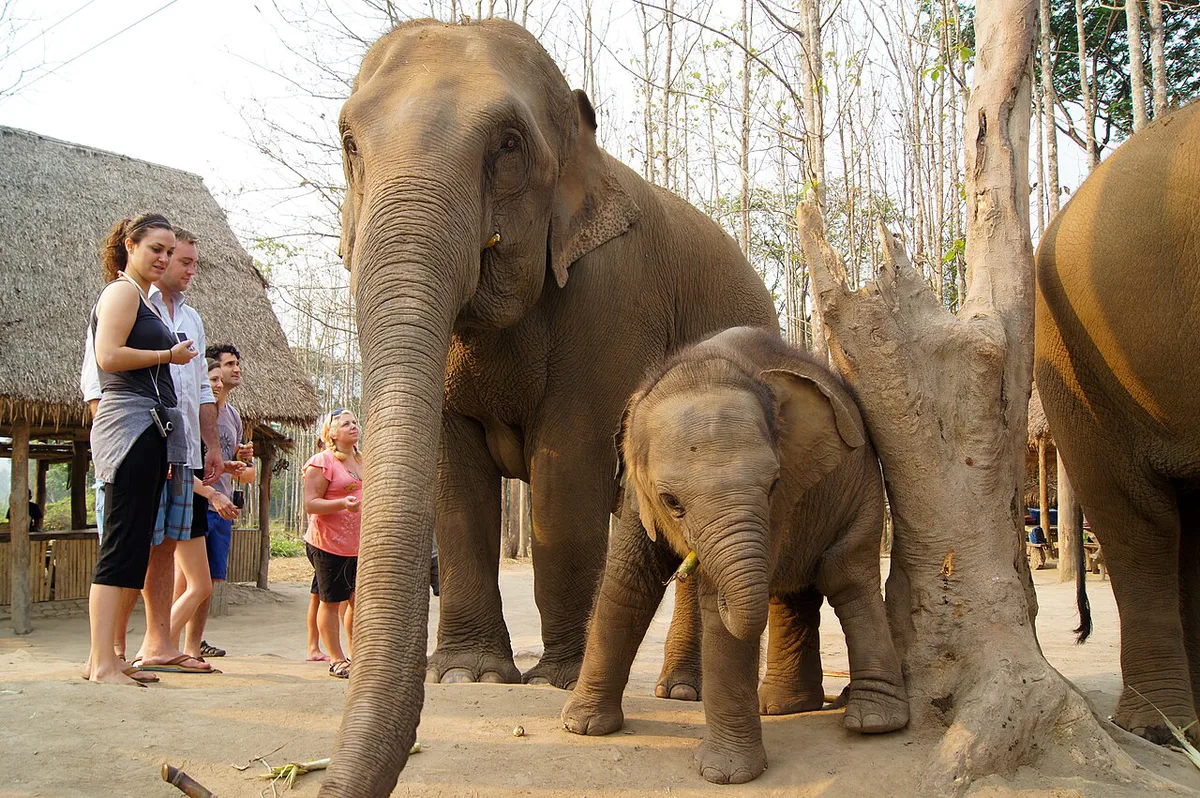
Top Ethical Elephant Experiences for Families Near Chiang Mai
Chiang Mai's ethical elephant scene splits roughly into three formats: large observation-led rescue parks, small-group walking-and-feeding programs, and toddler-friendly half-day visits closer to the city. Matching the format to a child's age, energy, and heat tolerance matters more than picking the single most famous name. The clearest evidence of an operator's approach is what its daily schedule actually includes, not what its marketing copy claims.
Large observation-led parks, including Elephant Nature Park, have eliminated guest bathing in the past year due to elephant stress and safety risks from water contact. When families choose this observation-focused format, they receive both rescue-based ethics and the protective benefits of the shift away from water activities.
- Large rescue parks, observational and hands-off: sites such as Elephant Nature Park manage mixed herds across open range land. Many now offer a shorter half-day observation visit alongside a longer full-day option. These parks work well for families who want to see rescued elephants in a setting closer to how the animals would naturally spend a day.
- Small-group, hands-off programs: smaller operators focus on walking alongside elephants and preparing food rather than bathing. Group sizes tend to run smaller than at the large parks, which can mean more direct time near the animals and less waiting between activities.
- Toddler-friendly, closer-in picks: prioritize flatter walking terrain, shaded seating, and a short transit time from the Old City. This matters most for toddlers in Chiang Mai, whose patience and nap schedule set the real limit on the day. A shorter drive also means less risk of car sickness or an overtired meltdown before the visit even starts.
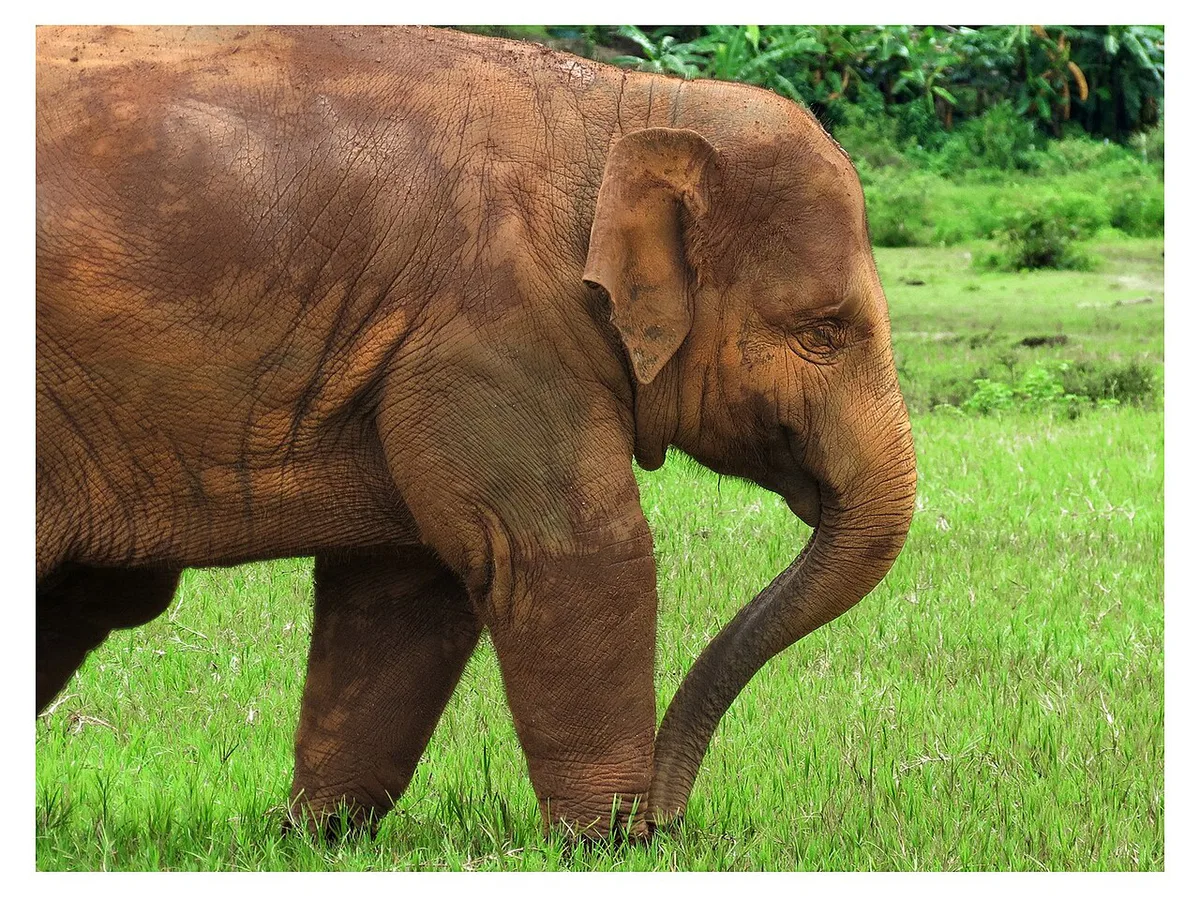
Planning the Day: Transport, Timing, and Costs
Most ethical elephant sanctuaries near Chiang Mai include hotel pickup in the price. Transport is usually an air-conditioned van rather than an open-sided songthaew. The drive can run 1 to 1.5 hours each way from the Old City. Vans give small children a place to nap or nurse during the transit, which matters on the return leg after a hot, active morning.
Midday heat is the main reason most programs start early and build in shaded rest breaks. Direct sun exposure tends to peak between roughly 11:00 AM and 2:00 PM. Expect activity to slow down or pause for lunch during that window, especially with young kids along.
Families with only one free day sometimes choose between an elephant visit and a separate Doi Suthep day trip. Both work best as standalone outings rather than being combined into one itinerary. An early elephant pickup leaves the afternoon free for lower-key activities back in town, such as Old City temples with kids or an evening stroll through the night markets with kids. For the wider trip-planning picture, including where to base a family in the city, see this Chiang Mai family trip guide.
| Format | Typical Timing | Best Suited For | Relative Cost |
|---|---|---|---|
| Half-day observation | Morning pickup, back by early afternoon | Toddlers and nap schedules | Lowest |
| Full-day visit | Morning pickup, return by evening | School-age kids, more activities | Moderate |
| Overnight stay | Multi-day, includes accommodation | Teens and older kids | Highest |
- Start times: most programs collect guests around 8:00 AM to reach the sanctuary before the day's heat builds.
- Half-day visits: shorter and observation-focused, generally the easiest option for toddlers and nap schedules.
- Full-day visits: include lunch and more time for feeding or walking activities.
- Overnight stays: cost more than a single day and suit older kids and teens who can manage a longer schedule.
- Costs: child admission is typically discounted below the adult rate. Children under an operator-set age or height usually qualify for the lower rate, so confirm the exact cutoff when booking. Each operator publishes current 2026 rates on its own booking site, since prices have shifted over the past year.
What to Pack for a Day With Elephants
A morning with elephants usually means mud, water, and heat, so pack for a full change of clothes rather than a quick wipe-down. Quick-dry fabrics handle the shift between shaded forest paths and open, sun-exposed clearings better than heavy cotton. Lunch at most sanctuaries is a Thai buffet-style spread, which can be unfamiliar to picky eaters. Packing a few familiar snacks helps avoid a hungry meltdown mid-afternoon.
- A full change of clothes and a wet/dry bag for mud-soaked layers
- Sturdy water shoes or old sneakers you don't mind ruining
- Reef-safe or natural insect repellent, since many parks sit near rivers or ponds
- A broad-brim hat and mineral sunscreen, reapplied after any water contact
- A few packable snacks in case the lunch buffet doesn't suit a picky eater
- A dry, spare set of shoes and socks for the ride home
Safety and Ethical Red Flags to Watch For
Reputable sanctuaries separate public walking paths from open-range areas with electric perimeter fencing. They also keep a fixed guide-to-guest ratio during any close contact with elephants. Ask about both before booking, since a program that cannot describe its safety setup for children is not ready to host them.
Platforms and roped walking lanes create physical boundaries, but these barriers only protect if guides actively enforce them against photo pressure. When a guide resists rather than accommodates requests to step closer for better shots, the safety design is working as intended.
Photo opportunities can create pressure to get closer than is comfortable, especially with a young child in arms. A guide who actively manages distance, rather than waving families in for a better shot, is doing the job correctly. If any of the following appear during a visit, the ethical choice is to leave rather than continue for the sake of photos.
- A bullhook, ankus, or any metal hook carried by handlers
- A saddle, chair, or riding platform anywhere on the property
- Elephants performing tricks such as painting, dancing, or playing instruments
- Chains left on elephants outside of medical treatment
- Active breeding programs on-site, which raise separate ethical concerns about captive elephant populations
- No visible barrier or guide positioned between young children and the elephants
Booking Questions to Ask Before You Pay
Before paying a deposit, ask the sanctuary for the exact family rules in writing. Many Chiang Mai operators use similar wording online, so the details matter more than the brochure photos.
- Ask whether your program is observation-only, feeding-based, or includes bathing.
- Confirm the minimum age for feeding, walking, river time, and any hill or forest trail.
- Ask how long the drive is from the Old City, Nimman, or your hotel area.
- Check whether transport is by air-conditioned van, private car, or open songthaew.
For a nervous child, a shorter observation visit near shaded viewing areas is usually easier than a full-day program in Mae Taeng or Mae Wang. For older kids, a no-riding walk with rescued elephants can feel more meaningful than a quick photo stop.
If the staff cannot clearly explain distance rules, guide numbers, or what happens if a child gets scared, choose another operator.
For trip-planning details, see Elephant Nature Park official site and Tourism Authority of Thailand official site.
Frequently Asked Questions
Is it safe for toddlers to touch or feed the elephants?
Direct contact is not ideal for very young toddlers, even at well-run sanctuaries. Many programs cap hands-on feeding and walking activities at age 7 or 10, and reserve younger kids for observation-only visits. Toddlers generally do best watching from a platform or path rather than joining a feeding line.
What is the best time of year to visit an ethical elephant sanctuary in Chiang Mai?
The cooler, drier months from November through February bring the most comfortable temperatures for a full day outdoors with kids. The hot season from March through May can be intense for young children by midday. The rainy season from roughly June through October brings frequent downpours and extra mud, which some families see as part of the experience and others prefer to avoid.
Do you need to book an ethical elephant sanctuary months in advance?
Peak season, roughly November through February and around the Christmas and New Year holidays, fills fastest for family-sized groups. Shoulder months typically have more availability and more flexibility on start times. Booking a few weeks ahead is usually enough outside peak season, though popular observation-led parks can sell out sooner.
What happens if it rains during the visit?
Tropical downpours are common in Chiang Mai's rainy season, roughly June through October, and most sanctuaries operate rain or shine. Elephants are unaffected by rain and often seem to enjoy it. Expect more mud than usual, and pack accordingly. Weather-related cancellation and refund policies vary by operator, so confirm the policy when booking.
How much does an ethical elephant sanctuary near Chiang Mai cost for a family?
Pricing varies by operator and by format, with child rates typically discounted below the adult rate and overnight programs costing more than a single-day visit. Each sanctuary publishes its current 2026 rates on its own booking site, since prices have shifted over the past year. Comparing two or three operators directly before booking gives the clearest sense of value for a specific family size.
Free guide: Stress-Free Flying with Kids
The pre-flight checklist, carry-on packing list, and in-flight survival plan we use on every family trip — from toddlers to teens.
You might also like


Continue reading
More guides you'll find useful


