

Aruba with Toddlers: A 2026 Guide to Calm Beaches and Easy Logistics
Planning Aruba with toddlers? Compare the calmest beaches, stroller-friendly activities, tap water safety, and supermarket logistics for a 2026 family trip.
On this page
Aruba with Toddlers: Calm Beaches, Easy Logistics, and What to Pack
Last updated July 2026, Aruba with toddlers is a manageable Caribbean trip, thanks to calm leeward water and dependable infrastructure. The trade winds and heat call for a real plan, but shallow beaches, safe tap water, and stocked supermarkets remove most of the guesswork. For older siblings and the rest of the family itinerary, pair this guide with the broader Aruba family travel guide.
Free guide: Stress-Free Flying with Kids
The pre-flight checklist, carry-on packing list, and in-flight survival plan we use on every family trip — from toddlers to teens.
Why Aruba Works for Toddlers
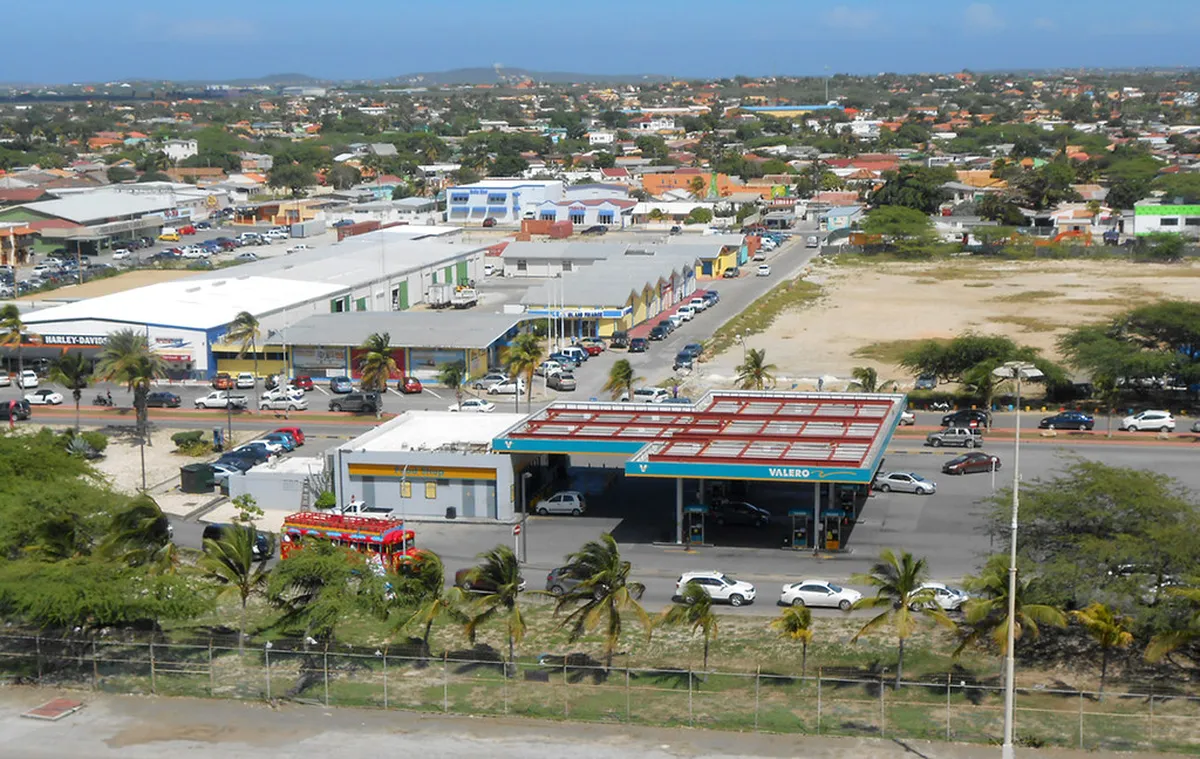
Aruba sits outside the wide, rolling swells that make many Caribbean beaches risky for small children. The leeward, western coast stays calm on most days. That is why families with a one- to four-year-old keep coming back. Trade winds blow steadily across the island. For toddlers, that wind matters more than the heat. It drives sand into eyes and strollers. It also masks sun exposure, since a breezy afternoon can feel cooler than it actually is, making sunscreen and shade breaks easy to forget. This page focuses on the ages when a beach day lives or dies by nap timing and shade, roughly one through four. Older kids get more from reef snorkeling, water sports, and later dinners, all covered in the broader family guide linked above. The practical upside for toddlers shows up fast once you land.
- Shallow, walk-in entry points at more than one beach
- Tap water reliable enough for mixing bottles and rinsing pacifiers
- Supermarkets in Oranjestad and Noord stocked with familiar baby supplies
Best Toddler Beaches: Shallow, Calm Water
Not every Aruba beach works for a toddler. The differences come down to entry depth, wind exposure, and shade. Four spots come up again and again for the one-to-four crowd: Baby Beach, Mangel Halto, Eagle Beach, and Palm Beach. Each trades convenience for something else, so match the beach to the day you actually want. Baby Beach's inner curve is the calmest, most walk-in-friendly water on the island for a toddler learning to stand in small waves. It sits on Aruba's southern tip, far enough from the hotel strip that it works better as a half-day trip than a quick stroller outing. Mangel Halto has similarly gentle, shallow water inside its mangrove channels. Skip it if the day needs a bathroom, a snack bar, or rental umbrellas nearby, since facilities are minimal. Eagle Beach gives more open space to spread out a blanket. Its width means fewer windbreaks, so pack a pop-up tent. Expect more sand management there than at Palm Beach on a windy afternoon. Palm Beach stays the easiest choice for a first trip. It pairs calm, shallow water with hotel-side restrooms, food, and shade within a short walk. None of these beaches carry lifeguards at all hours, so keep a toddler within arm's reach regardless of how calm the water looks. For a full breakdown of every kid-friendly stretch of coastline, see the Aruba beaches for families guide.
| Beach | Water for Toddlers | Wind & Shade | Distance/Access |
|---|---|---|---|
| Palm Beach | Shallow shelf, calm most days, walk-in | Hotel density breaks some wind; loungers and umbrellas for rent | Inside the hotel strip, walkable from many stays |
| Eagle Beach | Calm but wide open, no natural windbreak | Full trade-wind exposure; sand blows more, less built-in shade | Next to the hotel strip, a short drive or walk |
| Baby Beach | Lagoon, knee-deep and calm along the inner curve | Some wind, limited natural shade | Southern tip of the island, a longer drive from Oranjestad |
| Mangel Halto | Shallow, mangrove-lined water | Mangroves cut the wind; natural shade in patches | Southeast coast, a moderate drive from the hotel strip |
Toddler-Centric Activities Beyond the Sand
Beach time is not the only plan that works for a toddler in Aruba. A few inland stops suit short attention spans, slow walking, and heat management better than a full day of sun. The butterfly farm and donkey sanctuary combines both into one stroller-friendly stop. A shallow-entry look at reef life through the snorkeling with kids guide rounds out a toddler's first days in the water. Stack one inland activity with one beach morning per day. That keeps naps on schedule and avoids overtiring a toddler with back-to-back outings. Midday is generally the best window to retreat indoors or under real shade, since heat and wind both build through the afternoon.
Afternoon heat and wind peak by day's end, and Aruba's early dinner culture aligns with toddler bedtime. A half-day rhythm—beach morning, indoor break by midday, early dinner—follows naturally.
- Butterfly Farm: netted, stroller-friendly paths in a controlled climate; visit at opening to beat midday heat and crowds
- Donkey Sanctuary: open-air paddocks where toddlers can feed and pet rescued donkeys under staff supervision; bring wipes or hand sanitizer for after feeding
- Glass-bottom boat rides and shallow reef entries: a gentler first look at fish than open-water snorkeling
- Shaded resort playgrounds or splash areas: a fallback for a wind-heavy or overtired afternoon
Getting Around Aruba with Toddlers: Cars, Taxis, and Walkability
A rental car opens up Baby Beach, Mangel Halto, the Butterfly Farm, and the Donkey Sanctuary, none of which sit inside easy stroller range of the hotel strip. Staying near Palm Beach without a car still works. Many hotels sit close enough together for a stroller walk to restaurants, pools, and the beach itself. Sidewalks directly along the Palm Beach hotel strip generally handle a stroller well. Some stretches narrow near driveways and pool entrances. A compact, all-terrain stroller travels easier there than a bulky double. Taxis are easy to find near the hotels but do not reliably carry car seats. Confirm car seat availability when booking a taxi, or bring a lightweight, FAA-approved seat for both the rental car and any taxi rides. Reserve rental gear a few weeks ahead during busier travel months, since stock is limited and first-come.
- Cribs and pack-n-plays available through gear rental services
- High chairs and booster seats for rent, useful in condo or apartment-style stays without one
- Car seats for rent through car rental companies or standalone baby-gear rental services
Health, Safety, and Toddler Supplies in Aruba
Aruba's tap water is safe to drink straight from the tap. That includes mixing formula and rinsing bottles, which removes one of the more stressful logistics of traveling with a toddler. Oranjestad has hospital and urgent-care access close to the hotel areas, so a fever or ear infection does not mean losing a full day of the trip. Heat, not illness, is the more common issue with toddlers on the island. Offer water often, plan an indoor or shaded break in the early afternoon, and dress a toddler in light, breathable layers even on a windy day that feels deceptively mild. Sunscreen and insect repellent are both easy to find locally, so there is no need to pack full-size bottles of either. Both major supermarkets carry familiar diaper brands, wipes, and both powdered and ready-to-feed formula, though specific brands rotate with shipments. Pack a few days of a toddler's exact formula or favorite snack brand as a buffer, then confirm what is in stock before relying on a full restock. Pharmacies around Oranjestad carry standard over-the-counter options for fever, congestion, and stomach upset. Exact brand availability varies by store. Bring a favorite brand if a toddler is picky about taste or dosage form.
| Supermarket | Good For | General Location |
|---|---|---|
| Super Food Plaza | Wide import selection; larger baby aisle with diapers, wipes, and formula | Oranjestad area |
| Ling & Sons | Long-running local chain; broad grocery basics plus a baby-care section | Multiple locations across Oranjestad and Noord |
What to Pack for a Toddler Beach Day in Aruba
A toddler beach bag in Aruba needs to handle wind, sun, and long stretches between bathroom stops. Pack light, but do not skip the items that solve the island's specific conditions.
The trade winds that keep afternoons breezy also mask ultraviolet exposure; a mild-feeling day hides significant sun risk, making chin-strap hats, pop-up tents, and frequent sunscreen reapplication essential even when the weather feels pleasant.
- Pop-up sun tent or large umbrella, since natural shade is limited at Baby Beach and Mangel Halto
- Wide-brim hat with a chin strap to fight the wind, plus reef-safe sunscreen reapplied often
- A lightweight cover or rash guard for extra sun protection during long water play
- Reusable snack pouches and a spill-proof cup, since restaurant timing skews later than a toddler's usual meals
- A stroller with all-terrain or wide wheels for sand and uneven sidewalks
- A reusable water bottle to keep a toddler hydrated between shade breaks
- A few days of diapers, wipes, and formula as a buffer before the first supermarket run
Dining with Toddlers in Aruba
Aruba's restaurant culture leans toward early dinners, which lines up well with a toddler's bedtime instead of fighting it. Casual, feet-in-the-sand restaurants along Palm Beach and Eagle Beach let a toddler dig nearby while food is prepared. That beats a formal dining room for a one- or two-year-old's patience span. Look for open-air, casual spots over reservation-only fine dining for the first few nights. Save a sit-down dinner for a night with a babysitter or after bedtime. Booking an early table, before the dinner rush, also means faster service and a shorter wait with a hungry toddler. Ask about a highchair when booking or arriving. Casual beachfront spots typically have a few on hand, but supply runs out during peak dinner hours.
For trip-planning details, see Aruba official tourism site.
Frequently Asked Questions
Is the tap water safe for a toddler in Aruba?
Yes. Aruba's tap water is safe to drink and safe for mixing formula or rinsing bottles and pacifiers, so there is no need to buy bottled water for daily use.
Do you need to bring a car seat to Aruba?
Plan on one. Taxis do not reliably provide car seats, so confirm ahead if relying on taxis. Rental car companies and gear rental services on the island offer car seats, or bring a lightweight, FAA-approved seat from home.
What is the best time to visit Aruba with a toddler?
Aruba stays warm and mostly dry year-round, so plan around the wind rather than the calendar. Mornings tend to be calmer than afternoons, which is why the Butterfly Farm and Donkey Sanctuary work best as early starts, with beach time at Palm Beach or Baby Beach's inner curve before the afternoon wind picks up.
Are pharmacies in Aruba stocked with children's medicine?
Pharmacies around Oranjestad carry standard over-the-counter options for fever, congestion, and stomach upset. Exact brand availability varies by store, so pack a favorite brand if a toddler is picky about taste or dosage form.
Which beach is best for a toddler's first day in Aruba?
Palm Beach is the easiest first choice, since it pairs shallow, walk-in water with hotel-side shade, restrooms, and food close by. Save Baby Beach's calmer lagoon for a half-day trip once a toddler has adjusted to the heat and wind.
What should you pack that a typical Caribbean packing list misses?
Wind-specific gear matters more in Aruba than on calmer islands. A pop-up sun tent, a chin-strap hat, and an all-terrain stroller solve problems that a standard beach bag does not, especially at open, breezy spots like Eagle Beach.
Free guide: Stress-Free Flying with Kids
The pre-flight checklist, carry-on packing list, and in-flight survival plan we use on every family trip — from toddlers to teens.
You might also like


Continue reading
More guides you'll find useful


