

9 Best Things to Do in Aruba with Kids (2026 Family Guide)
Aruba with kids: the 9 best family activities, Palm Beach vs Eagle Beach advice, and 2026 logistics for beaches, wildlife, and toddler-friendly days.
On this page
9 Best Things to Do in Aruba with Kids in 2026
Last updated July 2026. Aruba with kids works because the fundamentals favor families: reliable weather, a strong regional safety reputation, and beaches calm enough for toddlers. The island sits outside the main Caribbean hurricane belt, so storm-related trip cancellations stay rarer than in much of the region. This guide breaks down where to base your stay, the best family activities, and the logistics that make an Aruba trip with young children easier in 2026.
Free guide: Stress-Free Flying with Kids
The pre-flight checklist, carry-on packing list, and in-flight survival plan we use on every family trip — from toddlers to teens.
Why Aruba Works for Families with Kids
Aruba sits south of the main Caribbean hurricane belt, which keeps the risk of storm-related flight cancellations lower than in much of the region. That geographic position, combined with a dry, breezy climate, is a big reason travel planners point families toward Aruba over more storm-exposed islands. Direct flights connect Aruba to a range of US, Canadian, and European gateway cities, which shortens travel days for families who want to avoid a full day of connections. The island runs on US dollars almost everywhere, from resort front desks to roadside food trucks, so currency exchange rarely becomes a planning headache. Aruba is also widely regarded as one of the safer islands in the Caribbean. The One Happy Island branding you will see everywhere reflects a tourism economy built around repeat family visitors, not one-off nightlife trips. None of that means you can skip planning. Entry requirements, including Aruba's digital ED Card, change periodically, so confirm the current process on the official immigration site before you travel.
Choosing Your Base: Palm Beach, Eagle Beach, or Noord
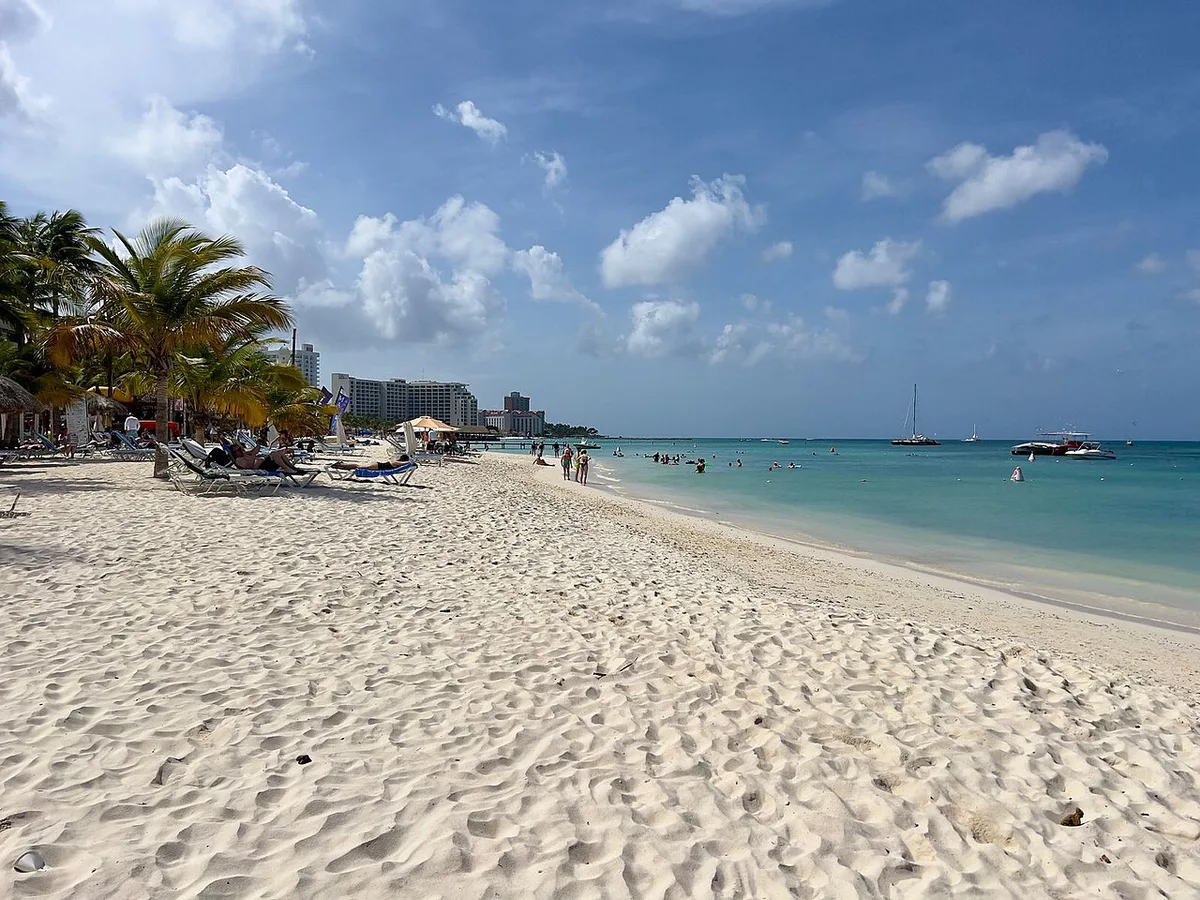
Aruba's hotel districts break into two main strips, plus a growing vacation-rental scene inland. Palm Beach is the High-Rise strip, dense with resorts and restaurants, with calm swimming water within a short walk of most rooms. Eagle Beach is the Low-Rise strip, with wider sand, lower-density hotels, and a quieter evening scene once the sun sets. Families who want stroller-friendly restaurant rows without a taxi tend to lean toward Palm Beach. Families who want more beach space per towel, and don't mind a short drive to dinner, tend to prefer Eagle Beach. Noord, the inland town between the two strips, has the island's densest cluster of vacation rental homes. It suits multi-generational groups who need a full kitchen and separate bedrooms more than beachfront views. None of the three options is a wrong choice. The decision mostly comes down to how much you value walkability over extra space.
Eagle Beach's wider sand and low-density vibe appeal to families wanting quiet evenings and elbow room. Afternoon winds that complicate shade setups drive some toddler families to rent a car, allowing dips in Palm Beach's calmer, more sheltered water during midday heat.
| Area | Best For | Trade-off |
|---|---|---|
| Palm Beach (High-Rise) | Walkable dining, calm swimming, resort activities | Higher room rates and busier beach stretches |
| Eagle Beach (Low-Rise) | Wide sand, quieter nights, more space per towel | Fewer walkable restaurants; a taxi or rental car helps |
| Noord (Vacation Rentals) | Full kitchens, multiple bedrooms, budget flexibility for groups | Beach access usually means a short drive |
9 Best Things to Do in Aruba with Kids
These nine stops cover Aruba's most reliable family activities, from shallow-entry beaches to a national park built for a full-day outing. Pair two or three per day rather than rushing through all nine in one trip. Aruba's wind and sun add up faster than most parents expect, especially with young kids, so build shade breaks into every plan.
- Baby Beach
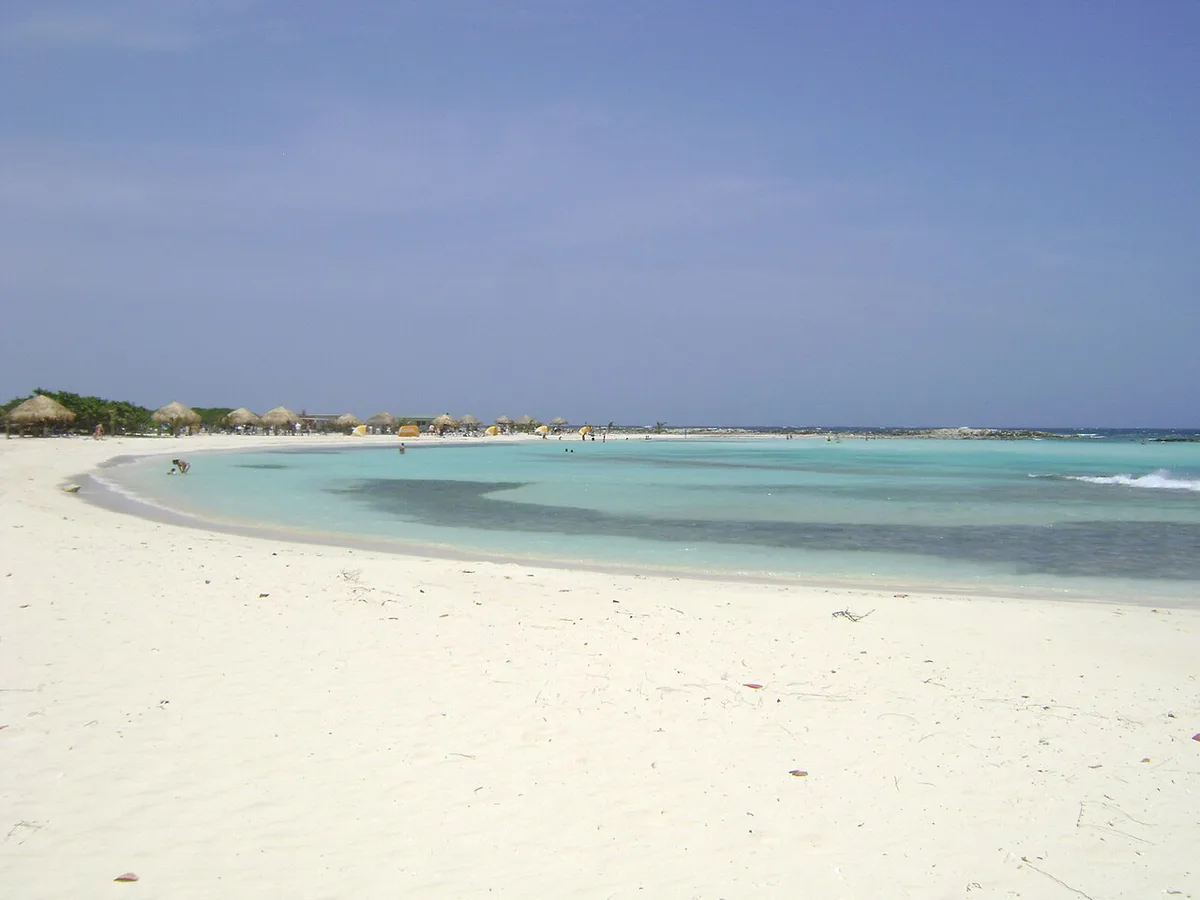
- This shallow, reef-protected cove on Aruba's southern tip is one of the most toddler-friendly swimming spots on the island, since the sandy bottom stays calm even when trade winds pick up elsewhere.
- The gentle slope means small kids can wade out several meters before the water reaches their waist, which matters more than any other single beach feature when traveling with a non-swimmer.
- For a full rundown of shallow-entry spots island-wide, the family beach guide breaks down facilities and parking at each one.
- Mangel Halto
- Mangel Halto suits older kids and teens who are ready to snorkel rather than just wade, thanks to a mangrove-lined channel that leads out to visible reef structure.
- The walk from the parking area to the water crosses a wooden boardwalk through mangroves, which younger children often enjoy as its own mini-adventure before the swimming starts.
- Bring reef-safe sunscreen here specifically, since the site sits inside a protected marine area where runoff matters more than at open beach stretches.
- Arashi Beach
- Arashi Beach is a local favorite on the northwest coast, with easier parking and more shade structures than the busier High-Rise hotel beaches.
- Facilities include restrooms and beach-chair rental, which simplifies a toddler-heavy day when you are not staying at a beachfront resort.
- The reef sits close enough to shore that confident young swimmers can spot fish without needing a boat trip.
- The Butterfly Farm
- Aruba's Butterfly Farm is busiest, and the butterflies most active, in the first stretch of the day after opening, before the heat builds.
- Staff walk visitors through basic butterfly behavior on entry, which turns a short visit into an easy, structured activity for kids too young for water sports.
- Because the farm is fully enclosed, it works as a rain-plan or midday heat break regardless of wind conditions outside.
- Donkey Sanctuary
- The Donkey Sanctuary lets kids hand-feed rescued donkeys under staff supervision, calmer than approaching Aruba's free-roaming wild donkeys along back roads.
- Keep toddlers at arm's length from the animals' heads rather than letting them approach unsupervised, since the donkeys are gentle but still large animals reacting to a crowd.
- Check the sanctuary's current entry and feeding costs before you go, and pair the stop with the butterfly farm and donkey sanctuary guide for a full morning plan.
- Arikok National Park
- Arikok National Park covers a large stretch of Aruba's rugged interior, with desert terrain, dunes, and natural pools reached mostly by unpaved roads.
- Plan around the heat rather than fighting it. Visit in the first two hours after opening, since midday sun and rough terrain combine hardest on young kids.
- A rental car with real ground clearance handles the park roads better than a sedan. Confirm current entry fees and hours on the park's official site before you go.
- Snorkeling Beyond the Beach
- Confident young swimmers get more out of a guided snorkel trip than a self-guided beach swim, since guides route toward the calmest, most fish-dense patches of reef.
- Beginners and younger kids do better sticking to shallow, shore-accessible reef, while stronger swimmers can handle boat-based trips further offshore.
- The family snorkeling guide breaks down which operators rent kid-sized gear and which spots suit first-time snorkelers.
- De Palm Island Day Pass
- De Palm Island folds park entry, lunch, and gear rental into one day pass, which cuts down on separate booking decisions.
- That pass typically also covers snorkel gear and non-motorized water activities, on top of the base entry and meal.
- Confirm current day-pass rates and exactly what's included on the official site before booking, since packages shift seasonally.
- Submarine Tours
- A submarine tour is one of the most reliable ways to show non-swimmers or anxious toddlers the reef without putting them in open water.
- Trips run on a fixed, bookable schedule, which keeps naptime disruption to a single, predictable window rather than an open-ended excursion.
- Confirm current trip length, departure times, and minimum-age rules when booking, since these details vary by operator.
Aruba with Toddlers: Age-Specific Tips
Toddlers need a different rhythm than older kids, and Aruba's constant trade winds are the detail most first-time parents underestimate. The wind keeps the air feeling cooler than the actual temperature, which means sunburn creeps up before a toddler complains of feeling hot. Reapply sunscreen on a timer rather than waiting for a child to ask. Pack a wind-blocking sun tent too, since loose beach umbrellas struggle to stay put in the afternoon gusts. That wind is also strongest in the afternoon, so morning is the better window for sandcastle time and shallow wading before gusts start blowing sand into little eyes. Baby Beach and Arashi Beach both offer gentler surf and easier shade access than the open Palm Beach stretch, which matters more for a toddler's nap schedule than any resort amenity. Build the day around the nap rather than around activities. A late-morning swim followed by lunch and an early nap tends to work better than stretching a toddler through a full beach afternoon. For a fuller breakdown of pack lists, shade strategy, and nap-friendly scheduling, see the toddler travel tips guide.
Submarine tours and De Palm Island bookings run on fixed schedules, which helps protect your toddler's critical early-nap window—unlike open-ended beach days, these activities won't stretch past the golden timing for an afternoon rest.
What to Pack for a Family Trip to Aruba
Aruba's dry climate and constant wind change the packing math a little compared with other Caribbean stops. These four categories cover most of what a family actually reaches for at the beach and around resorts.
- Sun and Wind Protection
- Pack a wide-brim hat with a chin strap for toddlers, since loose hats blow off in the afternoon trade winds more often than parents expect.
- Bring a wind-anchored sun tent or a beach umbrella with a strong sand anchor, since standard umbrellas struggle to stay upright on breezy stretches like Eagle Beach.
- Reef-safe sunscreen matters most at Mangel Halto and other protected marine areas, where runoff affects the reef families are there to see.
- Beach and Water Gear
- Swim diapers and a spare change of clothes save a beach day when a toddler is not yet potty trained.
- Water shoes help on rockier entries like Arashi Beach, where the sand gives way to a firmer, sometimes uneven bottom near the water line.
- A basic mask and snorkel set sized for kids makes the shallow reef at Baby Beach and Mangel Halto more engaging for kids old enough to use them.
- Health and Comfort Items
- Pack a basic first-aid kit with kid-dose fever and pain medication, since pharmacy runs eat into vacation time.
- Bring any regular medications in original packaging, along with a printed prescription list, in case a pharmacy substitution is needed.
- Motion-sickness remedies are worth packing for any child prone to car sickness, useful for both the drive to Arikok National Park and the submarine tour.
- Documents and Essentials
- Complete Aruba's digital ED Card entry requirement before departure, and confirm the current process on the official immigration site since procedures are updated periodically.
- Keep a photo of each child's passport on your phone as a backup, separate from the physical documents.
- A printed copy of hotel and rental car confirmations helps if a phone battery dies on arrival day.
Aruba with Kids: What Things Cost
Fixed 2026 prices for Aruba shift with season, operator, and demand, so this guide anchors costs relative to each other instead of quoting numbers that go stale. That comparison still helps with budgeting before you check current listings.
- Where You Sleep
- Palm Beach's High-Rise resorts generally command higher nightly rates than Eagle Beach's Low-Rise properties, reflecting the walk-to-everything convenience.
- Vacation rentals in Noord often undercut both hotel strips on a per-person basis for larger families, since a kitchen cuts down on restaurant meals.
- Confirm current nightly rates directly with each property, since Aruba's resort pricing shifts with season and demand.
- Activities and Excursions
- De Palm Island's bundled day pass costs more upfront than a self-guided beach day, but it folds in park entry, lunch, and gear rental that would otherwise be separate charges.
- Arikok National Park's entry fee runs modest compared with a full-day guided tour booking, since it is a self-guided park visit rather than an escorted excursion.
- Submarine tours and guided snorkel trips sit at the higher end of a single day's activity budget, closer to a half-day guided tour than a free beach morning.
- Food and Groceries
- Stocking up at Super Food Plaza or Ling and Sons on arrival costs less over a week than relying on resort restaurants for every meal.
- Beach bar meals run cheaper than sit-down Oranjestad dinners, which matters on days when a tired toddler needs food fast rather than a full sit-down experience.
- Check current menu pricing directly with each restaurant or resort, since neither this guide nor the sources behind it publish fixed 2026 menu prices.
Essential Family Logistics
A few logistics decisions shape how smooth a family trip feels day to day, beyond where you sleep and what you pack. None of them require special planning skills, just a little advance research before you land.
- Getting Around
- A rental car gives the most flexibility for chasing shade, naps, and multiple beaches in one day. Confirm car seat availability and any child-restraint requirements directly with the rental company when booking.
- Aruba's Arubus public bus network covers the main hotel strips and Oranjestad on a fixed schedule, which works for families based at one resort who don't plan to island-hop daily.
- Taxis are widely available at hotels and the airport. Confirm the fare with the driver before the ride starts, since rates are typically set by route rather than metered.
- Where to Stock Up
- Super Food Plaza, near the hotel strips, is a convenient full grocery stop for diapers, formula, and baby food without a special trip into Oranjestad.
- Ling and Sons, a local supermarket chain, is another reliable option for restocking snacks, sunscreen, and basic baby gear mid-trip.
- Stock up in the first day or two rather than waiting, since resort convenience stores tend to mark up baby essentials compared with a full supermarket.
- Sun and Water Safety
- Aruba's trade winds mask how strong the sun actually is. Reapply sunscreen every couple of hours regardless of how hot a child feels.
- Tap water on the island goes through desalination and is generally considered safe to drink, which cuts down on how much bottled water a family needs to carry.
- Pack sunglasses with a strap and a wide-brim hat for toddlers, since wind-blown sand is a more common complaint than sunburn on breezy afternoon beach visits.
Dining with Kids in Aruba
Feeding a family in Aruba splits into two easy categories. Casual beach bars sit near the hotel strips, while a wider range of sit-down restaurants clusters in Oranjestad. Beach bars serve kid-friendly basics fast, which matters more at dinnertime than a polished menu when a toddler is already tired. Most resort-adjacent beach bars stock high chairs and a kids' menu, though availability at smaller Oranjestad spots varies more. Oranjestad's restaurant scene has more range, including options that work well for pickier eaters or older kids who want something beyond beach-bar staples. One dish worth building a meal around is the Dutch pancake, a thin, plate-sized pancake served both sweet and savory across the island. It's filling enough to split between two kids, and it shows up on nearly every family-oriented menu.
Baby Gear Rentals and Babysitting in Aruba
Families with babies do not need to pack every bulky item for Aruba. Several local baby-gear rental services deliver to hotels, vacation rentals, and Queen Beatrix International Airport, which is useful if you are staying in Palm Beach, Eagle Beach, or Noord.
Reserve cribs, high chairs, strollers, and beach shade gear before arrival, especially during school breaks. Confirm delivery windows with your host or resort front desk, since vacation rentals may require someone to meet the driver.
- Ask your hotel if cribs and bed rails are included or charged separately.
- Book car seats through the rental-car company or a baby-gear provider, then confirm the exact seat type.
- Use Super Food Plaza or Ling and Sons for diapers, wipes, formula, snacks, and toddler basics.
Babysitting is easiest through larger resorts and condo properties, where the concierge may keep a list of approved sitters. For private rentals, ask the property manager for local referrals rather than arranging childcare through an unverified listing.
For trip-planning details, see Aruba official tourism site.
Further reading: Oranjestad on Wikivoyage · Oranjestad on Wikipedia
More Family Destinations
Planning the next trip? Explore more of our family guides across caribbean & mexico.
Frequently Asked Questions
Is Aruba safe for families?
Aruba is widely regarded as one of the safer islands in the Caribbean, and its tourism economy is built around repeat family visitors rather than one-off nightlife trips. Standard travel precautions still apply. Keep valuables out of sight in rental cars, and confirm current government travel advisories before you book.
Do you need a car in Aruba with kids?
Not strictly, but it helps. Families based at one Palm Beach resort can manage with the Arubus bus network and taxis for most of a trip. Families who want to reach Baby Beach, Arikok National Park, and Eagle Beach in the same trip usually find a rental car saves time and protects nap schedules.
What is the best time of year for a family trip to Aruba?
Aruba's biggest scheduling advantage is sitting outside the main Caribbean hurricane belt, so the storm-related disruption risk that affects June-through-November travel elsewhere in the region is lower here. Combined with a generally dry, warm climate year-round, that makes Aruba one of the more flexible Caribbean islands to book around school breaks.
Are babysitting services available in Aruba?
Many larger resorts on Palm Beach and Eagle Beach offer in-house babysitting or can arrange a vetted sitter through the front desk. Confirm availability, pricing, and any age minimums directly with your hotel before you travel, since offerings vary by property.
How windy is Aruba, and does it affect toddlers?
Aruba's trade winds blow steadily most of the year, which keeps the heat from feeling as intense as the actual temperature. That combination lets sunburn creep up unnoticed and blows sand into eyes during sandcastle time. Plan beach hours for the morning, and reapply sunscreen on a timer rather than waiting for a child to complain.
Is the tap water safe for kids in Aruba?
Aruba's tap water goes through desalination and is generally considered safe to drink, which cuts down on how much bottled water a family needs to carry. If a child has a sensitive stomach, or you prefer extra caution while traveling, bottled water is sold island-wide as a simple backup.
Explore More Aruba Guides
Keep planning your family trip to Aruba with these kid-tested guides.
Beaches & Water
- 7 Best Aruba Beaches for Kids in 2026 (Family Guide)
- Aruba Snorkeling With Kids: Best Beaches & Family Boat Tours
Animals & Little Ones
Free guide: Stress-Free Flying with Kids
The pre-flight checklist, carry-on packing list, and in-flight survival plan we use on every family trip — from toddlers to teens.
You might also like


Continue reading
More guides you'll find useful


