Alaska Cruise With Kids: Best Lines, Ports & 2026 Planning Tips
Planning an Alaska cruise with kids in 2026? Compare Princess, Disney, and Royal Caribbean, the Golden Triangle ports, and real packing and budget tips.
On this page
The Complete Guide to Planning an Alaska Cruise With Kids in 2026
Last updated July 2026. An Alaska cruise with kids trades pool decks for glacier viewing, whale sightings, and rainforest ports built for shore excursions. Planning one well means comparing cruise lines, weighing Seattle against Vancouver departures, and budgeting past the base fare for excursions and cold-weather gear.
Free guide: Stress-Free Flying with Kids
The pre-flight checklist, carry-on packing list, and in-flight survival plan we use on every family trip — from toddlers to teens.
Why an Alaska Cruise With Kids Beats a Beach Vacation
Many Pacific Northwest families assume Alaska will feel like more of the same terrain they already know. An Alaska cruise with kids proves that assumption wrong fast. Boarding is simpler than land-based Alaska travel, too. Seattle sailings load through terminals like Pier 91, with organized lines that move quickly toward the gangway. That efficiency means families skip the flight delays and layovers that complicate a multi-stop land itinerary. For families still set on pools and beach ports, the Carnival family cruise itineraries guide covers warm-weather sailings instead. The days at sea and in port make the strongest case for Alaska:
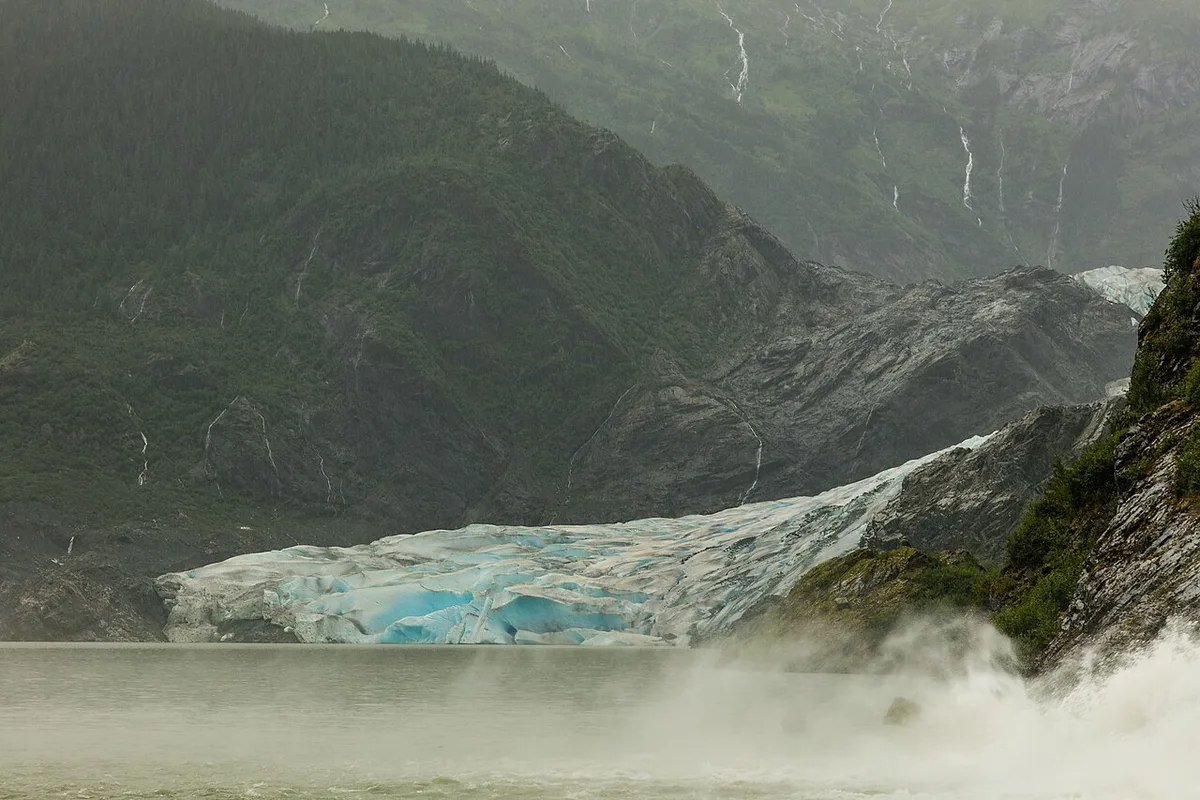
Mendenhall Glacier near Juneau works for multiple ages—toddlers enjoy the visitor area's stroller-friendly viewpoints while older kids extend time via the Nugget Falls trail. One port stop accommodates different stamina levels.
- Glacier-viewing days in Glacier Bay or at Hubbard Glacier, often visible from a private balcony
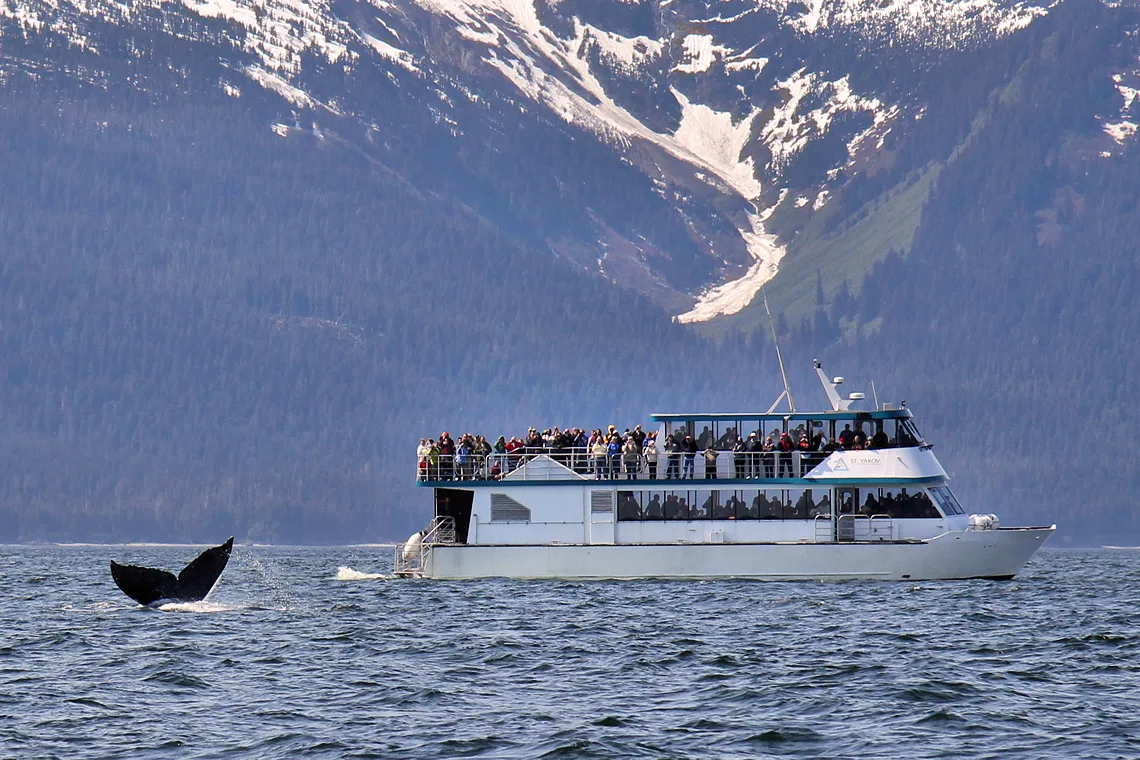
- Whale-watching from onboard decks while the ship transits the Inside Passage
- Port days built around kids, including Mendenhall Glacier just outside Juneau
Choosing the Best Cruise Line for an Alaska Family Trip
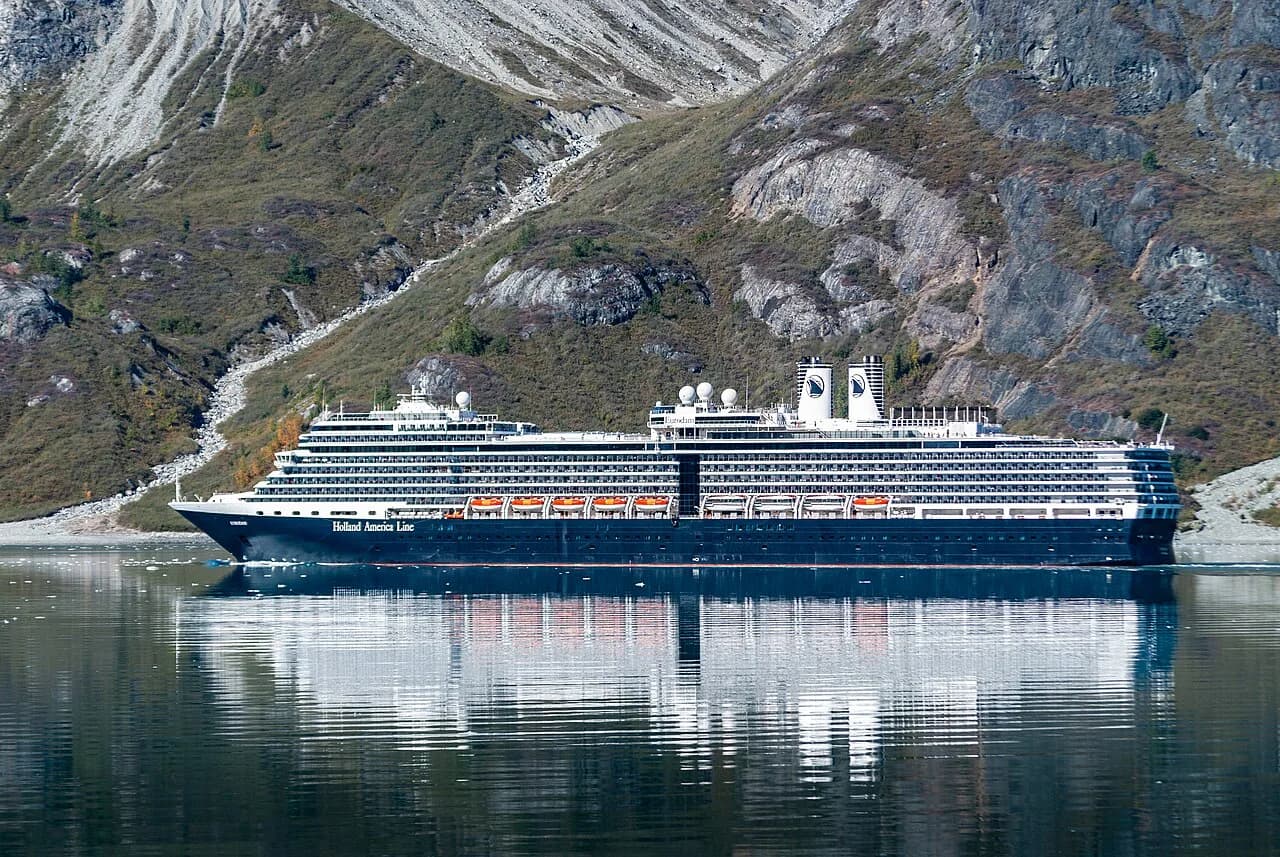
Four cruise lines dominate Alaska's family market, each built around a different priority. Princess Cruises leans on its "North to Alaska" enrichment programming, pairing onboard naturalists with local partners for wildlife-focused talks and events. Disney Cruise Line leans into character meet-and-greets and higher-end service, at a higher price point. Royal Caribbean and Norwegian Cruise Line push high-energy ships with features like go-karts and climbing walls. Holland America keeps a quieter pace that multigenerational groups mixing grandparents and kids tend to prefer. The table below breaks down how each line handles price, kids clubs, and Alaska-specific programming.
| Cruise Line | Price Positioning | Kids Club Focus | Alaska-Specific Programming | Onboard Thrills |
|---|---|---|---|---|
| Princess Cruises | Mid-range | Age-based youth groups | "North to Alaska" naturalist talks and local partner events | Atrium-style entertainment spaces, glacier-viewing decks |
| Disney Cruise Line | Premium, highest of the group | Oceaneer Club plus character meet-and-greets | Disney-curated shore excursions | Stage shows, character dining |
| Royal Caribbean / NCL | Mid-range to premium | Age-based kids and teen lounges | Standard excursion desk, less naturalist-led content than Princess | Go-karts, climbing walls, flow rider surf simulators |
| Holland America | Mid-range | Smaller kids club | Naturalist-led glacier commentary | Quieter lounges, enrichment talks |
- The family cruise line comparison covers how these lines stack up on other itineraries too
- The Disney cruise family guide goes deeper on Disney's Alaska sailings and pricing
- The Royal Caribbean family guide covers ship-by-ship kids club details
- Confirm current age groupings and drop-in hours directly with each line before booking, since youth program details change between sailings
Inside Passage vs. Gulf of Alaska: Picking the Right Itinerary
Alaska itineraries split into two main types. Round-trip Inside Passage sailings out of Seattle stay within sheltered waterways and typically return to the same port. One-way Gulf of Alaska sailings connect Vancouver or Seattle to Anchorage-area ports, crossing more open water and often adding stops at Glacier Bay or Hubbard Glacier. Families wanting a shorter trip and calmer seas usually pick the Inside Passage route. Families wanting Glacier Bay or Hubbard Glacier on the itinerary, plus a possible land add-on toward Denali, lean toward the Gulf of Alaska option. Some Inside Passage sailings add a scenic-cruising morning through a fjord such as Tracy Arm Fjord or Endicott Arm, with the ship easing past floating ice near a glacier like Dawes Glacier around sunrise. A balcony cabin turns this into an in-room viewing spot, while kids who prefer to sleep in can catch the same scenery later from a public deck. Departure port matters for logistics, not just scenery:
- Seattle: ships dock at terminals like Pier 91 or Pier 66, both convenient for US-based families flying into SEA
- Vancouver: smoother, more scenic early sailing, but the route through Canadian waters means every family member needs a passport, including kids
The Golden Triangle: Ketchikan, Juneau, and Skagway With Kids
Most Inside Passage itineraries call at the same three ports, often nicknamed the Golden Triangle. Juneau's excursion desk typically offers a choice of glacier viewing, whale-watching, or dog-sledding day trips, so families can split up based on kids' ages and stamina. Other travelers often flag Ketchikan's bear-watching excursions as a highlight worth booking early. Near Mendenhall Glacier, the short trail out to Nugget Falls adds an easy extension for families with older kids who want more trail time.
- Ketchikan: totem poles and clan houses at Totem Bight State Historical Park, a tour that runs about two and a half hours, plus the Great Alaskan Lumberjack Show and local history at the Tongass Historical Museum
- Juneau: Mendenhall Glacier, just over 10 miles outside town, reachable by trail, boat, or flightseeing, with typical port stops running about 90 minutes; whale-watching trips run out of Auke Bay
- Skagway: the White Pass and Yukon Route Railroad is a longtime kid favorite; check current family ticket availability before booking, since schedules and bookings shift by season
Shore Excursions: What's Actually Worth the Money
Excursion pricing spans a wide range, and the gap between options is real. Helicopter glacier landings sit at the top of the price list, well above walking tours or gold-panning stops. Lower-cost options like guided hikes, totem pole tours, and gold panning give families a similar sense of place at a fraction of the cost. Check each cruise line's excursion desk or app for current per-person pricing, since rates shift by ship, season, and group size. Port days run short, often just a matter of hours, so weigh travel time to a glacier or trailhead against total time in port before booking a far-flung excursion.
Kids Clubs and Dining Onboard
Youth programming varies most by line. Princess groups kids by age into dedicated clubs alongside its "North to Alaska" naturalist events. Disney's Oceaneer Club pairs structured activities with character meet-and-greets throughout the sailing. Confirm current age groupings and drop-in hours directly with the line before sailing, since these details change often. Dining options break down clearly by style, and the choice matters most for families with picky eaters:
- Buffets: best for picky eaters who want to see food before committing
- Main dining rooms: sit-down service with rotating nightly menus
- Specialty restaurants: a paid option for one grown-up night out
- Poolside grills: fast, casual meals during port-day rushes
Packing for Cold-Water Cruising: Layers and Low-Tech Gear
Alaska's weather shifts fast, even in peak summer, so packing strategy matters more than it does for a Caribbean sailing. The layering rule keeps kids comfortable across a single port day:
Alaska's rapidly shifting summer weather can delay flightseeing excursions and push back port calls. Travel insurance is critical coverage, protecting against financial losses when weather disrupts scheduled activities.
- Base layer: moisture-wicking shirts and leggings
- Insulating layer: fleece or a lightweight puffer
- Waterproof layer: a rain shell and waterproof shoes or boots
- Low-tech extras: real binoculars, a waterproof journal, and a wildlife spotting guide to keep kids engaged without a screen
Budgeting for an Alaska Cruise: What the Base Fare Skips
The advertised base fare covers the cabin and most main dining room meals, nothing else. Shore excursions, specialty dining, automatic daily gratuities, and cold-weather layers all land as separate charges once onboard. Timing shifts the total, too. May sailings typically carry lower base fares than July or August dates, when demand peaks around salmon runs and prime bear-viewing season, but May brings colder weather and less wildlife activity. Some lines run seasonal kids-sail-free style promotions on Alaska routes. Check each line's current offer directly, since these windows open and close throughout the year.
Common Mistakes to Avoid on an Alaska Cruise With Kids
A few planning mistakes come up often for first-time Alaska families:
- Booking an inside cabin on a Gulf of Alaska sailing, then missing glacier views a balcony or oceanview cabin would have caught
- Packing like a Caribbean cruise and getting caught without a waterproof outer layer on a rainy port day
- Waiting to book excursions until boarding, when small-group tours like glacier hikes sell out fastest
- Skipping travel insurance, when weather delays can push back a flightseeing trip or an entire port call
- Forgetting passports for a Vancouver departure, since the itinerary passes through Canadian waters
Bottom Line: Is an Alaska Cruise Right for Your Kids?
An Alaska cruise with kids works best for families who want structured comfort alongside real wildlife and glacier access, not a beach-and-pool week. Toddlers do fine on ships with dedicated youth clubs and flexible port-day plans. School-aged kids tend to get the most out of the Golden Triangle ports and glacier viewing. Teens respond better to higher-energy ships with climbing walls and go-karts, or to add-on excursions like ziplining. Budget is the other deciding factor: lines like Disney sit at a premium price point, while Princess and Holland America run closer to mid-range. Matching ship pace and price point to the ages onboard is the fastest way to land on the right sailing.
Age-by-Age Planning for Alaska Cruise Days
Match each day to your child’s stamina, not only the port name. Toddlers usually do best with short mornings ashore, stroller-friendly viewpoints, and an easy return to the ship for naps. In Juneau, that can mean the Mendenhall Glacier visitor area instead of a long flightseeing day.
School-aged kids often handle one structured excursion per port. Good fits include the White Pass and Yukon Route Railroad in Skagway, Totem Bight State Historical Park near Ketchikan, or a whale-watching boat from Auke Bay. Bring snacks, gloves, and dry socks, since cold rain can shorten patience quickly.
Teens usually need more independence and higher payoff. Look for ziplining near Ketchikan, kayaking, longer glacier hikes, or ships with climbing walls, go-karts, or teen lounges. On glacier-viewing days, give them binoculars and a wildlife list instead of treating the day like a lecture.
For trip-planning details, see Travel Alaska — official state tourism site and Glacier Bay National Park — National Park Service.
Frequently Asked Questions
What age is best for an Alaska cruise with kids?
Alaska cruises work across a wide age range, from toddlers to teens, since ships combine structured youth clubs with flexible port-day plans. Younger kids tend to enjoy short excursions like the Ketchikan totem tour or Mendenhall Glacier viewpoints, while teens get more out of higher-energy ships or add-on activities like ziplining. Confirm current age groupings for kids clubs directly with the cruise line before booking, since these details change between sailings.
Should you book an Inside Passage or Gulf of Alaska itinerary with kids?
Round-trip Inside Passage sailings out of Seattle stay in more sheltered water and work well for families wanting a shorter, calmer trip. One-way Gulf of Alaska sailings add open-water stretches and often include Glacier Bay or Hubbard Glacier, plus the option to extend toward Denali by land. Families prone to seasickness usually do better on the Inside Passage route.
Is Seattle or Vancouver the better departure port for an Alaska family cruise?
Seattle departures, through terminals like Pier 91 or Pier 66, are simplest for US-based families flying into SEA. Vancouver departures add smoother, more scenic early sailing, but the route passes through Canadian waters, so every family member needs a passport, including kids.
How much should you budget for shore excursions in Alaska?
Shore excursion costs span a wide range. Helicopter glacier landings sit at the top of the price list, while guided hikes, totem pole tours, and gold panning cost far less for a similar sense of place. Check each cruise line's excursion desk or app for current per-person pricing, since rates shift by ship, season, and group size.
When is the best time to cruise Alaska with kids?
May sailings typically carry lower base fares but bring colder weather and less wildlife activity. July and August sailings cost more and coincide with salmon runs and prime bear-viewing season. Families prioritizing budget over wildlife density often lean toward the May-June window instead.
Free guide: Stress-Free Flying with Kids
The pre-flight checklist, carry-on packing list, and in-flight survival plan we use on every family trip — from toddlers to teens.
You might also like


Continue reading
More guides you'll find useful