

Science World Vancouver With Kids: Age Guide, Tickets, and Logistics
Is Science World Vancouver worth it for kids? Compare galleries by age, ticket and parking tips, and how to dodge school field-trip crowds in 2026.
On this page
Science World Vancouver With Kids: The Complete Parent's Guide
Last updated July 2026. Science World Vancouver with kids rewards a little planning, since the geodesic dome packs toddler play, hands-on physics, and an OMNIMAX theater into one site. This guide maps each gallery to an age group, breaks down SkyTrain versus parking, and flags the field-trip hours worth avoiding.
Free guide: Stress-Free Flying with Kids
The pre-flight checklist, carry-on packing list, and in-flight survival plan we use on every family trip — from toddlers to teens.
Is Science World Vancouver Worth It for Kids?
Science World Vancouver with kids earns a spot in most family itineraries, especially as a rainy-day anchor for a broader Vancouver with kids itinerary. The core exhibits suit a 2-to-12 age range, so toddlers and elementary-age kids get the most out of a full visit. Teens without younger siblings can find some galleries too young for them, though the Tinkering Space and the OMNIMAX Theatre hold their attention. A common question among parents is whether the museum skews too young for a mixed-age family. In practice, Science World works best when the group centers on kids under 12, with teens along for the ride rather than the main audience. Compared with a straightforward aquarium visit, Science World leans toward hands-on experiments over watching animals, which suits kids who want to touch and build rather than just observe. Families weighing an outdoor-first day instead can compare it against a Grouse Mountain day trip or Capilano Suspension Bridge Park.
Science World works as a rainy-day backup for Vancouver families, but the Eureka! Gallery's splash zone will still leave kids soaked; pack a change of clothes regardless.
Top Galleries and Exhibits by Age
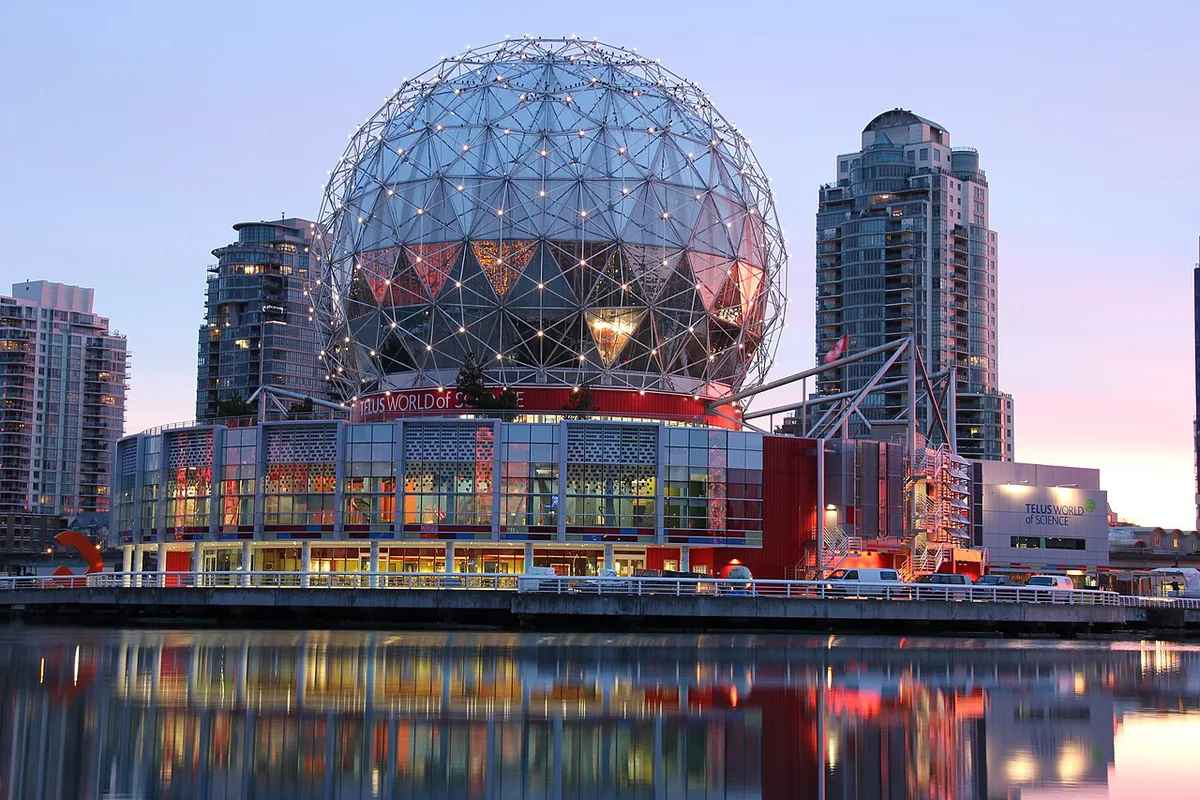
Science World organizes its galleries around age, which makes it easier to plan a route as soon as you enter the dome. The dome's compact layout means galleries sit close together, so families can loop back to a favorite spot without a long walk. Wonder Gallery is reserved for children five and under, with soft, sensory-focused play set apart from older kids' faster-paced exhibits. Eureka! Gallery leans into hands-on physics and a water-play area that soaks sleeves and socks fast, so pack a change of clothes. Tinkering Space suits older kids and teens who want to build, wire, and test small machines. Many stations across these galleries rotate on a schedule, so specific hands-on setups can change between visits. The outdoor Ken Spencer Science Park adds seasonal, weather-dependent exhibits, so check current status on ScienceWorld.ca before counting on it. The OMNIMAX Theatre runs as a separate add-on ticket, and its dome screen is worth the extra cost mainly if your group can sit through a full film.
| Gallery / Zone | Best Age Group | What to Expect |
|---|---|---|
| Wonder Gallery | 5 and under | Soft play and sensory exhibits away from faster-paced zones |
| Eureka! Gallery | Roughly 6 to 12 | Hands-on physics and a water-play splash zone |
| Tinkering Space | Older kids and teens | DIY building and engineering challenges |
| Ken Spencer Science Park | All ages (seasonal) | Outdoor exhibits; weather-dependent, confirm current status |
| OMNIMAX Theatre | All ages (paid add-on) | Immersive dome-screen films |
Getting to Science World: SkyTrain vs Parking
Most families reach Science World Vancouver with kids by SkyTrain, since Main Street-Science World Station is the dedicated stop serving the museum. Families traveling with a stroller often find SkyTrain simpler than navigating a parking lot at drop-off time. The on-site parking lot works well with strollers and gear once you're parked. Check ScienceWorld.ca for the current daily rate before you drive, since on-site parking generally costs more than a same-day family SkyTrain fare. TransLink.ca lists current SkyTrain routes and frequency for Main Street-Science World Station, so confirm departure times before you leave. If you're combining Science World with another stop the same day, build in extra time for any SkyTrain transfer.
- SkyTrain: Main Street-Science World Station serves the museum directly. Check TransLink.ca for current routes and frequency.
- On-site parking: convenient for strollers and gear once you arrive. Check ScienceWorld.ca for the current daily rate before you drive.
Best Time to Visit and How Long to Stay
Weekday mornings during the school year bring the heaviest crowds, since local schools book field trips roughly between 10 a.m. and 1 p.m. Arriving right at opening, or in the final two hours before closing, avoids most of that field-trip traffic. Weekend crowds skew toward families rather than school groups, which changes the pace even during busy hours. Budget three to five hours for a full visit, especially if your group plans an OMNIMAX film and time in the outdoor Ken Spencer Science Park. Check ScienceWorld.ca for current hours. The museum has run seasonal late-hour openings in the past, so confirm before planning an evening visit.
The heaviest crowds arrive around 10 a.m.–1 p.m. on school-year weekdays; coming at opening or during the final two hours means you get the full three to five hours without peak congestion.
| Time Window | Crowd Level |
|---|---|
| Weekday 10 a.m. to 1 p.m. (school year) | Heaviest — field trip groups |
| Weekday opening hour | Lighter |
| Final two hours before closing | Lighter |
| Weekends and school holidays | Family-heavy, no field trips |
Food, Facilities, and Sensory Tips for Families
Science World keeps most basic needs covered inside the dome, and a short walk extends the options considerably. On-site dining works for a quick snack or lunch break without leaving the building. Olympic Village and the streets along False Creek add family-friendly restaurants and cafes within easy walking distance. Eureka! Gallery and Tinkering Space run the loudest, thanks to water play and building activities, while smaller side rooms stay quieter. If a child needs a break from noise, step outside toward the Ken Spencer Science Park or find a quieter corner near the entrance. Ask staff near the entrance for directions to family facilities, since layout can shift during special exhibits.
- Nursing rooms for feeding and diaper changes.
- Stroller parking near the entrance.
- Lockers for coats, bags, and a spare change of clothes.
Tickets, Membership, and Reciprocal Admission
Buy tickets online through ScienceWorld.ca ahead of a visit, since walk-up admission can mean a line at the door on busy weekends and holidays. Online booking also lets you pick an entry time, which helps you plan around field-trip hours. As of 2026, the official site lists current single-day admission and family membership pricing, so check there for exact numbers before you go. A family membership tends to pay for itself once a household returns more than once or twice a year. Compare that against single-day admission if you expect repeat visits. Families already holding a membership at another science museum should check whether it qualifies for the ASTC Travel Passport Program. Participating institutions offer reciprocal admission, so confirm Science World's current participation on ScienceWorld.ca before relying on it for free entry.
| Ticket Option | Best For |
|---|---|
| Single-day admission | Occasional visitors |
| Family membership | Households returning more than twice a year |
| ASTC reciprocal admission | Families already members at another science museum |
Mistakes to Avoid at Science World
A few avoidable mistakes turn a Science World visit stressful fast, especially with young kids in tow. Plan around these before you go:
- Skipping a change of clothes — the Eureka! Gallery splash zone soaks kids fast.
- Arriving during peak field-trip hours, roughly 10 a.m. to 1 p.m. on school-year weekdays, without a backup plan.
- Overlooking the outdoor Ken Spencer Science Park, which is seasonal and sometimes closed for renovations. Check current status before counting on it.
- Buying walk-up tickets on a busy weekend instead of booking online ahead of time.
- Not asking staff where the quieter corners are if a child needs a noise break.
Combining Science World with Other Vancouver Kids Attractions
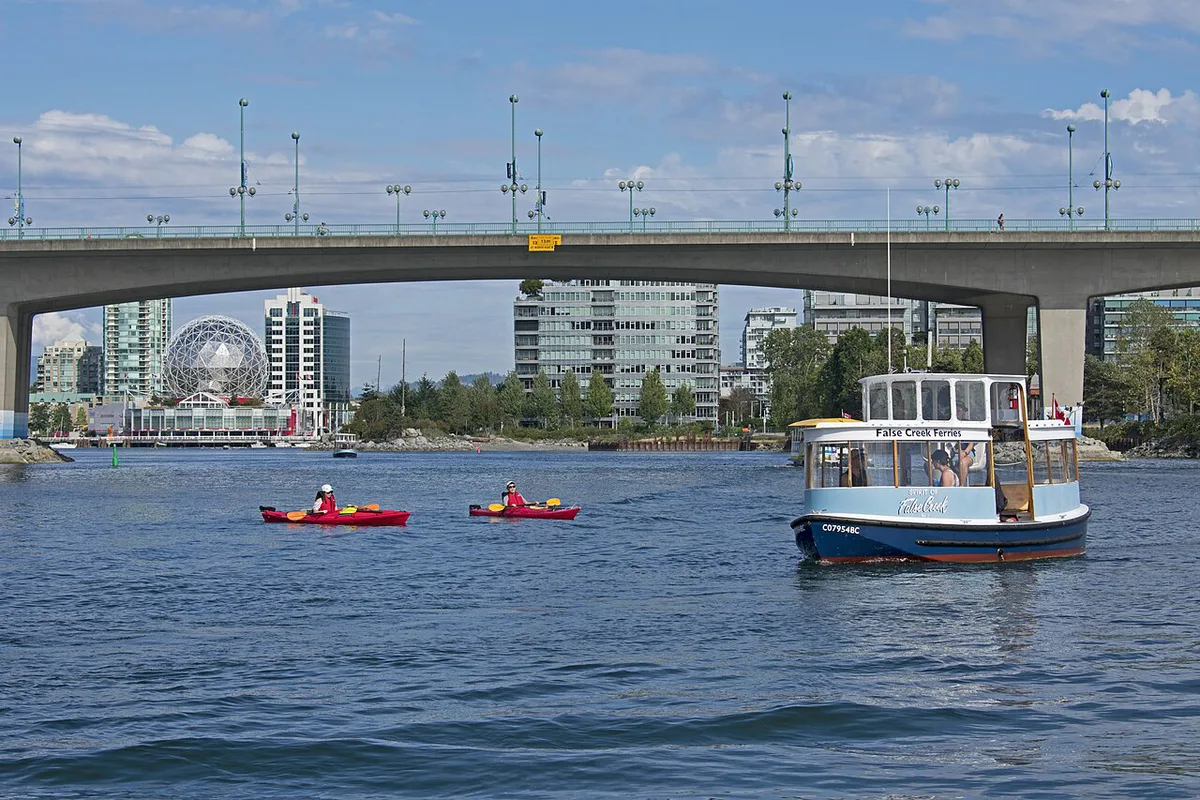
Pair a Science World morning with an afternoon at Granville Island. Aquabus and False Creek Ferries both run small passenger boats across the water toward Granville Island, which beats a longer walk with tired kids. Families craving green space after a few hours indoors can also head to Stanley Park With Kids: A Family Guide to Playgrounds, Biking & Logistics for a slower, outdoor-focused afternoon. A single day rarely covers Science World plus a second stop in full, so many families split the two across a morning-and-afternoon block or separate days. Either option keeps a Science World day from feeling like a single stop on a longer Vancouver trip.
Science World vs Vancouver Aquarium With Kids
Choose Science World if your kids want to touch, build, test, and move between short hands-on stations. It works especially well for rainy days, mixed toddler-and-elementary groups, and families staying near False Creek, Yaletown, or Mount Pleasant.
Choose the Vancouver Aquarium if your child is more excited by live animals, slower viewing, and Stanley Park. The aquarium suits toddlers who like watching tanks, but it also holds older kids with marine mammals, jellyfish, and conservation exhibits.
- Best for active kids: Science World, especially Eureka!, Wonder Gallery, and Tinkering Space.
- Best for animal lovers: Vancouver Aquarium in Stanley Park.
- Best transit fit: Science World, because Main Street-Science World Station is close to the entrance.
- Best outdoor add-on: Vancouver Aquarium, since Stanley Park trails, playgrounds, and the seawall are nearby.
If your Vancouver itinerary has room for only one, pick based on your child’s attention style rather than age alone.
For trip-planning details, see Science World official site.
Further reading: Vancouver on Wikivoyage · Vancouver on Wikipedia
Frequently Asked Questions
What age range does Science World Vancouver suit best?
The core exhibits are built for roughly ages 2 to 12. Wonder Gallery is reserved for children five and under, and Tinkering Space is aimed at older kids and teens.
Is Science World Vancouver worth it for teens?
Teens without younger siblings can find some galleries too young for them. The Tinkering Space and the OMNIMAX Theatre are the two spots most likely to hold a teenager's attention.
Should you take SkyTrain or drive to Science World?
SkyTrain to Main Street-Science World Station is straightforward for most families and skips any parking search. If you drive, check ScienceWorld.ca for the current parking rate before you leave home.
How many hours should you plan for a Science World visit?
Budget three to five hours for a full visit. Add extra time if your group plans an OMNIMAX film or a stop in the outdoor Ken Spencer Science Park.
Is the outdoor Ken Spencer Science Park always open?
It's seasonal and weather-dependent, and it has occasionally closed for renovations. Check current status on ScienceWorld.ca before counting on it for your visit.
When is the best time to visit Science World with kids to avoid crowds?
Avoid weekday mornings during the school year, roughly 10 a.m. to 1 p.m., when field trips book the galleries. Arriving at opening or in the final two hours before closing usually means smaller crowds.
Free guide: Stress-Free Flying with Kids
The pre-flight checklist, carry-on packing list, and in-flight survival plan we use on every family trip — from toddlers to teens.
You might also like


Continue reading
More guides you'll find useful


