

Paris with Toddlers: A Practical Guide to Strollers, Parks, and Stress-Free Days
Plan Paris with toddlers using stroller-smart routes, the best parks, toddler-friendly museum tips, and dining timing for a smoother 2026 family trip.
On this page
Paris with Toddlers: Logistics, Play, and Stress-Free Sightseeing
Last updated July 2026. Paris with toddlers works best when mornings hold one sight, afternoons hold one park, and transfers between them stay short instead of turning into cross-city treks. The city keeps its appeal on a two-year-old's schedule, but only if you plan around nap windows, stair-heavy Metro stations, and a French dinner clock that starts later than most toddlers can wait for. This guide covers the transit, parks, museums, and dining logistics that keep a trip built around paris with toddlers manageable instead of exhausting.
Free guide: Stress-Free Flying with Kids
The pre-flight checklist, carry-on packing list, and in-flight survival plan we use on every family trip — from toddlers to teens.
Paris with Toddlers: Strollers vs Carriers on the Cobblestones
Most Paris guides call the city walkable and leave it there. Walkable does not mean stroller-friendly. Cobblestones cover long stretches of the Marais and the Latin Quarter. Most Metro stations have stairs only, with no elevator at either platform end. A stair-only transfer with a stroller and a tired toddler slows a day fast, so build a buffer of fifteen to twenty minutes around any transfer that involves stairs. Pack a soft-structured carrier for cobblestone streets, Metro transfers, and any day with more than one stair-only station. Save the stroller for flat stretches: riverside paths, park interiors, and pedestrian streets. For the wider family trip beyond toddlers, the broader family trip guide covers logistics for older siblings too.
Top Toddler-Friendly Attractions in Paris
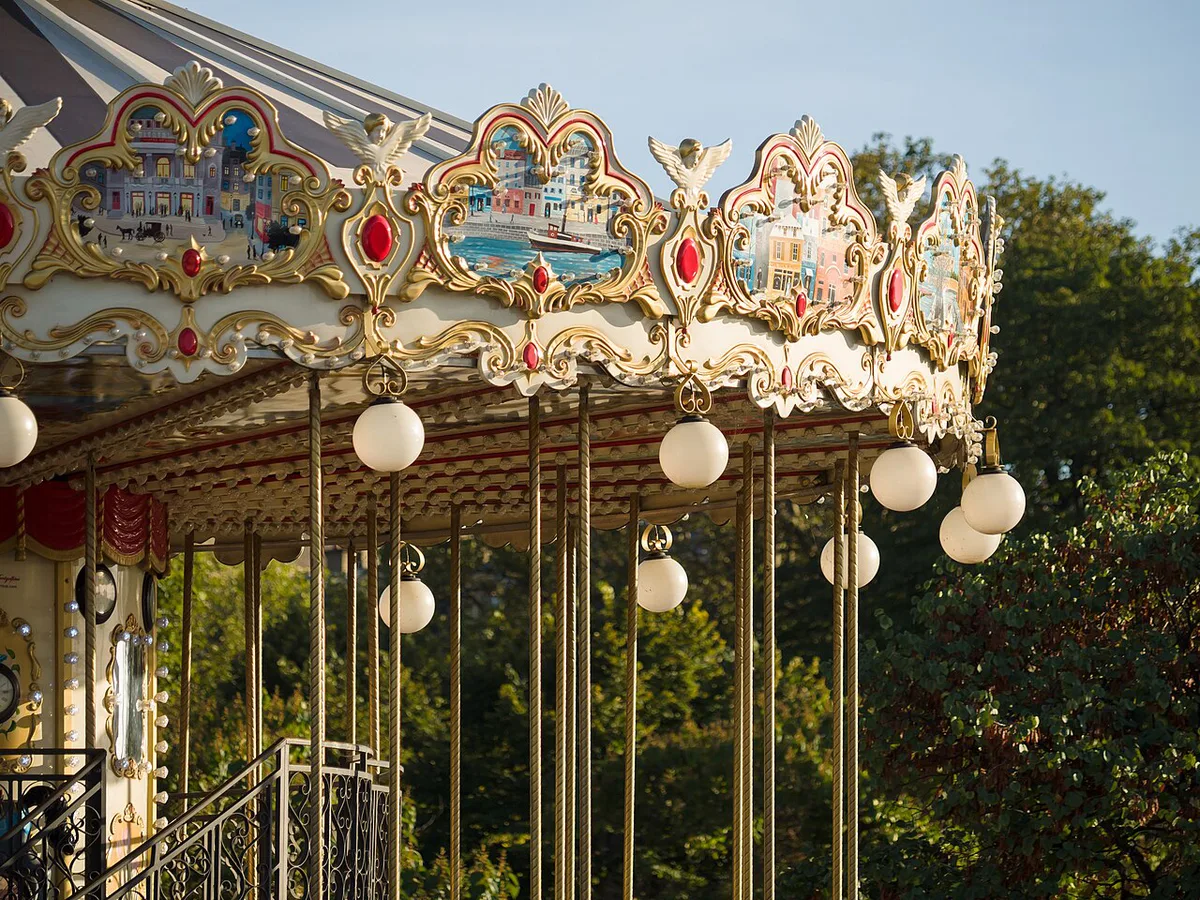
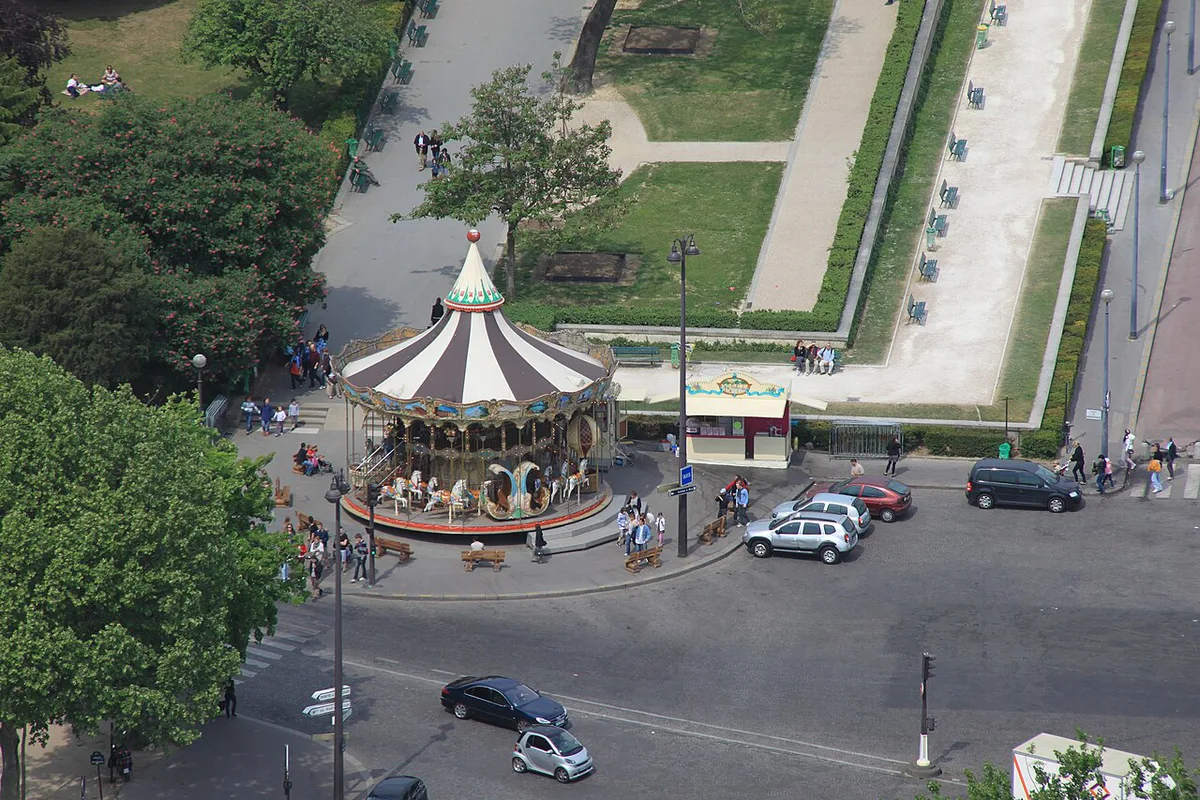
Toddlers respond to short bursts of novelty, not long exhibits. Build each outing around one attraction, then use a nearby park or carousel as the reward. Paris keeps a manège, a traditional carousel, near several major landmarks, including the Eiffel Tower, the Hôtel de Ville, and the Tuileries Garden. A five-minute carousel ride works well as the incentive that gets a toddler through a longer sight first. Pair a carousel stop with a full Eiffel Tower visit plan for the toddler-paced version of that landmark.
- Cité des Enfants at the Cité des Sciences: an indoor science space built for young children, split into age-banded sessions that need advance online booking.
- Puppet shows (guignol): traditional shows run in several city parks, including Luxembourg Gardens, on a seasonal schedule and typically last well under an hour.
- Carousels: rides near the Eiffel Tower, Hôtel de Ville, and Tuileries Garden work well as post-museum rewards.
The Best Paris Parks and Playgrounds for a Reset
A park stop each afternoon resets a toddler's mood faster than another sight. Paris has several enclosed playgrounds built for young children, spread across central neighborhoods so a reset is rarely far away. Check current hours and status for the Luxembourg pony ride before counting on it, since small concessions change season to season. Most enclosed playgrounds also charge a small per-child entry fee at the gate. Confirm the current rate on-site, since it varies by park. For a longer list of options by neighborhood, see the full parks and playgrounds list.
- Jardin du Luxembourg (6th arrondissement): fenced playground plus a long-running pony ride concession near the play area.
- Tuileries Garden (1st arrondissement): a carousel and open lawns between the Louvre and Place de la Concorde.
- Jardin des Plantes (5th arrondissement): a playground next to a small menagerie, useful for pairing animals with play in one stop.
Visiting the Louvre and Orsay Without a Meltdown
Museums test toddler attention fast. Plan for a 45- to 60-minute visit window, not a full morning. Arrive at opening, hit two or three galleries, then leave before the meltdown starts. Toddlers do better with a single focused loop through a few rooms than a full circuit of either museum. Both museums list free admission for children under a set age on their official sites. Toddlers typically fall well under that cutoff, but confirm the current age limit before booking. Stroller loan availability at the entrance is also listed on each museum's official site. Supply runs limited, so check ahead rather than assume one will be free at the door. For a toddler-specific walkthrough of the collection, see a toddler-paced Louvre visit.
With museum visits capped at 45-60 minutes, carrying a child through cobblestones and stair-only Metro transfers beats managing a stroller that won't be needed once inside.
Getting Around: Metro vs Bus vs Batobus with a Stroller
Paris gives toddlers three main ways to move between sights, and each trades speed for stroller ease differently. Confirm elevator status for specific stations on RATP's own accessibility map before relying on any single Metro line. Line 14 gets cited most often as the toddler-friendliest line, since most of its stations were built step-free. The bus keeps you at street level for the whole ride, useful when a toddler needs to see out the window instead of napping underground. The Batobus runs on a set schedule with limited stops, so it works best as one scenic river leg of a day rather than the main way you get around.
| Option | Stairs & Access | Stroller Space | Best For |
|---|---|---|---|
| Metro | Stairs-only at most stations; Line 14 is the most cited exception for step-free access | Tight, often needs folding | Short hops when a stair-free station exists at both ends |
| Bus | Street-level boarding, no stairs | Room for one open stroller off-peak; fold during crowding | Cross-town trips without stair transfers |
| Batobus | Boards from riverside pontoons, no stairs | Full-size stroller space | Scenic Seine legs between sights like the Eiffel Tower and Notre-Dame |
Where to Stay: Best Neighborhoods for Families with Toddlers
Pick a base near a park and flat streets over one near a Metro line with stairs at both ends. The 6th arrondissement, around Luxembourg Gardens, keeps a playground and pony concession within a short walk. The 1st arrondissement, between the Tuileries and the Louvre, keeps sights within stroller range of each other. The Marais (4th arrondissement) mixes flat streets with cobblestone stretches, so check a specific block before booking. Older Paris buildings often lack elevators, including some hotels. Ask directly about elevator access and room floor before booking, not just about family room configurations. A third-floor walk-up turns a nap-time return into its own ordeal with a stroller and a sleeping toddler.
Dining in Paris with Toddlers: Timing, High Chairs, and Picky Eaters
Most traditional French restaurants do not open for dinner until 7:00 or 7:30 PM. That is well past a toddler's usual dinner window. Lunch service usually starts closer to noon and runs into the early afternoon, a better match for toddler mealtimes than dinner service. Build the early-evening gap into the day instead of fighting it. High chairs are common in casual and family-oriented spots but not guaranteed in traditional bistros. Pack a compact fabric travel seat as backup for sit-down meals.
- Boulangeries: sandwiches, quiches, and pastries available through the afternoon, no reservation needed.
- Creperies: casual, fast service and menus that work for picky eaters.
- Monoprix or Franprix supermarkets: prepared foods and a deli counter for an early room dinner.
Packing List and Local Resources: Pharmacies, Diapers, and Relais Bébés
Pharmacies, marked with a green cross sign, stock diapers, baby food, and toddler medicine. Staff can advise on dosing for over-the-counter options. Monoprix and Franprix supermarkets also carry diapers and baby food at lower prices than a pharmacy for routine restocking. Look for Relais Bébés signage for baby-changing stations in department stores and major transit hubs. Coverage is uneven, so carry a portable changing mat as backup. Carry a printed pharmacy address or two before you set out, since underground phone coverage can be spotty when you need it most.
Packing a soft-structured carrier for stairs and a compact stroller for park days enables the rhythm of 45-60 minute museum visits followed by afternoon park resets.
- Soft-structured baby carrier for stairs and cobblestones
- Compact fold umbrella stroller for park days
- Portable fabric high chair seat
- Portable changing mat
- Reusable water bottle, refillable at park fountains
Common Mistakes to Avoid With a Toddler in Paris
Toddler pace punishes over-scheduling more than any other travel style. One sight, one park, and one early meal work better than a packed itinerary.
- Assuming the Metro is stroller-friendly at every station: check for stairs-only transfers before booking a route.
- Skipping advance booking for Cité des Enfants sessions, which fill by age band.
- Scheduling dinner at a traditional restaurant before 7:00 PM, when most are still closed.
- Packing a full-size stroller for cobblestone-heavy neighborhoods instead of a carrier.
- Treating a Disneyland Paris day trip as a half-day add-on instead of a full day with a rest day on either side.
What to Skip or Save for Later With Toddlers
Some Paris sights are excellent for adults but hard work with a toddler. Save them for a later trip if they add stairs, queues, or long quiet stretches without an easy exit.
- Catacombs: the route has many steps, narrow tunnels, and no quick shortcut once you are inside.
- Sacré-Cœur by Metro: Abbesses is deep, stair-heavy, and Montmartre’s slopes are tiring with a stroller.
- Versailles as a casual add-on: the palace, gardens, train ride, and security lines usually need a full day.
- Long Seine dinner cruises: fixed seating and late schedules rarely match toddler meal and sleep windows.
If you want the view from Montmartre, take a taxi or bus close to the top and keep the visit short. For Versailles, choose it only if you can protect nap time and skip trying to see every room.
For trip-planning details, see Paris je t'aime — official visitors bureau.
Further reading: Paris on Wikivoyage · Paris on Wikipedia
Frequently Asked Questions
Is the Paris Metro stroller-friendly?
Generally no. Most stations have stairs only at one or both ends, with elevators limited to a small number of stops. Line 14 is the most commonly cited exception for step-free access. Confirm elevator status for your specific stations on RATP's accessibility map before booking a route, or use the bus instead.
Do Paris restaurants have high chairs?
Many casual and family-oriented restaurants do. Traditional bistros often do not guarantee one. Bring a portable fabric high chair seat as backup for sit-down meals.
What is the best age for Disneyland Paris with a toddler?
Many rides carry minimum height requirements, so check each ride's posted rule before queuing. A rider-swap option typically lets one adult wait with a toddler while the other rides, so neither parent misses every attraction. See a Disneyland Paris day trip guide for current age and height guidance.
Where can you buy diapers and baby food in Paris?
Monoprix and Franprix supermarkets carry both at everyday prices. Pharmacies, marked with a green cross sign, also stock diapers and baby food and can advise on toddler medicine.
How much time should you plan for Paris with toddlers?
Plan on fewer sights per day than a normal trip, with one anchor sight each morning and a park each afternoon. For a full itinerary built around that pace, see a 4-day family itinerary.
Free guide: Stress-Free Flying with Kids
The pre-flight checklist, carry-on packing list, and in-flight survival plan we use on every family trip — from toddlers to teens.
You might also like


Continue reading
More guides you'll find useful


