

Old San Juan with Kids: A Family Strategy Guide for 2026
A practical 2026 guide to Old San Juan with kids: fort strategy, stroller vs. carrier, cruise-ship timing, and cool-down stops for families.
On this page
Old San Juan with Kids: A Family Strategy Guide for 2026
Last updated July 2026: Old San Juan with kids works best with a plan, not a wander. Pick one fort as the day's anchor, check the cruise-ship calendar, and build in shade breaks before you set out. The 500-year-old district packs two national forts, a pigeon park, and blue-tinted cobblestone streets into a few walkable blocks, and it pairs naturally with the full Puerto Rico itinerary for the rest of the trip.
Free guide: Stress-Free Flying with Kids
The pre-flight checklist, carry-on packing list, and in-flight survival plan we use on every family trip — from toddlers to teens.
Is Old San Juan Good for Kids?
Yes, but treat it as a planned day, not a wander. Puerto Rico is a US territory, so US citizens traveling directly from the mainland do not need a passport for Old San Juan or the rest of the island. The district is compact, and most highlights sit within a 15 to 20 minute walk of each other. The terrain is not flat, though: expect steep blocks near the forts and uneven cobblestones underfoot. The esplanade outside El Morro functions as an open kite field most afternoons, part of why the fort draws families back more than once. Shade is limited outside the forts, so plan around the hottest stretch of the day rather than fighting it.
Fort hours from 9 am through 5 pm mean visiting early morning or within the last couple hours—timing that avoids both the midday heat and cruise-day crowds shown on the Port Authority schedule.
Old San Juan with Kids: Choosing the Right Fort
Two national forts anchor a day in Old San Juan with kids, and matching each one to the ages in the group saves energy. Both sites are part of the San Juan National Historic Site, administered by the National Park Service, and are separate from other historic buildings in the district such as La Fortaleza. Use the breakdown below to decide where to spend the most time.
| Feature | Best For | Pro Tip |
|---|---|---|
| El Morro | Open lawns and kite flying | Visit late afternoon to avoid the midday sun |
| San Cristóbal | History and tunnels | Suits school-aged kids who like exploring |
| Parque de las Palomas | Toddlers and preschoolers | Bring hand sanitizer; feeding the pigeons gets messy |
| Free trolley | Saving little legs | Treat it as a bonus, not a fixed schedule |
Castillo San Felipe del Morro: Kites, Garitas, and the Junior Ranger Program
El Morro sits on a point where San Juan Bay meets the Atlantic Ocean. Its exterior esplanade is the fort's biggest draw for families with younger kids. The open lawn stays breezy most afternoons, which is why locals and visitors fly kites there regularly; some call it the kite capital of the Caribbean. Discover Puerto Rico's event calendar occasionally lists a kite festival tied to the esplanade, so check current dates before building a trip around one. Inside the walls, look for the garitas, the domed sentry boxes kids can duck into, and the lighthouse at the fort's highest point. At the visitor center, ask about the Junior Ranger program, a self-guided activity that gives kids a reason to explore the ramparts and tunnels instead of walking past them. Save the fort's interior for cooler hours, since the stone walls trap heat by midday.
- Esplanade: an open lawn for kite flying, breezy most afternoons
- Garitas: domed sentry boxes kids can step inside
- Lighthouse: the fort's highest point, with bay views
- Junior Ranger program: a self-guided activity available at the visitor center
Castillo San Cristóbal: Tunnels for Older Kids and Teens
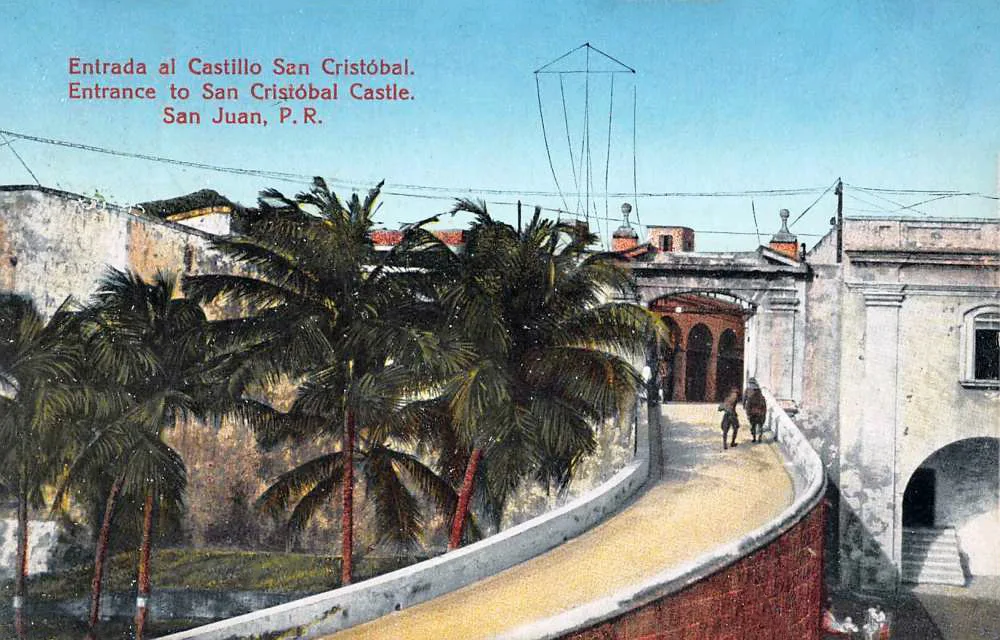
Castillo San Cristóbal is the larger of the two forts by footprint. It was built to guard the city from a land attack rather than a sea one. Its tunnel system runs underground and connects gun batteries and lookout posts. That layout makes it a better match for school-aged kids and teens who can handle low light and narrow stairs. Toddlers tend to do better on El Morro's open lawn instead. A walking trail links the two forts along the coast. Families who want to see both in one day can walk between them instead of doubling back through downtown streets. Budget at least half a day if the plan includes both forts plus a food stop.
Parque de las Palomas and the Blue Cobblestone Hunt
Parque de las Palomas, or Pigeon Park, sits along the old city wall and draws toddlers and preschoolers who want a shorter, low-key stop. Vendors near the park sell birdseed, and kids can hand-feed the resident pigeons or watch from outside the fence. A hand-washing station nearby is worth using right after, since the park gets messy fast. Turn the walk between attractions into a game with a blue cobblestone hunt. Have each kid count blue-tinted adoquines per block, or spot the cannons mounted along the wall, to keep younger kids moving without complaints.
Paseo de la Princesa in the Evening
Paseo de la Princesa is a promenade that runs along the harbor at the edge of the old city, and it works best in the early evening once the heat breaks. Street vendors set up stalls selling handicrafts and folk art alongside food carts selling piraguas, shaved ice topped with fruit syrup, a reliable way to cool kids down after a day of walking. That mix makes the promenade a reasonable stop for a quick souvenir before dinner. The route ends near the harbor, with open space to let kids run before a meal. Live music and dancing sometimes fill the plaza near the fountain, adding a low-key close to the day without another paid activity.
Getting Around: Stroller, Carrier, or Trolley
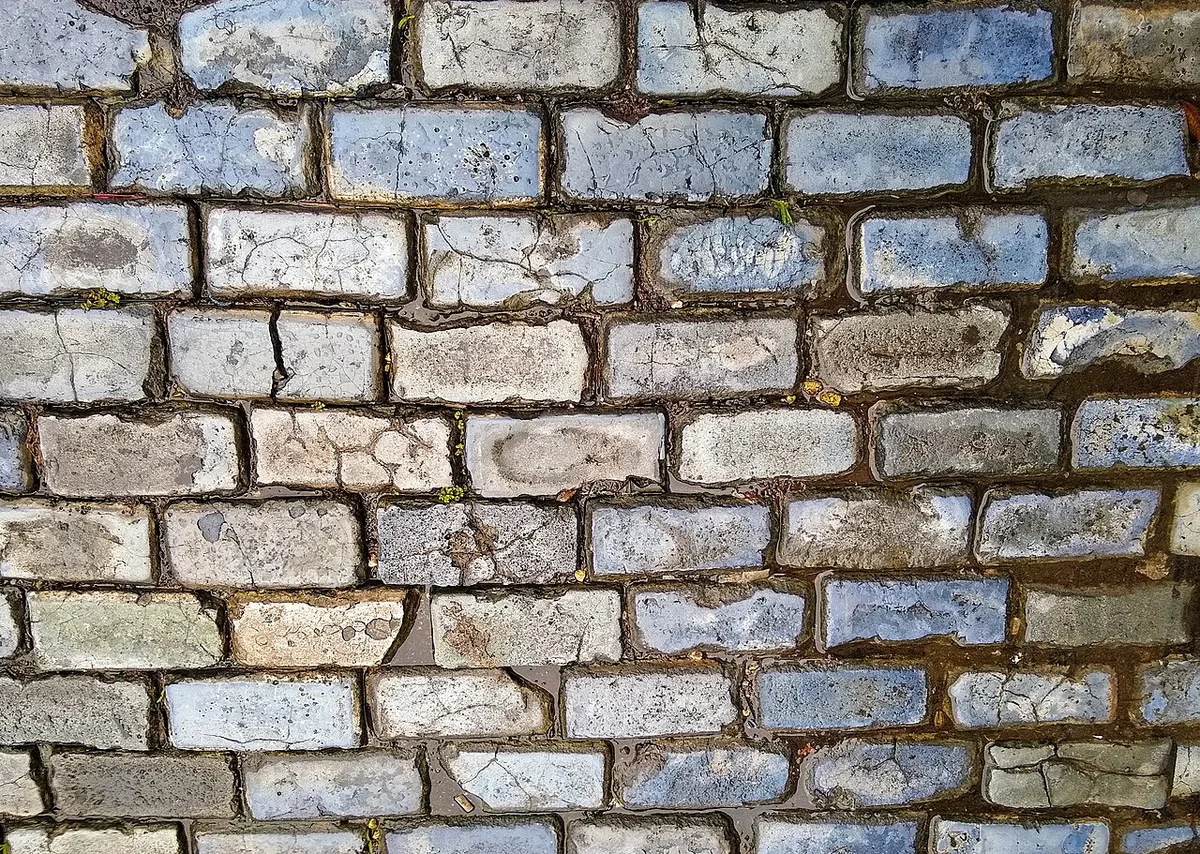
The adoquines, the blue-tinted cobblestones covering most streets in Old San Juan, are uneven and hard on small wheels. A large-wheeled jogging stroller handles them better than a compact umbrella stroller. Many families find that baby wearing is faster, and less frustrating, for kids under two. For toddlers who can walk, plan routes along the flatter streets near the harbor and save the steeper blocks near the fort entrances for when legs are fresh. Early morning, before the heat builds, is the easiest time to cover those steeper blocks with a stroller or a tired toddler. The free trolley covers the old city, but wait times and route reliability vary. Do not build a tight schedule around it; treat it as a bonus for tired legs, not a primary way to get around.
Baby wearing works best for under-2s on cobblestones, while large-wheeled strollers suit ages 2 and up. El Morro's open lawn appeals to younger kids, whereas San Cristóbal's tunnels work better for school-aged kids who can handle darker spaces and more walking.
- Large-wheeled stroller: manageable on adoquines, best from around age two
- Baby carrier: faster over cobblestones, best for infants and toddlers under two
- Free trolley: covers the old city, but confirm current wait times locally before relying on it for a tight schedule
Where to Eat and Cool Down
Food carts and small shops throughout Old San Juan sell piraguas (shaved ice with fruit syrup) and paletas (fruit popsicles), both inexpensive ways to cool down. For sit-down meals, look for spots serving arroz y habichuelas, rice and beans, a mild, familiar staple that works well for picky eaters. Bring refillable water bottles, since the walking between stops adds up fast in the heat, and look for shaded plaza benches to rest between attractions. When the humidity gets to be too much, step into an air-conditioned stop rather than pushing through another outdoor plaza. Chocobar Cortés, a chocolate café in the old city, is one option with indoor seating and treats that double as a reward for finishing a fort tour. Museums with indoor galleries offer the same kind of break, and are worth timing for the hottest stretch of early afternoon.
Planning Around Cruise Ships, Costs, and Timing
San Juan's cruise port sees heavy ship traffic, and on a busy arrival day, the crowds moving through Old San Juan's narrow streets can easily top 10,000 people. Check the Puerto Rico Port Authority's posted arrival schedule before picking a date, and aim for a day with no ships in port, or a late-afternoon visit after day-trippers head back to their ship.
- Cruise crowds: check the Puerto Rico Port Authority arrival schedule; heavy arrival days can push extra visitors past 10,000
- Fort admission: about $10 per person at the gate as of 2026; confirm current fees and any age-based discounts at nps.gov
- Combined ticket: admission typically covers both El Morro and San Cristóbal on the same day; verify current terms at nps.gov
- Best times: fort opening around 9 am, or the last hour or two before closing around 5 pm, avoid the midday sun and the thickest crowds
- Advance tickets: check the National Park Service site for whether advance online tickets are available, which can shorten gate waits on a busy cruise day
Beyond the Old City: Beaches and Day Trips
Old San Juan has no swimming beach of its own. Families who want sand and water need to head just outside the walls. El Escambrón, next to the Caribe Hilton, is the closest calm-water option. It has a lifeguard on duty and facilities for changing and rinsing off. See the calmer beaches near San Juan for how it compares to Isla Verde and Condado. All beaches on the island are public by law, including the sand fronting the Caribe Hilton, though hotel guests get the easiest access. For evening energy after a day of forts and cobblestones, Distrito T-Mobile offers restaurants and entertainment aimed at a livelier crowd than the historic district. Families staying more than a couple of days often pair Old San Juan with an El Yunque day trip. Allow 45 to 60 minutes each way, depending on San Juan traffic. Some guides quote a shorter 30- to 45-minute drive, which assumes light traffic. A bioluminescent bay outing suits families with kids old enough for a nighttime kayak or boat tour; check the tour operator's minimum age before booking.
- the calmer beaches near San Juan: El Escambrón is the closest lifeguarded, calm-water option to the old city
- an El Yunque day trip: allow 45 to 60 minutes each way depending on traffic
- a bioluminescent bay outing: an evening kayak or boat tour, best for kids past the tour operator's minimum age
A Low-Stress Walking Route for Families
Old San Juan is easier with kids when the route avoids unnecessary backtracking. Start near Plaza Colón if arriving by taxi or rideshare, then walk first to Castillo San Cristóbal while energy is high. From there, follow the coastal side toward El Morro instead of weaving through the steeper interior streets.
After El Morro, cut back through Calle del Cristo for a shorter downhill walk past Catedral de San Juan Bautista and Plaza de Armas. If legs are fading, skip extra side streets and continue toward Puerta de San Juan and Paseo de la Princesa for a flatter finish near the harbor.
- Best first stop: Castillo San Cristóbal, because it sits closer to Plaza Colón and the cruise piers.
- Best stroller finish: Paseo de la Princesa, where the promenade is smoother and wider.
- Hardest stretch: the uphill blocks around El Morro and the streets leading back from the fort.
For trip-planning details, see San Juan National Historic Site — National Park Service.
See our San Juan tourism attractions guide for the broader city overview.
Further reading: San Juan on Wikivoyage · San Juan on Wikipedia
Frequently Asked Questions
Do you need a passport to visit Old San Juan with kids?
No. Puerto Rico is a US territory, so US citizens traveling directly from the mainland do not need a passport for Old San Juan or the rest of the island.
How much does it cost to visit the forts with kids?
As of 2026, expect to pay around $10 per person at the gate for the San Juan National Historic Site forts. The National Park Service website lists current fees and any age-based discounts, and admission typically covers both El Morro and San Cristóbal on the same day, so confirm the exact terms at nps.gov before the trip.
Is the free trolley in Old San Juan reliable for families?
Not consistently. The trolley covers the old city at no cost, but wait times and route reliability vary from day to day. Treat it as a bonus for tired legs rather than a fixed part of the schedule, and confirm current status locally before counting on it.
Which fort is better for younger kids: El Morro or San Cristóbal?
El Morro suits younger kids better, thanks to its open lawn for kite flying and shorter walking loops. San Cristóbal, with its underground tunnels and larger footprint, tends to work better for school-aged kids and teens who enjoy exploring.
How do you avoid cruise ship crowds in Old San Juan?
Check the Puerto Rico Port Authority's posted arrival schedule before picking a date. Days with no ships in port are noticeably quieter, and visiting in the last hour or two before closing, around 5 pm, also helps you dodge day-tripper crowds.
Stroller or baby carrier for Old San Juan's cobblestone streets?
A large-wheeled stroller handles the adoquines better than a compact umbrella model, but many families find baby wearing faster and less frustrating for kids under two, especially on the steeper blocks near the forts.
Free guide: Stress-Free Flying with Kids
The pre-flight checklist, carry-on packing list, and in-flight survival plan we use on every family trip — from toddlers to teens.
You might also like


Continue reading
More guides you'll find useful


