

Molokini Snorkeling with Kids: Best Family Tours & Safety Guide
Molokini snorkeling with kids: compare catamarans vs. rafts, Maalaea vs. Kihei departures, and safety gear so you can book the right family tour for 2026.
On this page
Molokini Snorkeling With Kids: A Complete Family Logistics Guide
Last updated July 2026. Molokini snorkeling with kids can be one of the calmer boat outings on Maui, but only when the boat type, departure harbor, and check-in time match your child's age and comfort in open water. This guide walks through what the crater actually is, how to pick between a large catamaran and a small raft, and what a typical morning looks like so you can book with a realistic picture of the day ahead.
Free guide: Stress-Free Flying with Kids
The pre-flight checklist, carry-on packing list, and in-flight survival plan we use on every family trip — from toddlers to teens.
Is Molokini Snorkeling With Kids Right for Your Family?
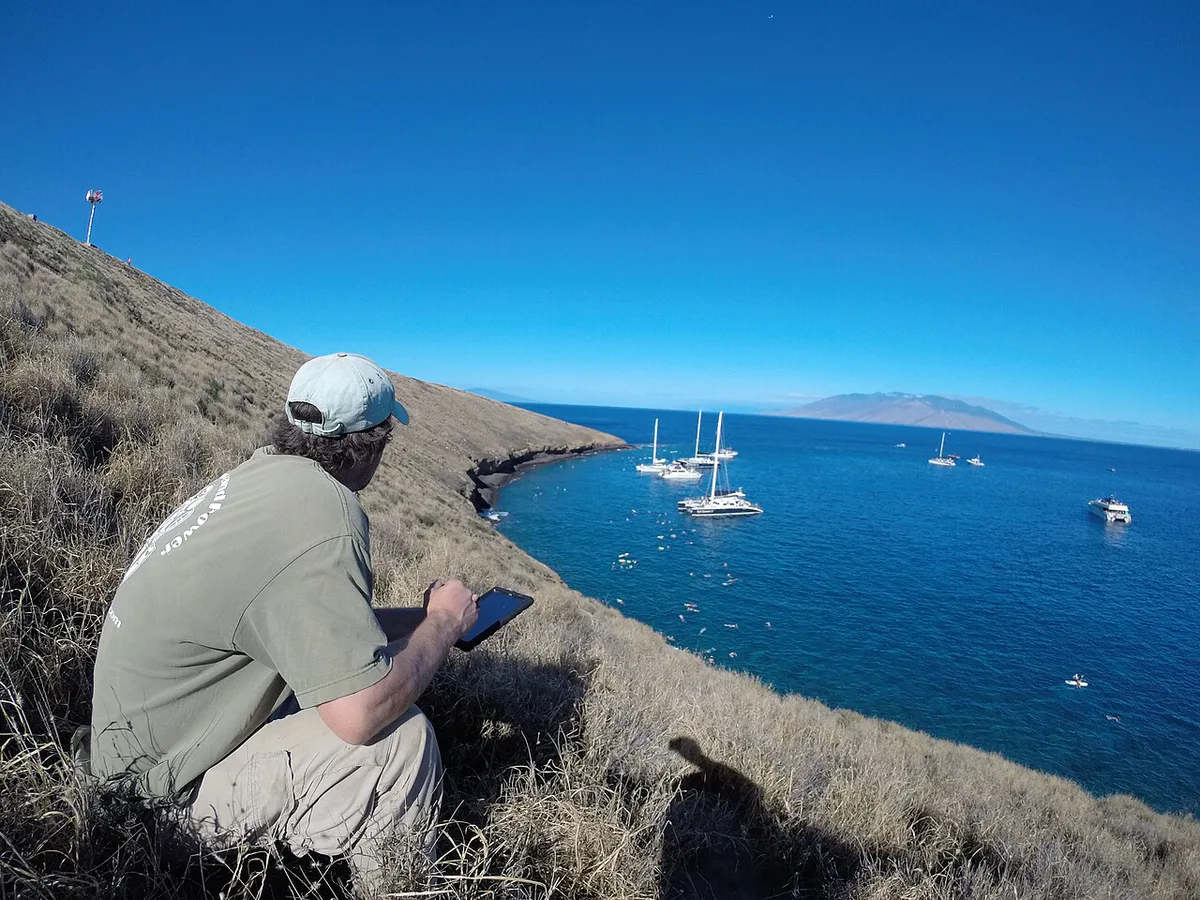
Molokini is a crescent-shaped, partially submerged volcanic crater about three miles off Maui's south shore. Hawaii protects it as a Marine Life Conservation District, so boats tie up to a mooring buoy and snorkelers enter directly from the boat deck. There is no beach and no shallow wading zone inside the crater. Water clarity is often extremely good, and the bottom drops well below where a small child could ever stand. That combination makes the trip a strong fit for confident young swimmers, a manageable option for cautious swimmers wearing flotation gear, and a poor fit for toddlers or true non-swimmers who need solid footing. Before locking in dates, it helps to see how this trip fits the rest of a Maui itinerary with kids, since an early boat morning changes what the rest of that day can hold.
- Toddlers and non-swimmers: skip the water entry; a ride-along seat still delivers views of the crater and open ocean.
- Ages 4 to 7: manageable with a life vest, foam noodle, or waist belt, plus close adult supervision at all times.
- Ages 8 and up: usually ready for standard mask-and-snorkel gear on a guided reef tour.
- Teens and confident swimmers: good candidates for raft tours or an add-on like SNUBA.
Choosing the Right Boat: Catamaran vs. Raft
Family tours to Molokini run on two very different vessel types. Large catamarans are wide, stable, and built for a full morning on the water, with a restroom, a freshwater shower, shade, and often a water slide; many also serve breakfast and lunch. Small rafts, sometimes called RIBs, are faster and sit lower and closer to the water, with little or no shade and no onboard restroom. Catamarans generally suit younger kids and anxious first-time snorkelers better. Rafts suit older kids and teens who want a faster, bumpier ride, and many raft operators set a minimum age, commonly around 6 to 8 years old, so confirm the exact limit before booking. Operators such as Pacific Whale Foundation, Trilogy Excursions, Pride of Maui, and Malolo all run family-oriented Molokini trips, though fleet size and included amenities vary by company.
| Feature | Large Catamaran | Small Raft (RIB) |
|---|---|---|
| Stability | Steady, wide hull handles swell well | Bounces over chop; faster ride |
| Facilities | Restroom, freshwater shower, shade, sometimes a slide | Minimal; open boat, little to no shade |
| Group size | Larger groups aboard one vessel | Smaller, more intimate groups |
| Best age fit | Toddlers through teens; best for anxious swimmers | Older kids and teens; many set a minimum age around 6 to 8 |
Departure Points: Maalaea Harbor vs. Kihei Boat Ramp
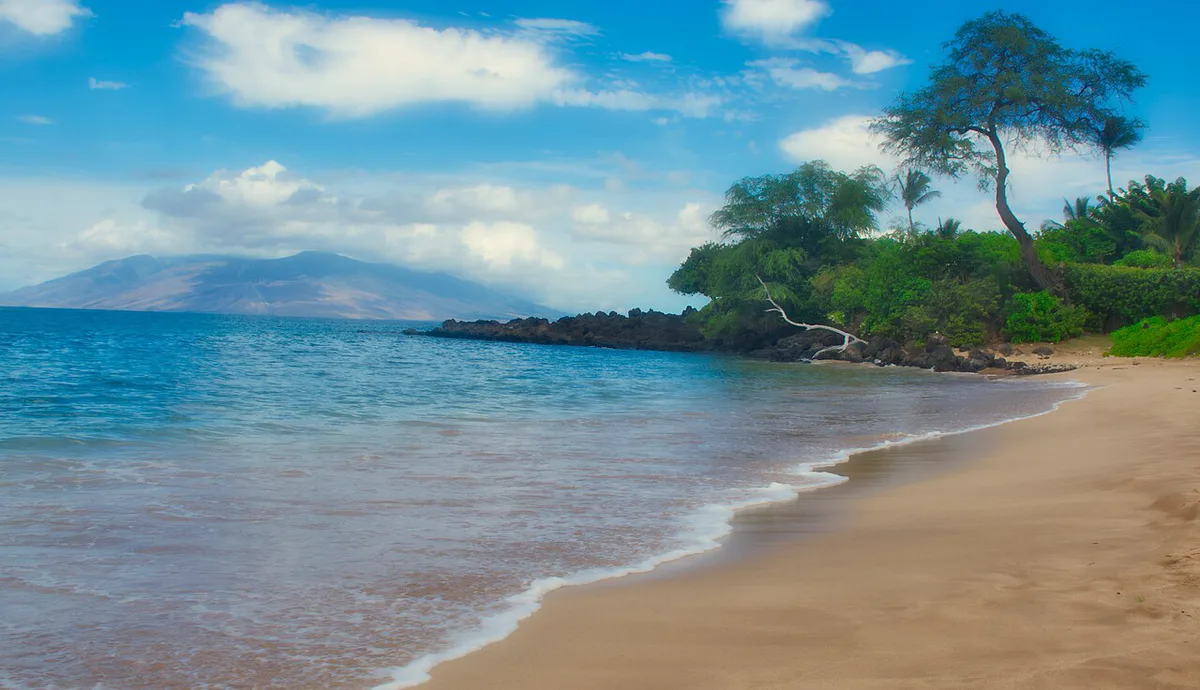
Where a tour departs from changes both the ride length and the wake-up call. Maalaea Harbor is home to most of the large catamarans and typically means an easier, more established parking setup. Kihei Boat Ramp is closer to Molokini, which shortens the crossing but usually means a smaller vessel and an earlier check-in to beat the wind. Trade winds build through Maalaea Harbor's channel most afternoons, so any tour returning later in the day should expect a choppier ride home than the outbound leg.
Maalaea Harbor's large catamarans welcome 4-year-olds with flotation, but Kihei's smaller rafts often set a 6-to-8 minimum age—so a 4- or 5-year-old cannot depart from the closer, faster Kihei location.
- Maalaea Harbor: about 45 to 60 minutes each way to Molokini; the widest choice of large catamarans; easier, more established parking.
- Kihei Boat Ramp: about 15 to 20 minutes each way; mostly smaller rafts and mid-size boats; usually an earlier check-in to beat the wind.
Essential Safety and Comfort Features for Families
A handful of features separate a stressful Molokini morning from a manageable one, especially for kids who are new to open-water snorkeling.
- Look boxes: hard-bottomed glass viewers that let non-swimming kids watch the reef from the surface without putting a face in the water.
- Flotation aids: life vests, foam noodles, and waist belts sized for kids, usually included with gear rental.
- Crew swimmers or onboard lifeguards: family-oriented tours often station a crew member in the water near young or nervous snorkelers.
- SNUBA: a hose-fed, mask-and-regulator alternative to plain snorkeling, sometimes offered as a paid add-on for older kids who want to go deeper.
What to Expect: A Typical Molokini Itinerary
Expect an early check-in, commonly between 6:00 and 7:00 a.m., timed to reach Molokini while trade winds and water conditions are still calm. After roughly an hour of snorkeling inside the crater, many family tours reposition to a second stop along Maui's coastline, often nicknamed Turtle Town for its resident Hawaiian green sea turtles. That second stop depends on conditions on the day, so treat it as likely rather than guaranteed. Because check-in is early and the day runs half-day length, a same-day Road to Hana day trip is not realistic; plan that drive for a different day on the trip.
- Hawaiian green sea turtles: common at the Turtle Town stop, less common inside Molokini crater itself.
- Tropical reef fish: expected at both stops in the crater's clear water.
- Humpback whales: possible only in whale season, roughly December through April; sightings are never guaranteed.
Costs and Booking Logistics
Operators price Molokini trips per person, and nearly every boat charges a lower fare for kids than for adults. Exact figures vary by operator, season, and included extras, so check the current 2026 rate directly on the boat's own booking page before committing. As a general anchor, a half-day snorkel-only morning trip costs less than a combo tour that adds a whale-watching leg, an open bar, or a sunset dinner sail. Because plans with young kids change quickly, weigh an operator's cancellation flexibility as heavily as its fare.
- Snorkel gear rental: mask, snorkel, and fins, usually sized for kids on request.
- Reef-safe sunscreen: many boats provide or require it, in line with Hawaii's ban on sunscreens containing oxybenzone and octinoxate.
- Meals: continental breakfast and a deli-style lunch on most half-day catamaran trips; smaller rafts may skip meal service entirely.
- Cancellation policy: confirm the refund window before booking, since weather calls and sick kids both happen.
Mistakes to Avoid When Snorkeling Molokini With Kids
A few avoidable choices cause most of the family complaints about this trip.
- Booking an afternoon departure: trade winds build through the day, so afternoon trips see choppier water and lower visibility than early-morning ones.
- Skipping motion-sickness prevention: the crossing can run 45 to 60 minutes each way from Maalaea; treat kids prone to seasickness before boarding, not after symptoms start.
- Putting a toddler on a small raft: RIBs have no shade, no restroom, and a bouncier ride, a poor match for a napping toddler or non-swimmer.
- Assuming every trip stops at Turtle Town: the second stop depends on conditions, so confirm with the operator rather than promising kids a turtle sighting.
Alternatives to Molokini for Families
Kids who aren't ready for open-ocean boat snorkeling still have options on Maui. Shore snorkeling spots let families wade in gradually, skip the boat ride entirely, and turn back the moment a child is done. Pair a shore snorkel day with a look at Maui's kid-friendly beaches to find calm, shallow entry points suited to first-timers. For an evening plan on the same day as an early boat trip, consider a family luau evening, timed later in the day so tired kids can nap first.
Afternoon departures turn rougher and murky because trade winds build all day, and early boats require a 6:00-7:00 a.m. check-in—so if your family can't handle those constraints, shore snorkeling lets you skip the boat entirely.
Shore Snorkeling Alternatives for Kids Not Ready for Molokini
If Molokini feels too ambitious, choose a shore snorkel morning first. Shore entries let kids stand up, reset their mask, and leave the water without waiting for a boat schedule. Go early, before wind and shore break build, and keep children near the edges of the reef rather than over shallow coral.
- Kapalua Bay: protected crescent beach with a sandy entry, reef along both ends, restrooms, and limited parking.
- Ulua Beach and Mokapu Beach: Wailea beaches with showers, restrooms, and reef near the rocky point between the two beaches.
- Napili Bay: gentle sandy entry on calm mornings, with the easiest snorkeling usually near the rocky sides.
For true beginners, practice breathing through the snorkel in knee-deep water first. Skip any beach if lifeguards, posted signs, or visible surf suggest rough conditions.
For trip-planning details, see Molokini on Wikipedia and Go Hawaii official tourism site.
Frequently Asked Questions
What age can kids start Molokini snorkeling?
Large catamaran tours generally welcome young kids with a parent and flotation aid, while small raft tours often set a minimum age around 6 to 8. Confirm the specific limit with the operator before booking.
Is Molokini snorkeling safe for non-swimmers?
Non-swimming kids can still join using a life vest and a look box, a glass-bottomed viewer that shows the reef from the surface. Crew members typically stay close to young or nervous snorkelers.
How long is the boat ride to Molokini?
From Maalaea Harbor the crossing runs about 45 to 60 minutes each way. From Kihei Boat Ramp it is closer to 15 to 20 minutes, though Kihei departures mostly use smaller boats.
What's the best time of year to see whales while snorkeling at Molokini?
Humpback whales are possible roughly December through April, Maui's whale season. Sightings are seasonal and never guaranteed on any single trip.
Do Molokini tours provide snorkel gear for kids?
Most operators include mask, snorkel, and fin rental sized for children, along with flotation aids like vests, noodles, or waist belts.
Free guide: Stress-Free Flying with Kids
The pre-flight checklist, carry-on packing list, and in-flight survival plan we use on every family trip — from toddlers to teens.
You might also like


Continue reading
More guides you'll find useful


