

Kennedy Space Center With Kids: The Ultimate 2026 Family Guide
Planning Kennedy Space Center with kids? Get age-by-age exhibit picks, bus tour tips, and a 2026 one-day itinerary that avoids meltdowns.
On this page
Kennedy Space Center With Kids: A Parent's Guide to a Stress-Free Mission
Last updated July 2026, this guide covers everything you need for visiting Kennedy Space Center with kids, from stroller rules to bus tour timing. The visitor complex sits about an hour east of Orlando on SR 528, making it a common day-trip pairing with the theme parks. Below, you'll find an age-by-age breakdown of the Rocket Garden, Planet Play, and the bus tour, plus a strategic itinerary to avoid meltdowns.
Free guide: Stress-Free Flying with Kids
The pre-flight checklist, carry-on packing list, and in-flight survival plan we use on every family trip — from toddlers to teens.
Kennedy Space Center With Kids: Is It Worth the Drive?
Kennedy Space Center trades theme-park thrills for a hands-on look at the real space program. The visitor complex leans educational, but Space Shuttle Atlantis and the bus tour still deliver genuine wow moments for every age group, from toddlers to teens. Families weighing it against a closer science museum should know the scale here is different. Expect a full day, not a quick afternoon stop, since the grounds span multiple large buildings connected by tram routes. For a shorter, in-town alternative on a rainy or low-energy day, compare it with the Orlando Science Center. Tweens and teens tend to gravitate toward the shuttle launch simulators and the deep-space displays, so if older kids are along, pair the trip with ideas from planning Orlando with teens. Younger kids respond best to hands-on, physical exhibits rather than long placards of text, which is exactly what the age breakdown below maps out.
| Age Group | Best Attraction | Challenge |
|---|---|---|
| Toddlers (0-3) | Planet Play and the splash pad | Long bus ride and walking distance |
| Young kids (4-8) | Atlantis slide and moon rock | Educational films can run long |
| Tweens/teens (9+) | Shuttle launch simulators | Crowds around the simulators |
How Long Do You Need: Half Day, Full Day, or Two Days?
Kennedy Space Center publishes itinerary guidance for three visit lengths: a half day, a full day, and two full days. A half day suits families squeezing KSC between other Orlando plans, focused mainly on Space Shuttle Atlantis. A full day is the standard recommendation for families with kids under 10, and it is the pace this guide follows. Two days works for space-obsessed families who want a second, slower pass through Gateway. Most families with young kids do best sticking to the standard one-day format below rather than attempting two days back to back, since young kids tire before space enthusiasm does.
Getting There: Drive Time, Hours, and Tickets
Kennedy Space Center sits about 45 to 60 minutes east of Orlando via SR 528, on Merritt Island. As of 2026, the visitor complex publishes standard hours of 9 AM to 6 PM. Hours can shift seasonally around holidays and launch schedules, so confirm the day-of schedule before you leave home. Plan to clear the entrance gate a little before opening if you want a head start on the bus tour line, since that line grows fast once doors open. Ticket pricing scales by age, which matters if you are running an Orlando trip on a budget. Below is the age breakdown to plan around.
- Ages 2 and under: free entry
- Ages 3 to 11: child ticket rate
- Ages 12 and up: adult ticket rate
- Double-wide strollers: available to rent on arrival
Heroes and Legends: Setting the Stage
Many full-day itineraries start at Heroes and Legends, featuring the U.S. Astronaut Hall of Fame. The exhibit tells first-hand stories from the astronauts who flew the earliest, riskiest missions. For kids, it works as an introduction before the bigger, louder exhibits later in the day. For parents, it frames just how much of NASA's history the rest of the visit covers, from the early space race to the shuttle era and now deep space. Ten or fifteen minutes here is usually enough for younger kids before moving on to the bus tour or Atlantis.
The Sanity Saver: Planet Play
Planet Play is the fully indoor, climate-controlled answer to Florida heat. Designed for ages 2 to 12, it stacks climbing structures, wormhole tunnels, and slides across multiple levels. A second-floor lounge serves coffee, wine, and beer, so parents can rest while watching kids play below. A re-entry slide connects Planet Play to the first floor of Space Shuttle Atlantis, letting kids feel a version of a real shuttle landing on the way down. A nursing room is located near the lounge for parents traveling with infants. Because it is fully enclosed and air-conditioned, Planet Play also works as the midday reset that keeps a Florida afternoon from turning into a meltdown.
Space Shuttle Atlantis: The Hero Attraction
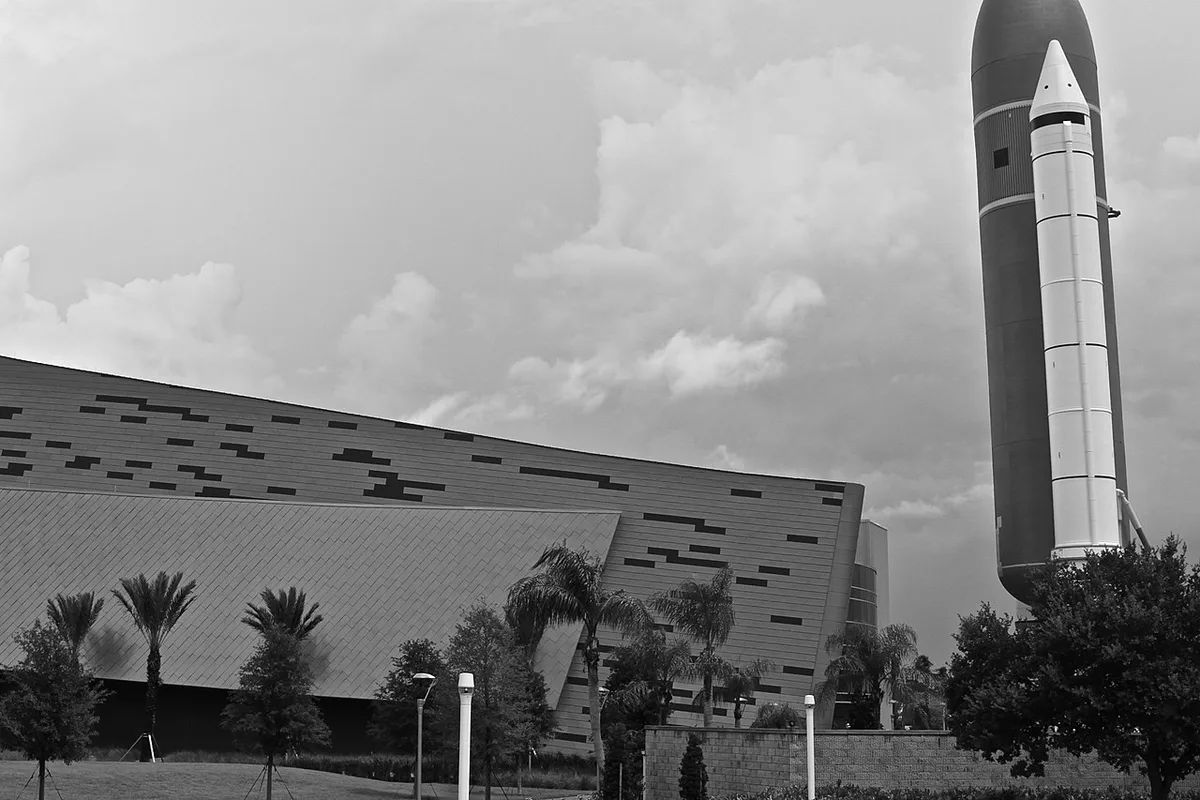
Space Shuttle Atlantis displays the actual orbiter, positioned nose-to-nose with visitors as they enter the main hall. The building opens with a cinematic launch sequence that can run loud for sensitive kids, so consider hanging back near an exit if that is a concern. Inside, more than 60 interactive simulators let kids test shuttle landings, robotic arm controls, and docking maneuvers. One popular exhibit answers the question every kid asks: how do astronauts use the bathroom in space? A nursing room sits on the top floor, near the elevator. A quiet room is also available inside the building for sensory breaks, which most other Orlando attractions do not offer at all.
Quiet Rooms and Sensory Planning
Kennedy Space Center designates quiet rooms in three locations: Space Shuttle Atlantis, The Gantry at LC-39, and the Apollo/Saturn V Center. A crew member can direct you to the nearest one if a child needs a break from crowds or noise. The visitor complex also publishes a sensory guide for families planning around sensitivities, worth reviewing before a visit with a child who struggles with loud sound effects like the Atlantis launch sequence. Building this option into the day, rather than treating it as a last resort, keeps the schedule flexible if someone needs a reset.
Space Shuttle Atlantis's cinematic launch sequence runs loud—a potential challenge for sensitive kids. The complex provides sensory guides and three quiet-room locations to proactively incorporate, ensuring all visitors can experience launch pads and shuttle hardware comfortably.
Surviving the Kennedy Space Center Bus Tour
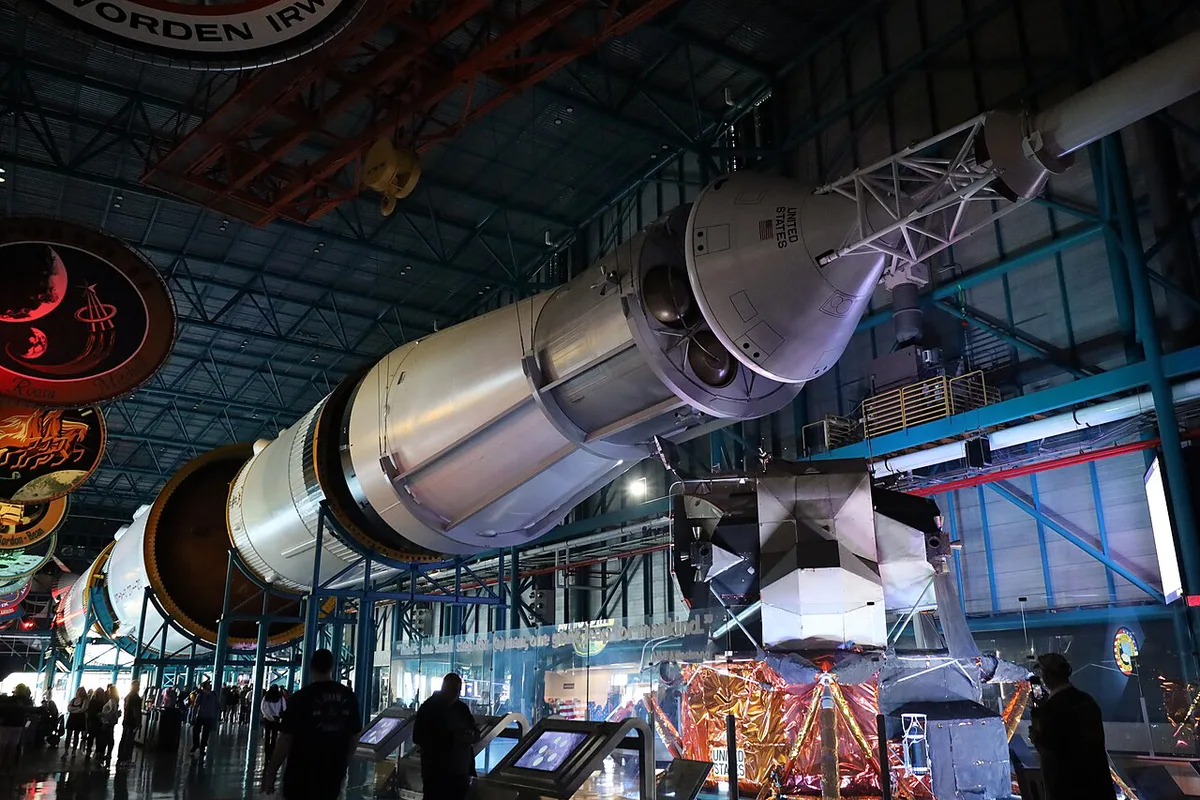
The bus tour is the biggest time commitment of the day. Budget about 4 hours round trip, factoring in stop time as well as the drive itself. It makes two stops: The Gantry at LC-39 and the Apollo/Saturn V Center. Food and restrooms are available at both, so it is possible to treat the tour as a self-contained mini-outing. Large strollers are not allowed on the bus. The visitor complex loans strollers at the Apollo/Saturn V Center, so you can swap yours there rather than carry a toddler the whole way. The Apollo/Saturn V Center is the highlight for most families, home to a real moon rock kids can touch. One scheduling trap catches many families off guard. The bus tour often stops running earlier than the rest of the park. Check the daily schedule as soon as you arrive, and aim to board one of the first departures of the morning.
- Round trip time: about 4 hours
- Stops: The Gantry at LC-39, Apollo/Saturn V Center
- Strollers: not allowed on the bus; swap at the Apollo/Saturn V Center
- Highlight: a touchable moon rock at the Apollo/Saturn V Center
Gateway: The Deep Space Launch Complex
Gateway: The Deep Space Launch Complex focuses on what comes next in space exploration, beyond the shuttle era covered elsewhere in the complex. The Spaceport KSC motion theater is the centerpiece, so verify current height requirements at the gate before promising kids a ride. Displays include spacecraft hardware that has actually traveled beyond Earth, alongside models of future deep-space vehicles. Kids can also get close to SpaceX Falcon 9 boosters, a sight few other Orlando attractions can match. Because Gateway is largely indoors, it pairs well with Atlantis as a midday cool-down block on a hot day.
A Strategic One-Day Itinerary for Families
A single day at Kennedy Space Center works best with a set order of operations. Start with the bus tour before crowds build and the heat peaks, ideally boarding one of the first departures. Move into air-conditioned exhibits, like Atlantis and Gateway, during the hottest midday hours. Save Planet Play for the afternoon, so kids burn off energy right before the drive back to Orlando. If you are back in Orlando by early evening, there is still time for a family evening at Disney Springs or an evening at ICON Park.
- Morning: ride the bus tour early, covering The Gantry at LC-39 and the Apollo/Saturn V Center
- Midday: cool off inside Space Shuttle Atlantis and Gateway: The Deep Space Launch Complex
- Afternoon: let kids loose in Planet Play before the drive back to Orlando
Pro Tips for Parents
A few details separate a smooth Kennedy Space Center day from a stressful one. Outside snacks and beverages are welcome, which is rare among Florida attractions that typically restrict outside food. Download the official Kennedy Space Center app before arrival for real-time show times and tour schedules, since posted schedules can shift through the day. Check the rocket launch calendar too. A scheduled launch reshapes crowds, parking, and viewing logistics for the entire day, and it can also add an unplanned highlight to the visit if timing works out.
Sequence air-conditioned exhibits—Atlantis and Gateway—during midday heat, save Planet Play for afternoon energy release, and time indoor meals as breaks. This thermal pacing maximizes both education and comfort across the complex.
Wildlife, Weather, and Backup Plans
Kennedy Space Center sits inside the wildlife refuge that surrounds Merritt Island, so alligators and wading birds are part of the scenery between exhibits. Families craving more animal encounters afterward can pair the day with an alligator park visit. Florida weather can turn fast, and much of the bus tour route runs outdoors between stops. If the forecast looks rough, keep an indoor Orlando backup plan ready, and lean on the indoor blocks, Atlantis, Gateway, and Planet Play, if a storm rolls through mid-visit.
Mistakes to Avoid at Kennedy Space Center
A few repeat mistakes turn a good day into a rough one, especially with a toddler along for the ride.
- Trying to cover the entire complex in one day with a toddler in tow
- Forgetting that large strollers are banned from the bus tour
- Missing the last bus tour departure, which runs earlier than general park closing
- Skipping the app, then missing a same-day show or tour time change
- Ignoring the rocket launch calendar, then getting caught in unexpected crowds or closures
Kennedy Space Center as a Break From Disney and Universal
Many Orlando families schedule Kennedy Space Center partway through a longer trip, as a change of pace from theme-park lines. The day trades queues for open-air launch pads and real flown hardware, plus a different kind of energy overall. It works well as a rest day between a Universal Orlando visit and Disney World With Toddlers: 2026 Planning and Survival Guide, since the pace and noise level differ from both parks. For the rest of the week, check the full Orlando itinerary to see where a day trip like this fits best.
Food, Coolers, and Kid-Friendly Meals
Food planning matters because Kennedy Space Center is a long day with limited easy exits. Families can bring small soft-sided coolers, food, and drinks, but glass bottles are not allowed. Pack refillable water bottles, simple snacks, and a lunch backup for picky eaters.
For bought meals, Orbit Cafe is the main quick-service stop near the central visitor complex. It is the easiest option before or after Space Shuttle Atlantis, Planet Play, or Gateway. At the Apollo/Saturn V Center, Moon Rock Cafe is useful during the bus tour, so you do not need to rush back hungry.
- Pack snacks before the bus tour, since it can take several hours.
- Use indoor meals as a heat break during the middle of the day.
- Keep a toddler snack separate from the cooler for lines and waits.
For trip-planning details, see Kennedy Space Center Visitor Complex and NASA Kennedy Space Center.
Frequently Asked Questions
How much time should I plan for Kennedy Space Center with kids?
Budget a full day. The bus tour alone runs about 4 hours round trip, and Space Shuttle Atlantis, Gateway, and Planet Play each deserve an hour or more.
Is Kennedy Space Center stroller-friendly for toddlers?
Yes, with one exception. Double-wide strollers are available to rent on arrival, but large strollers are not allowed on the bus tour. The visitor complex loans strollers at the Apollo/Saturn V Center so you can swap there.
What is the best age for Kennedy Space Center?
There is no single best age. Toddlers do best at Planet Play, kids 4 to 8 respond to the Atlantis slide and moon rock, and tweens and teens gravitate toward the shuttle launch simulators.
Can you bring food into Kennedy Space Center?
Yes. Outside snacks and beverages are welcome, which is unusual among Florida attractions that typically restrict outside food.
Do rocket launches affect a Kennedy Space Center visit with kids?
They can. A scheduled launch changes parking, crowd levels, and viewing logistics for the whole day, so check the launch calendar and the official app before you plan your visit.
Does Kennedy Space Center get crowded?
Crowds build fastest around the bus tour and Space Shuttle Atlantis from mid-morning through early afternoon. Arriving near opening and riding the bus tour first avoids the longest waits.
Free guide: Stress-Free Flying with Kids
The pre-flight checklist, carry-on packing list, and in-flight survival plan we use on every family trip — from toddlers to teens.
You might also like


Continue reading
More guides you'll find useful


