Hong Kong Science Museum and Space Museum With Kids: 2026 Guide
A 2026 guide to the Hong Kong Science Museum and Space Museum with kids: hours, Wednesday free entry, tickets, and a full one-day itinerary.
On this page
Hong Kong Science Museum and Space Museum With Kids: A 2026 Family Guide
Last updated July 2026, the Hong Kong Science Museum and Space Museum with kids remain Tsim Sha Tsui's top rainy-day pairing, just a 10-minute walk apart. Expect four to six hours total if you visit both, with the Energy Machine's rolling-ball run and a planetarium show as the must-see anchors. This guide covers tickets, age-appropriate galleries, and a full one-day itinerary for a broader Hong Kong family trip.
Free guide: Stress-Free Flying with Kids
The pre-flight checklist, carry-on packing list, and in-flight survival plan we use on every family trip — from toddlers to teens.
Planning Your Visit: Location, Tickets, and Opening Hours
Both museums sit in Tsim Sha Tsui, near the Star Ferry harbourfront. The Hong Kong Science Museum and the Hong Kong Space Museum sit in separate buildings, about a 10-minute walk apart. Pace the day accordingly instead of rushing between exhibits. Getting there is straightforward. Both the Tsim Sha Tsui and East Tsim Sha Tsui MTR stations serve this end of the district, so check which one lines up with your starting point. A taxi is worth the fare if travelling with a stroller and a full day's worth of gear. Ticketing works differently at each museum. Standard admission gets you into the permanent exhibition galleries at either venue. A combined Museum Pass covers repeat entry to both museums within a set validity window, useful if the trip spans more than one day. Space Museum shows in the Stanley Ho Space Theatre, including the planetarium Sky Show, are ticketed separately from general admission, so budget extra time to queue or book online first. Bring printed or downloaded tickets if planning to skip the queue, since box office lines can build quickly on free-admission Wednesdays. Wednesday is free-admission day for the permanent exhibition galleries at both museums, a detail worth building into a Hong Kong family budget plan. Special exhibitions and Space Theatre shows still charge full price on Wednesdays. Expect the busiest galleries of the week, especially late morning once school groups arrive. If a quieter visit matters more than saving on admission, pick a different weekday.
Wednesday offers free permanent gallery admission but draws the heaviest crowds, especially late morning. Weekday afternoons are quietest after school groups depart, providing calm space to explore slowly-paced, button-and-dial interactive exhibits without the morning rush.
- Hong Kong Science Museum hours: closed Thursdays (open on public holidays that fall on a Thursday).
- Hong Kong Space Museum hours: closed Tuesdays (open on public holidays that fall on a Tuesday).
- Wednesdays: free admission to permanent exhibition galleries at both museums; special exhibitions and Space Theatre shows still cost extra.
- Stanley Ho Space Theatre shows: book separately, either at the box office same day or online in advance.
- Museum Pass: one combined ticket for repeat visits to both museums within its validity window.
Hong Kong Science Museum: Interactive Highlights for Active Kids
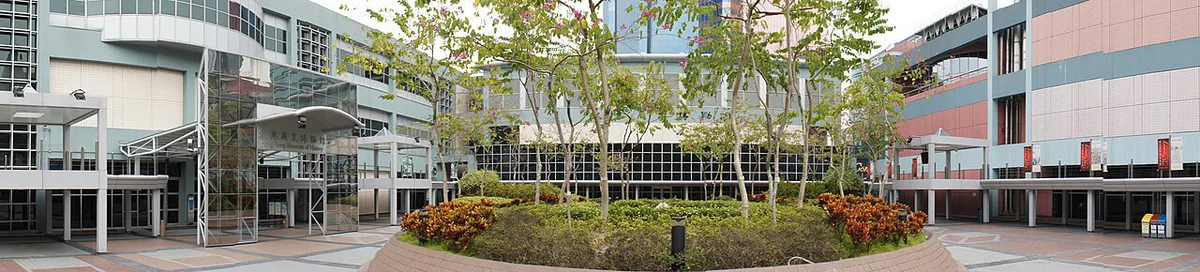
The Energy Machine dominates the atrium. It's a 22-metre twin-tower kinetic sculpture that runs through all four storeys of the museum, sending steel balls climbing, dropping, and looping on a timed cycle. Time a viewing near the top of the hour, when the machine runs its full sequence. It's also the best photo opportunity in the building, especially when balls are mid-drop between towers. Weekday mornings before school groups arrive tend to be the calmest time to see the Energy Machine without a crowd around the base. The Children's Gallery is built for toddlers and preschoolers, with rolling-ball physics displays sized for small hands. It pairs well with a wider toddler-friendly Hong Kong guide, since the gallery is one of the few indoor spaces in the city designed specifically for under-fives. A dinosaur skeleton hall has anchored the gallery in recent years, though blockbuster displays rotate. Confirm the current lineup on the museum's website before visiting, especially if a specific exhibit is the reason for the trip. High-energy kids who need to move do well here, with multiple floors of hands-on halls covering light, sound, and simple machines. The museum has been mid-renovation as part of an ongoing expansion, and individual wings close on a rotating basis. Signage near the entrance usually flags which sections are temporarily closed for the day. Check the gallery map at the entrance on arrival, since the layout can shift from one visit to the next. On a rainy day, the museum works as a substitute for a trip to Hong Kong Disneyland, without the queues or the outdoor weather risk. The Science Museum tends to be louder and busier than the Space Museum, which suits high-energy toddlers and grade-schoolers who want to touch, push, and climb rather than sit still. If a nap or quiet time is part of the day's plan, schedule it before or after the Science Museum, since atrium noise from the Energy Machine carries across several floors.
Hong Kong Space Museum: Immersive Highlights for Curious Minds
The Hong Kong Space Museum is easy to spot on the waterfront. Its dome-shaped 'egg' building has anchored the Tsim Sha Tsui skyline for decades. It photographs especially well after dark, when the dome is lit against the harbour, worth a slow walk past even on a day without a museum visit. The exterior plaza in front of the dome also works as a quick rest stop between the two museums, with benches and shade. Inside, the Hall of the Cosmos and the Hall of Space Exploration cover astronomy and spaceflight through interactive exhibits. Highlights include gravity simulators and a mock rocket launch console that older kids can operate themselves. Both halls reward slower exploration, since most exhibits involve pressing buttons, turning dials, or watching a short sequence play out. The Stanley Ho Space Theatre runs the planetarium Sky Show and Omnimax-style films on a domed screen. English-language narration is available on headsets at some sessions. Ask at the counter when booking, since not every showtime carries it. Book the show first if the visit is planned for a weekend or a Wednesday, when timed sessions sell out earlier in the day. Arrive with time to spare before a showtime, since latecomers may not be admitted once the theatre doors close for the show. Strollers are usually left outside the theatre itself, since the domed seating is stepped and dark once a show starts. Staff can point out the nearest park-up spot when tickets are collected. Older kids and teens who can sit through a full show get more from the theatre. Toddlers may find the dark, loud format overwhelming, so consider sticking to the interactive halls with very young children and treating the Sky Show as optional.
Hong Kong Science Museum and Space Museum in One Day With Kids
Pair the two museums into one indoor day when Hong Kong's heat, humidity, or rain rules out an outdoor plan. Start at the Science Museum, when energy is highest, then finish at the quieter, darker Space Museum in the afternoon. Budget four to six hours total if the day covers both museums plus a lunch break in between. Reverse the order if the group includes toddlers who nap after lunch. Start at the Space Museum for a calmer morning, then finish at the Science Museum once energy is back up. Either order works, so build the schedule around the group's energy levels rather than a fixed rule.
Factor the 10-minute walk between buildings into the four-to-six-hour total budget. A compact, foldable stroller works best for the inter-museum walk and both museums' gallery access via elevators. Arrive at the Space Theatre early to arrange stroller parking outside, since dark, stepped seating makes it inaccessible to wheeled gear.
- Morning: start at the Hong Kong Science Museum, when kids have the most energy. See the Energy Machine in motion, then let younger kids loose in the Children's Gallery.
- Lunch: family-friendly eats in TST East or at K11 Musea, both a short walk from the museums.
- Afternoon: move to the Hong Kong Space Museum. Book the Stanley Ho Space Theatre show first, then browse the Hall of the Cosmos and Hall of Space Exploration while you wait.
- Evening (optional): walk the harbourfront, or save energy for a bigger day out that adds the Peak Tram and Victoria Peak.
Practical Tips for Parents: Strollers, Crowds, and Layers
Both museums have elevators near the main entrance, plus stroller park-up zones close to the ticket counters. Neither building requires carrying a stroller up stairs to reach the main galleries. Weekday mornings often bring school groups on organized visits, so afternoons tend to be calmer. Wednesdays draw the heaviest crowds of the week, especially once the free-admission rush arrives late morning. Weekend afternoons sit somewhere in between, busier than a weekday but not as packed as a free Wednesday. Public holidays bring both crowds and closures out of their normal pattern, so check each museum's calendar before a holiday visit. Hong Kong's museum air conditioning runs cold, even in summer, so pack a light jacket or an extra layer for kids. Exhibits inside both museums are almost entirely indoors, so a rain jacket for the walk between buildings covers the rest of the day. Food and drink are generally restricted inside the exhibition galleries at both museums, so finish snacks before heading in. A quick stop at a café near either museum can substitute for a full lunch if time is tight. Lockers or a bag-check counter are available near the entrance for bulkier bags, strollers that don't fold, or shopping picked up earlier in the day.
- Light layer or jacket, since air conditioning runs cold year-round.
- A compact, foldable stroller, easiest to manage in busier galleries.
- Snacks and water, since exhibits fill both buildings rather than restaurants.
- Cash or a card for lockers and ticket counters.
Nearby Family Attractions in Tsim Sha Tsui
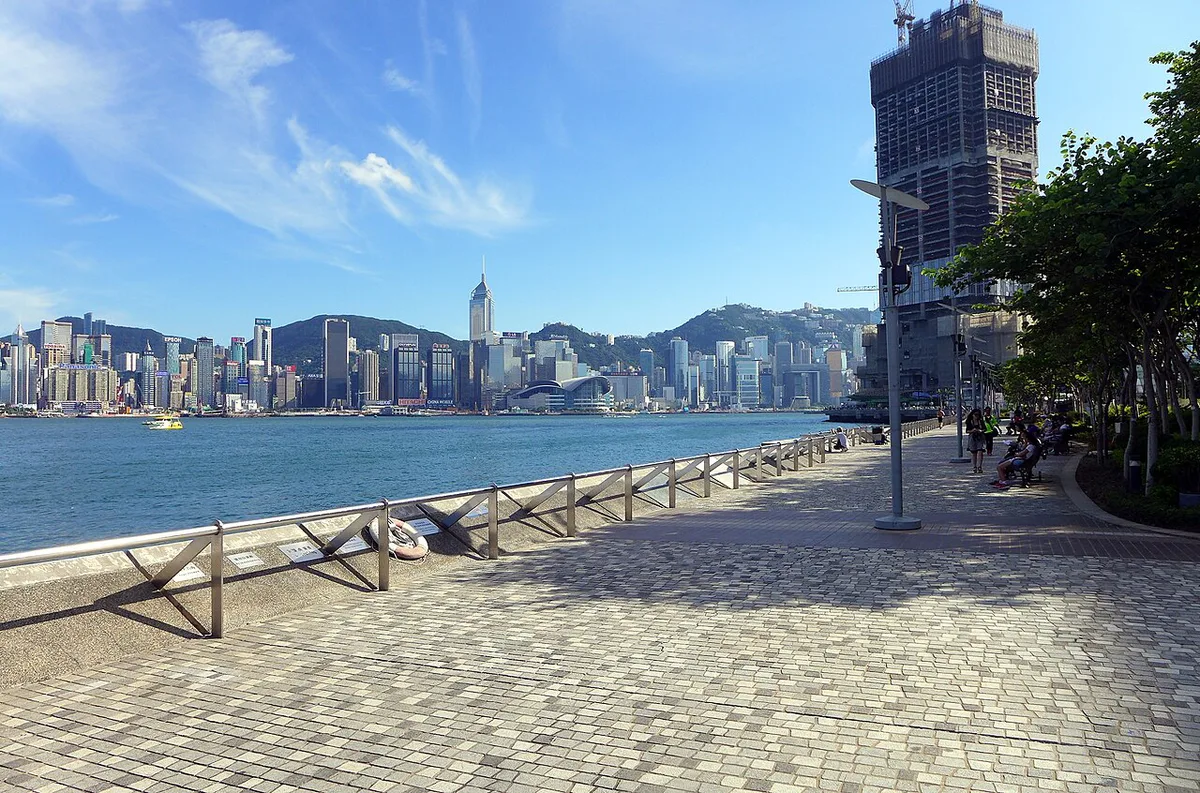
Both museums sit near the Avenue of Stars and the Star Ferry pier, an easy add-on before or after museum time. The harbourfront promenade is stroller-friendly and flat, a good way to burn off remaining energy after a few hours indoors. Many families split the two museums across a single day and save the harbourfront walk for early evening, when the temperature drops and the Space Museum's dome lights up. K11 Musea and nearby malls add air-conditioned breaks, nursing rooms, and food courts if the group needs a pause before tackling a second attraction. Treat the two museums as one stop in a broader Kowloon day, not the whole day itself. For a full day beyond Tsim Sha Tsui, consider one of these family day trips:
- Ocean Park: animals, rides, and a cable car.
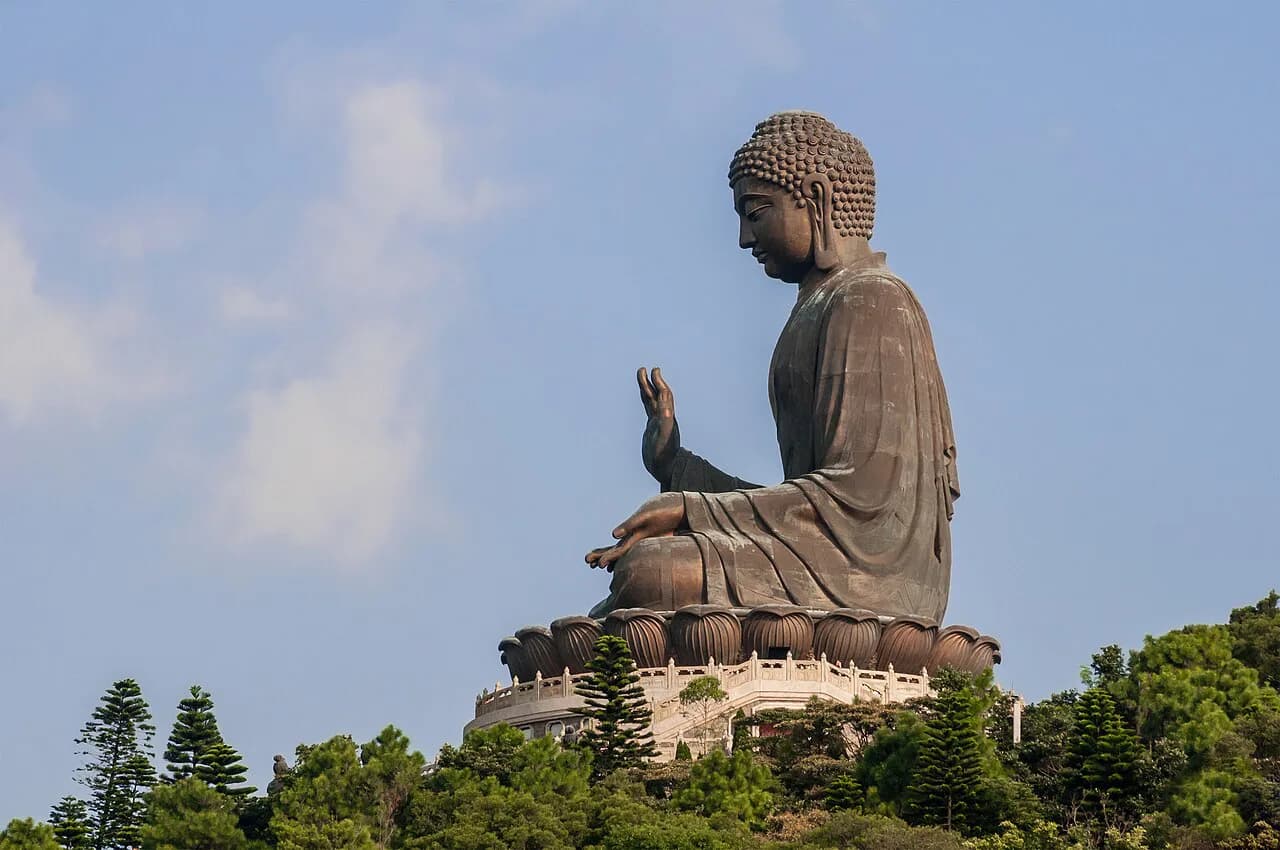
- Ngong Ping and Big Buddha: a cable car ride and hilltop monastery on Lantau Island.
- Stanley and Repulse Bay: beach time and a market, further from Tsim Sha Tsui.
- Cheung Chau day trip: a car-free outlying island reached by ferry.
Where to Eat Between the Two Museums
Plan lunch outside the galleries, because food and drink are not part of the museum experience. The easiest break is in Tsim Sha Tsui East after the Science Museum, before walking toward the Space Museum.
K11 MUSEA works well for families because it sits close to the harbour route between the museums. It has multiple casual dining options, toilets, baby-care facilities, and air conditioning. Tsim Sha Tsui Centre and Empire Centre are also practical choices near the Science Museum side, especially if you want a quicker meal before the afternoon show.
- For the shortest pause, eat near Science Museum Road or Mody Road before leaving TST East.
- For a cleaner stroller break, use K11 MUSEA and then continue toward Salisbury Road.
- For more choice, walk west toward Harbour City after the Space Museum, near the Star Ferry pier.
Avoid scheduling a fixed Space Theatre show immediately after lunch. Leave a buffer for toilets, lifts, and the walk across Tsim Sha Tsui with tired kids.
For trip-planning details, see Hong Kong Science Museum official site and Hong Kong Space Museum official site.
Frequently Asked Questions
Is the Hong Kong Science Museum or Space Museum better for a 5-year-old?
Most 5-year-olds respond better to the Hong Kong Science Museum first. The Children's Gallery and the Energy Machine give them something to touch and watch move, and the noise level is closer to a playground than a theatre. The Space Museum works too, especially the interactive halls, but the Stanley Ho Space Theatre's dark, seated format asks more patience than some 5-year-olds have. Try the Science Museum first and treat the Space Theatre as a bonus if energy holds up.
How much time do you need for the Hong Kong Science Museum?
There's no fixed answer, but most families spend roughly half of the four-to-six-hour combined day at the Hong Kong Science Museum alone. Add more time if the Children's Gallery is the main draw and kids want to repeat favorite exhibits.
Are there lockers available for bags?
Yes. Both museums provide lockers or a bag-check counter near the entrance, useful for bulkier bags, non-folding strollers, or shopping picked up earlier in the day. Keep coins or small cash on hand in case a locker requires a deposit.
Can you buy tickets online in advance?
General admission and Stanley Ho Space Theatre tickets can both be booked online ahead of a visit. Doing so is worth it for weekends and Wednesdays, when free admission or timed shows sell out earlier in the day. Buying same-day at the box office works fine midweek outside the free-admission window.
Are the Hong Kong Science Museum and Space Museum within walking distance of each other?
Yes. The two museums sit about a 10-minute walk apart in Tsim Sha Tsui, close enough to cover both in one day without a taxi or MTR ride between them. Factor the walk into the schedule, especially with a stroller or tired legs after a few hours indoors.
What's the best day to avoid crowds at the Hong Kong Science Museum and Space Museum?
Weekday afternoons, outside of Wednesday, tend to be the quietest time at both museums, after school groups have left for the day. Remember the Hong Kong Science Museum closes Thursdays and the Hong Kong Space Museum closes Tuesdays, so double check hours before planning around a specific weekday.
Free guide: Stress-Free Flying with Kids
The pre-flight checklist, carry-on packing list, and in-flight survival plan we use on every family trip — from toddlers to teens.
You might also like


Continue reading
More guides you'll find useful