

Children's Museum of Atlanta: 2026 Guide to Tickets, Zones, and Parking
A 2026 planning guide to the Children's Museum of Atlanta: timed-entry tickets, the six learning zones, parking near Centennial Olympic Park, and nearby stops for kids ages 0-8.
On this page
Children's Museum of Atlanta: A 2026 Family Planning Guide
Last updated July 2026: the children's museum of atlanta occupies a downtown storefront across from Centennial Olympic Park, built specifically for kids ages 0 to 8. Six hands-on zones cover food systems, science, engineering, and world geography, with a dedicated crawler space for the youngest visitors. This guide covers timed-entry tickets, the midday cleaning break, parking trade-offs, and how to pair the museum with nearby Atlanta attractions.
Free guide: Stress-Free Flying with Kids
The pre-flight checklist, carry-on packing list, and in-flight survival plan we use on every family trip — from toddlers to teens.
Children's Museum of Atlanta at a Glance
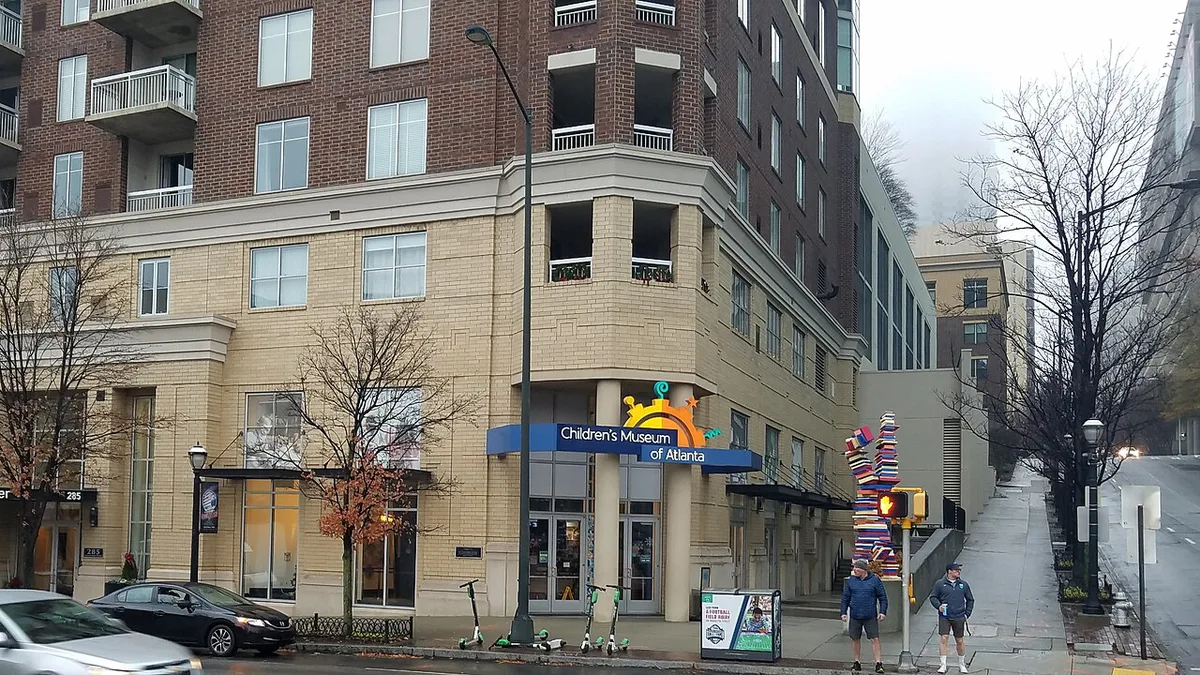
The children's museum of atlanta sits in downtown Atlanta, with its entrance on Luckie Street directly across from Centennial Olympic Park. The museum is built specifically for children ages 0 to 8, using a hands-on, STEAM-focused layout instead of static display cases. Six themed zones fill one open floor, so siblings of different ages can split up and regroup easily. Because every zone is hands-on, expect kids to touch, climb, and rearrange exhibits instead of viewing them behind glass. The museum's format suits caregivers who want unstructured, physical play more than a formal exhibit tour. For a full downtown itinerary that pairs this stop with other family attractions, start with the Atlanta with kids guide.
- Location: entrance on Luckie Street, across from Centennial Olympic Park
- Best for: children ages 0 to 8
- Format: six hands-on, STEAM-focused zones on one open floor
- Typical visit length: about 2 to 3 hours per session
Tickets and Timed-Entry Sessions
Tickets for the children's museum of atlanta are sold online only, tied to a specific timed-entry session. The museum does not sell tickets at the door, so buy before you arrive to avoid a wasted trip. Both sessions are ticketed separately, so a single admission covers only one session, not a full day. Pick whichever session best matches your child's nap and meal schedule before you book. Pricing follows a demand-based model, meaning the per-ticket rate shifts depending on the day and session you pick. Check the official museum site for the current rate before you book, since it can change week to week. Standalone admission is usually the better value if the museum is your only downtown stop that day. Bundling into a multi-attraction pass like Atlanta CityPASS only pays off if you're also visiting several other major sites on the same trip. Confirm current inclusion and pricing on the CityPASS site before assuming this museum is part of it. If you expect to return within the same year, ask on-site or check the official site about a membership option that could lower the per-visit cost.
Session-specific tickets with demand-based pricing make off-peak booking more economical. Sequence the museum first downtown to maintain children's engagement with hands-on play before afternoon fatigue sets in.
- Booking: online only, no in-person ticket sales
- Sessions: two separate windows, morning and afternoon
- Pricing: demand-based, verify the current rate on the official site before booking
- Bundles: confirm current Atlanta CityPASS inclusion before assuming it's covered
Best Time to Visit: Weekdays vs Weekends
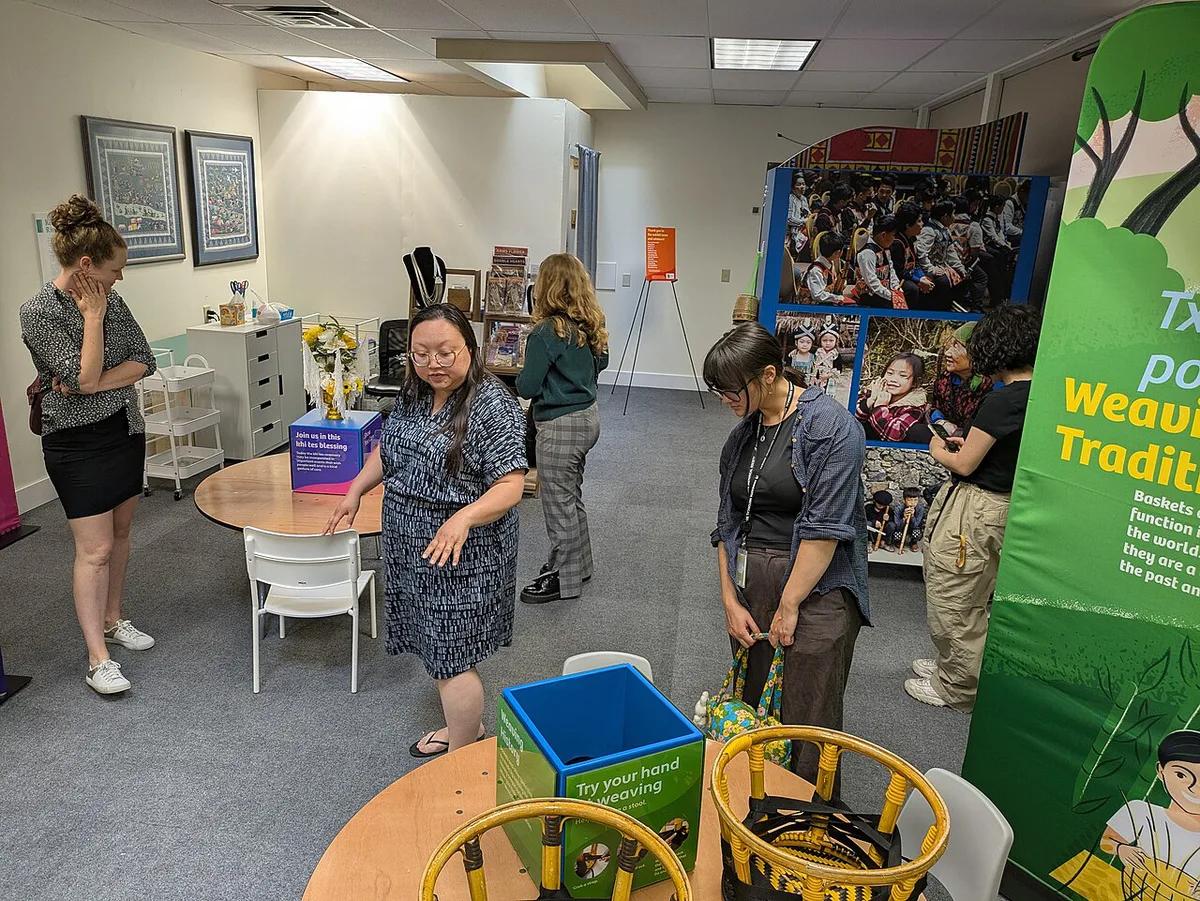
Weekday mornings often bring school field trips, which can crowd younger-focused zones like Leaping into Learning with larger groups. Weekend sessions draw more families working around nap schedules and sports commitments, so lines for popular stations like the ball machine build faster later in the session. If your child is sensitive to noise or crowds, book the first of the two daily sessions, before the floor fills up. Arriving right at opening also gives toddlers a calmer run at the crawler zone before older kids arrive in bigger numbers. Midweek afternoon sessions, after most school groups head out, tend to run calmer than either the first weekday morning or any weekend slot. For a free, low-crowd outdoor break on the same trip, the Atlanta Beltline with Kids: Best Trails, Playgrounds & Pit Stops (2026) works as a change of pace.
Combining a midweek afternoon slot (when school groups depart) with sensory-friendly session times minimizes noise and overcrowding. Build extra time into your schedule around the midday cleaning break to avoid joining a queue at the session boundary.
The Midday Reset: Why the Museum Closes Between Sessions
Between the two daily sessions, the museum closes for a scheduled cleaning break that some families call the reset. Staff sanitize high-touch play stations, including the water table and the ball machine, during this window. Plan your visit around one full session instead of arriving near the changeover. Expect the doors to stay locked during the reset, even if you arrive early for the afternoon session. Build a buffer into your schedule instead of lining up right at the session boundary. Check the official site for the current session start and end times before you plan the rest of the day around it.
Navigating the Six Learning Zones
The museum organizes its floor into six themed zones, each built around a different skill set and age range. A multi-story ball machine contraption sits near the center of the floor and draws repeat visits from kids across every zone. Fundamentally Food, the grocery-store-and-diner play area, tends to hold the most sustained engagement, since kids shop, cook, and serve in a loop that mirrors a farm-to-table cycle. Gateway to the World combines a climbing structure with map and culture displays, giving elementary-age kids a physical challenge alongside the geography lesson. Step Up to Science runs a rotation of lab-style stations where kids run basic hands-on experiments instead of watching a demonstration. Tools for Solutions leans into engineering, with building materials sized for small hands rather than a passive lecture format.
| Zone | Best For | What to Expect |
|---|---|---|
| Fundamentally Food | Ages 3-8 | Grocery store and diner play built around a farm-to-table cycle |
| Gateway to the World | School-age climbers | Climbing structure paired with world geography themes |
| Step Up to Science | Elementary-age | Hands-on lab stations for basic experiments |
| Tools for Solutions | School-age builders | Engineering and construction play |
| Leaping into Learning | Infants and crawlers under 3 | Dedicated soft-play zone set apart from older-kid traffic |
| Feature Exhibit | Varies by rotation | Traveling exhibit space; theme changes periodically |
- Leaping into Learning matters most for parents traveling with infants or crawlers under 3, since it sits apart from elementary-age traffic.
- The Feature Exhibit rotates periodically, so check the current listing on the official site before you visit.
Getting There: MARTA and Parking
The museum sits within reach of two MARTA rail stations, and downtown parking ranges from a premium garage to cheaper surface lots farther out. Both stations connect to Atlanta's broader rail network, useful if you're staying outside downtown and want to skip driving altogether. Check MARTA's route map for the current schedule and fare before you plan a transit trip downtown. The LAZ garage is the closest parking option and offers stroller-friendly access to the entrance. Surface lots run cheaper per hour but sit farther from the entrance, so factor the walk into your session timing.
| Option | Notes |
|---|---|
| Peachtree Center (MARTA) | Rail stop serving the downtown museum block |
| GWCC/CNN Center (MARTA) | Alternate rail stop serving the same downtown block |
| LAZ parking garage | Closest parking option, stroller-friendly access to the entrance |
| Surface lots | Cheaper hourly rate, farther from the entrance |
Downtown Pivot: Pacing a Multi-Attraction Day
Downtown Atlanta packs several major family attractions within a few blocks of each other, including the Georgia Aquarium and World of Coca-Cola. Trying to fit three or four of these into a single day usually backfires with young kids, since each one demands sustained attention and walking. Pick one large attraction and one smaller stop per day instead of stacking the whole downtown core into one visit. Because the children's museum of atlanta runs on fixed sessions, build your day around that session time first. Layer a second activity around it rather than the reverse. Because Centennial Olympic Park, the Georgia Aquarium, and the World of Coca-Cola all sit within the same downtown core, you can often walk between stops instead of moving the car.
Insider Tips: Food, Sensory Considerations, and What to Pack
Outside food generally isn't allowed inside the exhibit halls, aside from designated eating areas or documented medical needs. For lunch, the CNN Center food court sits a short walk from the museum, and picnic space is available at nearby Centennial Olympic Park if the weather cooperates. If your child needs a lower-sensory visit, check the official site for current quiet-hour or sensory-friendly session listings before you book. Bring a stroller if needed, but plan to use stroller parking near the entrance instead of pushing it through the play zones, where floor space is tight. Pack socks for the zones that require them, plus one full change of clothes, since the water table at Fundamentally Food soaks sleeves fast. If you're combining the museum with an outdoor block after, pack layers, since Atlanta summers swing from air-conditioned exhibit halls to humid midday heat outside.
Pairing the Museum with Georgia Aquarium, Zoo Atlanta, and Centennial Olympic Park
Make the children's museum of atlanta the first stop of the day whenever you can. Young kids run out of patience by early afternoon, so front-loading the most hands-on stop protects their energy for whatever comes next. From downtown, it's a short trip to the Georgia Aquarium with Kids: 2026 Parent's Guide & Survival Tips for an afternoon session on the same day. As a rule, pair the museum with one or two other downtown stops rather than three. If you're staying multiple nights, save the aquarium and Zoo Atlanta with Kids: 2026 Family Guide & Pro Tips for separate days instead of stacking three major attractions into one. Families extending their trip beyond downtown can also browse Day Trips from Atlanta with Kids: 8 Family Escapes Under 3 Hours (2026) for a change of pace midweek.
Children's Museum of Atlanta vs Fernbank Museum: Which Fits Your Family
Both museums sit within the broader Atlanta with kids cluster, but they serve different ages and play styles. The children's museum of atlanta leans toward tactile, imaginative play built for kids under 8. The Fernbank Museum with Kids: The Complete 2026 Parent's Guide guide covers a facility built around dinosaur fossils and natural history exhibits, which tends to hold the attention of elementary-age and older kids longer. Budget the same 2 to 3 hour window for either museum, then decide based on which play style matches your child's current stage. If your group spans both age ranges, consider splitting the two museums across separate days instead of combining them into one visit.
| Factor | Children's Museum of Atlanta | Fernbank Museum |
|---|---|---|
| Best age range | 0-8 | Elementary and up |
| Play style | Hands-on, tactile zones | Natural history exhibits, some interactive |
| Standout draw | Fundamentally Food and the Leaping into Learning toddler zone | Dinosaur fossil displays |
| Typical visit length | About 2 to 3 hours | Check current hours before planning a full day |
For trip-planning details, see Children's Museum of Atlanta official site.
Further reading: Atlanta on Wikivoyage · Atlanta on Wikipedia
Frequently Asked Questions
Is the Children's Museum of Atlanta worth visiting with a 1-year-old?
Yes for most infants and young toddlers, mainly because of the Leaping into Learning zone, a dedicated crawler space set apart from the busier elementary-age areas. Confirm the current session schedule works with nap timing before booking.
How long do most visits last?
Most families spend about 2 to 3 hours per session, enough time to rotate through the six zones without rushing.
Is the museum included in Atlanta CityPASS?
Inclusion can change over time, so check the current Atlanta CityPASS lineup on its official site before assuming this museum is bundled in.
Can you bring a stroller inside?
Strollers are welcome in the building, but plan to use stroller parking near the entrance rather than pushing through the play zones, where floor space is tight.
What should you pack for a visit?
Bring socks for zones that require them, one full change of clothes for the water table at Fundamentally Food, and comfortable shoes for the climbing structure in Gateway to the World.
What's the best time of day to avoid crowds?
Book the first of the two daily sessions and aim for a weekday visit outside typical school-trip hours if your schedule allows. Early sessions tend to run calmer before both school groups and weekend crowds fill the floor.
Free guide: Stress-Free Flying with Kids
The pre-flight checklist, carry-on packing list, and in-flight survival plan we use on every family trip — from toddlers to teens.
You might also like



Continue reading
More guides you'll find useful


