

Cancun Beaches for Kids: A Parent's Guide to Calm Water (2026)
Find the calmest Cancun beaches for kids, from north-side toddler spots to bigger-wave beaches for teens, plus flag colors, bus access, and costs for 2026.
On this page
Cancun Beaches for Kids: A Parent's Guide to Calm Water
Last updated July 2026, this guide sorts Cancun beaches for kids by wave intensity, not just proximity to a hotel. The clearest split runs between the calm, north-facing shoreline near the top of the Hotel Zone and the open-ocean beaches on its eastern stretch, where surf and current pick up fast. Use the age-by-age breakdown below to match a beach to a toddler, a cautious six-year-old, or a teenager who wants real waves.
Free guide: Stress-Free Flying with Kids
The pre-flight checklist, carry-on packing list, and in-flight survival plan we use on every family trip — from toddlers to teens.
North Side or East Side: Where to Find Cancun Beaches for Kids
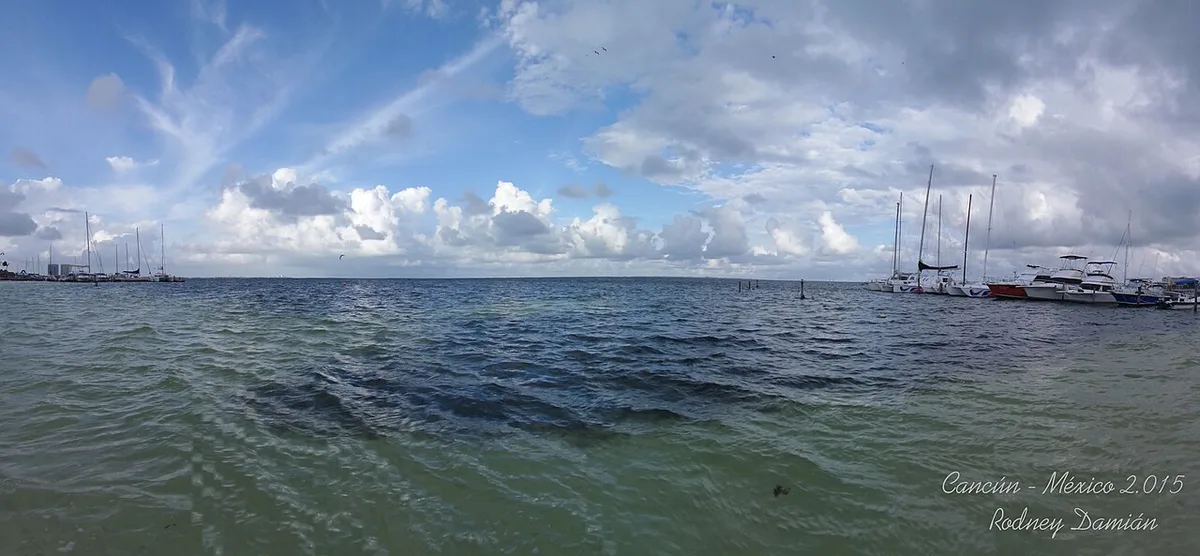
Cancun's Hotel Zone curves in a shape locals call the seven. The short north-facing top of that curve, roughly Km 3 to Km 9, faces the sheltered Bahia de Mujeres. Waves there are typically small, and the seabed slopes gently, which is why most toddler-friendly beaches cluster along this stretch. The long east-facing side of the seven faces the open Caribbean directly, where wind and swell build real surf and stronger currents. That single geography fact explains almost every recommendation in this guide. A beach facing north into the bay usually has a calmer entry. A beach facing east into open water usually has bigger waves and a stronger current. Some Cancun beaches also carry Blue Flag status, an international certification tied to water quality, lifeguard staffing, and facility standards. Playa Delfines and Playa Las Perlas have held the certification in past seasons. Confirm current Blue Flag status locally before you go, since the certified list is reviewed each year and can change.
Quick Comparison: Cancun's Top Kid-Friendly Beaches
Before picking a hotel or planning a beach day, scan how each beach stacks up on wave level and amenities. The table below groups Cancun's most visited beaches by the age group they suit best. Wave level can still shift with wind and season, so treat it as a starting point, and always check the flag posted at the beach itself before kids go past the shoreline.
| Beach | Best For | Wave Level | Key Amenity |
|---|---|---|---|
| Playa Las Perlas | Toddlers & infants | Calm, shallow | Playground, restrooms nearby |
| Playa Langosta | Toddlers & young kids | Very calm, shallow | Iconic Cancun sign, parking |
| Playa Tortugas | Young kids | Calm bay | Pier, food vendors (crowded midday) |
| Playa Caracol | Young kids | Calm, gentle seabed | Quieter, fewer facilities |
| Playa Delfines | Older kids & teens | Open ocean, real surf | El Mirador lookout, lifeguards |
| Playa Marlin | Teens, strong swimmers | Moderate to strong waves | Open sand, fewer crowds |
| Playa Ballenas | Teens, strong swimmers | Strong waves | Open sand, quieter |
Calm-Water Champions for Toddlers and Infants
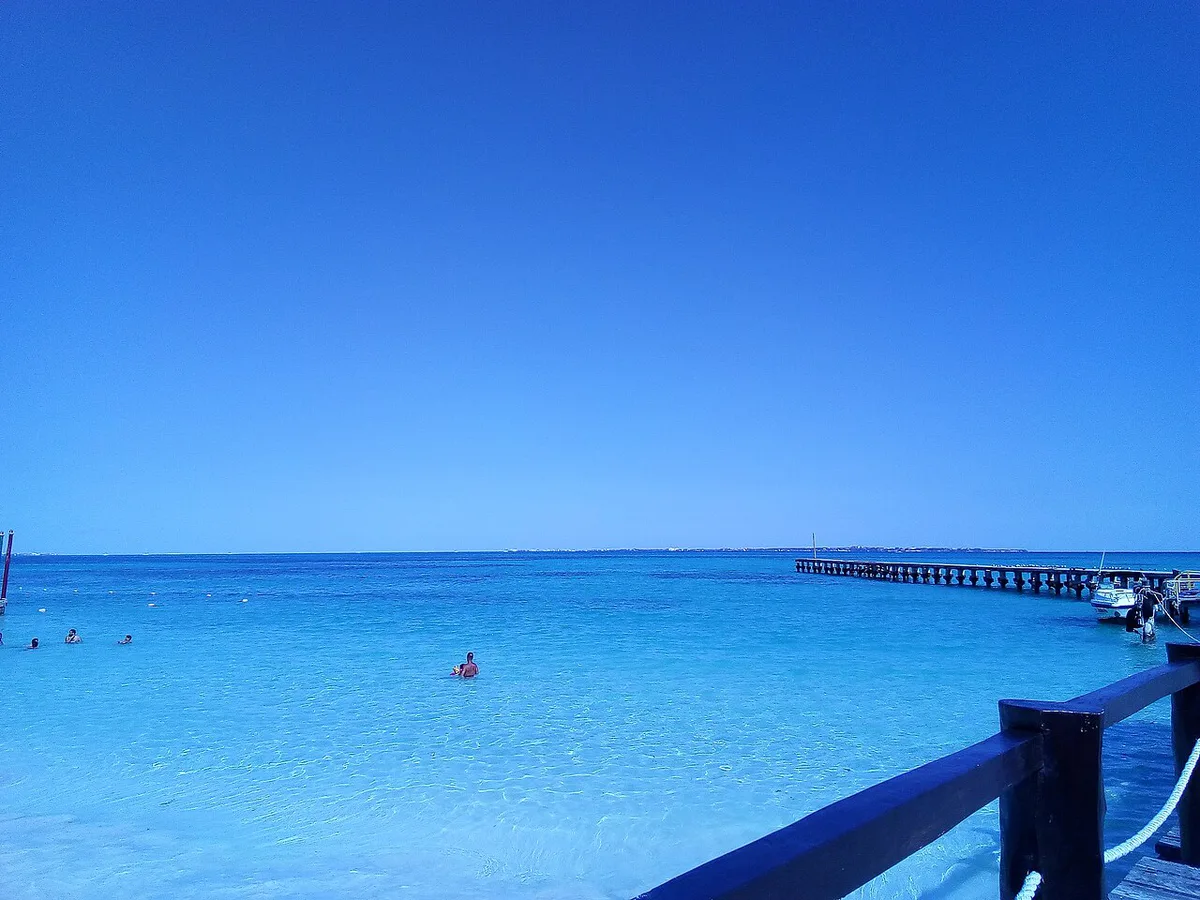
These four beaches sit on the sheltered north side of the Hotel Zone, between roughly Km 3 and Km 9. Expect shallow, slow-moving water on most days, calmer than anywhere on the east-facing side. Sargassum, the seaweed that periodically washes up on Caribbean shores, can still affect any beach in season, though this stretch tends to fare better than the open-ocean side.
- Playa Las Perlas: The first beach inside the Hotel Zone coming from downtown, with a shallow, gradual entry and a playground just off the sand. Public restrooms and small food stalls sit nearby, which makes it workable for a full morning with an infant.
- Playa Langosta: Known for the large Cancun sign near the entrance and a wide stretch of sand. Water stays shallow well past the shoreline, and the bay is calm most of the year. Parking and a marked public access path make it one of the easier beaches to reach with a stroller.
- Playa Tortugas: A public pier and food vendors sit right on the sand, with restroom facilities within walking distance, which makes snack and bathroom breaks manageable. The bay stays calm, but the beach draws crowds by midday, so arrive early for space and shade.
- Playa Caracol: Tucked between resort properties, it feels more secluded than its neighbors and draws smaller crowds. The seabed slopes gently and water stays calm for wading, though facilities here are more limited than at Tortugas or Las Perlas, so bring your own shade and water.
Bigger Waves for Older Kids and Teens
The east-facing stretch of the Hotel Zone trades calm water for real surf and open sightlines. These beaches suit strong swimmers and older kids who want to bodyboard or watch waves break, not toddlers wading at the shoreline.
East-facing beaches like Playa Delfines and Playa Marlin offer the bigger waves older kids want, but they also face higher sargassum during season. A visit requires checking both the daily flag color and local seaweed forecasts.
- Playa Delfines: The widest beach in the Hotel Zone, with the El Mirador lookout point above the sand. Waves and currents are stronger here than on the north side, and no hotels sit directly behind it, so shade is limited. Lifeguards are typically posted. Still, watch flag colors before letting kids swim out.
- Playa Marlin: Open, wide sand with moderate to strong waves depending on wind. Better suited to older kids who can handle a stronger current than a toddler managing a first wave.
- Playa Ballenas: Similar open-ocean conditions to Playa Marlin, with fewer crowds most of the day. Check the flag before swimming, since conditions can shift as the day goes on.
Beyond the Hotel Zone: Is the Drive Worth It?
A short drive north of the Hotel Zone opens up quieter water and fewer crowds, though facilities thin out fast the further you go.
- Costa Mujeres and Playa Mujeres: This stretch north of the Hotel Zone fronts calm, shallow water and feels less developed, since resorts here are spaced further apart. Good for families who want a quieter alternative without leaving the mainland.
- Playa El Nino, Puerto Juarez: A local favorite near the Isla Mujeres ferry dock, with seafood shacks right on the sand and generally calm water. It's a practical stop if you're combining a beach morning with an Isla Mujeres day trip.
- Isla Blanca: A wilder, less developed beach further north, popular with kite surfers. Facilities are minimal, so bring your own shade, water, and snacks if you go with young kids.
Logistics: Buses, Flags, and Beach Access
Getting to any of these beaches, and knowing what you'll find once you arrive, matters as much as picking the right stretch of sand. The R-1 and R-2 city buses run along Kukulcan Boulevard through the Hotel Zone and stop near most beaches. A stroller fits in the aisle during quieter hours, but boarding gets tight when the bus is full. Taxis cost more, but they drop you closer to a specific beach entrance, which helps with a napping toddler or heavy beach gear. Stroller access varies by beach entrance: some have a paved or wooden path down to the sand, while others require crossing loose sand for the last stretch, so check recent visitor photos for the specific entrance you plan to use if a smooth path matters. Every staffed beach flies a colored flag that changes through the day as conditions shift. Check it before letting kids into the water, even at a beach visited before. Flag meanings follow a general convention; confirm the specific posted definition at the beach you're visiting, since wording can vary by operator. Large resorts line most of the Hotel Zone, but in Mexico, beach sand below the high-tide line is generally open to the public. Look for a marked public access path between hotel properties, usually a narrow walkway with a small sign. Public beach access itself is free, and there's no fixed opening or closing time since the sand isn't gated. Chair, umbrella, and palapa rentals are run by independent vendors along the beach. Rates aren't posted online, so confirm the price with the vendor before you sit down; expect it to cost less than a full resort day pass.
Blue Flag certification marks annual water quality and lifeguard standards, but daily flag colors shift from green to yellow, red, or black as wind and waves change. A beach can be certified Blue Flag yet show yellow or red flags on any given day.
- Green: Conditions are generally calm and considered safe for swimming.
- Yellow: Use caution; waves or current are moderate.
- Red: Swimming is discouraged due to strong waves or current.
- Black: The water is closed to swimmers.
Mistakes to Avoid on Cancun Beaches With Kids
A few planning slips show up again and again with families visiting Cancun's beaches.
- Packing regular sunscreen instead of a biodegradable, reef-safe formula. The Caribbean sun here is stronger than it looks, and reef-safe sunscreen reduces the impact on the coral just offshore.
- Ignoring the sargassum forecast. Seaweed season affects east-facing beaches like Playa Delfines and Playa Marlin more than the sheltered north side. Check a local sargassum-tracking group before committing to a specific beach that day.
- Assuming every Hotel Zone beach behaves the same way. A calm morning at Playa Langosta says nothing about conditions at Playa Ballenas that same afternoon. Check the flag at each beach separately.
- Skipping shade planning at beaches with no hotel behind them, like Playa Delfines. Bring your own umbrella, or arrive early enough to claim one of the few public palapas.
Which Cancun Beaches Are Easiest With a Stroller?
Playa Langosta is the simplest choice for families bringing a stroller. It has a marked public access path, nearby parking, and a wide beach entrance. The stroller will still need to remain above the loose sand near the water.
Access becomes less predictable at beaches tucked between resorts. Playa Caracol has a narrower public entrance and fewer facilities, making it less convenient with bulky gear. Playa Tortugas offers nearby food and restrooms, but midday crowds can make its entrance and sand harder to navigate.
- Choose Playa Las Perlas when a playground and nearby restrooms matter most.
- Choose Playa Langosta for straightforward public access and parking.
- Use a baby carrier at beaches where loose sand begins immediately after the entrance.
- Visit early to reduce crowding on buses, paths, and shaded areas.
R-1 and R-2 buses accept folded strollers, although boarding can be difficult during busy periods. A taxi is usually easier when carrying a stroller, cooler, umbrella, and other beach equipment.
For trip-planning details, see Cancun on Wikivoyage.
Pair this with our broader Cancun tourism attractions guide for the full city overview.
Further reading: Cancun on Wikivoyage · Cancun on Wikipedia
Frequently Asked Questions
What is the best Cancun beach for toddlers?
Playa Las Perlas and Playa Langosta, both on the sheltered north side of the Hotel Zone, have the shallowest, calmest water for toddlers and infants.
Is Playa Delfines safe for kids?
Playa Delfines suits older kids and confident swimmers more than toddlers. It sits on the open-ocean side of the Hotel Zone, with stronger surf and current than the north-facing beaches. Check the flag color before letting kids swim, and stay near lifeguard-staffed sections.
Are Cancun's public beaches free?
Yes. Beach access in Cancun is free, and there's no fixed opening or closing time. You'll only pay if you rent a chair, umbrella, or palapa from an independent vendor on the sand.
What does the beach flag system mean in Cancun?
As a general convention, green signals calm, safe conditions, yellow signals caution, red discourages swimming, and black means the water is closed. Confirm the exact meaning posted at the beach you're visiting, since wording can vary by operator.
Do Cancun beaches get seaweed (sargassum)?
Sargassum season can affect any Cancun beach, but east-facing beaches such as Playa Delfines and Playa Marlin tend to see more of it than sheltered north-side beaches like Playa Langosta and Playa Tortugas.
Free guide: Stress-Free Flying with Kids
The pre-flight checklist, carry-on packing list, and in-flight survival plan we use on every family trip — from toddlers to teens.
You might also like


Continue reading
More guides you'll find useful


